
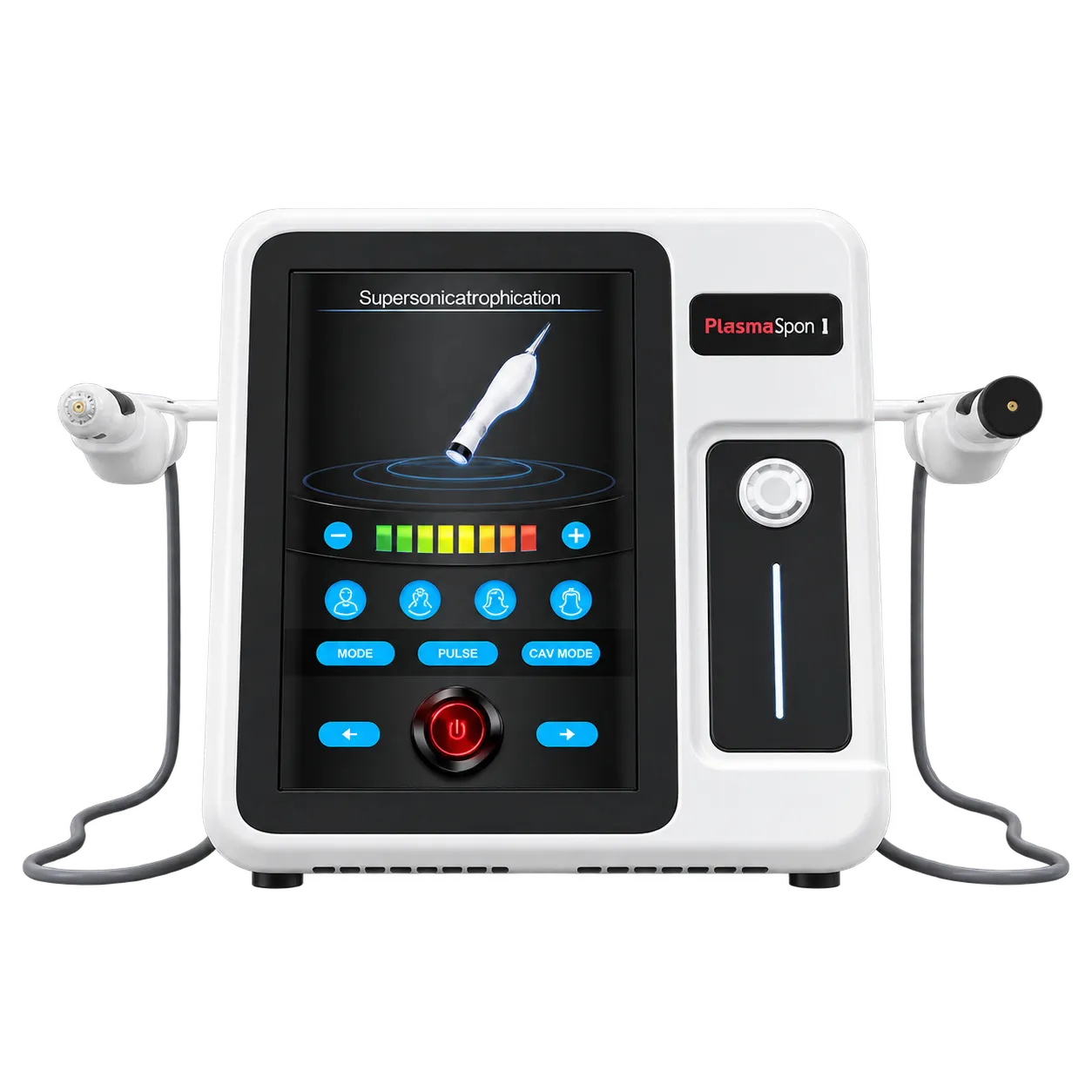
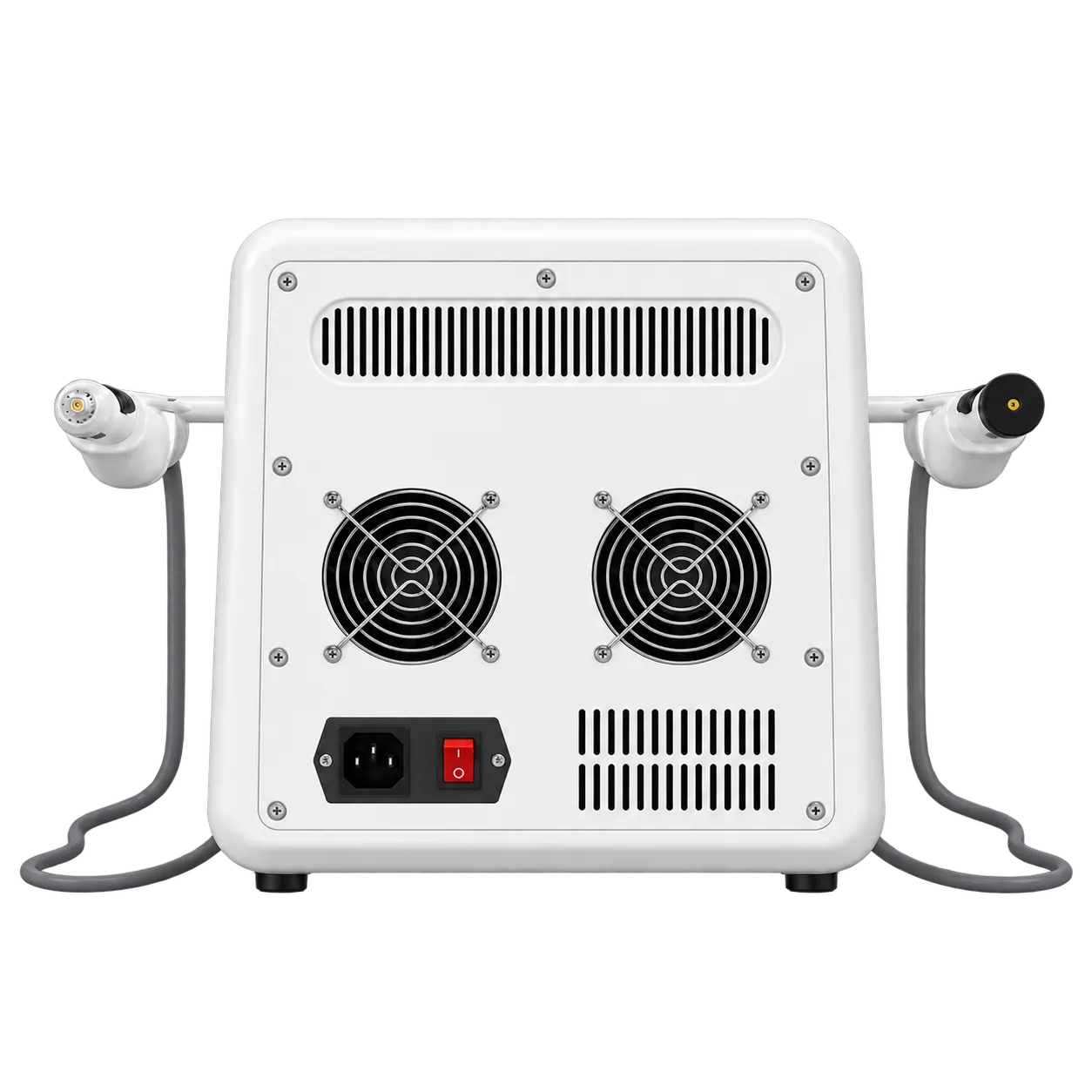
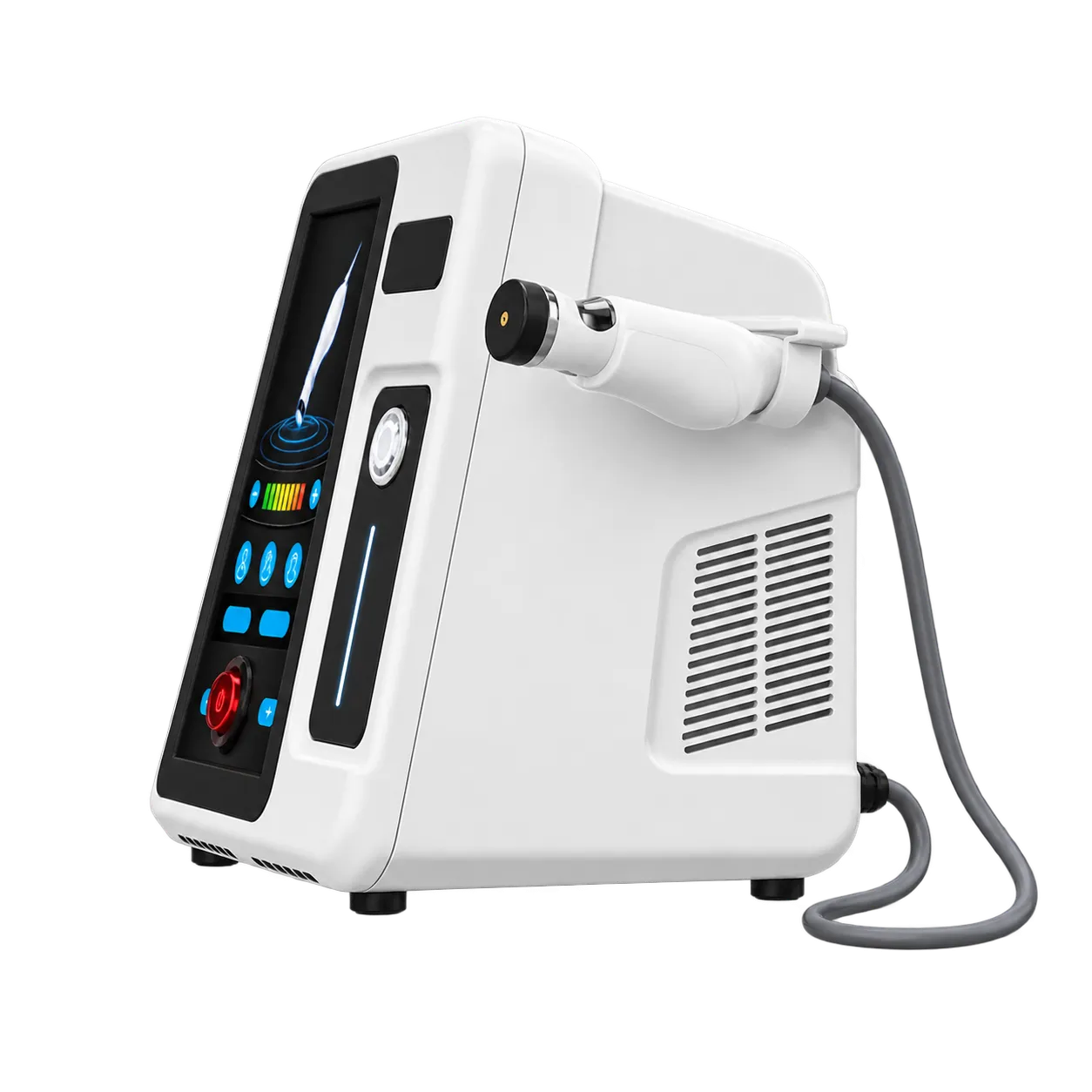
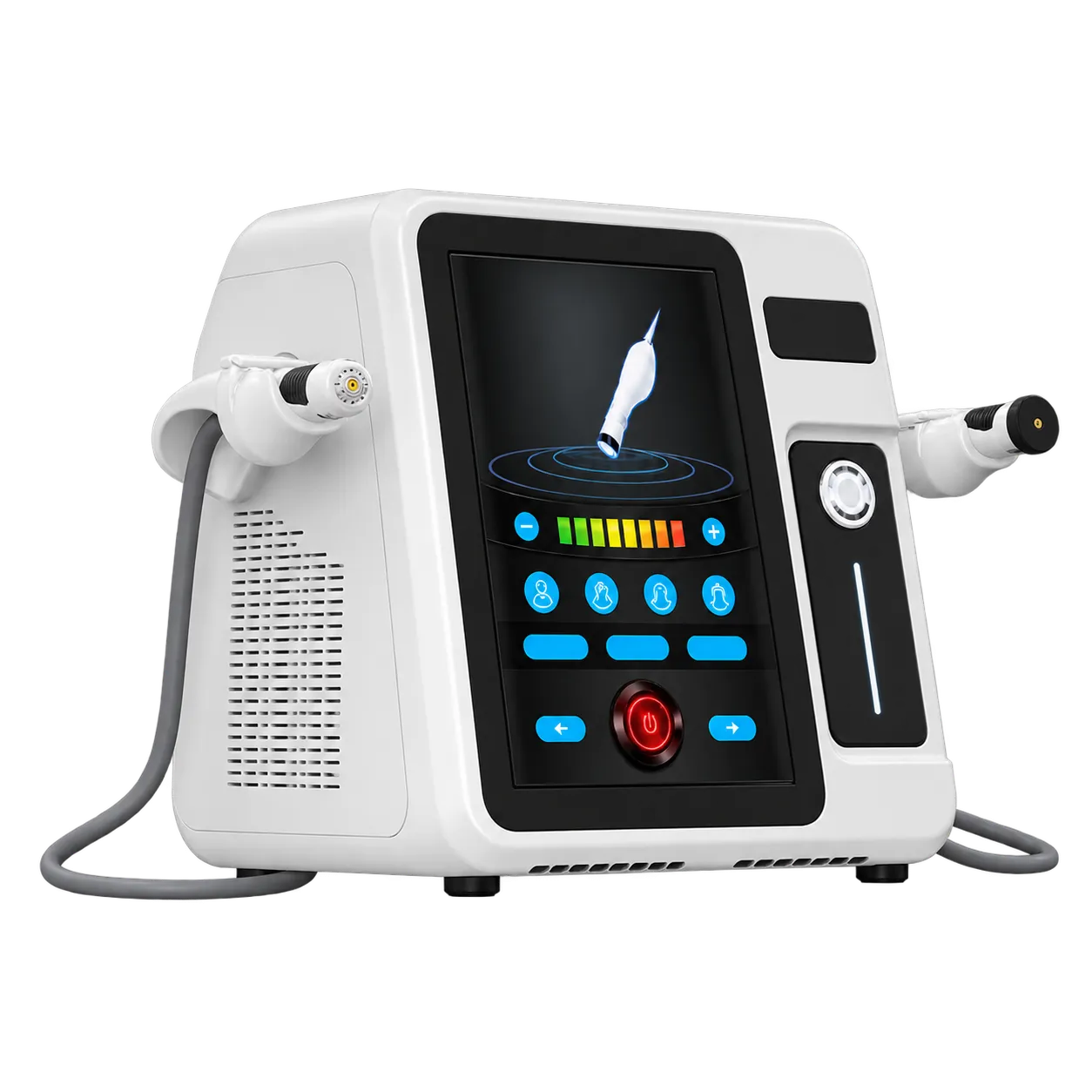
Spot work is the PLASMA II's strength. Small skin tags on the neck, underarms, and eyelids; milia; and small benign raised lesions can be removed with the needle handle in short appointments, often several in a single visit. Dot-by-dot needle treatment is also used on loose skin, most commonly the upper eyelids and around the mouth, where it aims to tighten through controlled healing. The ceramic shower handpiece adds a gentler surface treatment, which Nubway positions for acne-prone skin and general rejuvenation. Practitioners often price spot removal per lesion or per area, giving quick, profitable bookings between longer treatments.
The evidence base calls for caution. Published work on handheld plasma devices consists largely of small case series and expert opinion, and devices differ widely in output and technique, so results from one study do not transfer neatly to another. Reported risks include prolonged redness, pigment change and scarring, which rise with aggressive settings and on darker skin. Nubway's wider marketing claims, such as whitening and anti-inflammatory effects, should stay out of client communications. Clear consent forms that describe crusting, healing time, and pigment risk protect both client and practitioner.
Aesthetic clinics, dermatology practices with a cosmetic list and experienced practitioners holding accredited plasma training are the likeliest buyers. Clinics should set up a referral route for medical review of any lesion that is not clearly benign. Groups purchasing through formal procurement routes will want documentation before the console goes into service. The conformity documentation those procurement routes require is issued by the manufacturer and shared by the enquiry team.