
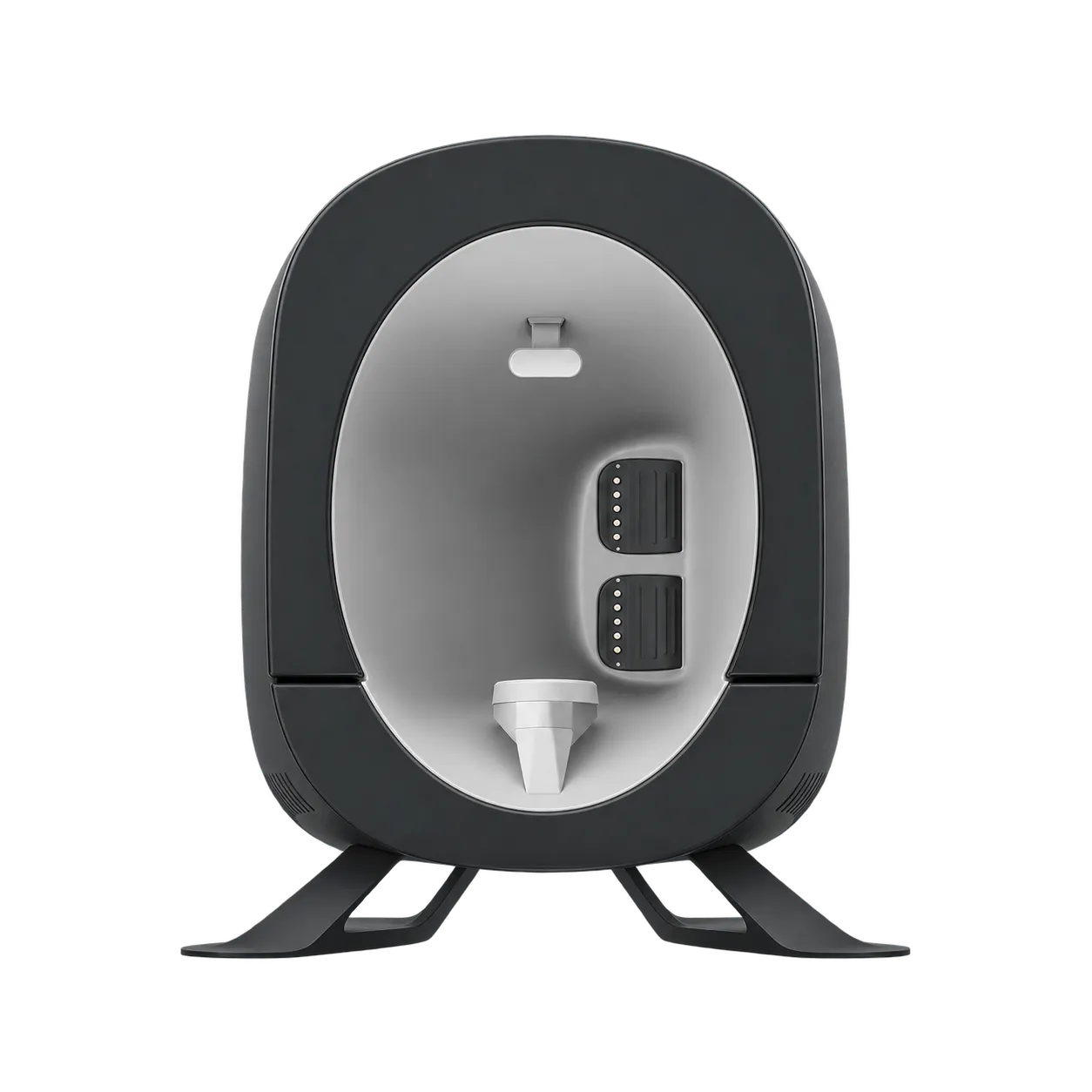
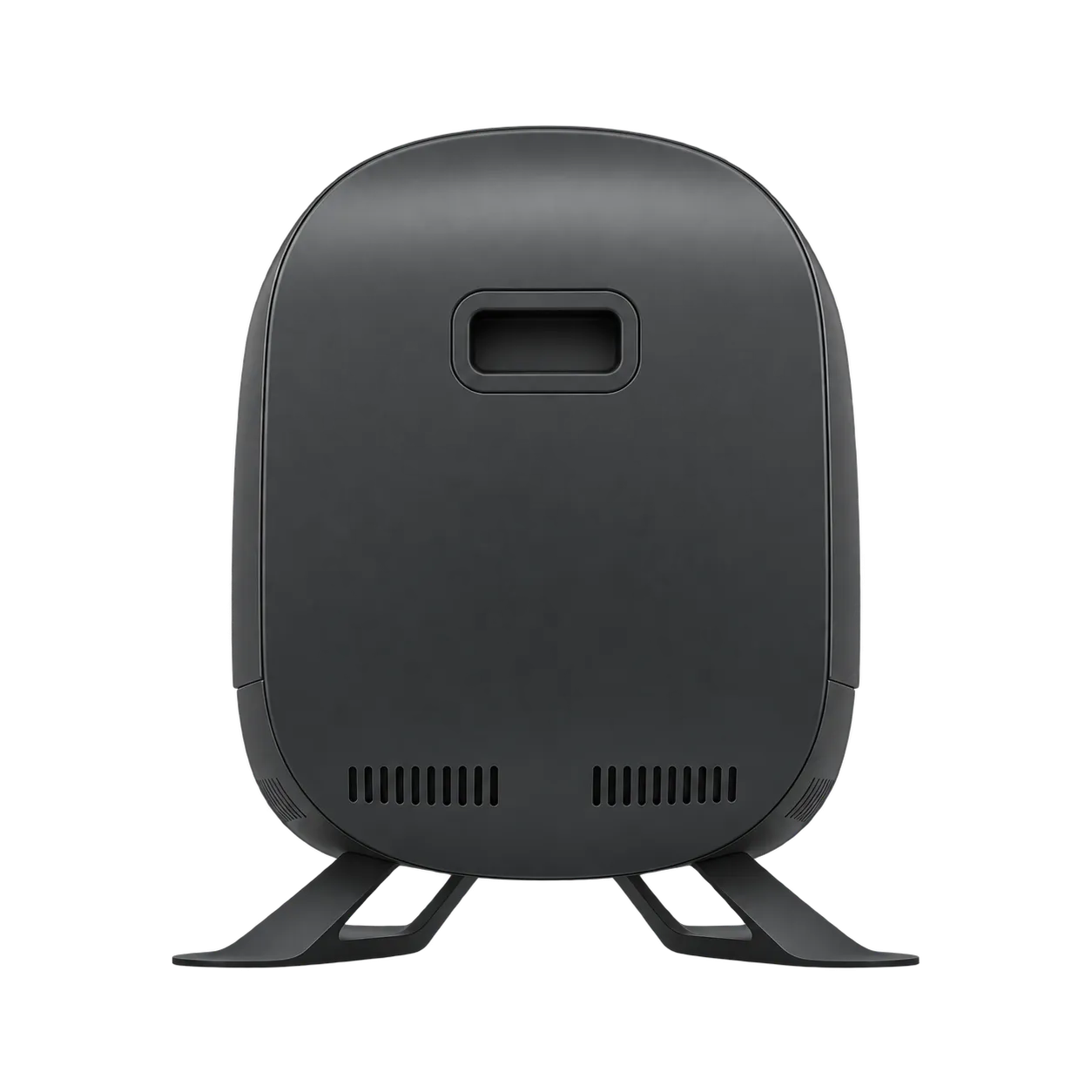
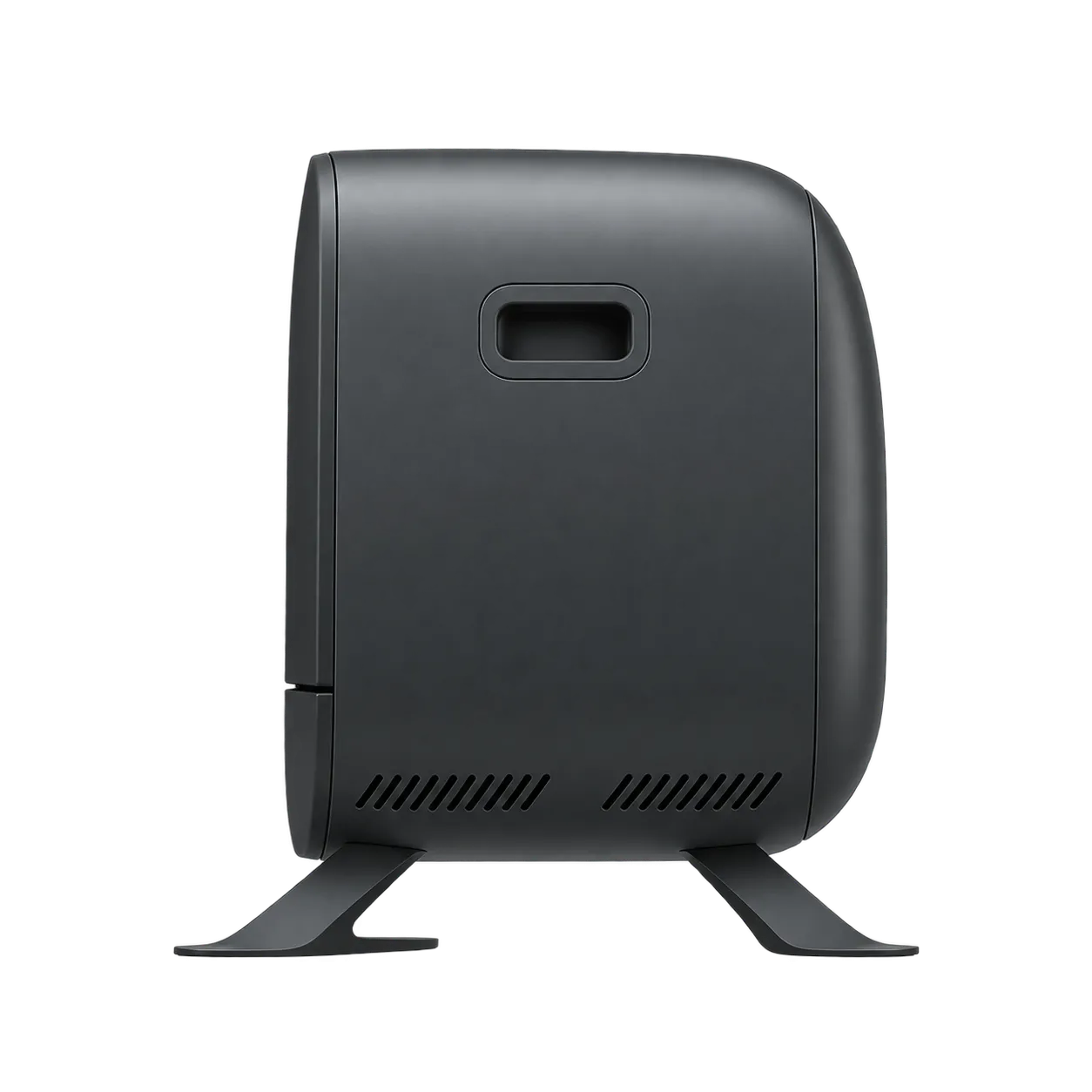
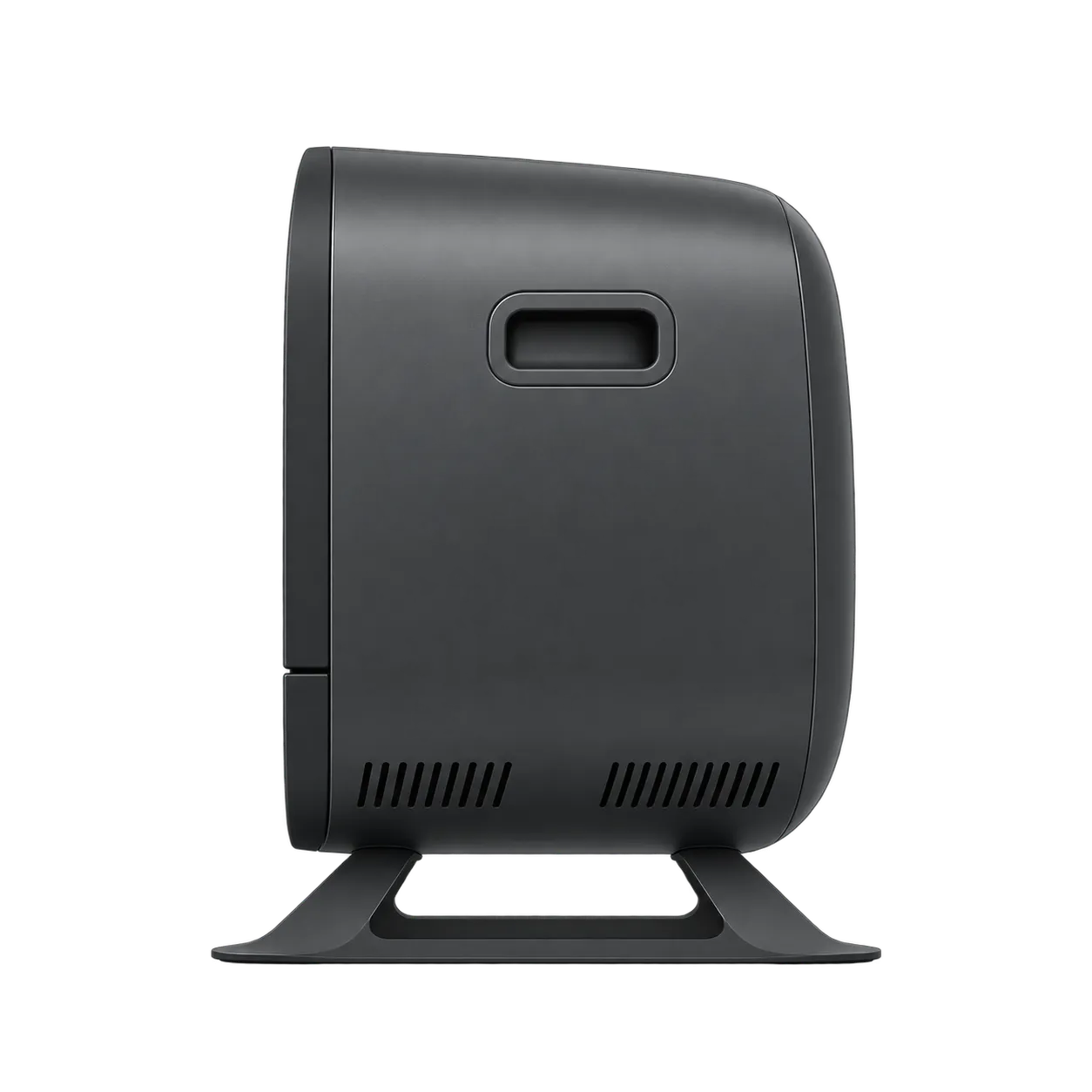
The PC-01 belongs at the start of a treatment journey. A new client sits in front of the unit, leans into the hood, and the system captures their face in one sequence; the therapist then walks through the images on screen before suggesting any product or treatment. Pigment, redness, pores and texture become things the client can see, and the plan that follows has a visible reason behind it.
The second use comes at review appointments. Because each capture happens inside the same blackout enclosure, a picture taken after a course of peels, microneedling,g or laser pigment work can be placed beside the first one for a like-for-like view. That comparison is often what persuades a client to continue a course or rebook, and it gives the therapist a record if a client later questions the result.
Skincare retail is the third. The report ties product recommendations to what the images show, keeping advice specific and giving the client something to take away. Acne clinics can use the UV fluorescence image to explain why a regimenn targets bacteria and oil, whilesun-damagee conversations gain weight from UV pigment the client could not see in the mirror. Suitable settings include aesthetic clinics, dermal therapy rooms, skincare counters with private consultation areas, and spa treatment suites. Each needs a stable counter, a chair at the right height for the face stand and a data protection routine for the images. The conformity documentation required for these procurement routes is issued by the manufacturer and provided by the seller.