
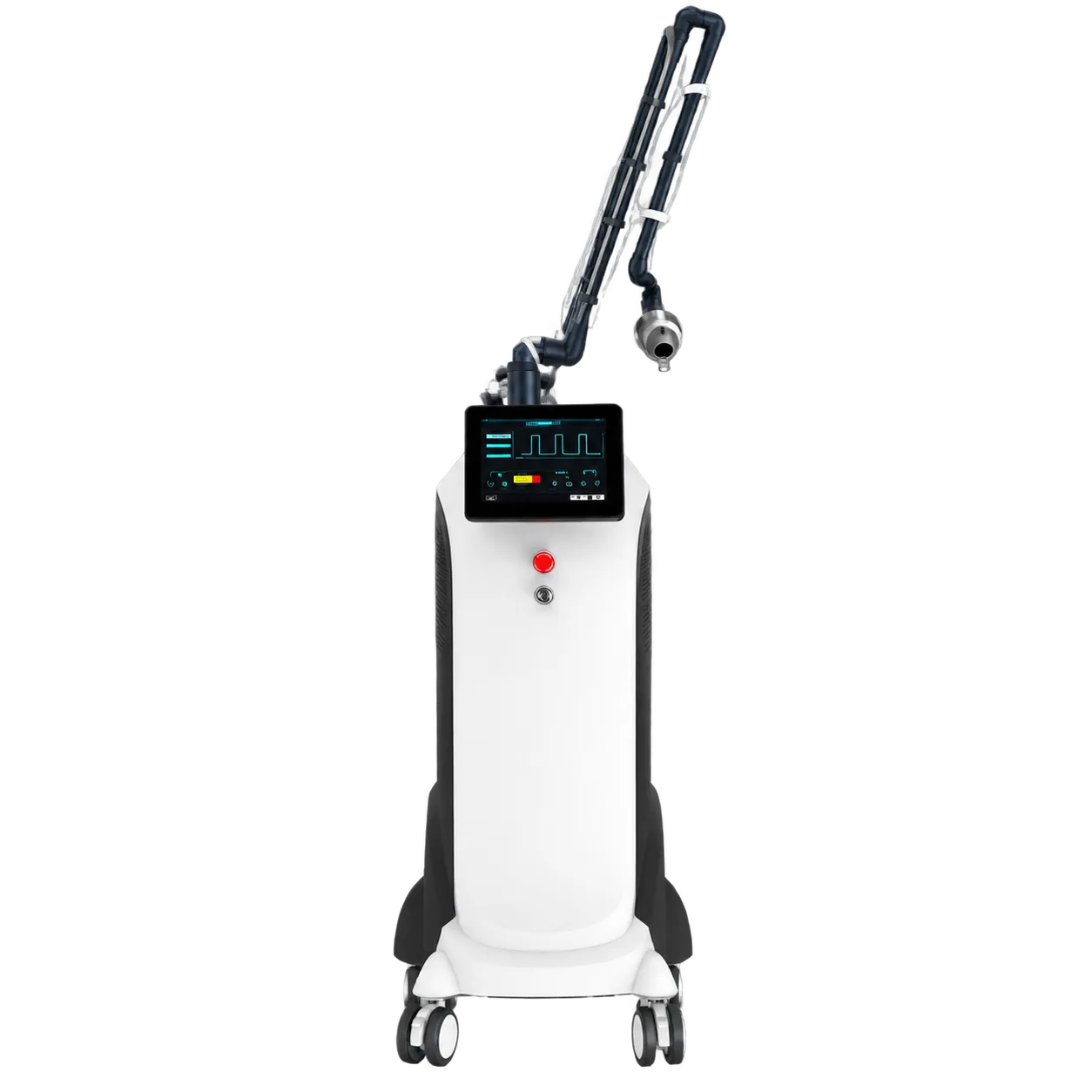
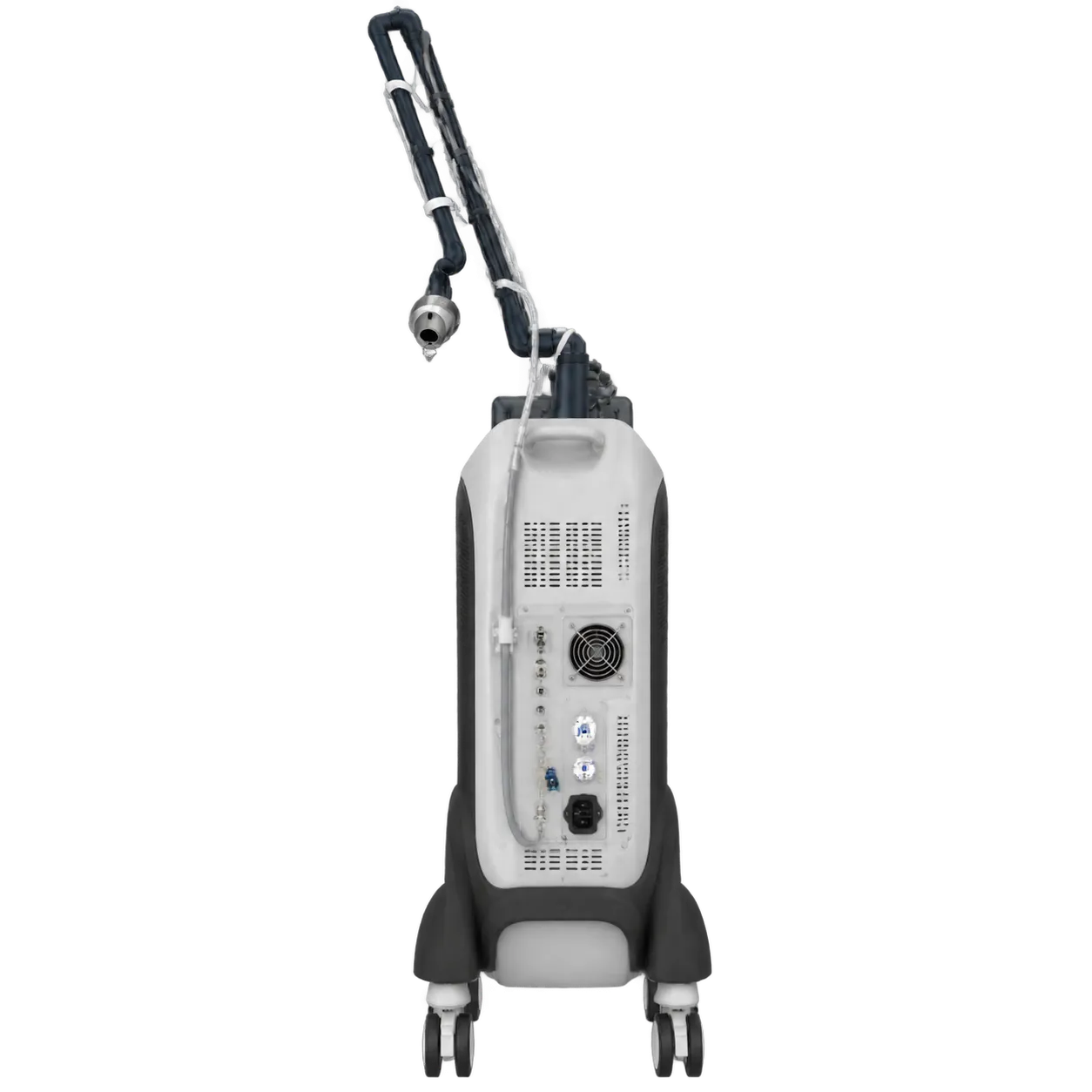
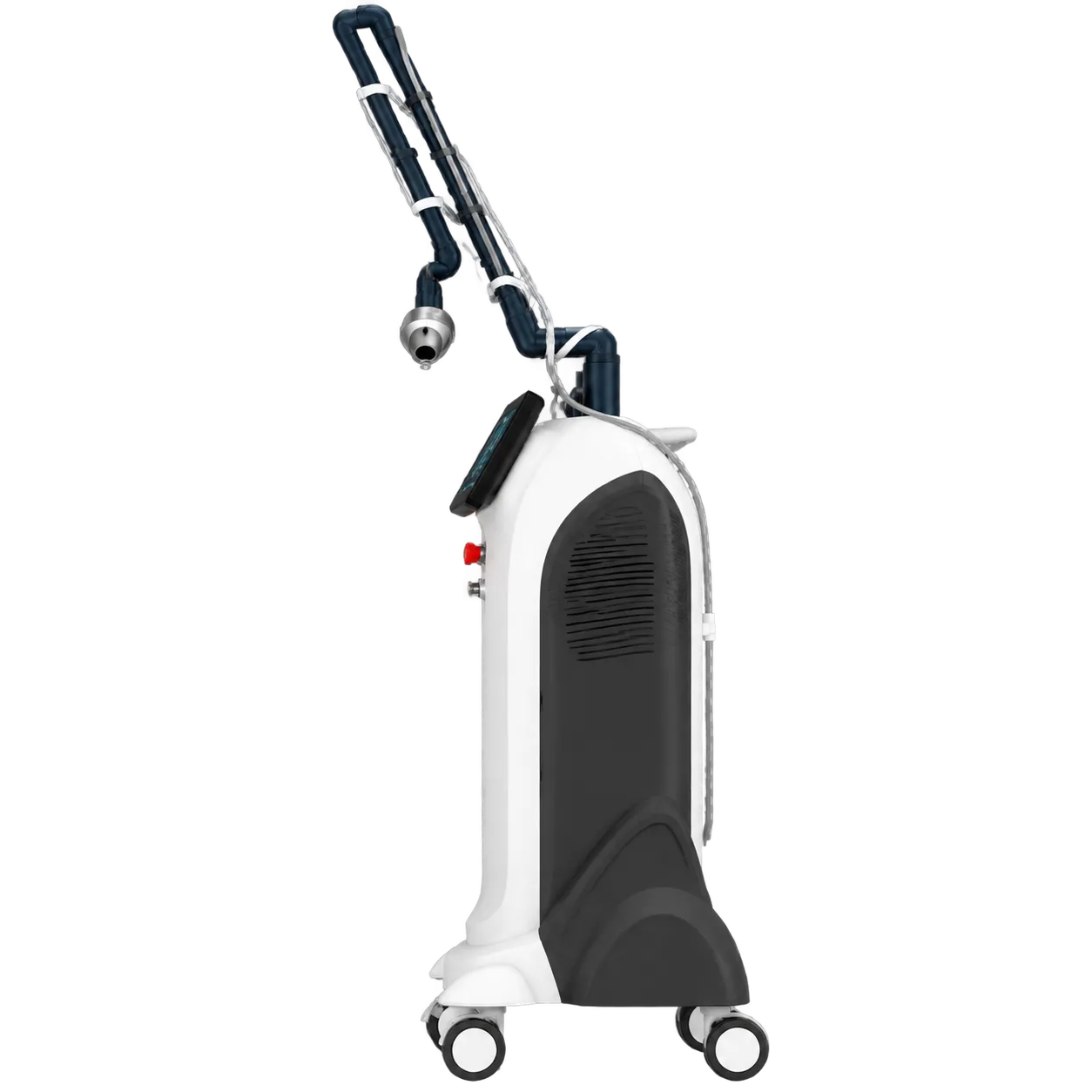
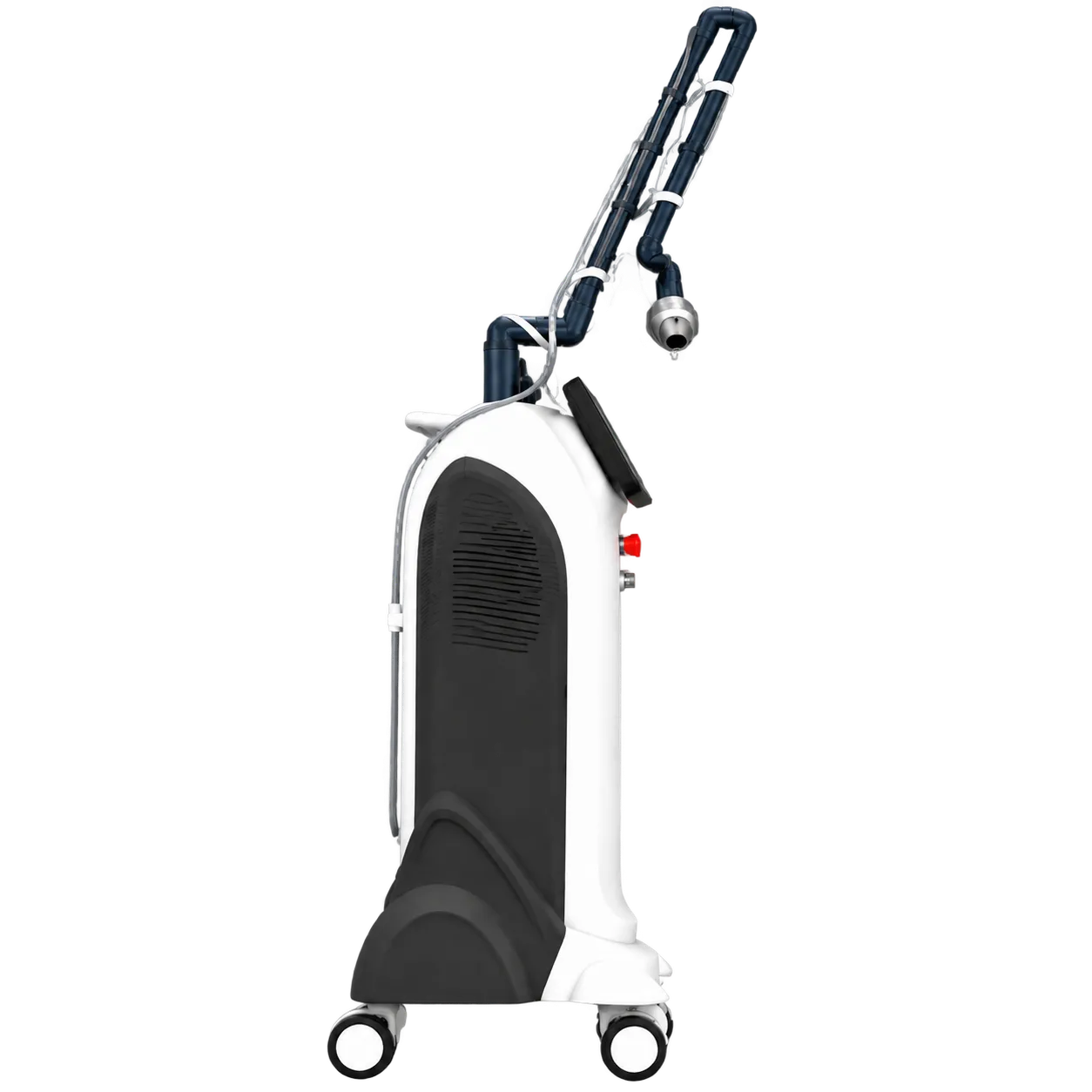
Aesthetic clinics use fractional CO2 to treat acne scarring and uneven facial texture. Settings matched to scar depth and skin type, a course of sessions and standardised photographs give a documented record of change for both client and practice. Review photographs with the client at each visit so gradual progress stays visible.
Skin rejuvenation services treat fine lines, sun damage and dull texture on the face, neck, chest and hands. Lower densities on thinner skin reduce the risk of prolonged redness, and clear aftercare instructions support steady healing. Strict daily sun protection during the course protects the result.
Stretch mark programmes attract clients with newer red or pink marks on the abdomen, thighs and breasts. Results are partial, so consultations should focus on softer texture and improved colour and avoid promising removal. Photographs under fixed lighting show the change best.
Scar revision clinics treat mature surgical and injury scars to improve surface texture. Early, raised or keloid scars need a doctor's assessment, and many practices combine laser resurfacing with other scar treatments under medical direction.
Doctor-led practices use the normal mode for minor surgical work such as vaporising small benign lesions, with a firm diagnosis beforehand and histology where needed.
Training academies and multi-site groups value a tower that engineers can service to a fixed schedule. Shared equipment needs a single laser register, one set of local rules per room and clear responsibility for daily checks. A named person should own the service calendar so alignment and power checks never lapse between sites.