
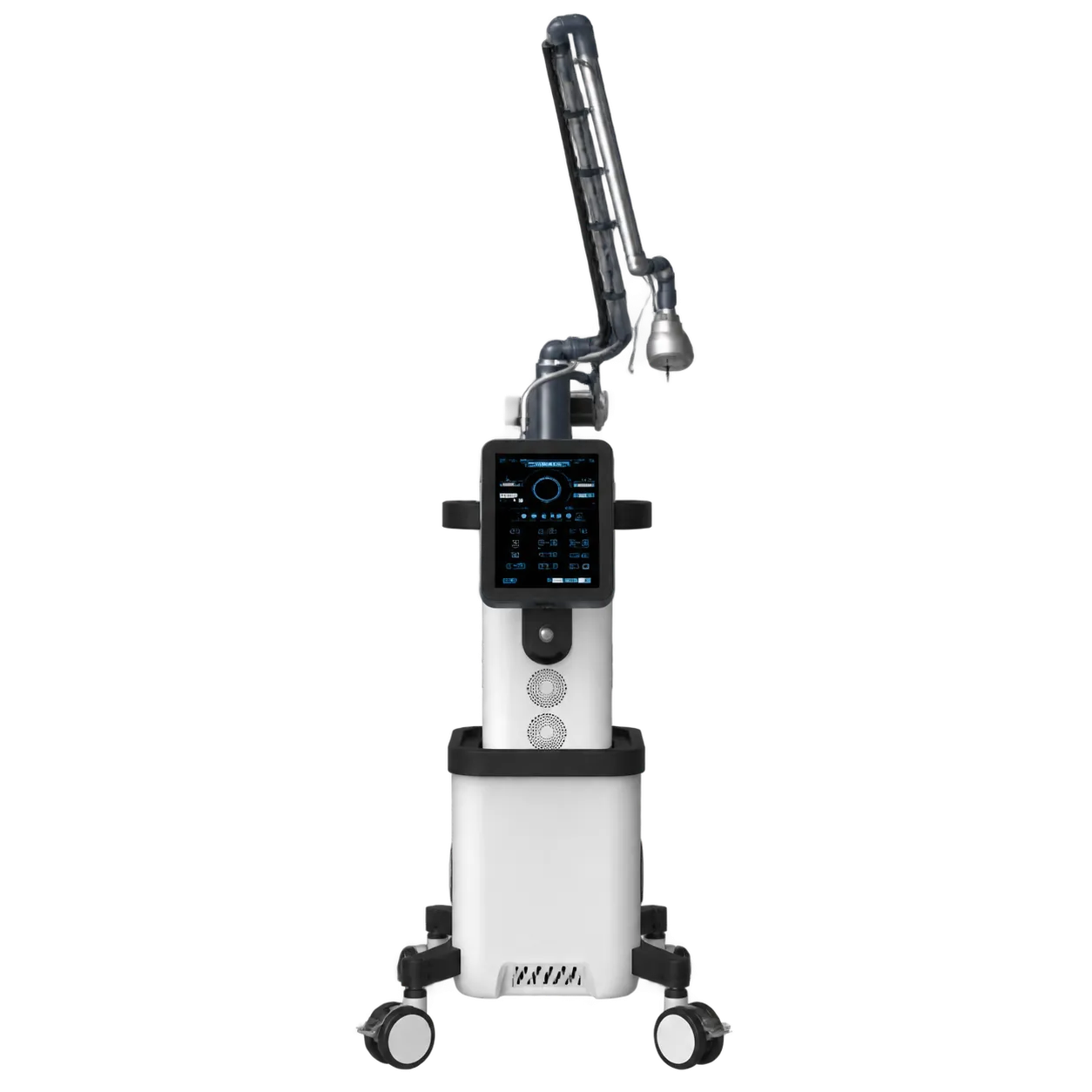
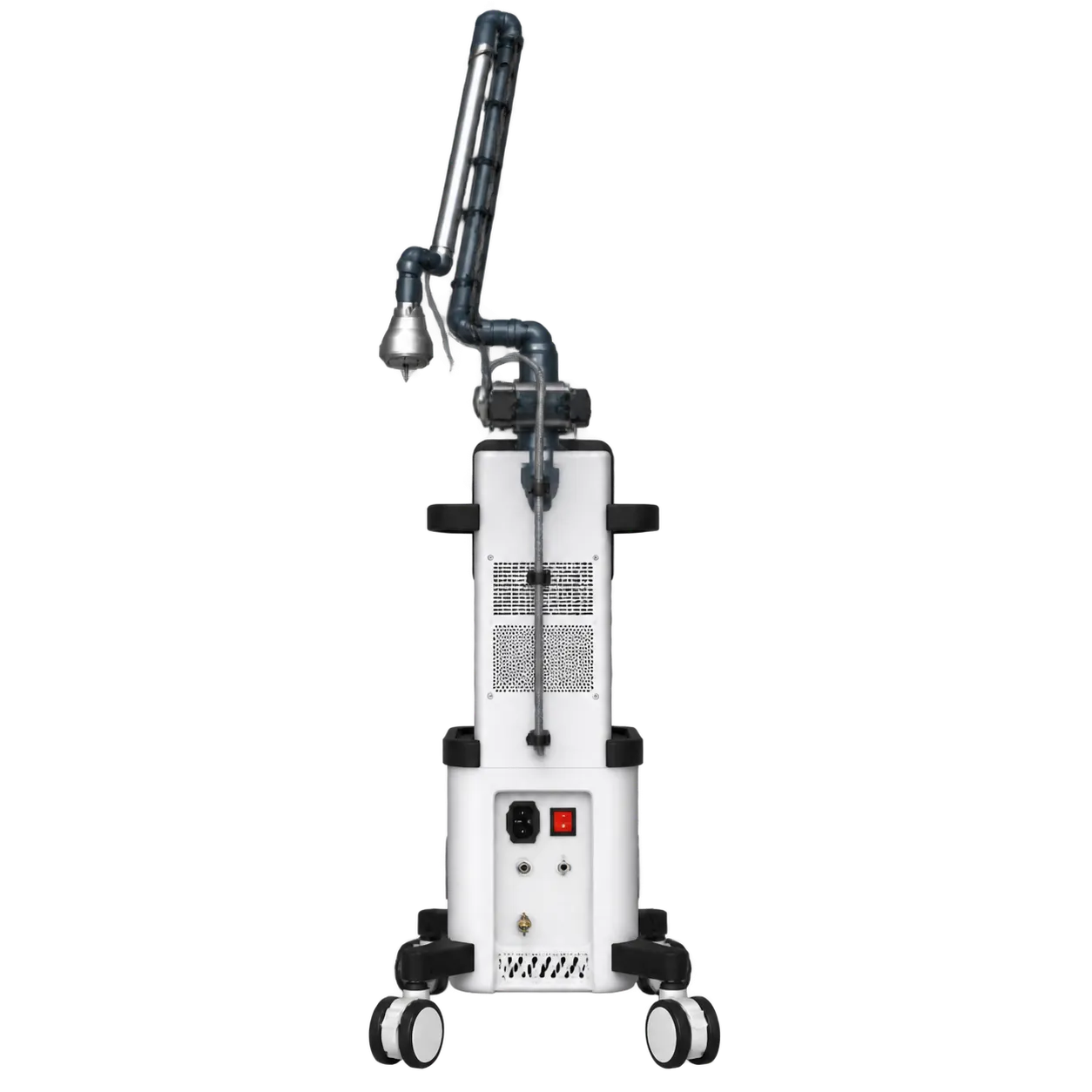
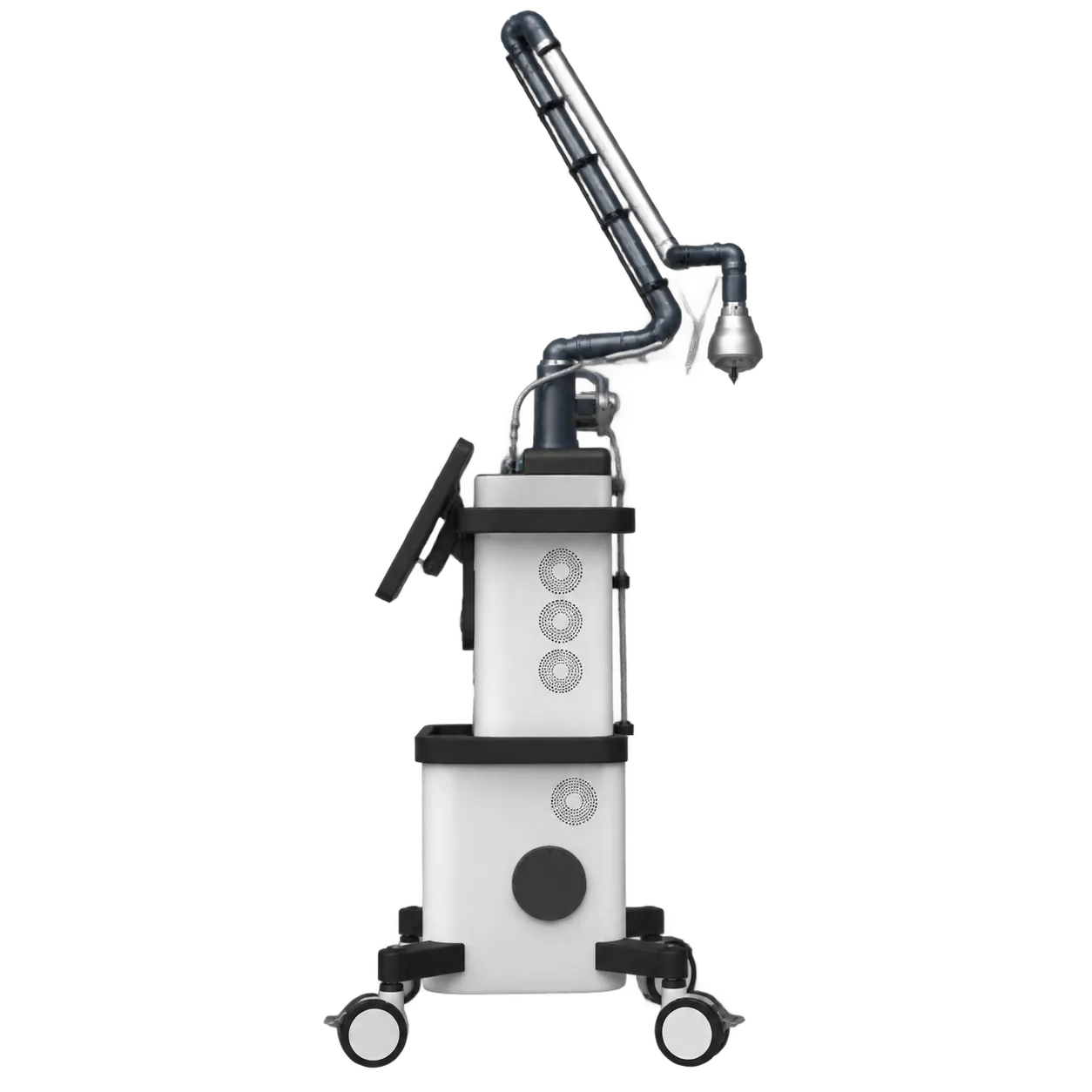
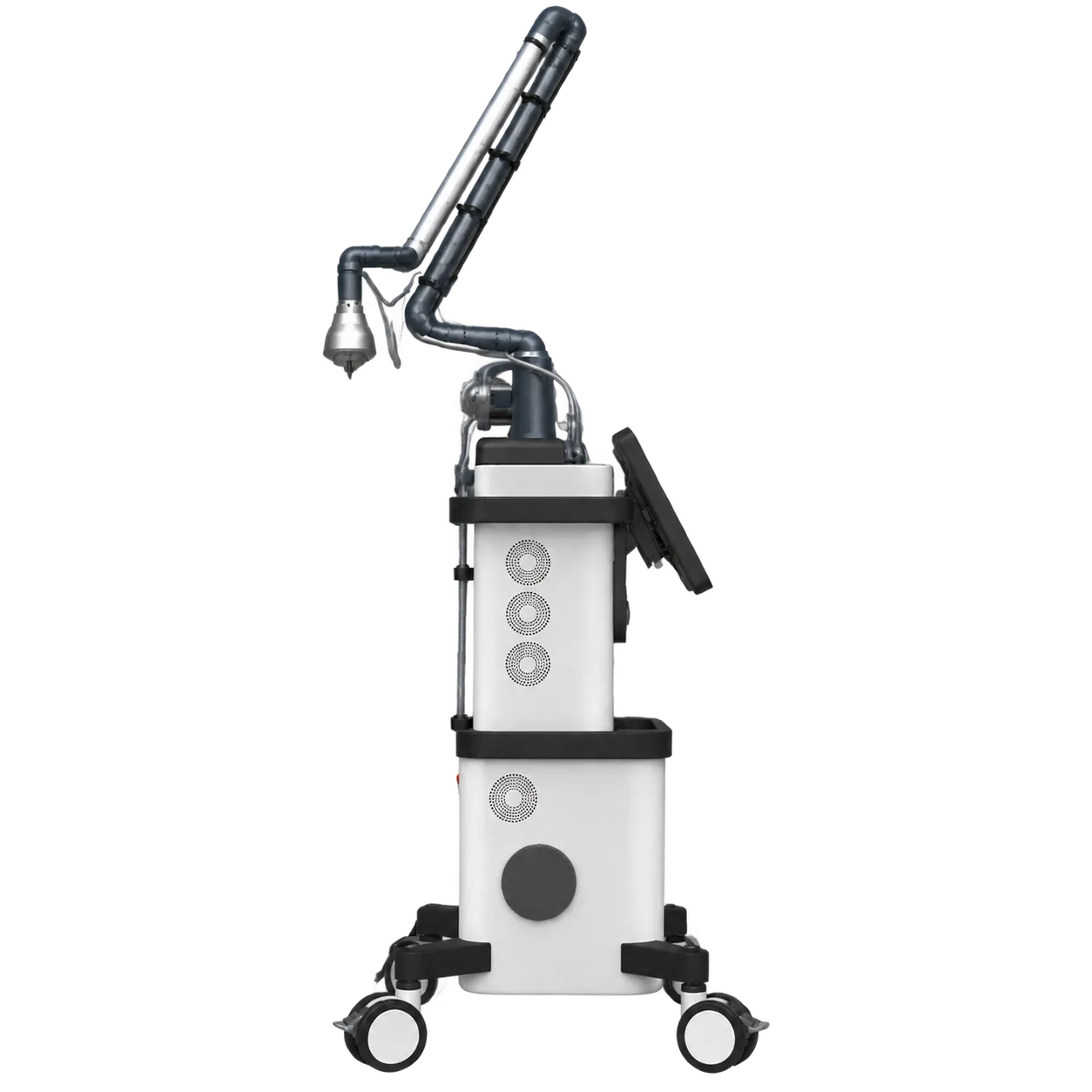
Dermatology and aesthetic clinics use fractional CO2 for acne scarring, where the laser has the strongest evidence base. A course of sessions tailored to scar type and skin type, with standardised photographs, provides a clear record of progress and sets honest expectations. Many clinics pair resurfacing with other scar treatments, planned by a doctor, for mixed scar types.
Photoageing clinics treat fine lines, wrinkles, rough texture and sun damage on the face, neck and chest. Deeper wrinkles around the eyes and mouth need careful energy control, and the neck and chest need lower density because the skin heals more slowly there.
Scar revision services treat surgical and traumatic scars once they have matured. Doctors assess early, and hypertrophic scars and keloid scars are usually outside the scope of laser resurfacing alone. Timing matters: most practitioners wait until a surgical scar has settled and faded before starting a course.
Pore and texture treatments suit clients with oily, uneven skin who accept a few days of downtime. Light, low-density passes reduce recovery and still give visible refinement over a course, and these shorter appointments fit well into a busy diary.
Surgical mode supports excision and vaporisation of small skin lesions in doctor-led practices, where every lesion has a firm diagnosis first, and tissue can be sent for histology when needed.
Gynaecological applications belong only in specialist medical settings, following the 2018 FDA warning on energy-based vaginal rejuvenation. Aesthetic clinics without specialist oversight should treat this mode as outside their scope and leave it disabled or unused.