
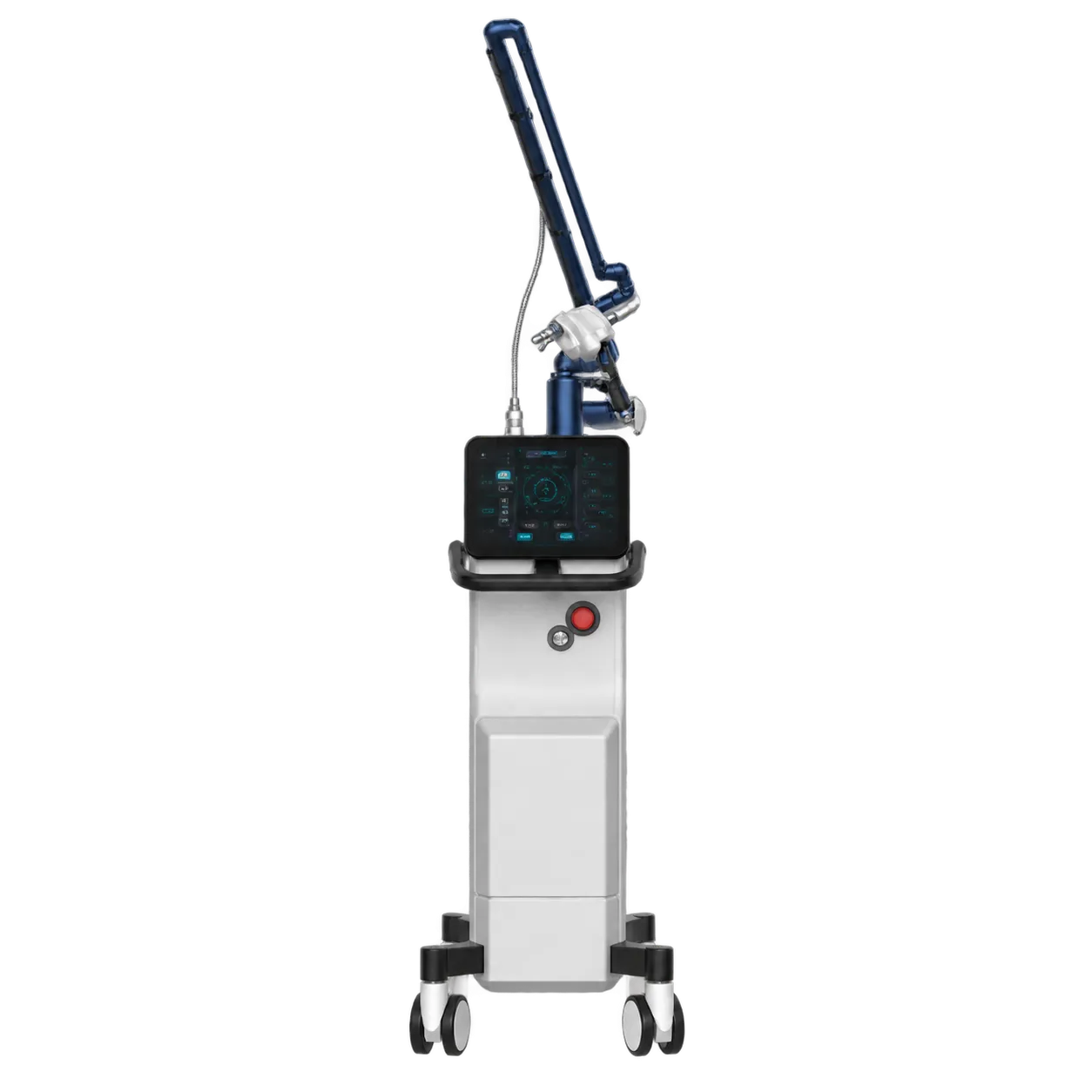
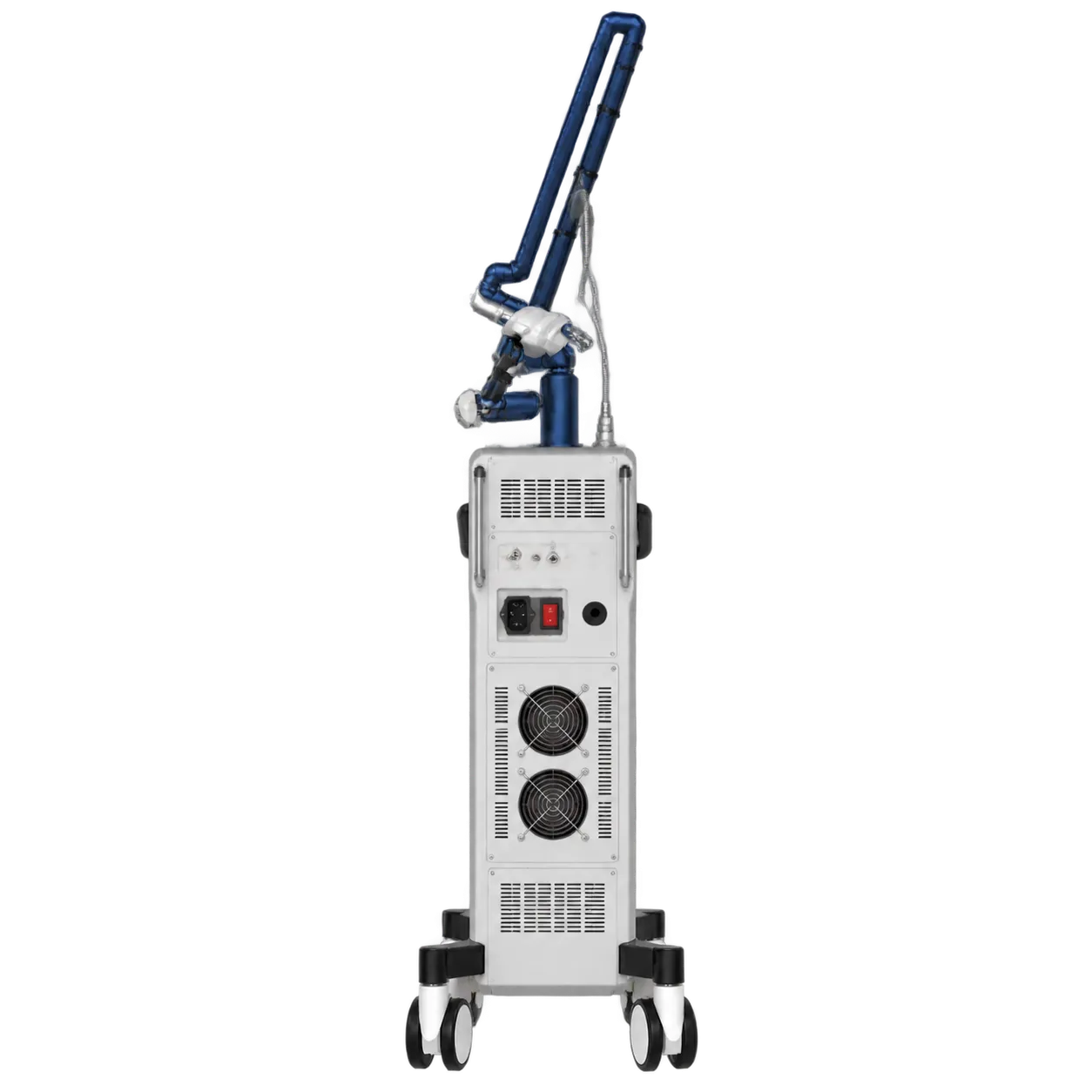
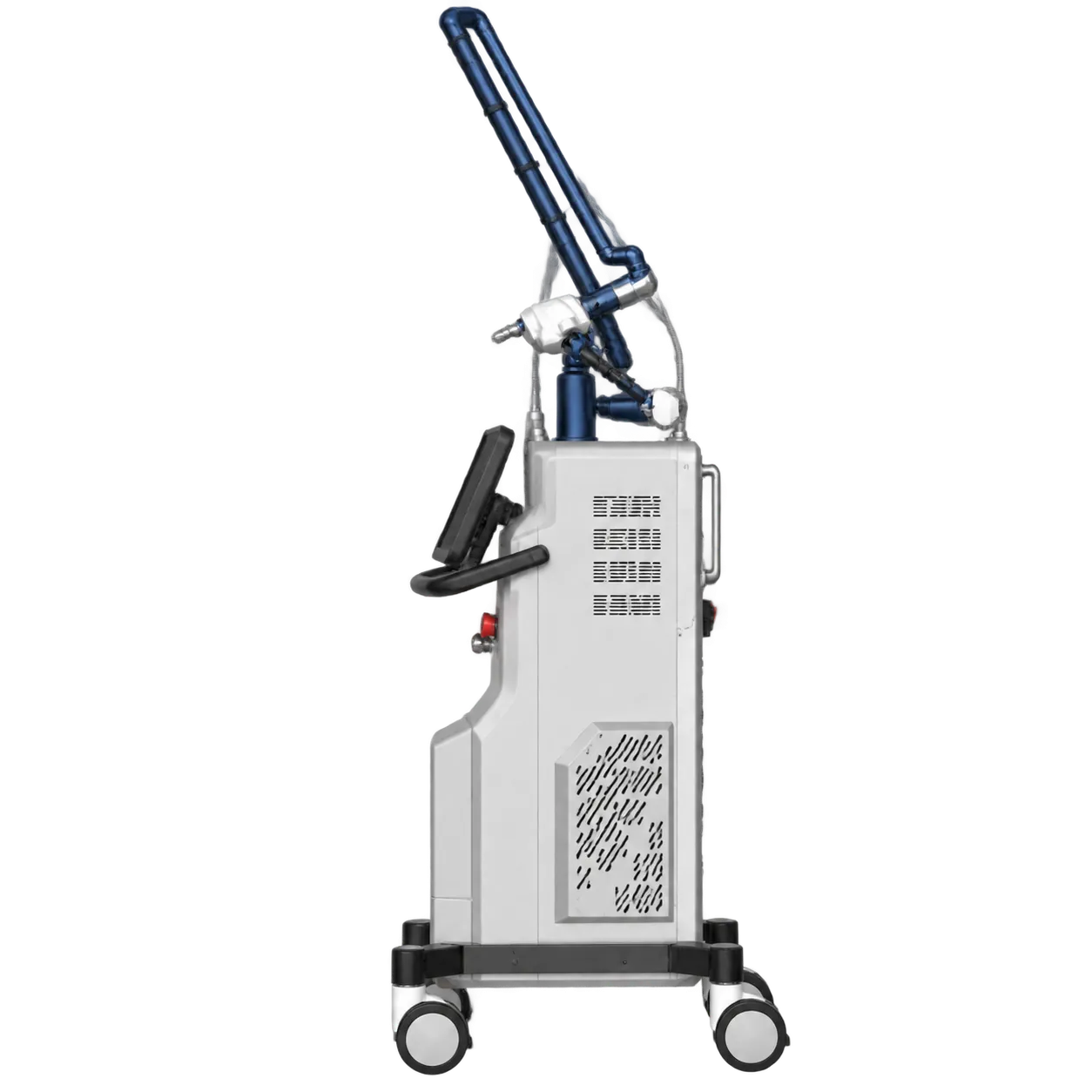
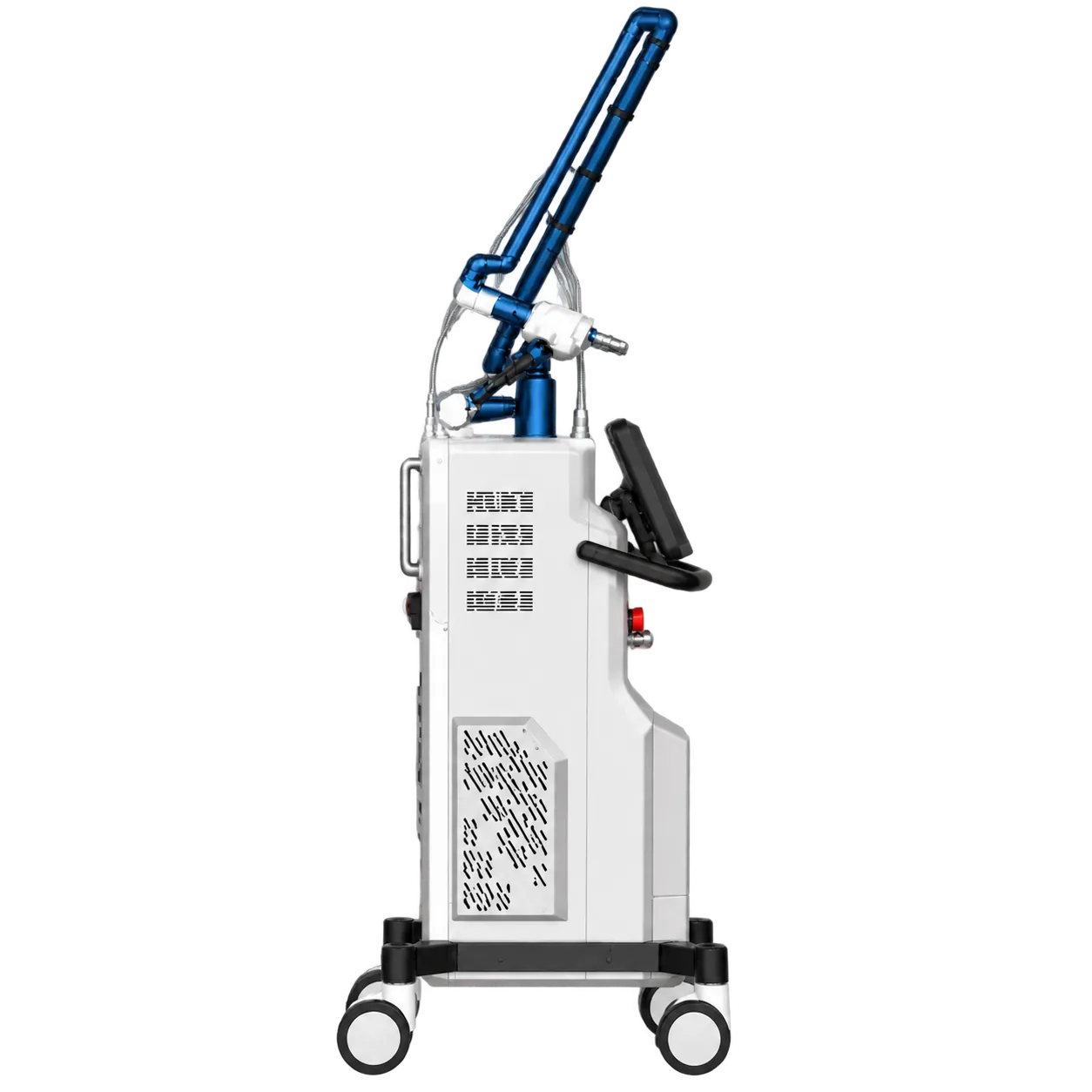
The F10 belongs in dermatology-led clinics, cosmetic surgery practices and advanced aesthetic clinics with a practitioner experienced in ablative resurfacing. It is not a beginner's device, and its best use depends on choosing the right clients. Staff time for consultation and aftercare matters as much as time with the laser itself.
Atrophic acne scarring is the core indication. Rolling and shallow boxcar scars on fair to medium skin respond well to a course of ablative fractional sessions spaced several weeks apart, often combined with subcision for tethered scars. Textural photoageing, fine lines around the eyes and mouth, and general skin texture complete the everyday caseload. Surgical mode, listed at platform level, can also support qualified practitioners in removing small benign lesions.
Client selection shapes every booking. Skin type is assessed at consultation, with darker types IV to VI offered test patches, conservative settings and pigment-control preparation before any full-face treatment. We check for a history of cold sores, keloids, or recent systemic retinoid use and refer to the prescriber. Downtime is agreed in writing, with a week of visible healing and several weeks of sun avoidance.
Room safety adds its own set of tasks. A Laser Protection Adviser sets local rules and eyewear for 10,600 nm, and ablative plume needs a smoke extractor held close to the treatment field. The employer's risk assessment covers both laser radiation and airborne particulate.
Outside the UK, similar laser safety and clinical governance rules apply under local names. The conformity documentation required for those purchasing routes is issued by the manufacturer and provided by the seller.