
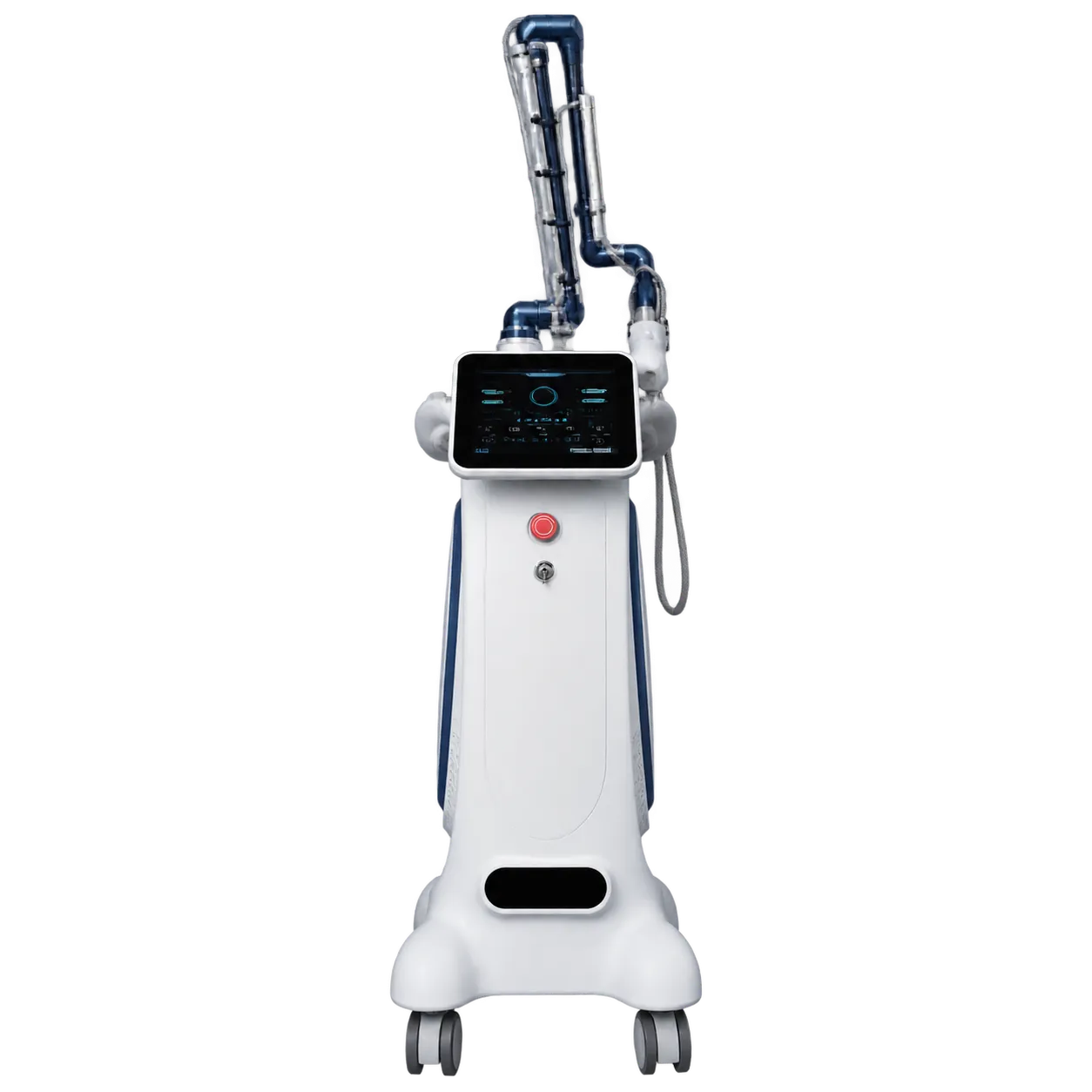
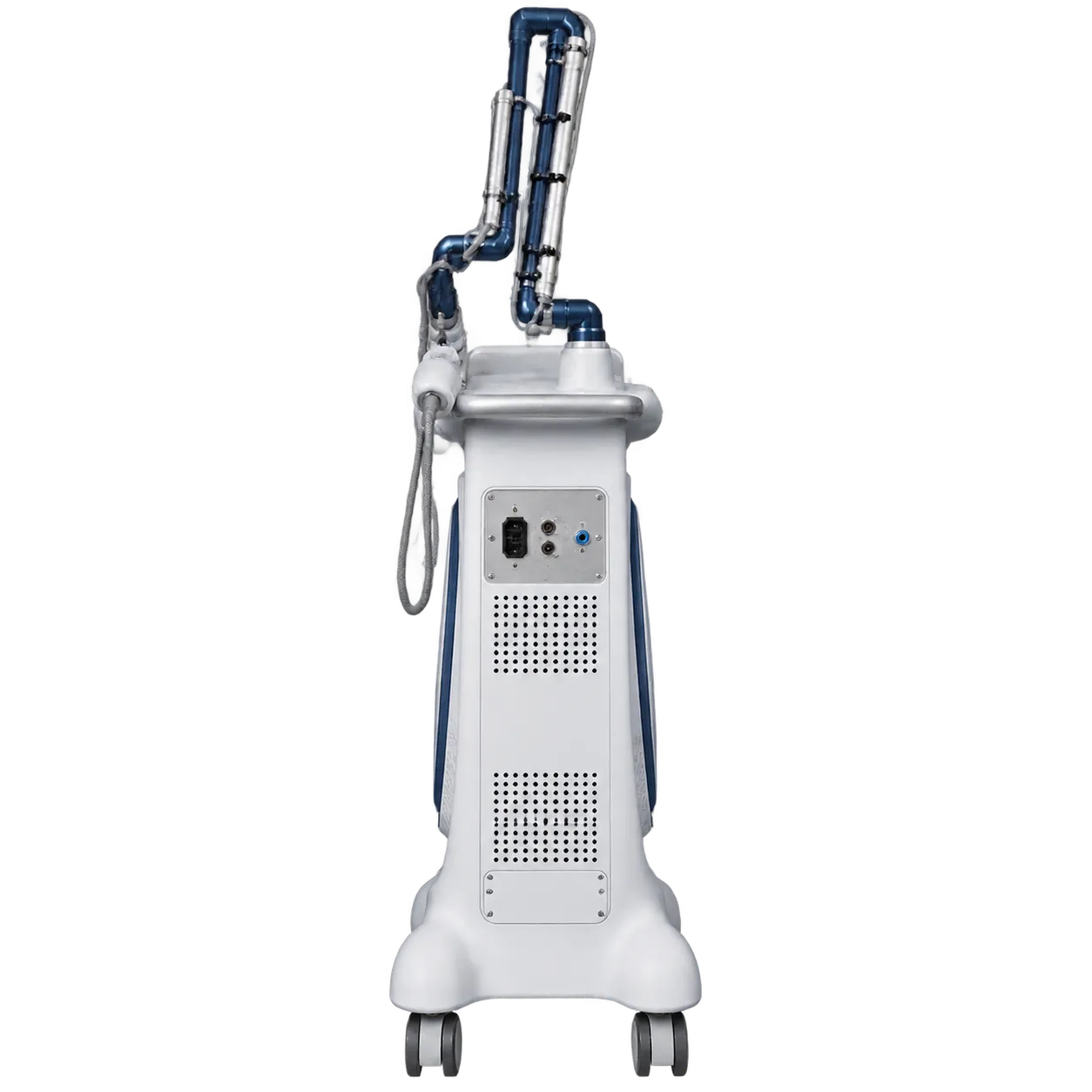
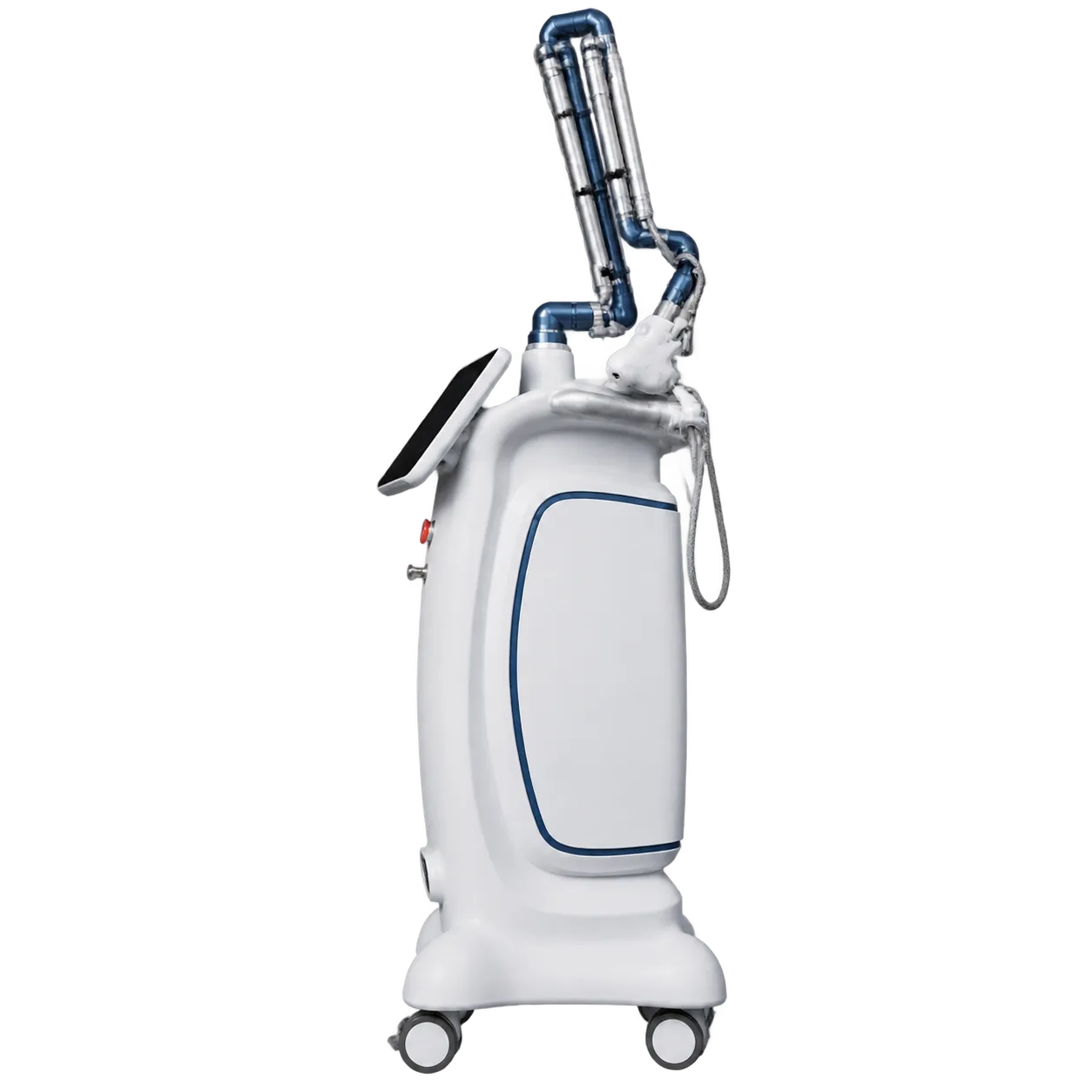
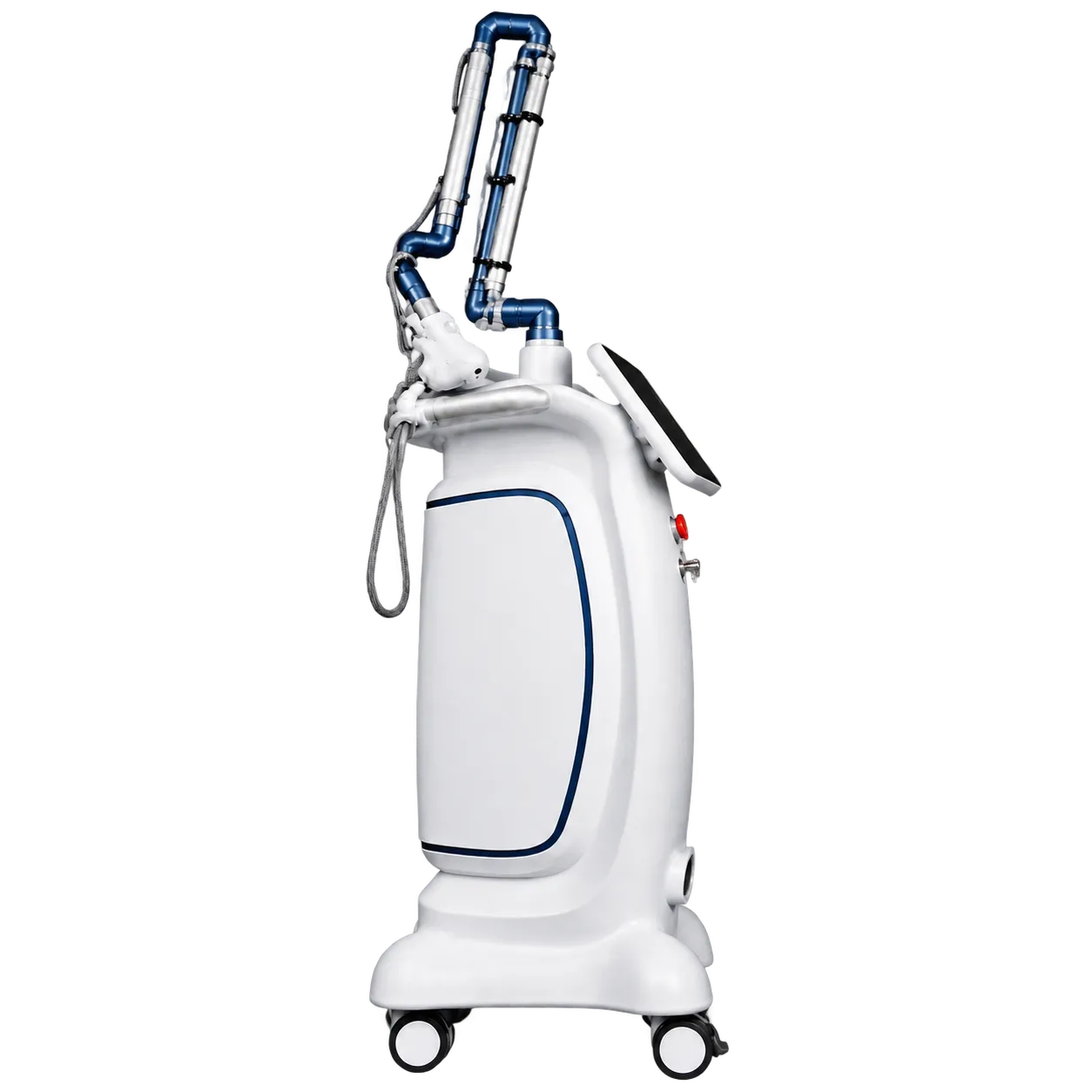
Atrophic acne scarring is the core indication. Rolling and boxcar scars respond to courses of fractional CO2 treatment, and the published evidence supports a real improvement in exchange for pain and several days of visible recovery. Practices treating scars usually plan three or more sessions spaced weeks apart, adjusting dot spacing and energy as the skin responds.
Photo-ageing and texture come next. Fine lines around the eyes and mouth, enlarged pores, and uneven surface texture are standard resurfacing requests, and a denser single treatment or a lighter course can both come from the same settings. Surgical scars and stretch marks are further uses once the operator has experience with the platform. Test patches on a discreet area help new operators judge how a client's skin reacts before committing to a full face, particularly where pigment change is a concern.
Surgery mode, where the unit supplied includes it, extends the tower into excision and vaporisation of benign skin lesions in a medical setting. That work belongs with doctors trained in laser surgery, under the registration that covers surgical procedures.
Suitable settings include doctor-led aesthetic clinics, dermatology practices, cosmetic surgery units, and plastic surgery departments with a laser-controlled room. Obligations follow the tower: a Laser Protection Adviser, local rules, an authorised operator list, 10,600 nm eyewear, smoke extraction and, depending on the UK nation and the procedures offered, registration with the relevant regulator. The conformity documentation required for those registration routes is issued by the manufacturer and provided by the seller.