
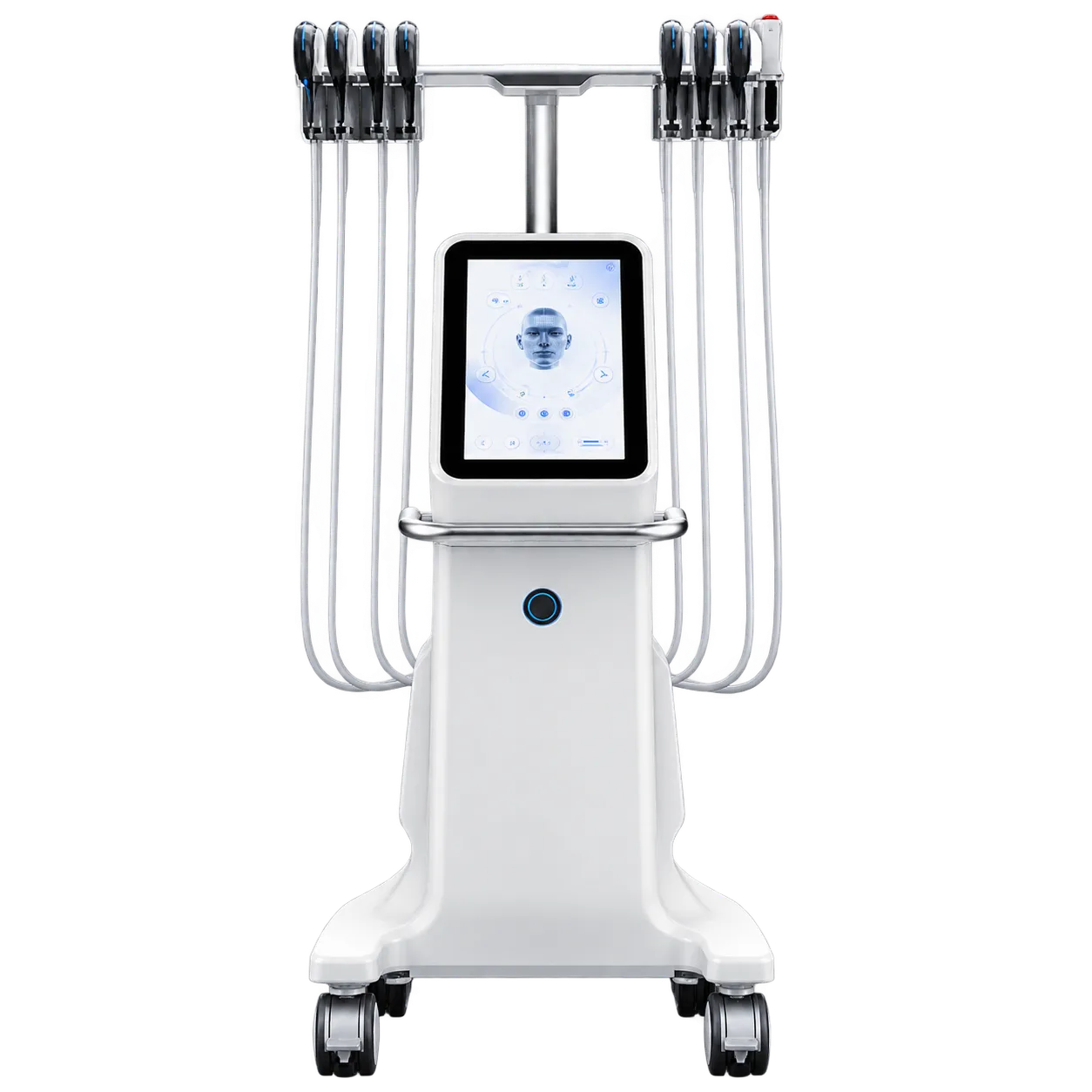
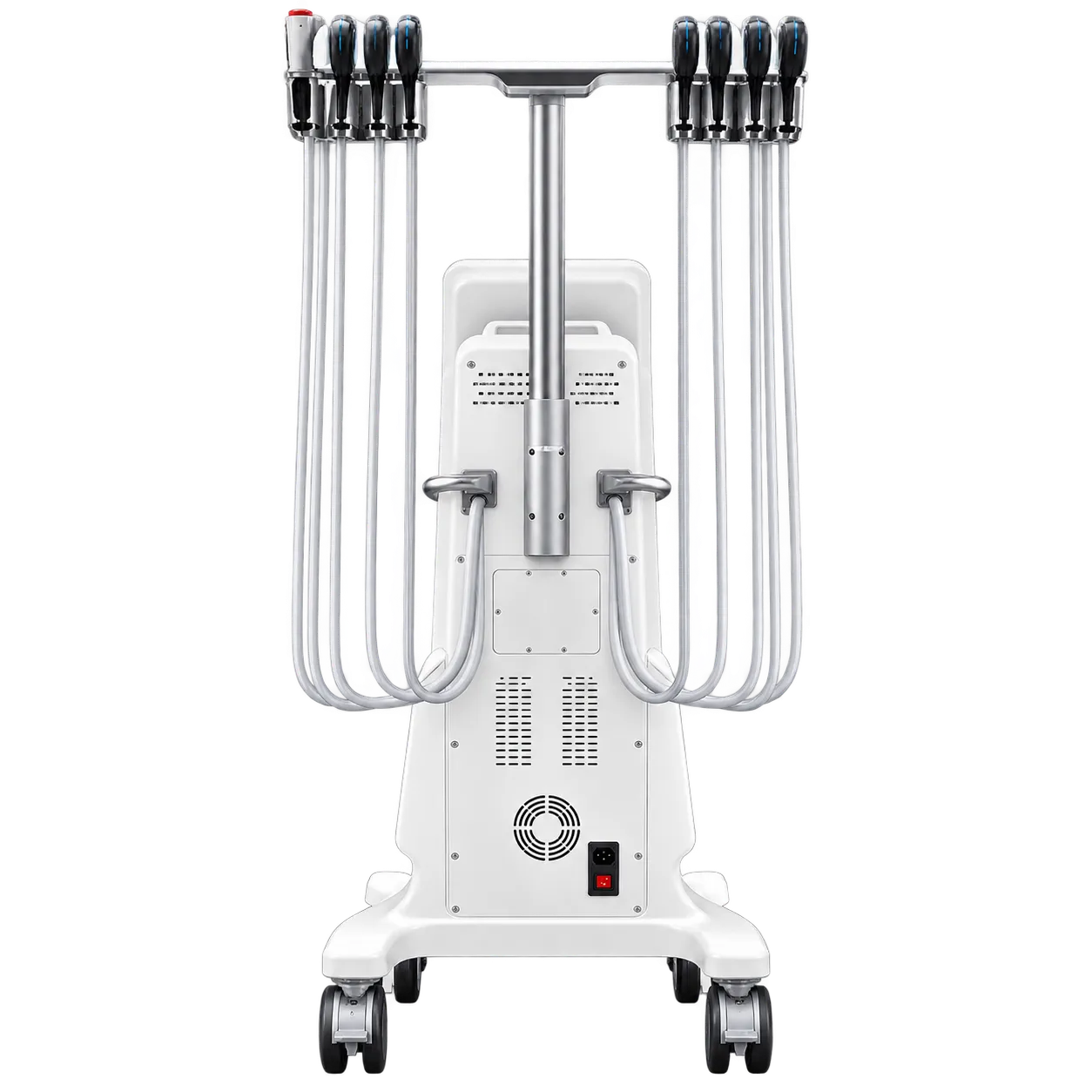
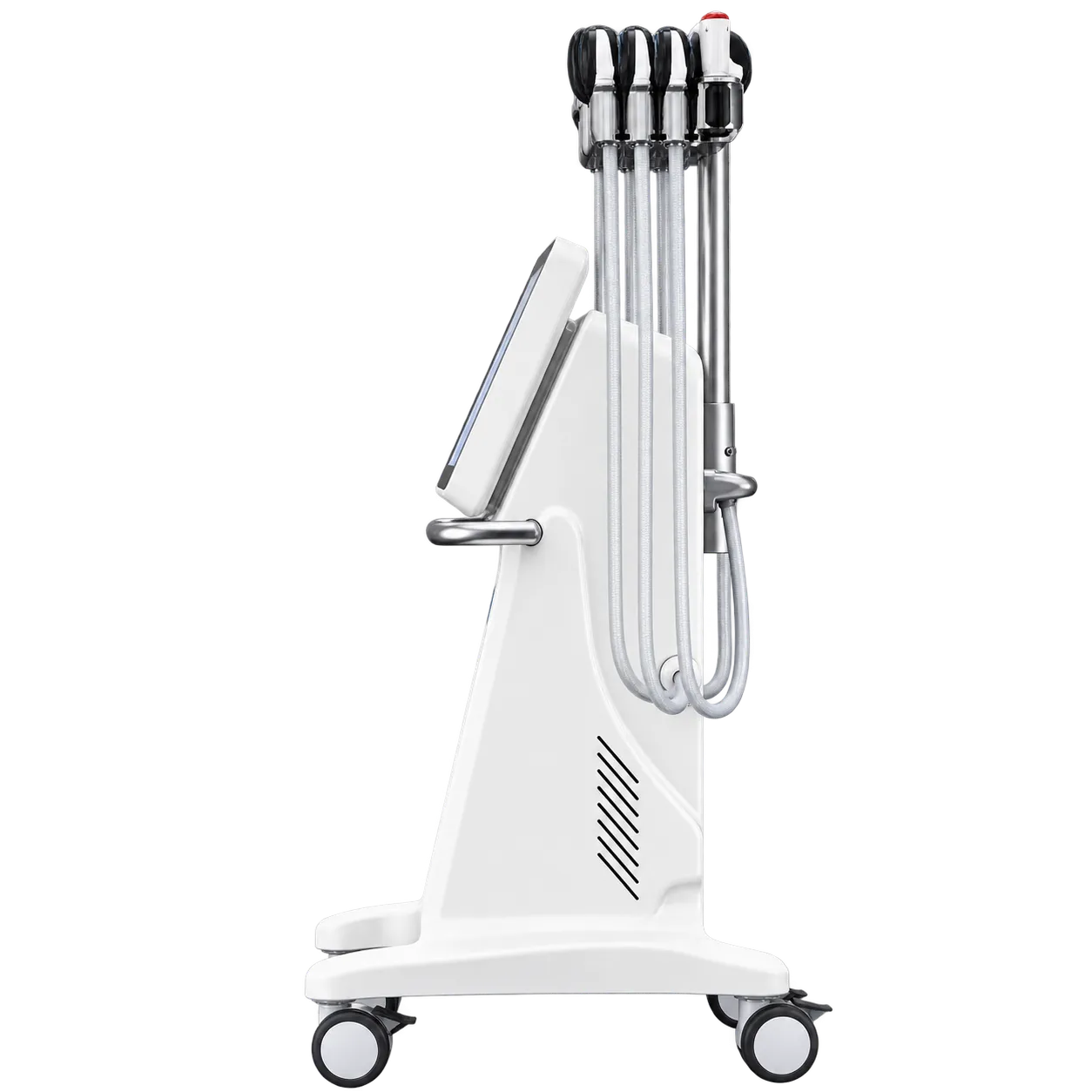
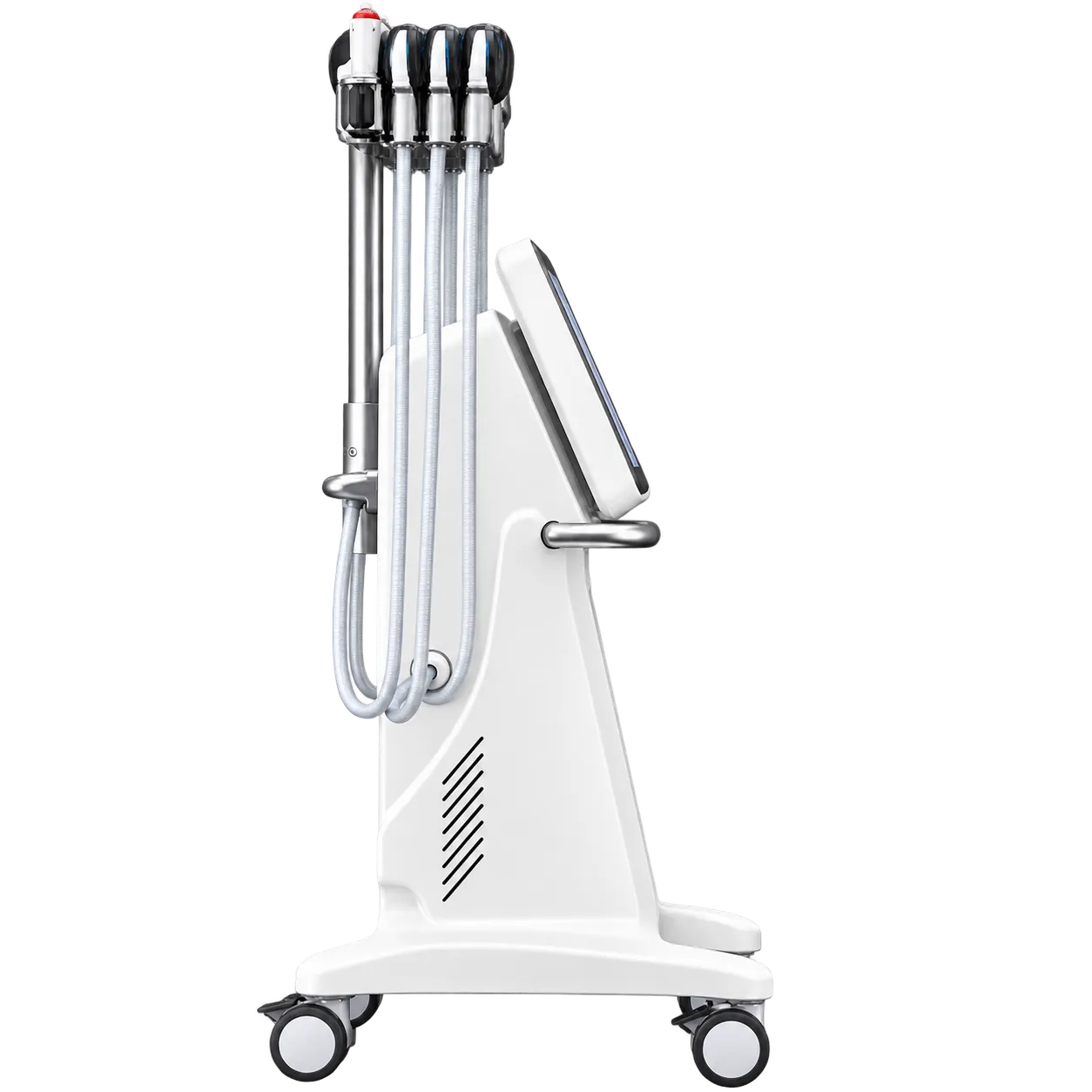
The CLF2 suits aesthetic clinics, skin clinics, beauty salons and medi-spas that sell non-surgical facial rejuvenation and want a needle-free option on the menu. Its target areas are the forehead and brow, the cheeks and midface, the jawline and the area under the chin, where weakened muscle and thinning skin show first. Treatment aims at softer forehead and cheek lines, a lifted brow and midface, firmer skin and better definition along the jaw.
Client selection is where the device succeeds or fails. The strongest candidates are in their thirties to fifties with early laxity, who dislike needles or want to stretch the interval between injections. Clients already having toxin treatments are a natural second group, since a 2024 study examined synchronised stimulation and radio frequency in exactly that population and reported no adverse events. Heavy jowling, significant skin excess and expectations of a surgical outcome are signs to refer elsewhere.
Be plain about evidence at consultation. Published studies are small, short, and often manufacturer-funded, and they report gradual, modest change measured over weeks to months. A course with standardised before-and-after photographs gives the client a fair view of progress and protects the clinic from disappointment. Photographs taken under the same light, angle and expression make small changes visible.
Multi-site aesthetic groups, franchise operators and hospital cosmetic units commonly buy through formal channels that expect documents on file before an order is placed. The conformity documentation those procurement routes require comes from the manufacturer and is shared by the enquiry team.