
Aesthetic clinics use cryolipolysis for localised fat on the abdomen and flanks, the most requested areas. Clients gain the most when they get close to their target weight, because the treatment reduces a defined bulge and does not change overall body weight. Clear photographs and tape or calliper measurements at the first visit make the gradual result visible later, and they settle disputes if a client doubts the change.
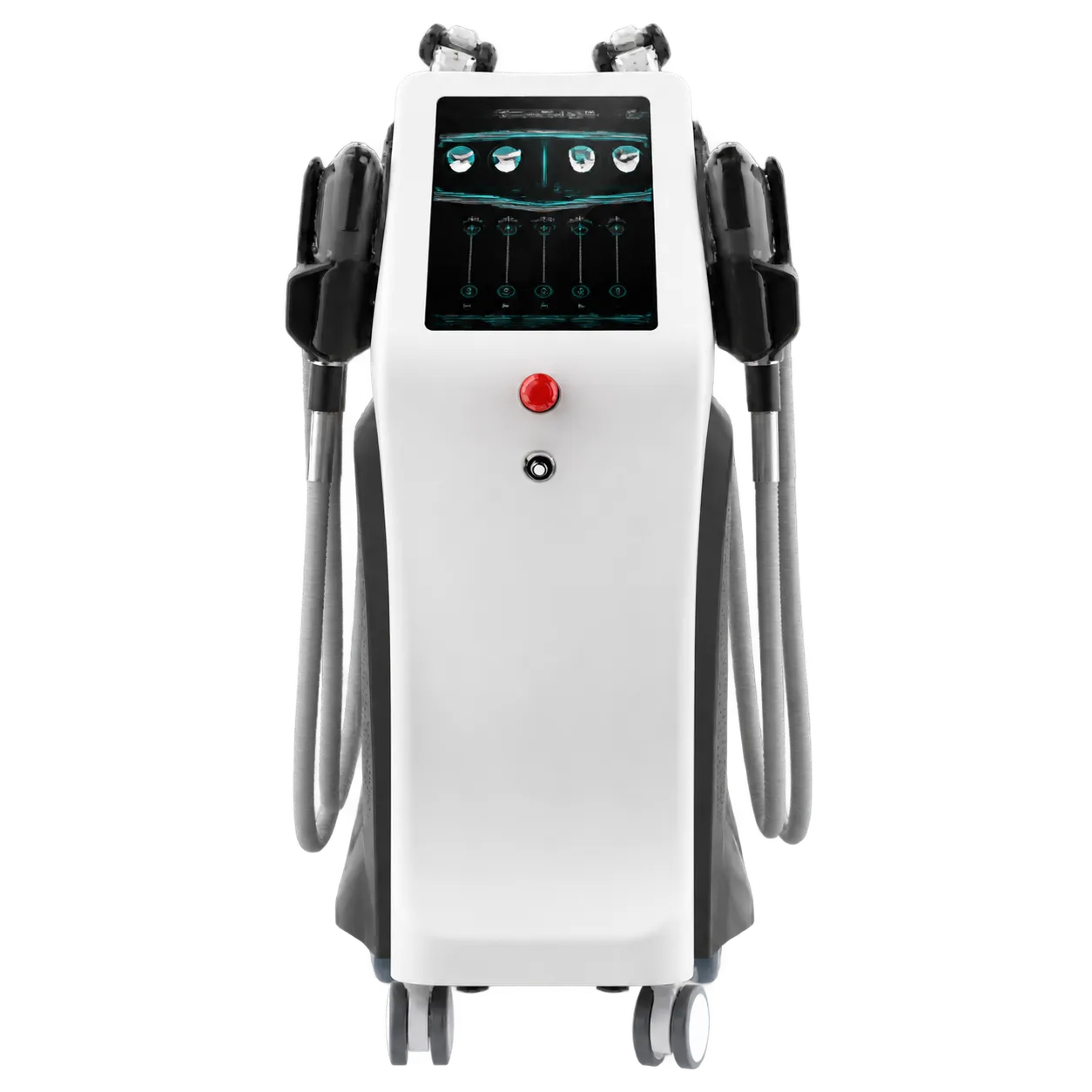
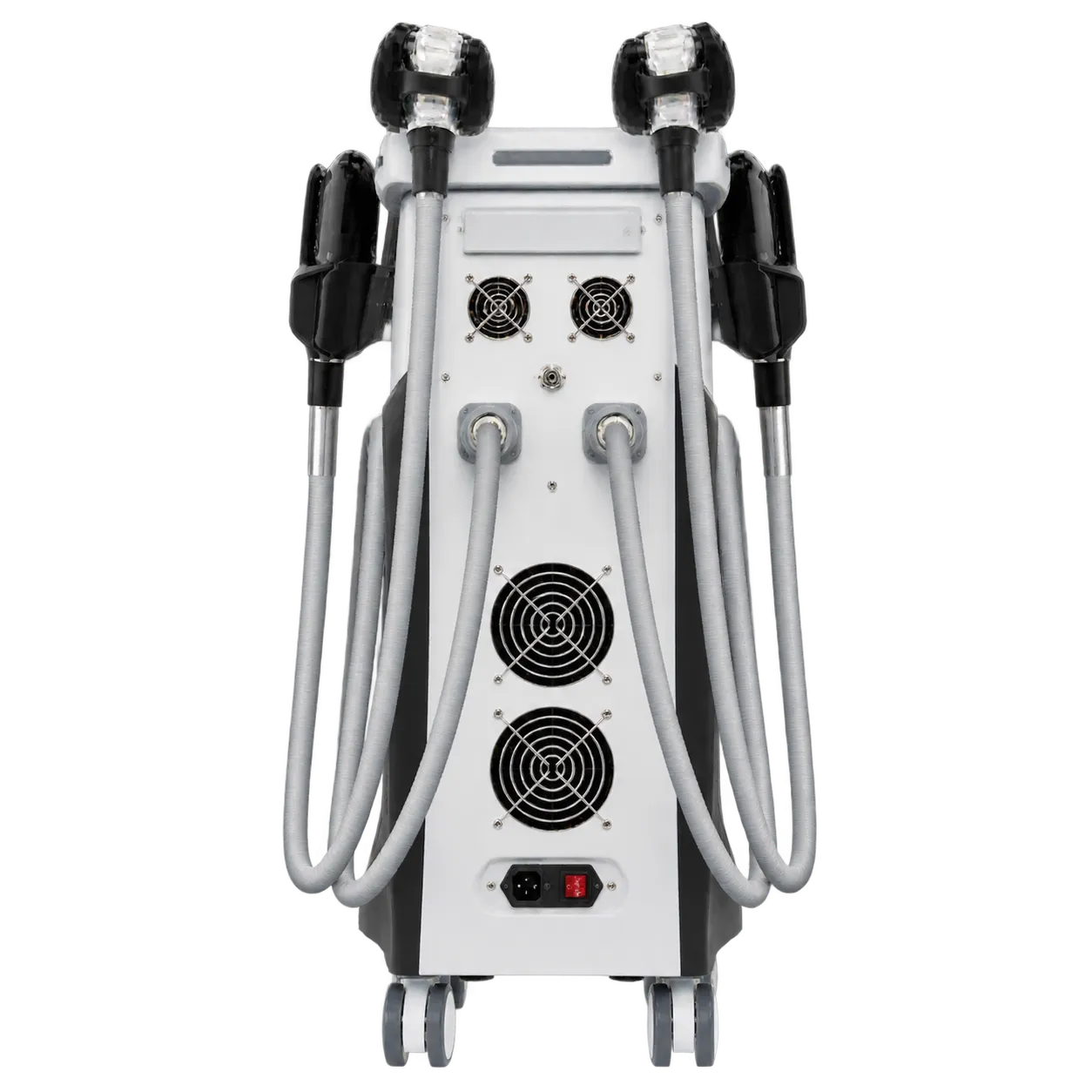
Body contouring studios build packages around several sites per visit. Four handles let an operator treat both flanks, or the abdomen and a thigh, in one appointment, as long as every site stays under observation throughout. Packages priced per area, with the membrane included, keep the offer simple for clients to compare.
Beauty salons with trained operators offer smaller areas such as the upper arms, inner thighs and under the chin. Smaller cups suit these sites, and careful fold assessment determines whether a client is suitable at all. A fold too thin to fill the cup is a reason to decline the site.
Men's grooming and fitness-linked clinics see demand for the chest and flanks. These are also sites where paradoxical adipose hyperplasia has been reported, so consent and follow-up at three and six months matter here.
Doctor-led cosmetic practices can combine cryolipolysis with medical assessment for clients with complex histories, and can manage complications such as nerve pain or paradoxical adipose hyperplasia through referral.
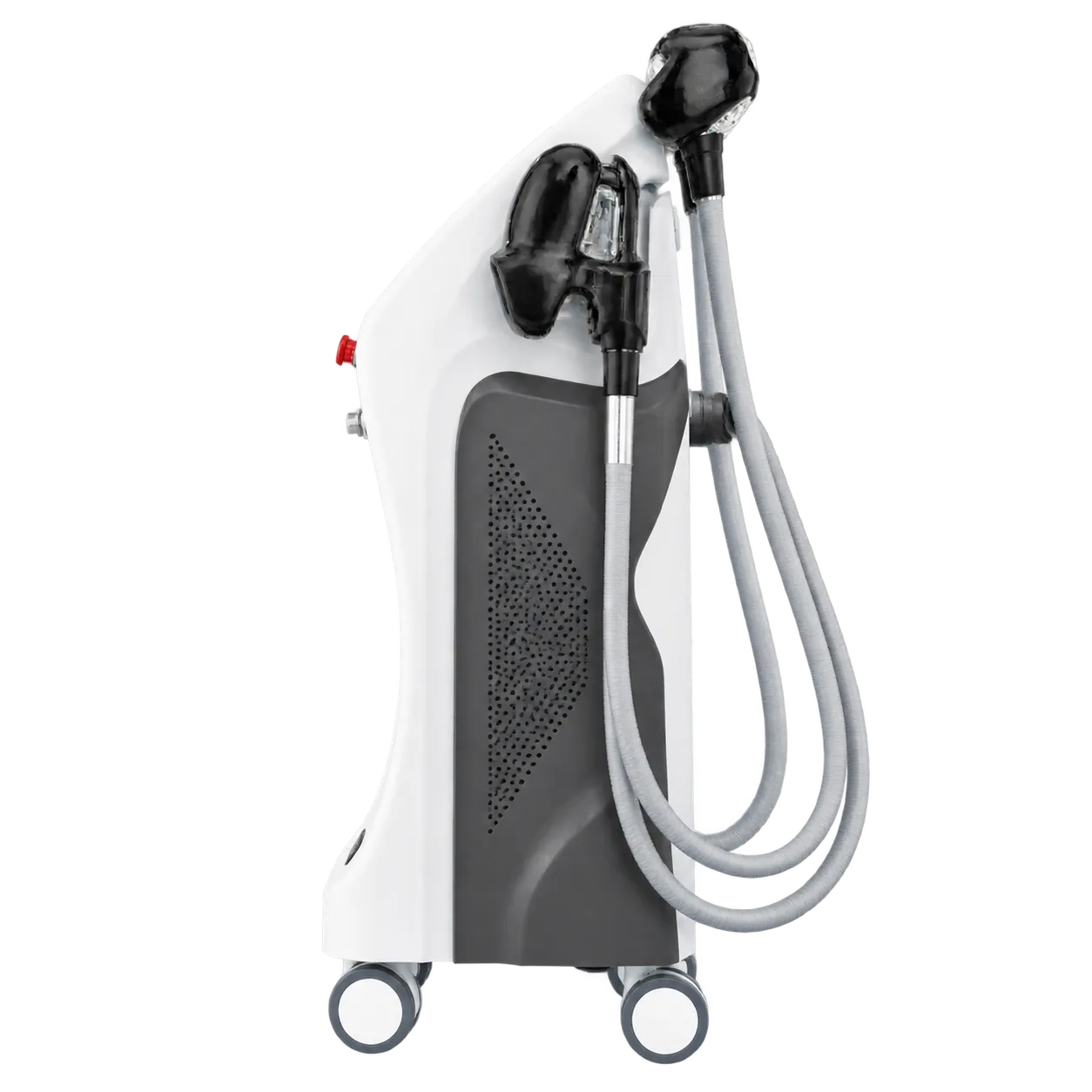
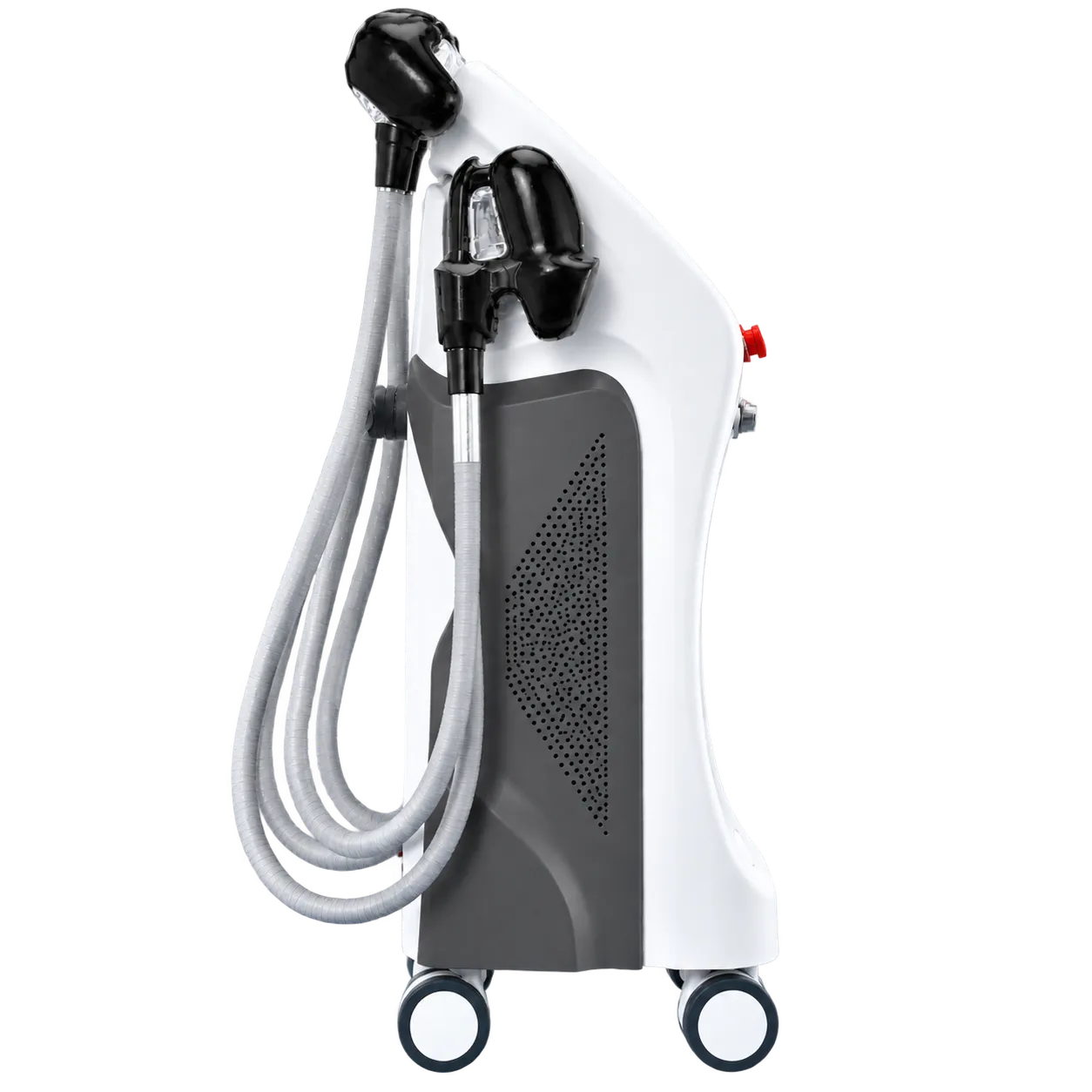
Multi-room practices benefit from the castor base, which lets the tower move to wherever a trained operator and a treatment couch are free. Every room needs a suitable socket and space around the cables for four applicators.