
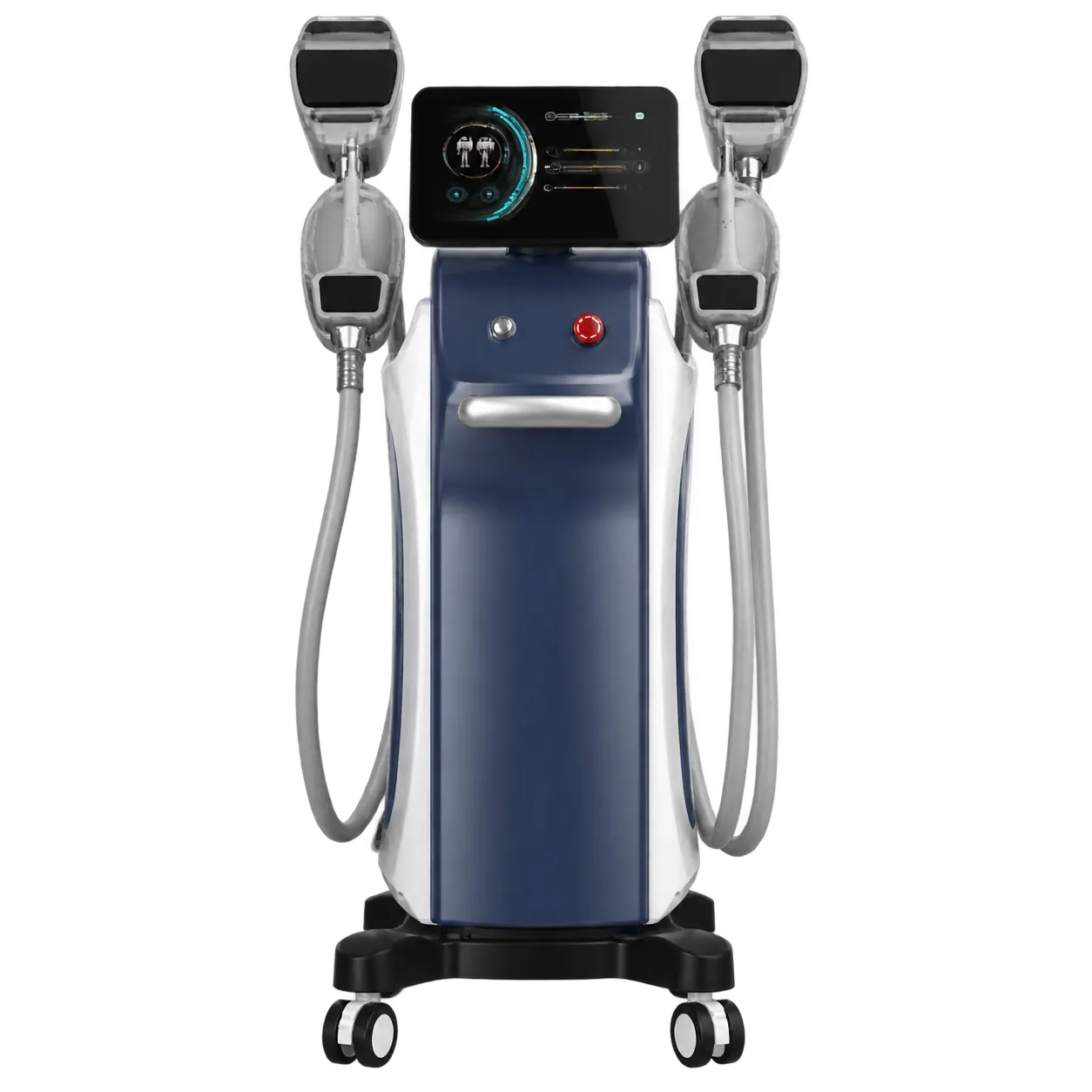
Abdominal contouring is where most courses start. Clients who are already close to their target weight and want firmer abdominal muscle and a slightly thinner fat layer are the realistic audience, and the published trials measured their largest changes in people of normal body mass index. Setting that expectation at consultation keeps satisfaction honest.
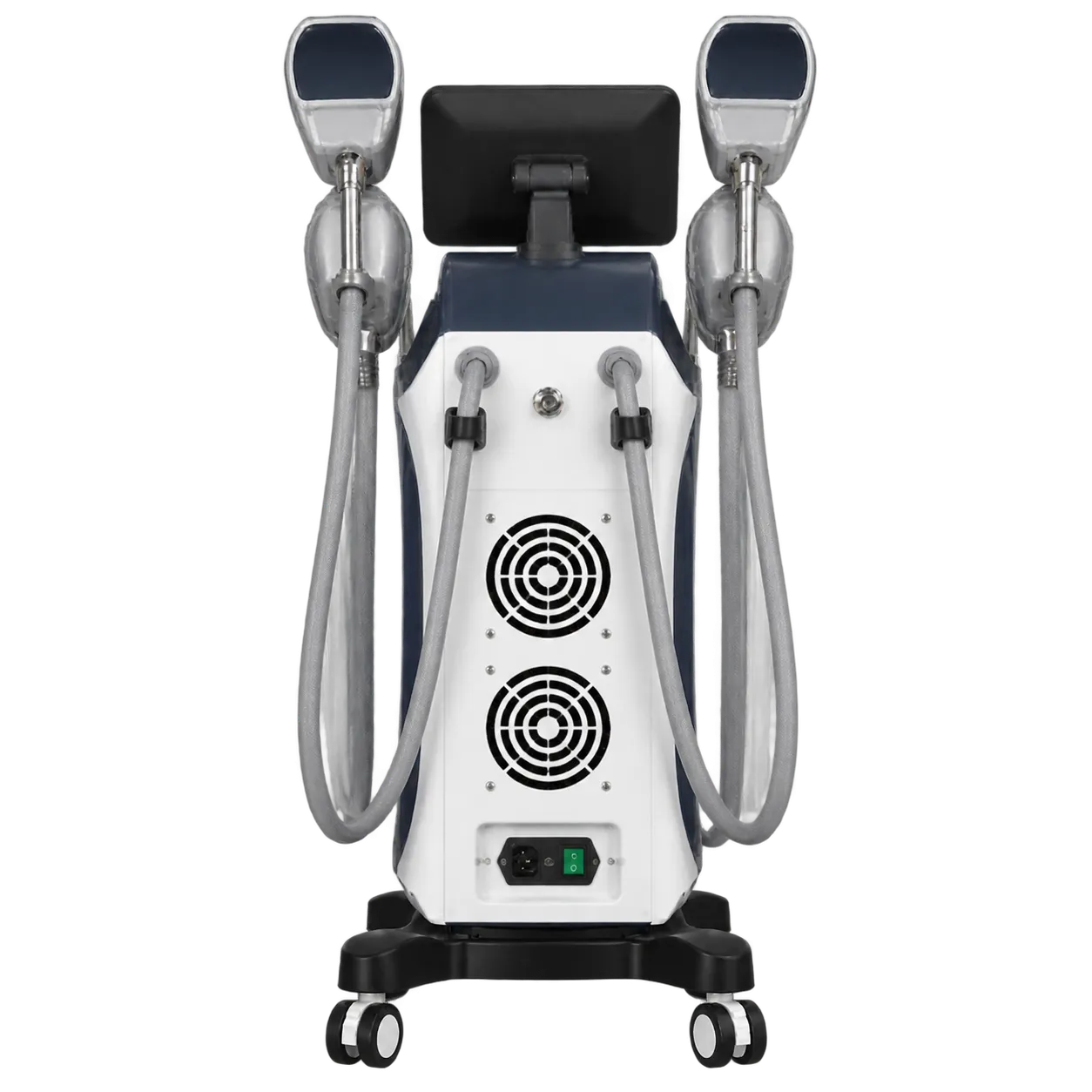
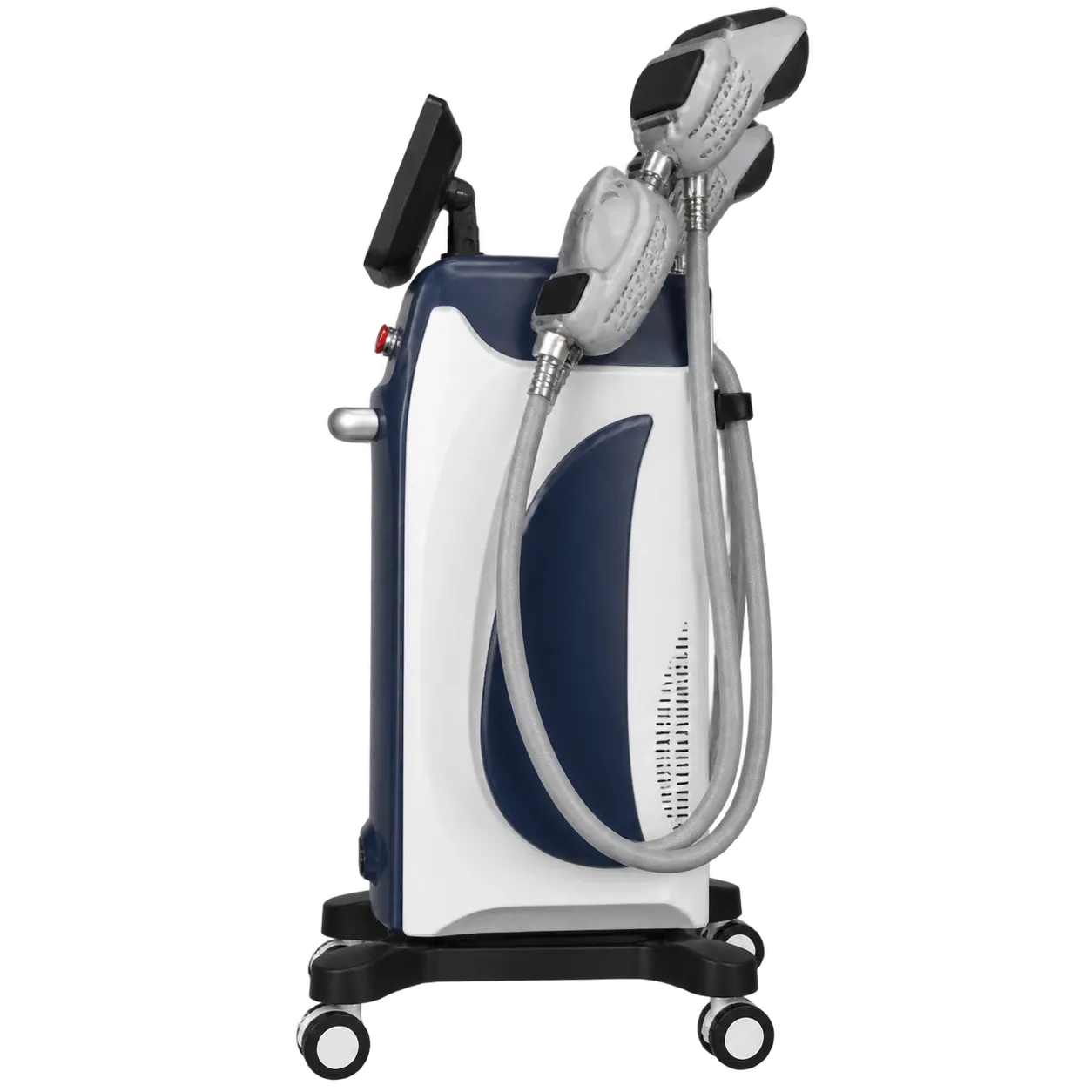
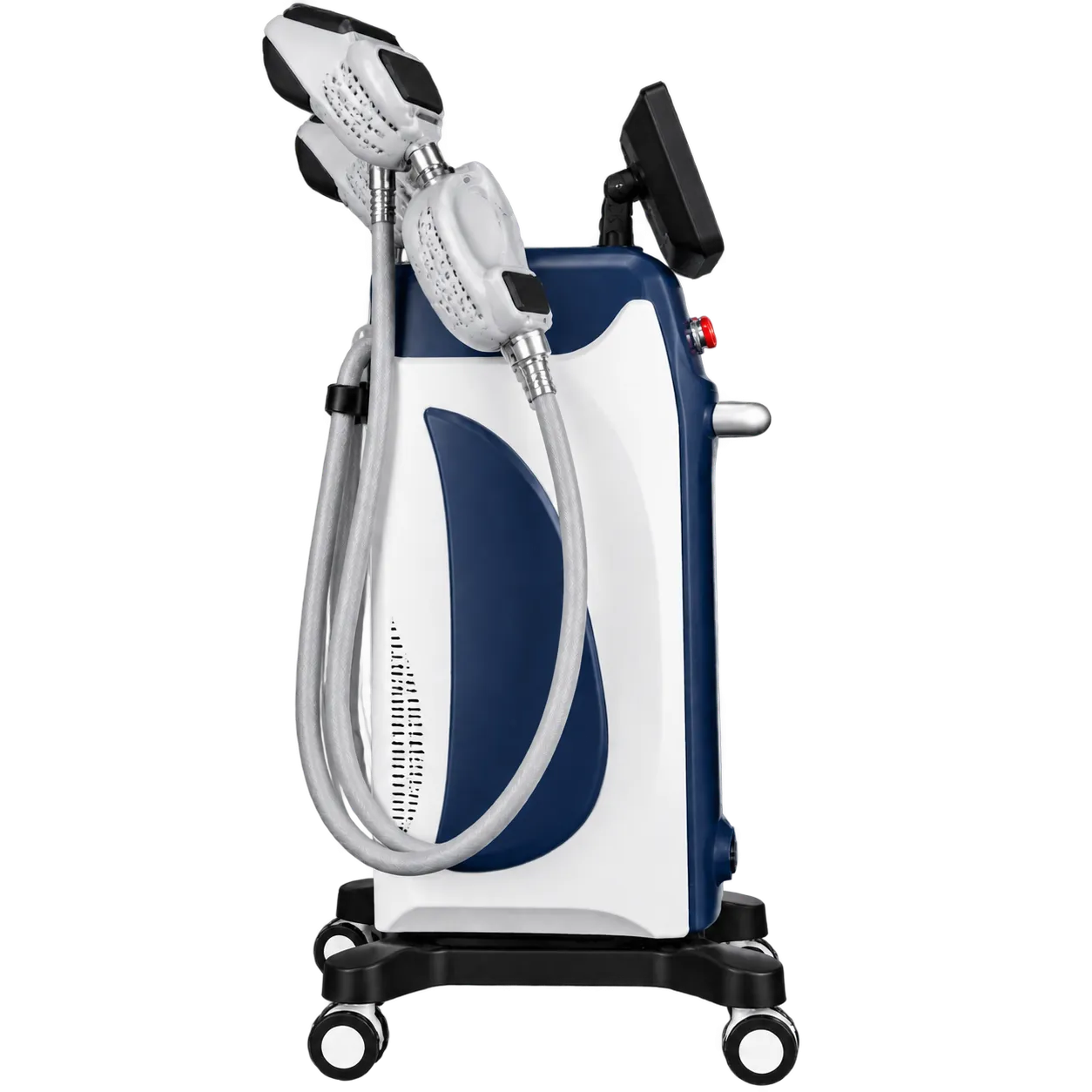
Buttocks and thighs form the second strand. With four applicators, an operator can place two over the gluteal muscles or the front of both thighs and run them together, which suits clients booking lower-body courses. Arms and calves are smaller targets, and applicator size decides whether they can be treated comfortably, so check the applicator dimensions before advertising them.
The strongest fit is a practice that already runs a structured body contouring menu with consultation, screening and measured follow-up. Aesthetic clinics, cosmetic surgery units offering non-surgical lists, physiotherapy-led body studios and larger salons with a trained operator on every shift are the settings that suit it. A medical spa can also integrate it alongside its skin menu, provided clients complete screening forms before every course.
It is a poor fit for weight loss programmes, for clients with implanted electronics or metal near the treatment area, and for any practice planning to leave clients unattended during treatment. Obligations follow the unit into the building: an exposure assessment under the 2016 electromagnetic fields regulations, electrical safety testing, operator training under PUWER and a written screening procedure. The manufacturer issues the conformity documentation required by these procurement and inspection routes, and the seller provides it.