
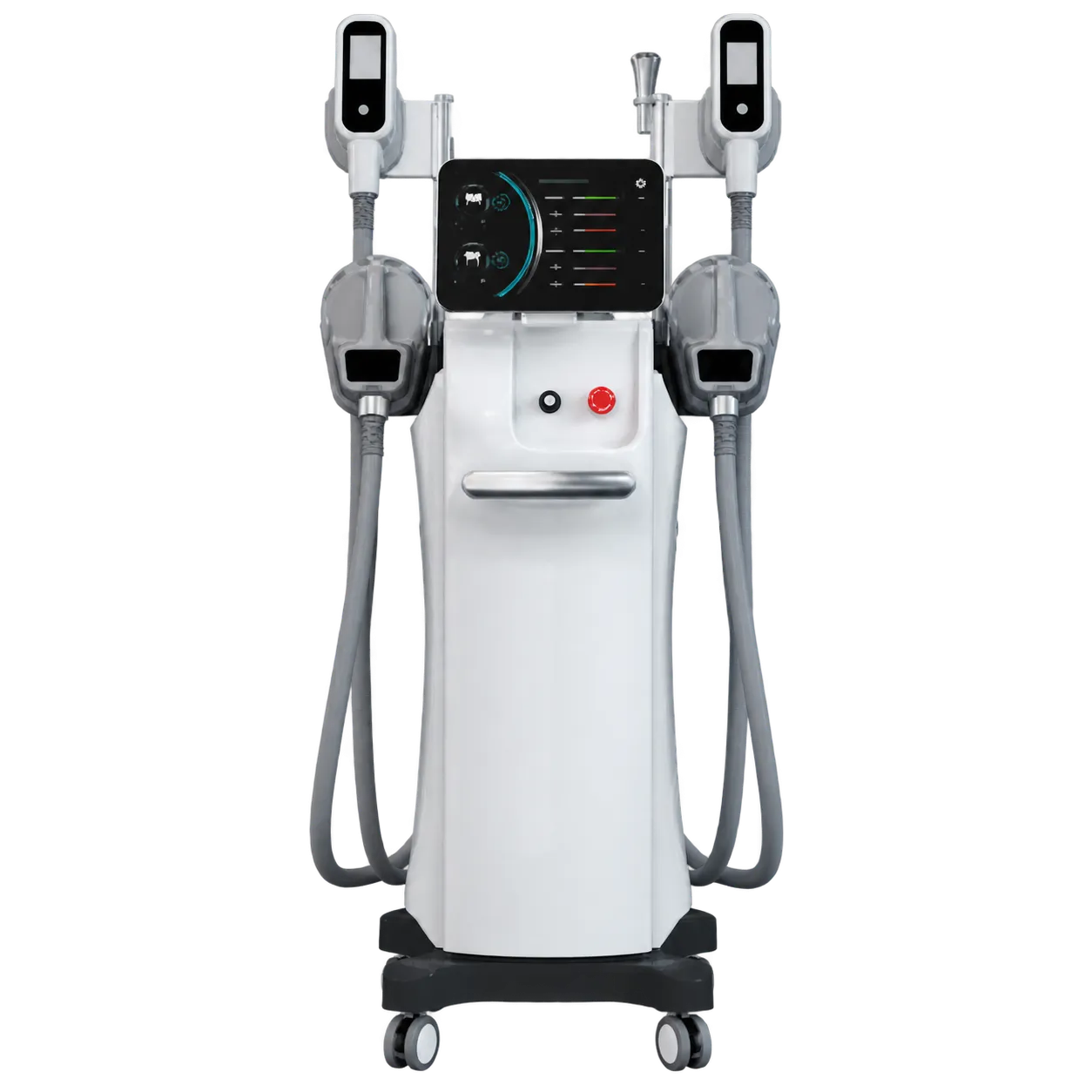
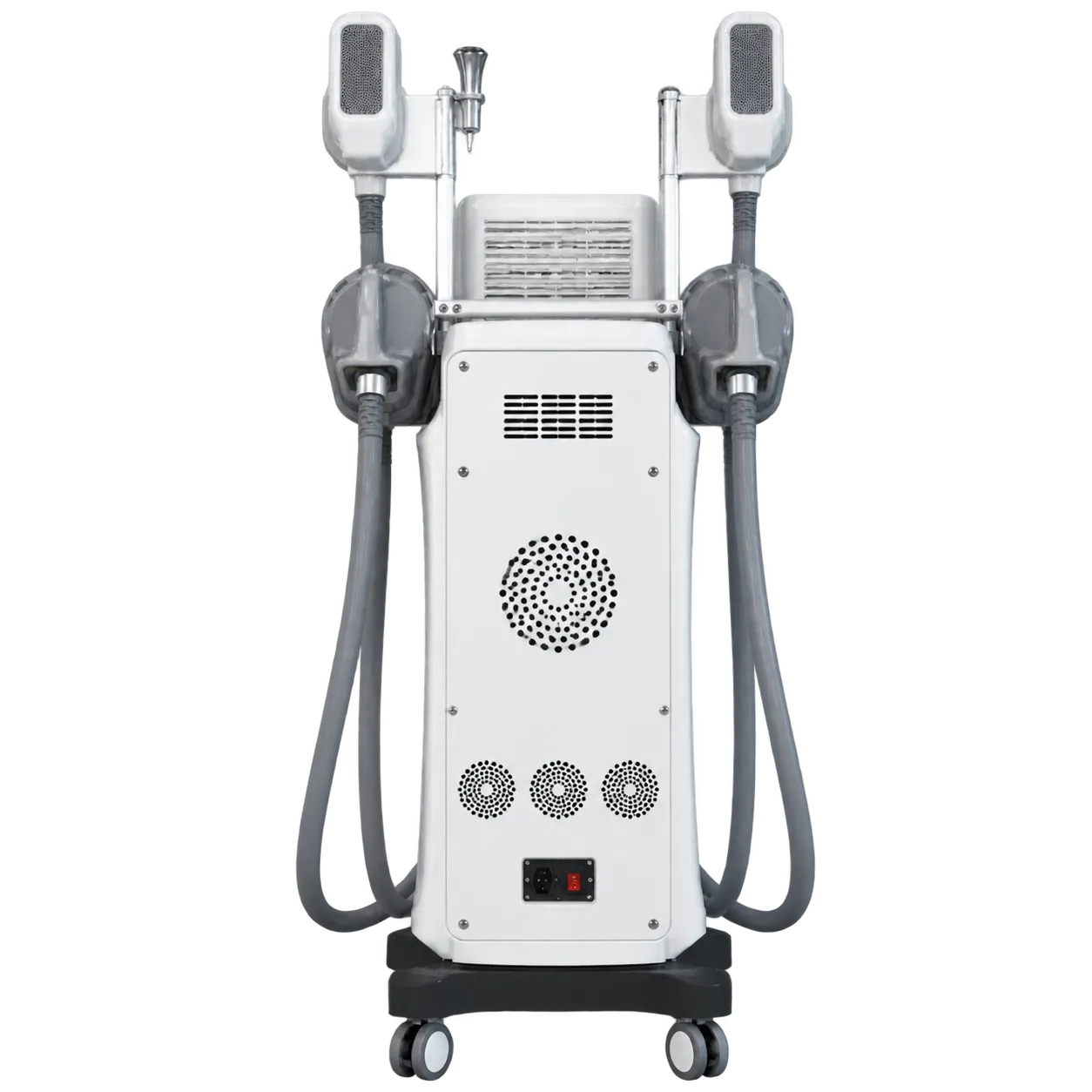
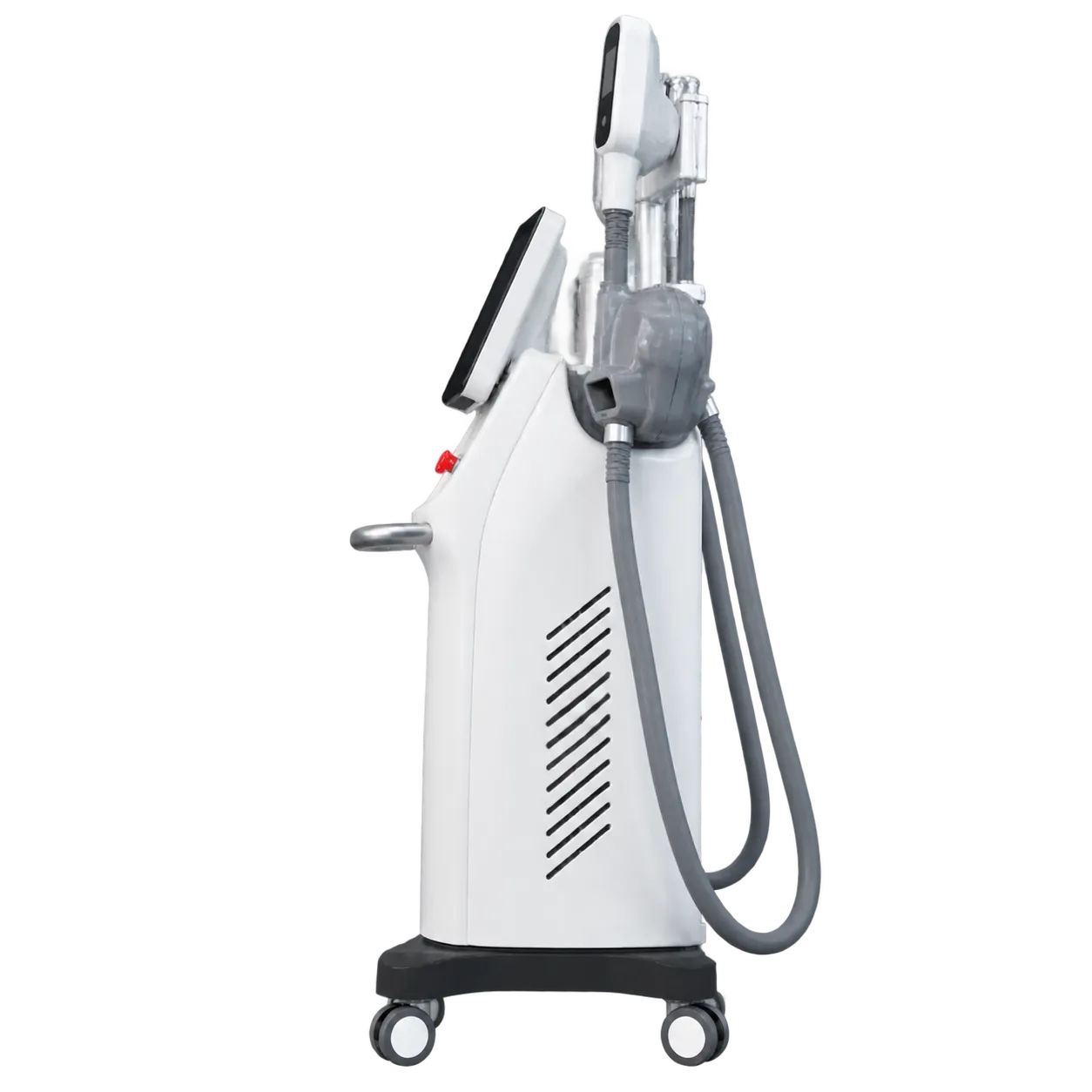
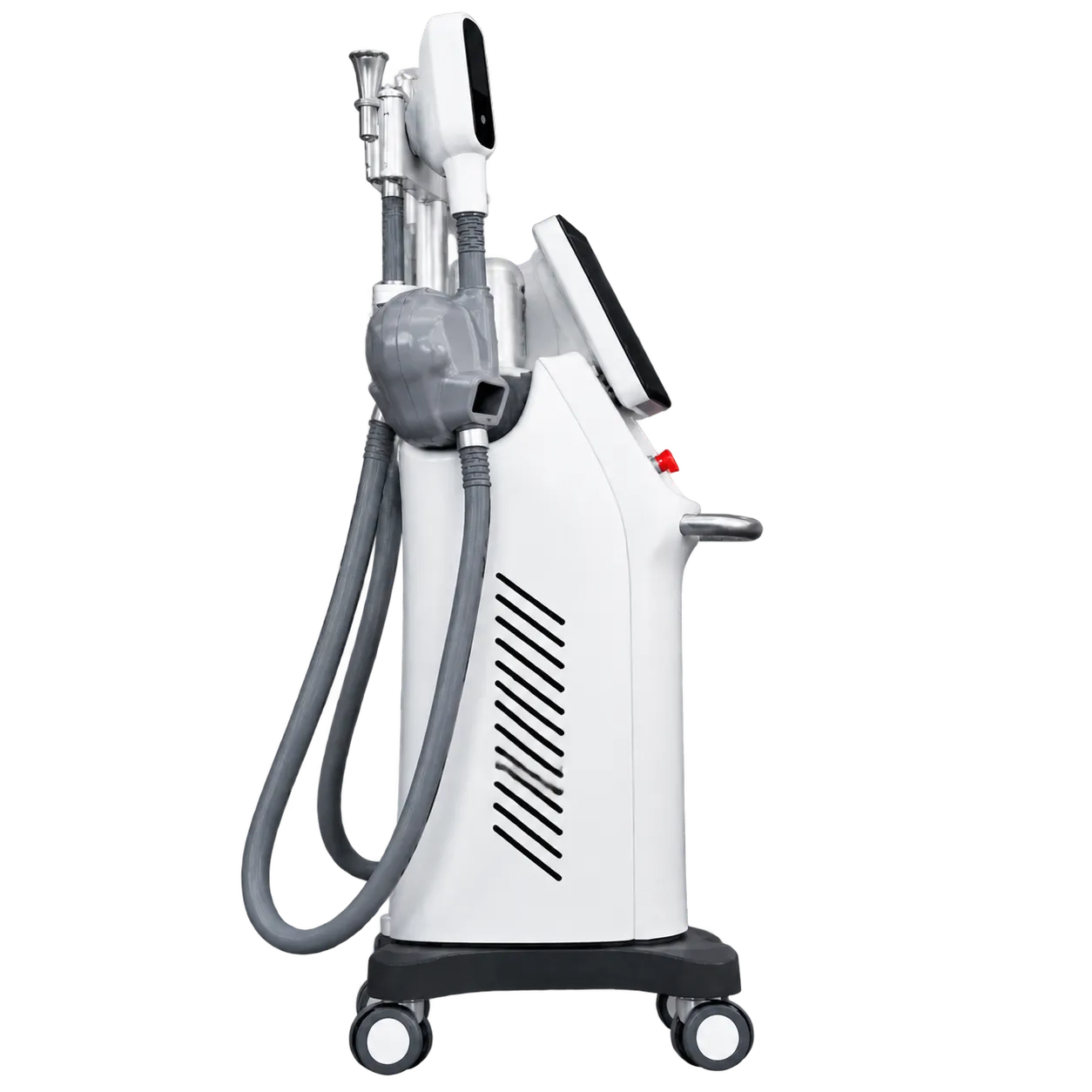
A floor-standing tower like this suits medspas, aesthetic clinics, and body treatment studios with a dedicated room for sculpting courses. The broad applicators look sized for the waist, abdomen and buttocks, and the upright handles for limbs such as the arms and thighs, though the applicator list is still to be confirmed.
Toning and definition courses are typically booked as a short series of visits a few days apart, with photographs and measurements at the start and end. The best-suited clients are already close to their target weight. Anyone hoping for weight loss should be redirected at consultation, since the published studies report no change on the scales.
Safety planning comes before the first booking. The room needs a written procedure for stopping a session, covering the red front button, any hand-held client stop, and what staff do if an applicator slips or a client feels unwell. Screening questions about implanted devices, metalwork and pregnancy belong on the consent form and are repeated at every visit. If magnetic stimulation is confirmed, staff exposure to pulsed fields needs assessment under the 2016 electromagnetic fields regulations.
Mobility helps clinics that share one tower between rooms. The four-caster base lets the tower follow the diary, provided each room has a suitable socket and a clear cable route.
Overseas buyers generally meet parallel electrical, cosmetic and workplace requirements in their own jurisdictions. The conformity documentation required for those purchasing routes is issued by the manufacturer and provided by the seller.