
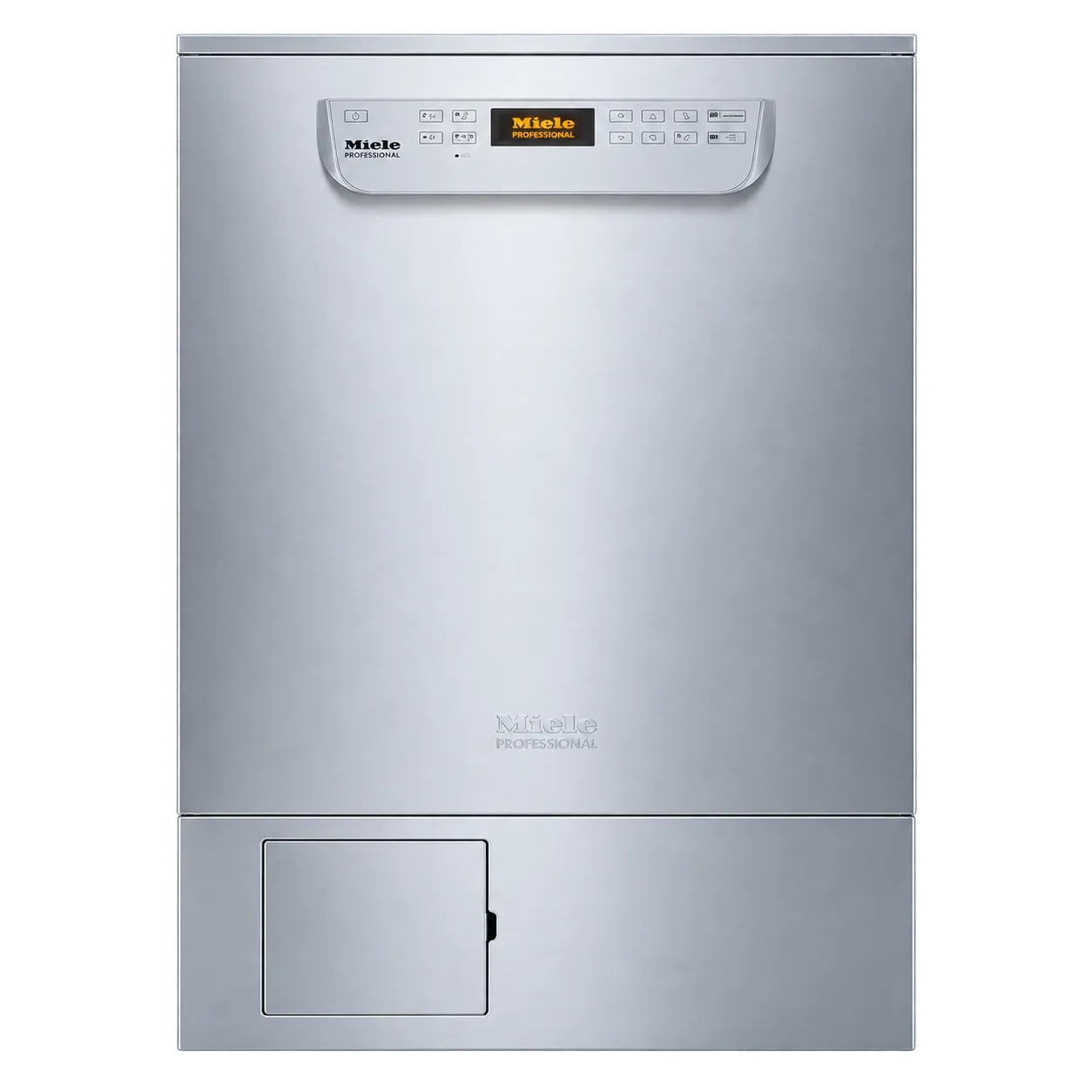



The PG 8593 serves laboratories that handle recurring loads of reusable vessels with different internal shapes. Its active drying system is especially valuable for workflows involving narrow-neck flasks and pipettes, where the inside surface is part of the reprocessing task. Selected injector carriers direct the process media into these vessels while supporting them throughout the sequence.
In analytical chemistry, the washer handles compatible measuring vessels, beakers and sample containers through programmes matched to their residues and material. Separate cleaning and rinse blocks manage chemical exposure and remove wash solution. The demineralised-water connection supplies the final-rinse stages, and a factory-fitted conductivity option monitors dissolved conductive substances in that water. This combination suits laboratories that define a repeatable treatment for each established load.
Biological research and teaching laboratories can use the thermal-disinfection stage as part of their glassware process. Programmable temperatures and holding times let the sequence match the temperature tolerance of the selected items. A dedicated Plastics programme accommodates suitable laboratory plasticware, while specialised programmes address pipettes, organic residues and inorganic residues. Laboratory technicians use the daily programme controls. Programme administration sits behind code-protected settings.
Industrial quality-control departments benefit from linking a configured load to its recorded cycle. Internal reports preserve programme identity and process values for later review, with optional interfaces supporting external records. Within a shared laboratory, assignable selection buttons keep established programmes readily accessible. The chamber, carriers and drying phase work as one reprocessing arrangement, supported by scheduled filter, dosing and water-system upkeep.