
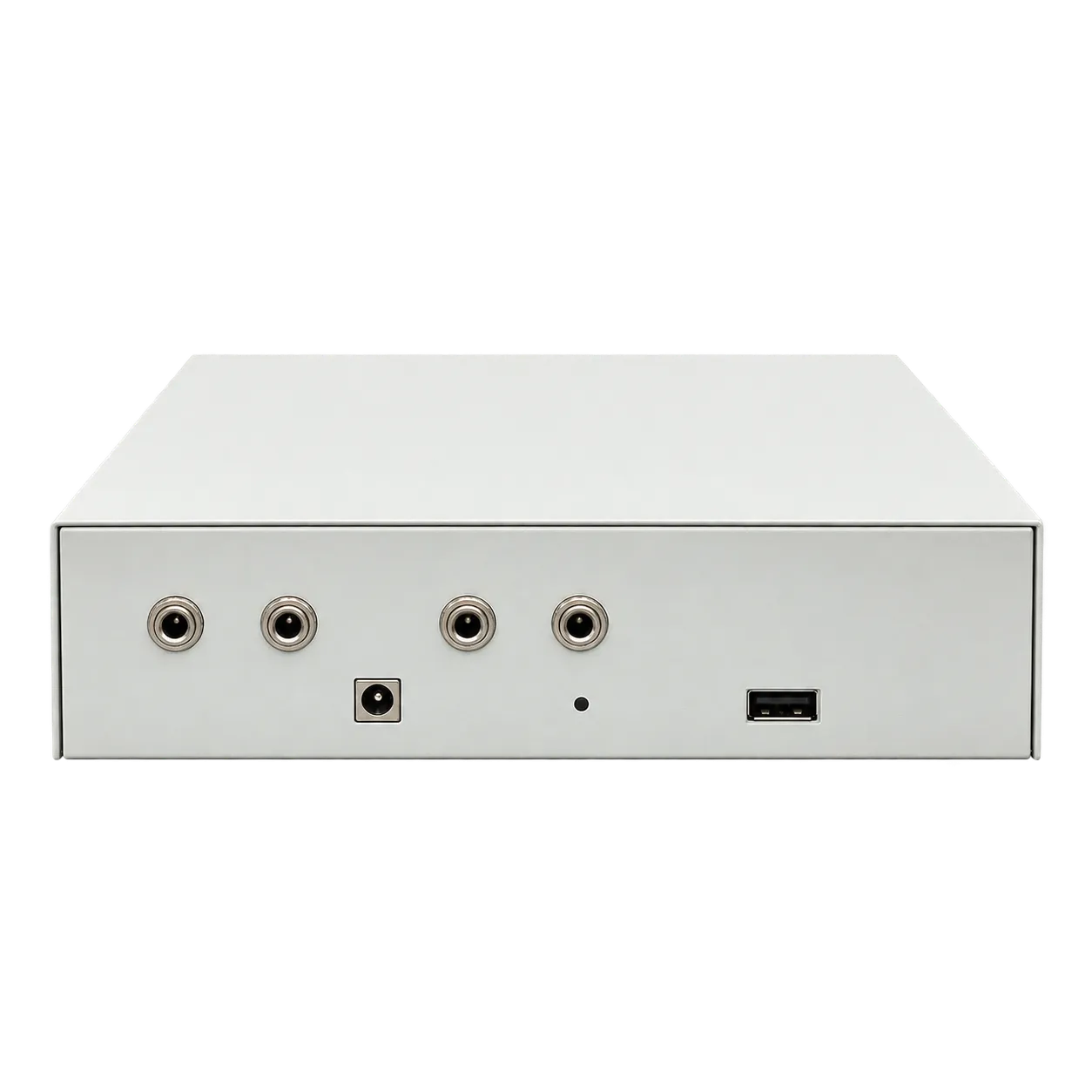
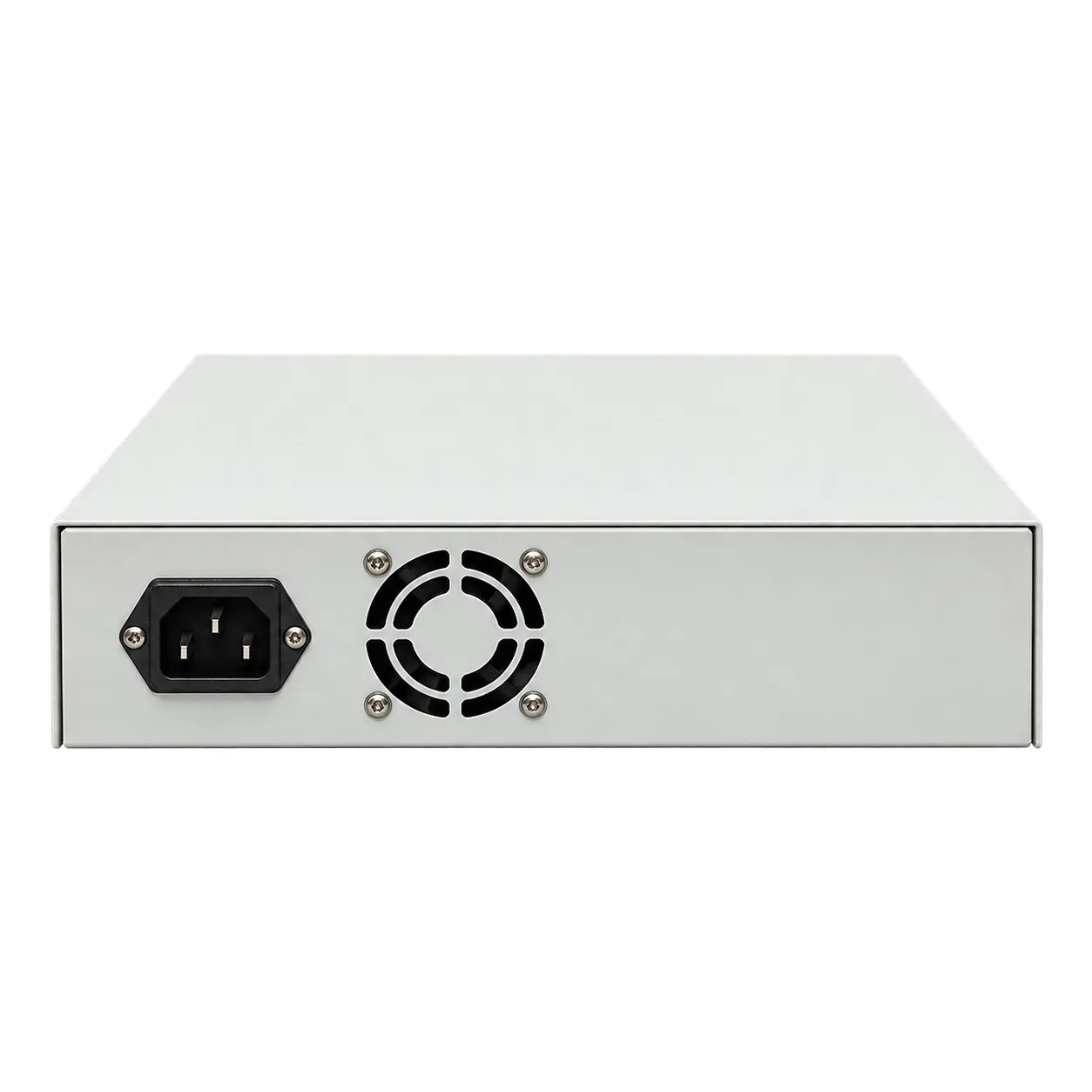
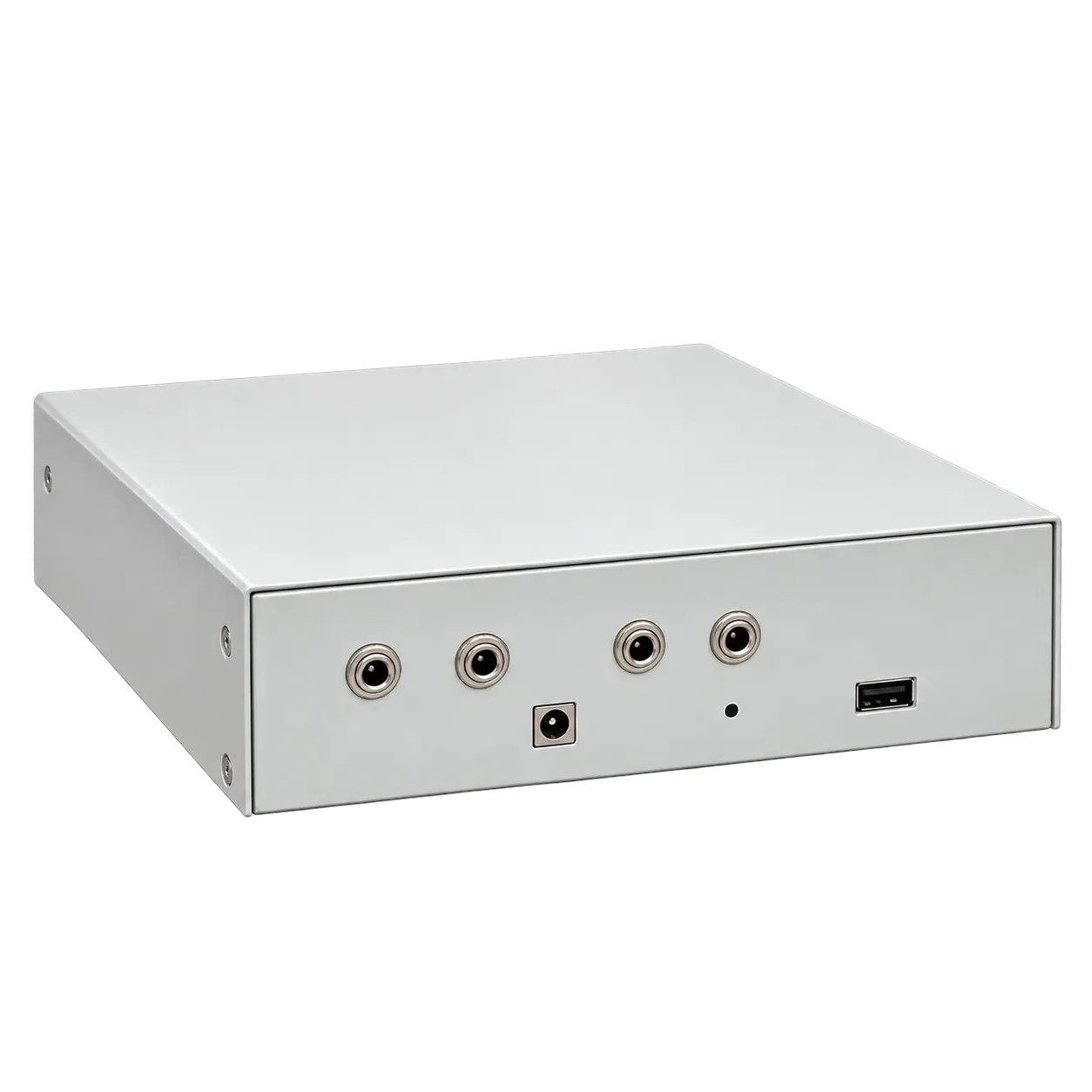
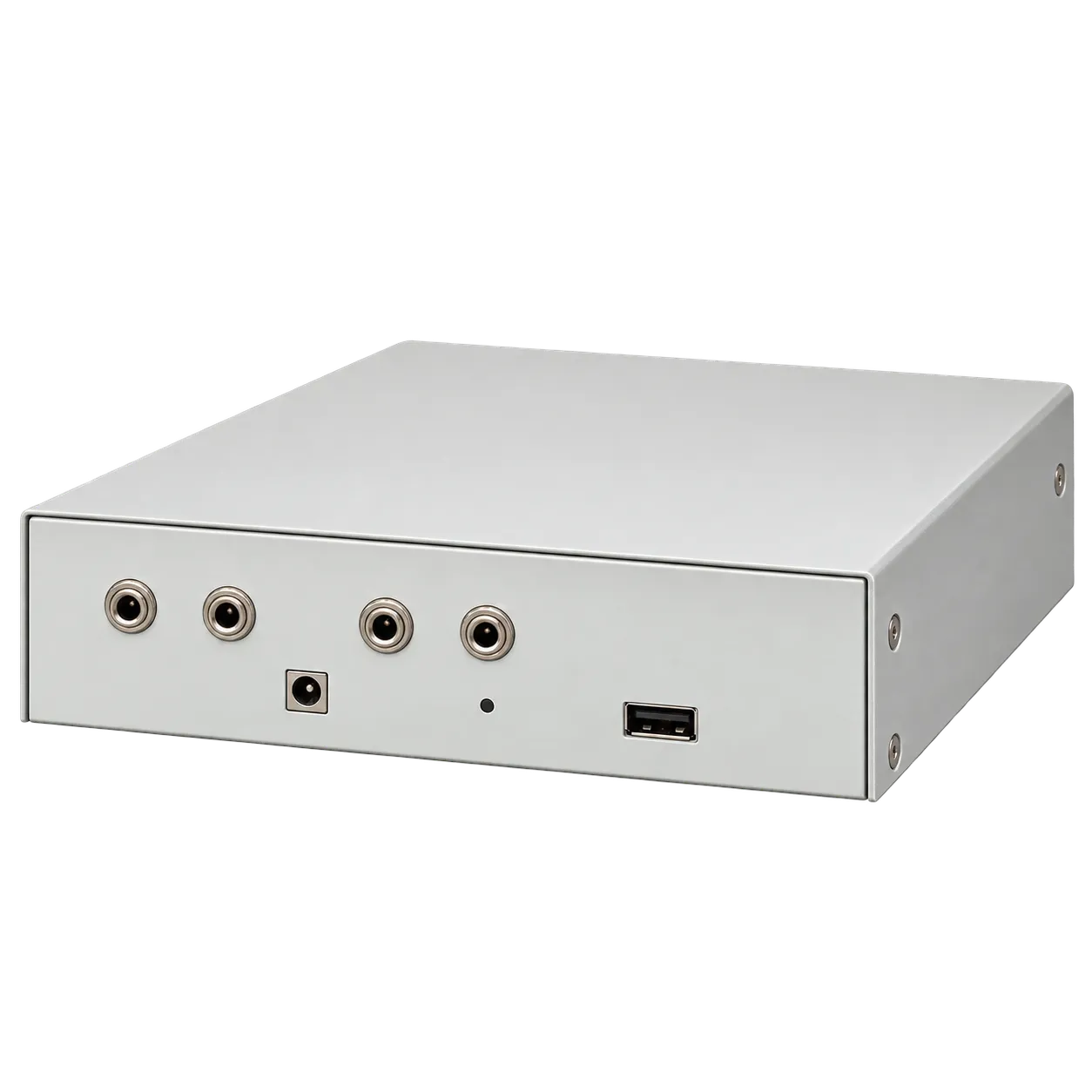
Several LUVXOM carts list a portable power bank among the equipment they carry, and none of those sheets says which pack it is or how it is powered. This is presumably the answer. A cart-mounted computer tied to a wall socket stops working the moment the trolley moves, which on a ward round is precisely when it is needed. Eight to ten hours of stated endurance covers a full shift, with no mains lead trailing behind the trolley.
The chemistry choice deserves weight in a clinical decision. Lithium iron phosphate is markedly less prone to thermal runaway than the cobalt-based chemistries in laptops and phones. On equipment parked beside patients overnight, that is a meaningful safety property rather than a specification detail. The five listed protections reinforce that, covering cell temperature and the management board as separate paths rather than lumping them together.
Two practical matters need settling before deployment. The pack weighs about 4 kg, which adds directly to whatever a cart already carries, and several LUVXOM trolleys have load ratings in the 30 to 50 kg region that this eats into alongside the computer, the printer and the stock. And at 8 W, the pack sits well above the thresholds governing lithium battery carriage, so it moves as dangerous goods rather than ordinary freight, which affects both lead time and how it can be shipped.
Medigear.uk handles the shipping classification, obtains the test documentation and confirms the mounting arrangement before this portable medical power bank reaches a ward.