
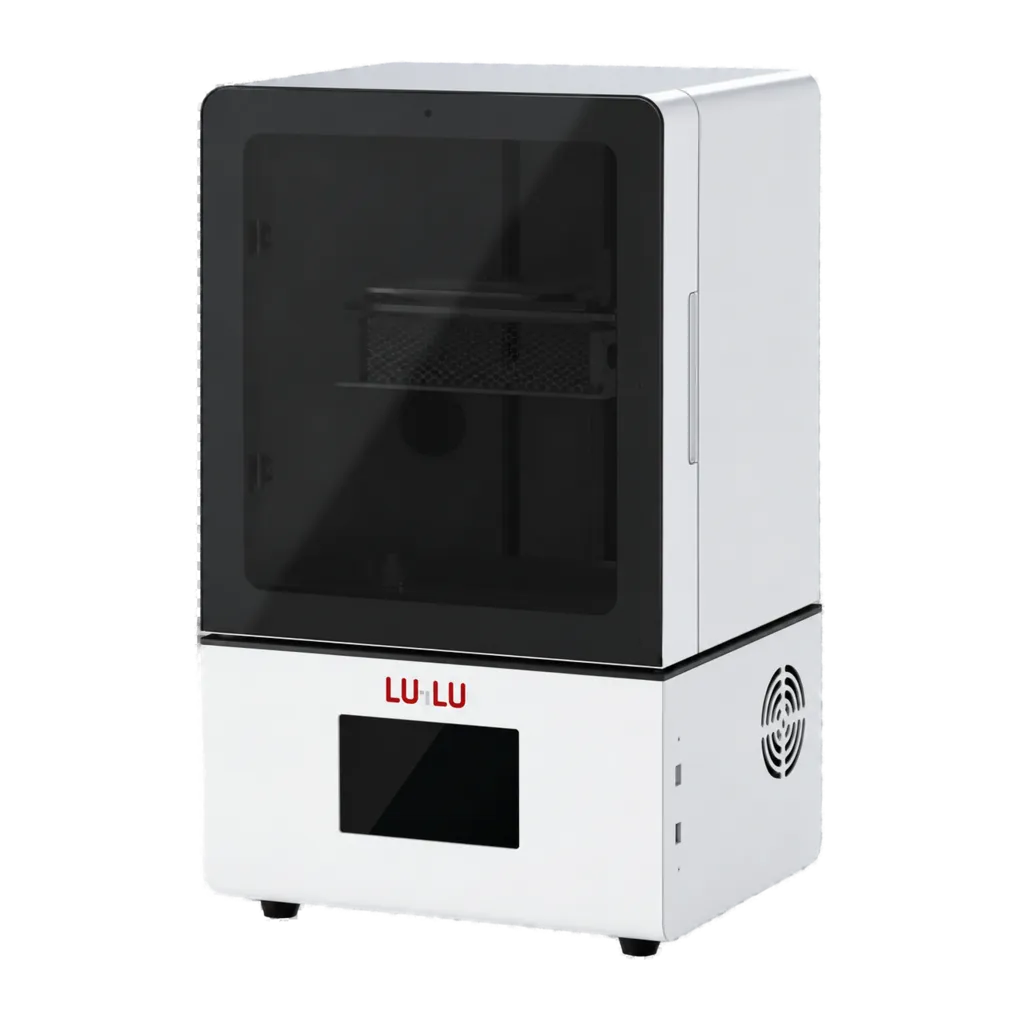
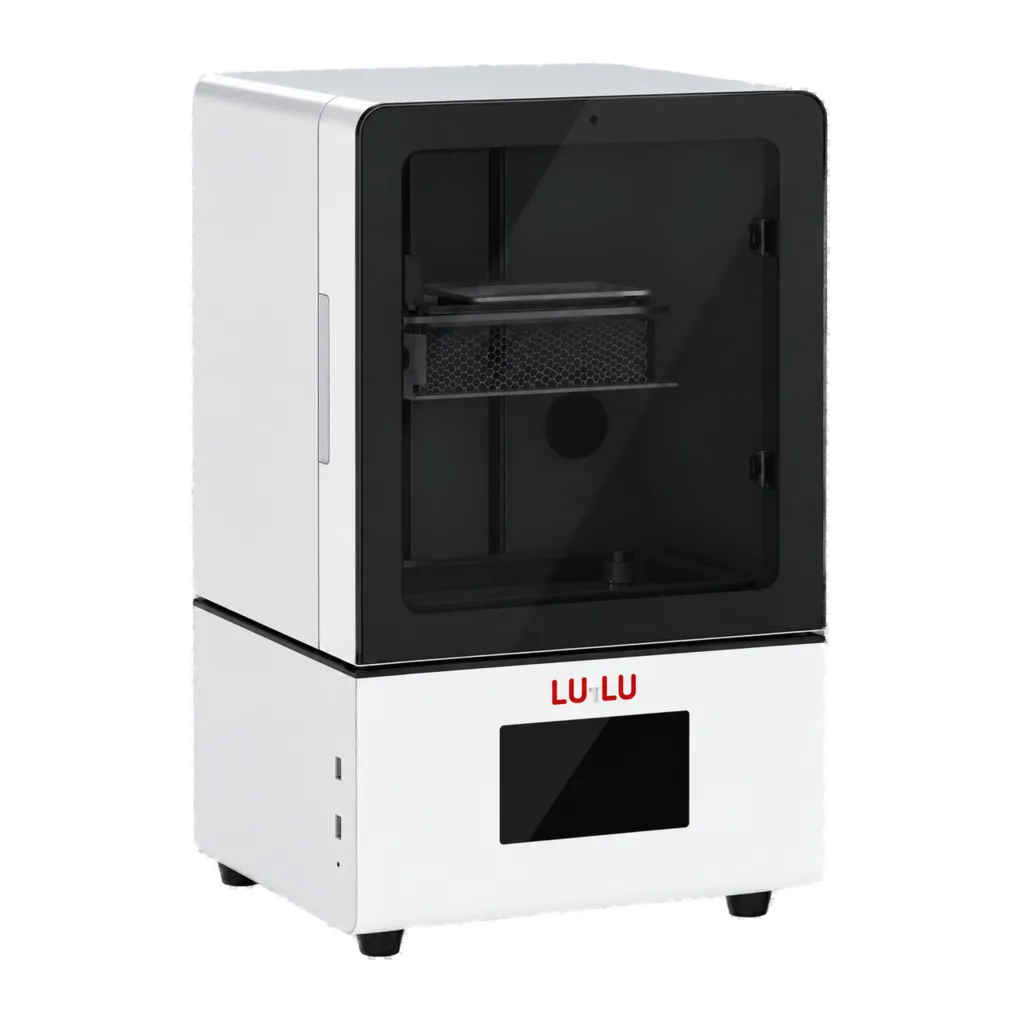
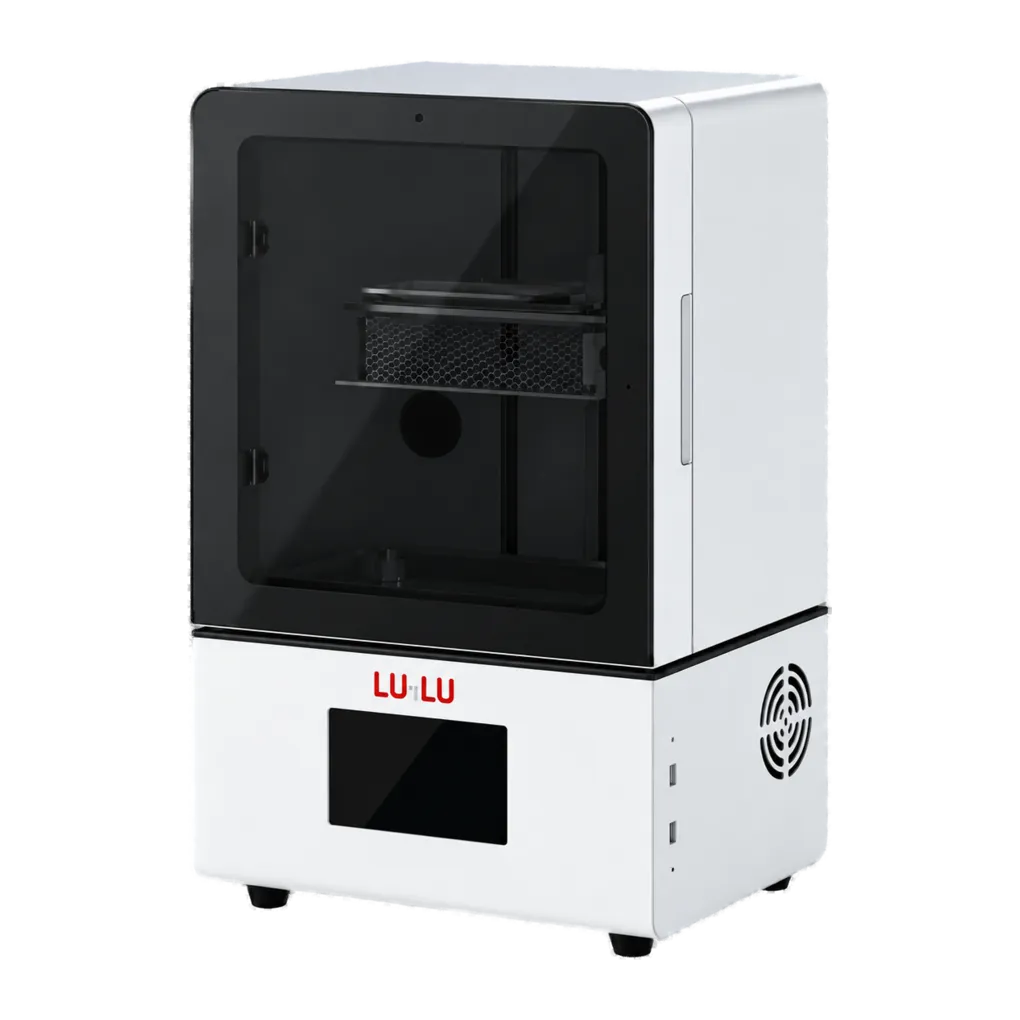
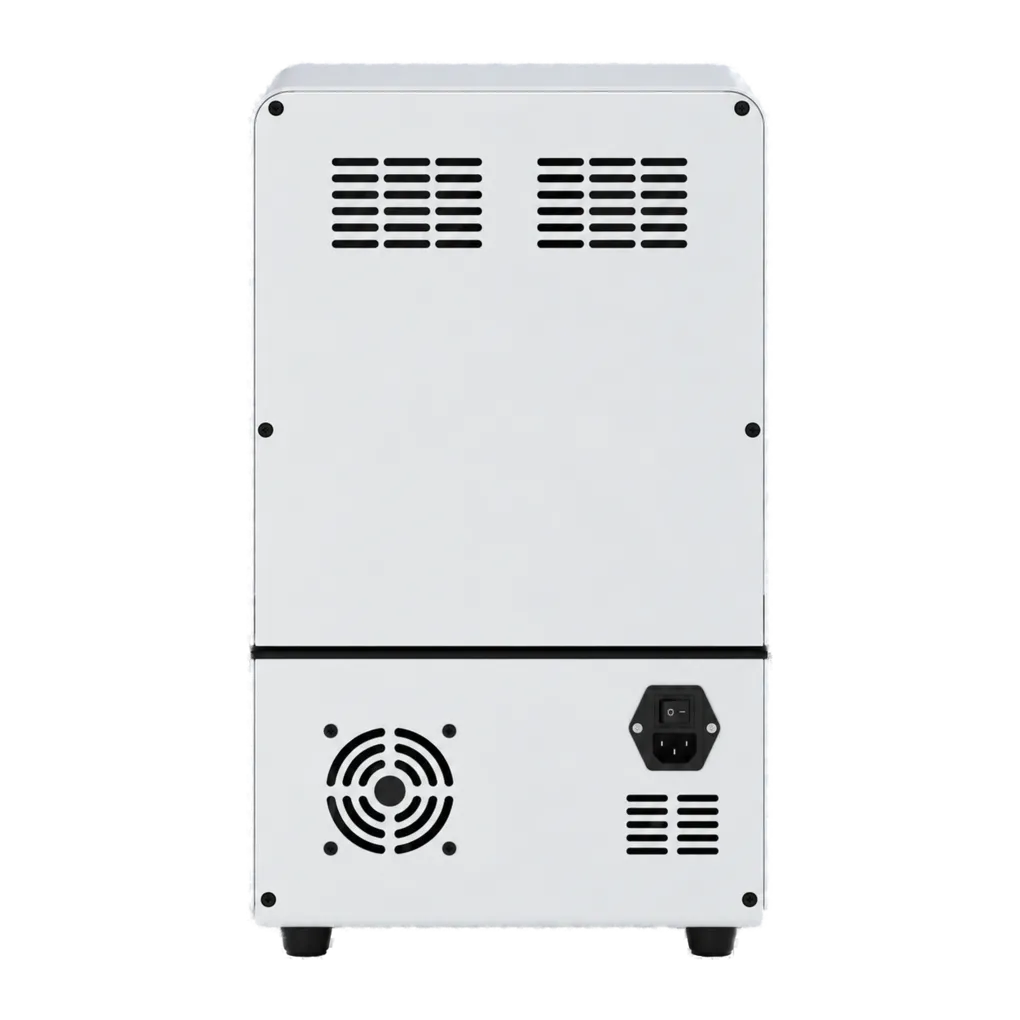
Additive manufacturing now sits alongside milling in most digital UK laboratories, and a resin printer covers the work that mills poorly or not at all. The manufacturer positions the Stellar Pre for implantology, restorative work, orthodontics, surgical guides, removable wax-ups and internal crown wax-ups, in denture processing centres and dental clinics.
Model production is the highest-volume use for most laboratories. A 211 × 118 mm build area holds several arches per run, and printed models support crown and bridge work, orthodontic set-ups and clear aligner thermoforming.
Surgical guides are where the validation question becomes acute. A guide directs a drill into bone, so dimensional accuracy at the sleeve and the material's mechanical integrity both matter directly to the patient. The guide resin's instructions for use specify validated printers, parameters and post-cure protocols, and those documents govern whether a guide produced on any given machine is within scope.
Removable prosthodontics draws on the same discipline. Denture bases and try-ins, splints and occlusal appliances all enter the mouth, which places residual monomer and full polymerisation squarely in patient safety territory rather than finish quality. The wash and cure steps are part of manufacturing the device, not tidying it up.
Wax-ups for casting and pressing round out the range, where dimensional tolerance and clean burnout matter more than mechanical strength.
Laboratory obligations apply throughout: MHRA registration for manufacturers of custom-made devices, GDC registration for technicians, resin conformity documentation and instructions for use, and traceability from resin batch through print job and post-cure to the finished device. COSHH assessment of every resin in use belongs in the same file.