
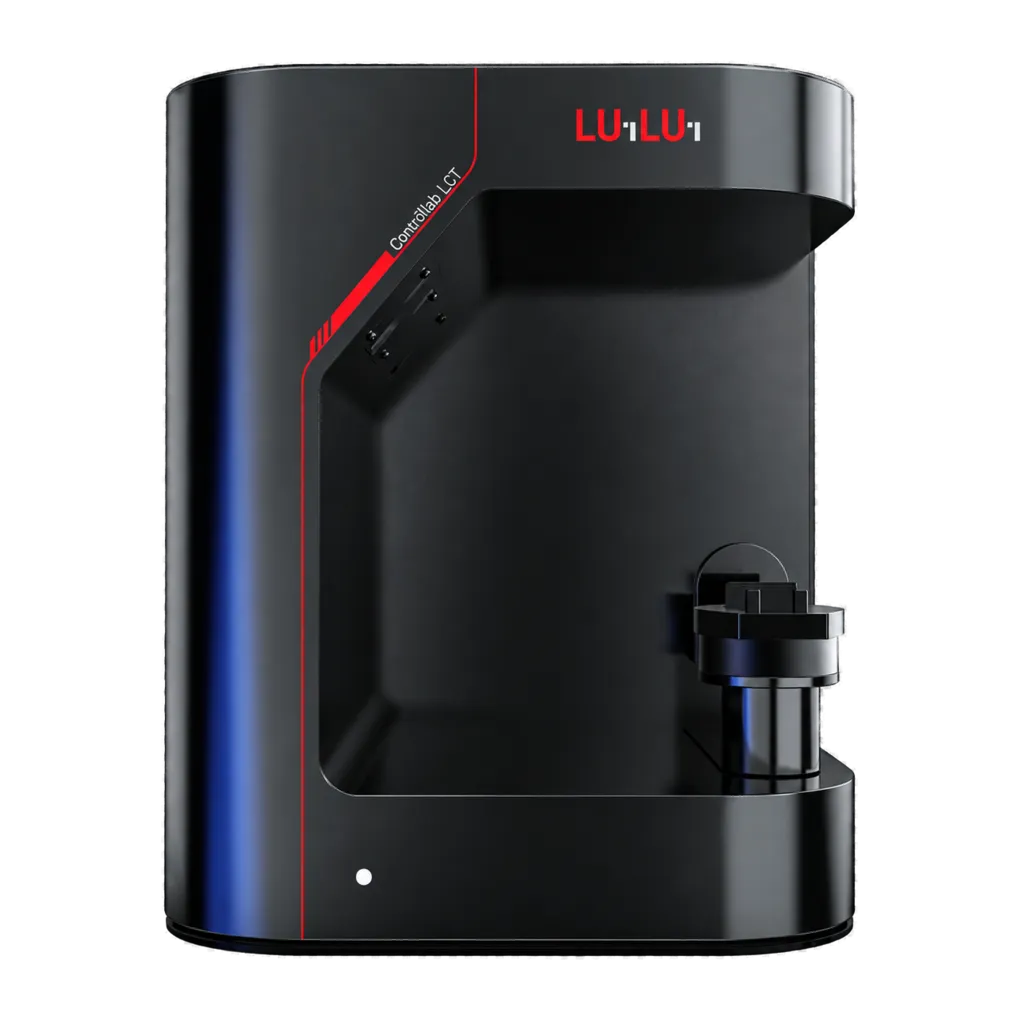
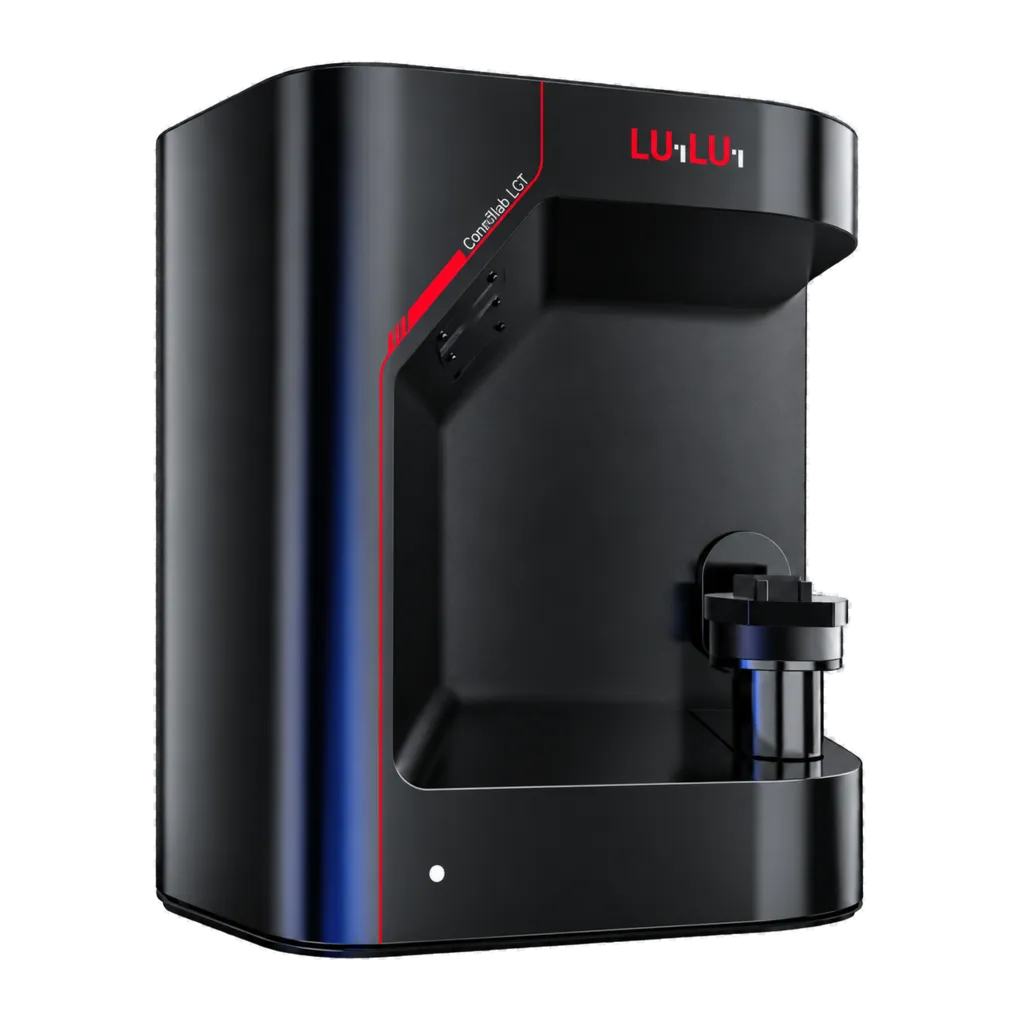
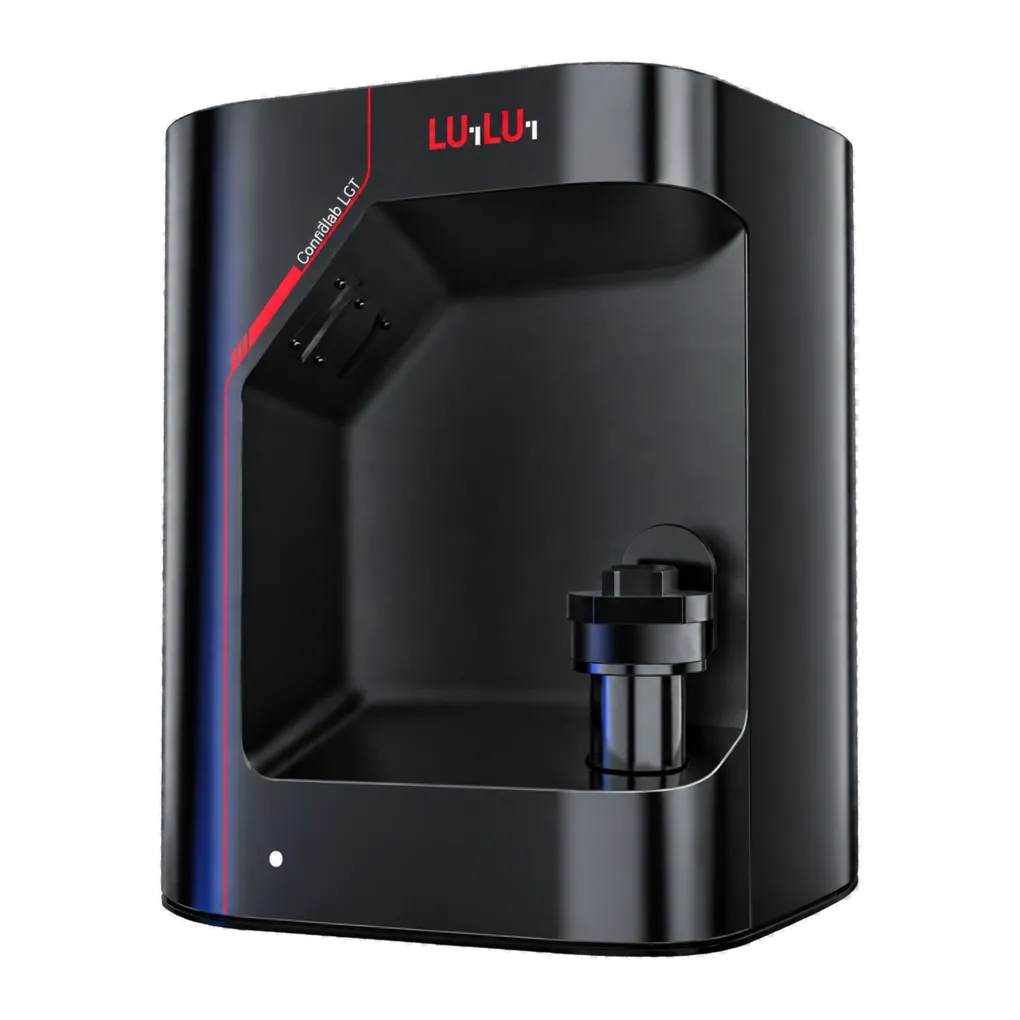
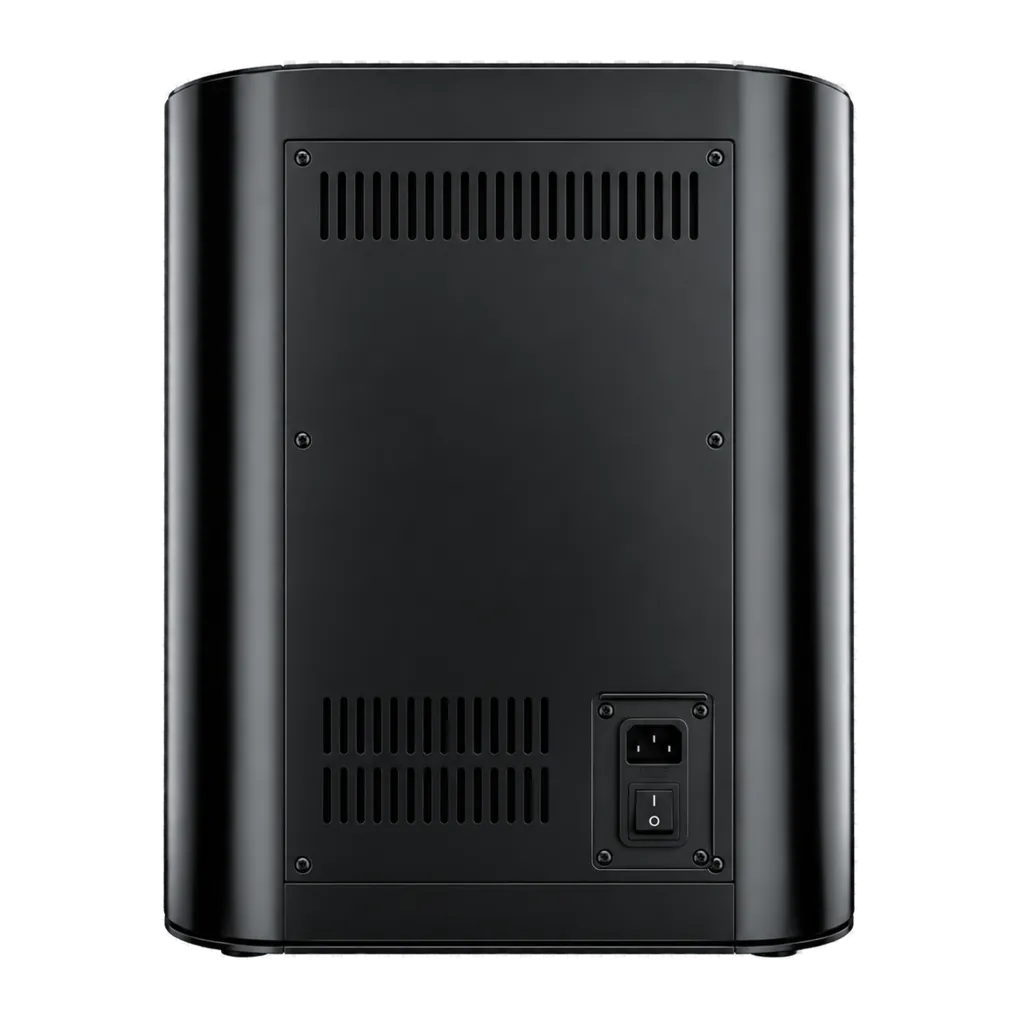
Digital workflow in UK laboratories starts at the scanner, and everything downstream inherits whatever it produces. Model scanning for crown and bridge design, die scanning with margin identification, full-arch capture for implant and full-mouth cases, opposing and bite registration, and impression scanning where a case arrives without a poured model all fall within a desktop scanner's role.
Margin work is where full-colour texture pays back most directly. A technician pencils a margin on a die, and the designer sees that line in the scan rather than interpreting a geometric transition, which shortens design time and reduces the back-and-forth that ambiguous margins generate.
Full-arch capture underpins implant and reconstructive work, where the relationship between widely separated preparations or implant positions has to hold across the arch. That is exactly where trueness rather than precision matters, since a scanner that repeats a distorted arch consistently produces frameworks that seat on one side and lift on the other.
Open output determines how the laboratory's data ages. STL, PLY and OBJ are readable by any current design package, so cases scanned today remain usable if the design platform changes — which matters over the retention period a laboratory keeps records for.
Laboratory obligations sit alongside throughout. A manufacturer of custom-made devices carries MHRA registration obligations, technicians are registered with the General Dental Council, and traceability runs from the prescription through the scan file and design to the finished restoration. Scan data is patient-related information, so storage, backup and retention need to be handled under your data protection arrangements rather than left on a workstation desktop.