
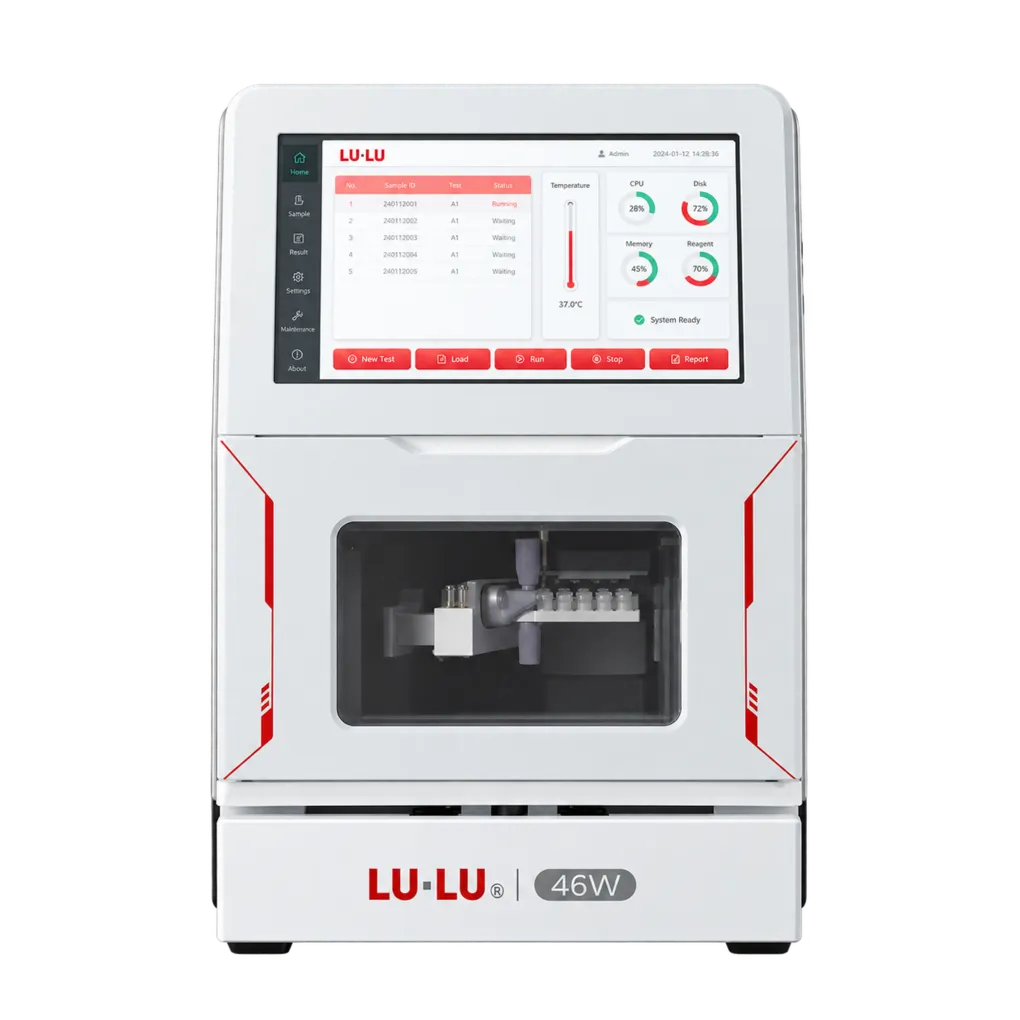
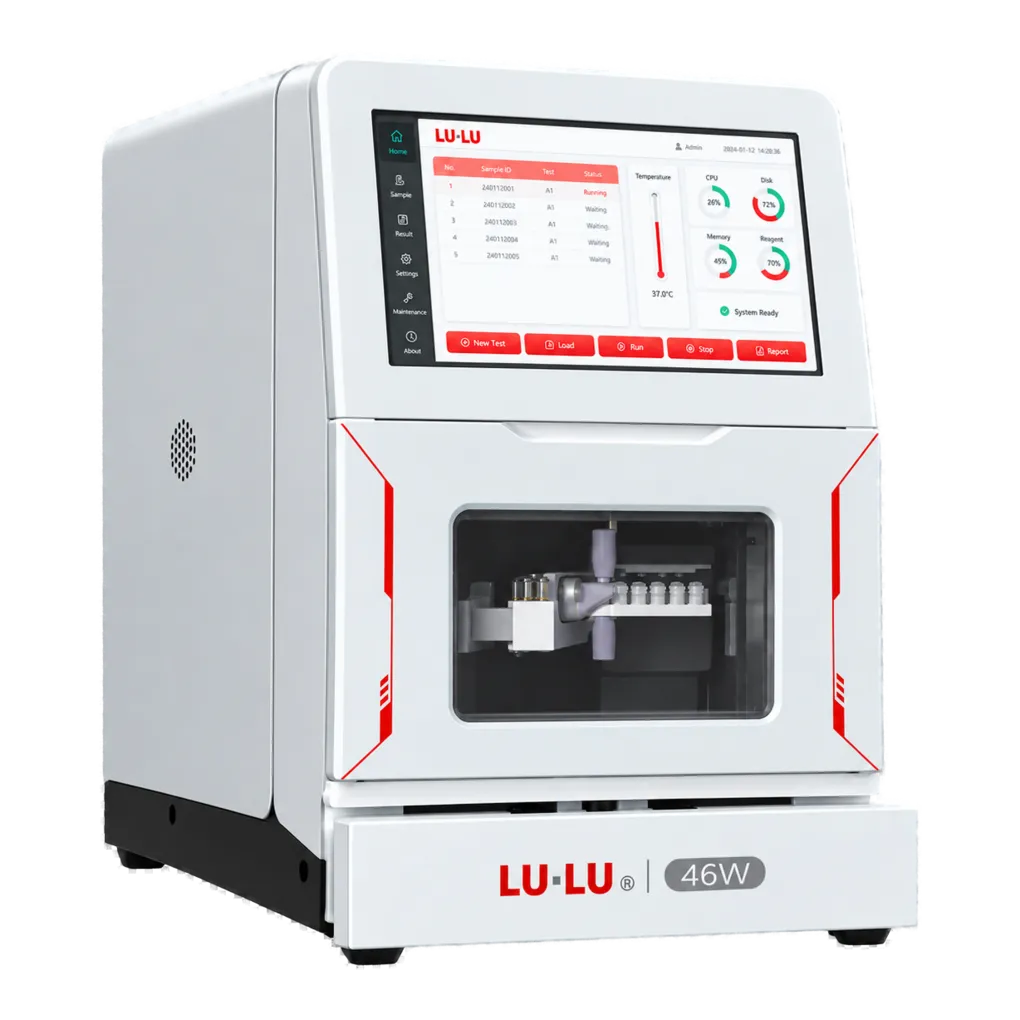
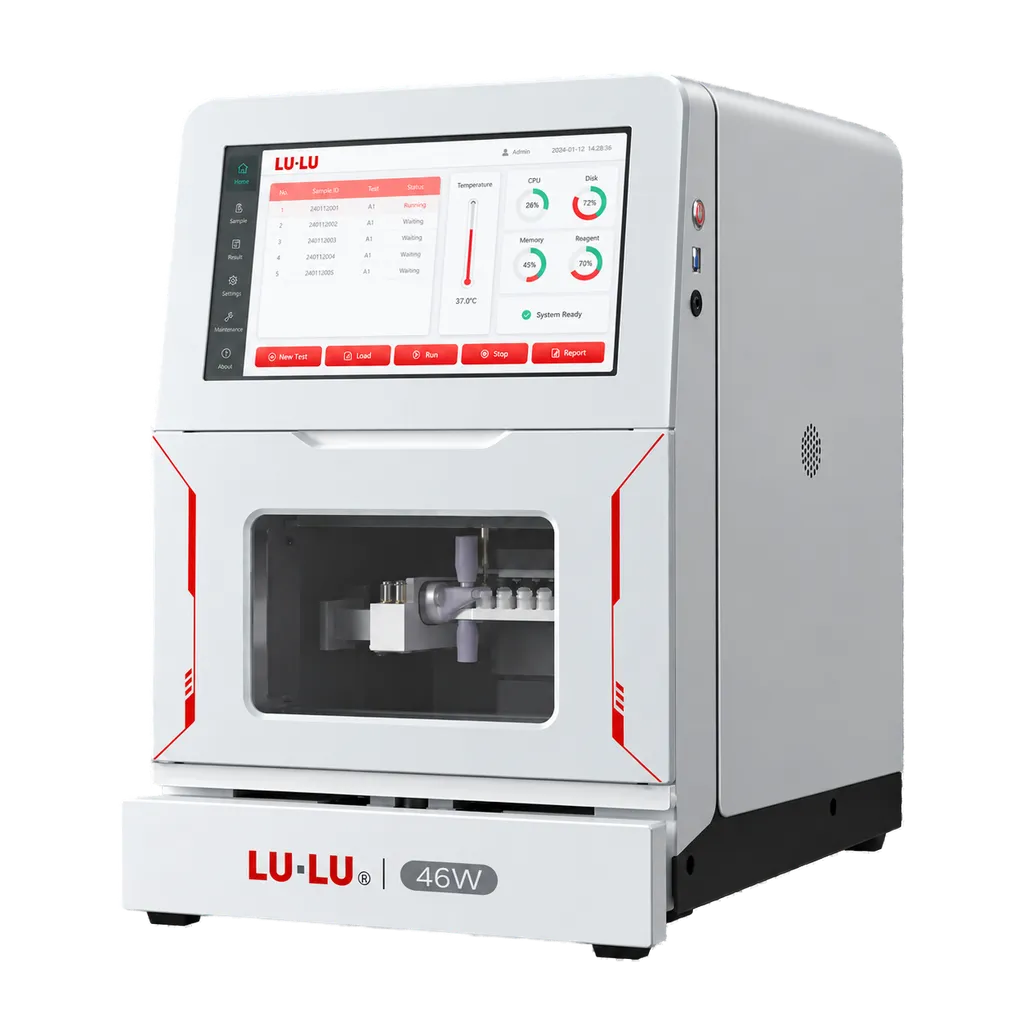
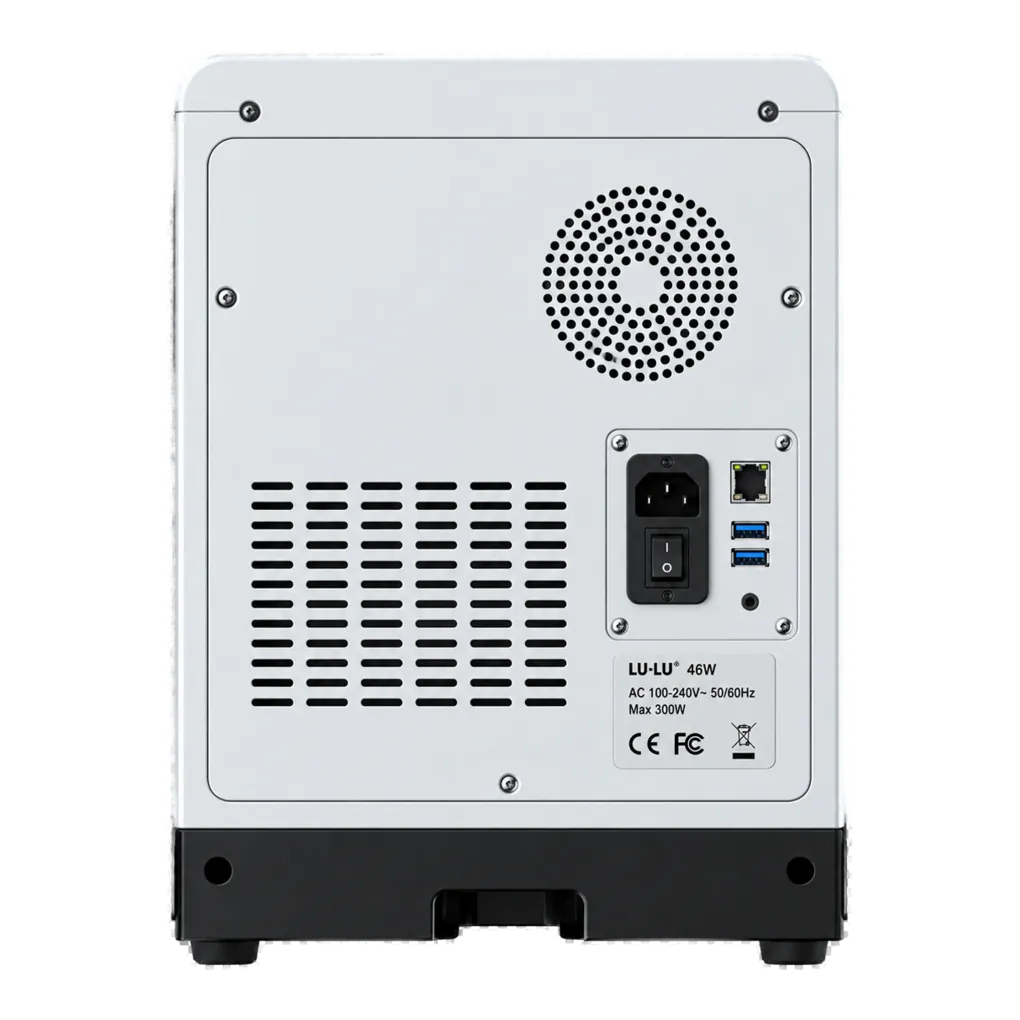
The 46W is a dedicated machine, and its published application list makes the scope explicit. Customised abutment, inlay and onlay, and crown and coping are all marked at the higher compatibility level. Screw-retained bridge in crown and coping form sits at the lower level. Implant bar, hybrid abutment, crown and coping bridge, model, bite splint and denture are all marked as not compatible.
Abutment production is the first of its two purposes. Customised abutments milled from pre-milled titanium blanks are supported at sixteen positions, which suits a laboratory producing implant restorations in volume — the emergence profile and connection interface are finished on the machine, from blanks supplied to match the implant connection. Hybrid abutments fall outside because their ceramic superstructure needs a material this machine does not cut.
Single-unit glass ceramic work is the second. Twenty positions cover inlays, onlays and crowns in a material that requires coolant to cut without microfracture, which is why wet processing is the only route offered. Multi-unit bridges in glass ceramic are outside scope, consistent with how the material behaves rather than a limitation of the machine.
The narrowness is the commercial argument. A laboratory that already produces its zirconia, polymer and wax work elsewhere and is constrained on abutment or ceramic throughput gets a machine sized for exactly that, with thirty-six blanks loaded and a session left to run. A laboratory seeking one machine to cover a mixed caseload should look at the material list first and draw the obvious conclusion.
Wet running brings coolant supply, filtration and disposal, with used machining coolant a waste stream to account for. Laboratory obligations sit alongside throughout: MHRA registration for manufacturers of custom-made devices, GDC registration for technicians, material conformity documentation and batch traceability from blank to finished device.