
Investigating Reading Discomfort and Headaches
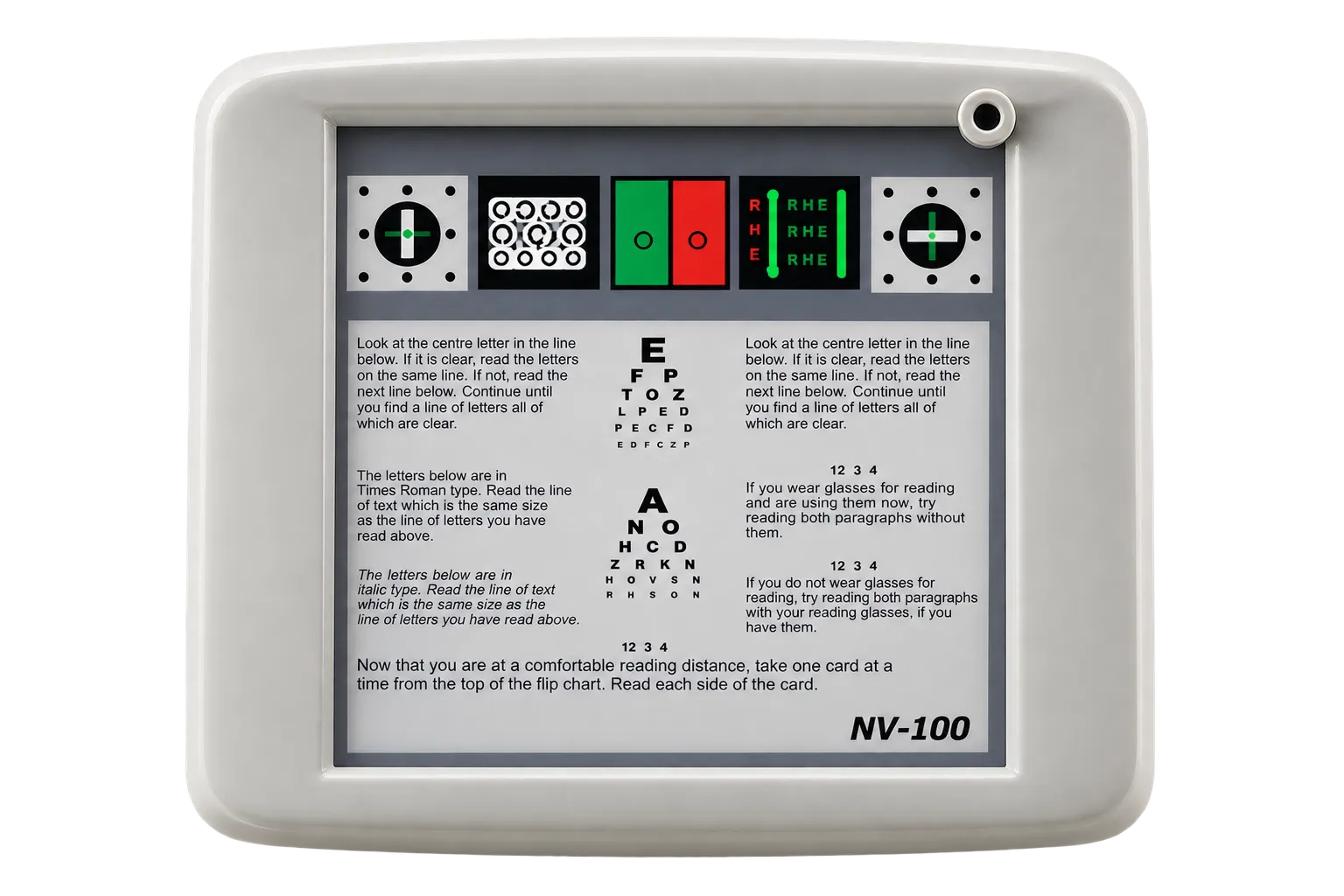
Patients reporting headaches, reading fatigue or intermittent blur at near are a regular presentation, and a distance refraction frequently comes back unremarkable. The cause is often binocular and only shows itself at the working distance. Fixation disparity testing, near point of convergence and evaluation of the accommodation to convergence relationship together give the practitioner the means to find it rather than concluding that nothing is wrong. Symptoms without findings frustrate patient and practitioner alike.
Presbyopic Addition Determination
Near additions are determined at the distance the patient will actually use them, with the head and eyes in natural posture. That matters because a reading addition worked out in an artificial position may not suit the way someone holds a book or sits at a desk. Near vision astigmatism testing sits alongside, so the near correction is refined properly rather than assumed from the distance prescription.
Heterophoria and Binocular Assessment
Cover test targets, foveal suppression evaluation and the fixation disparity test give a coherent approach to heterophoria at near. Being able to quantify foveal suppression rather than merely observe it means the finding can be recorded, compared at a later visit and used to judge whether a prescribed prism or exercise regime is achieving anything measurable.
Portable and Domiciliary Examination
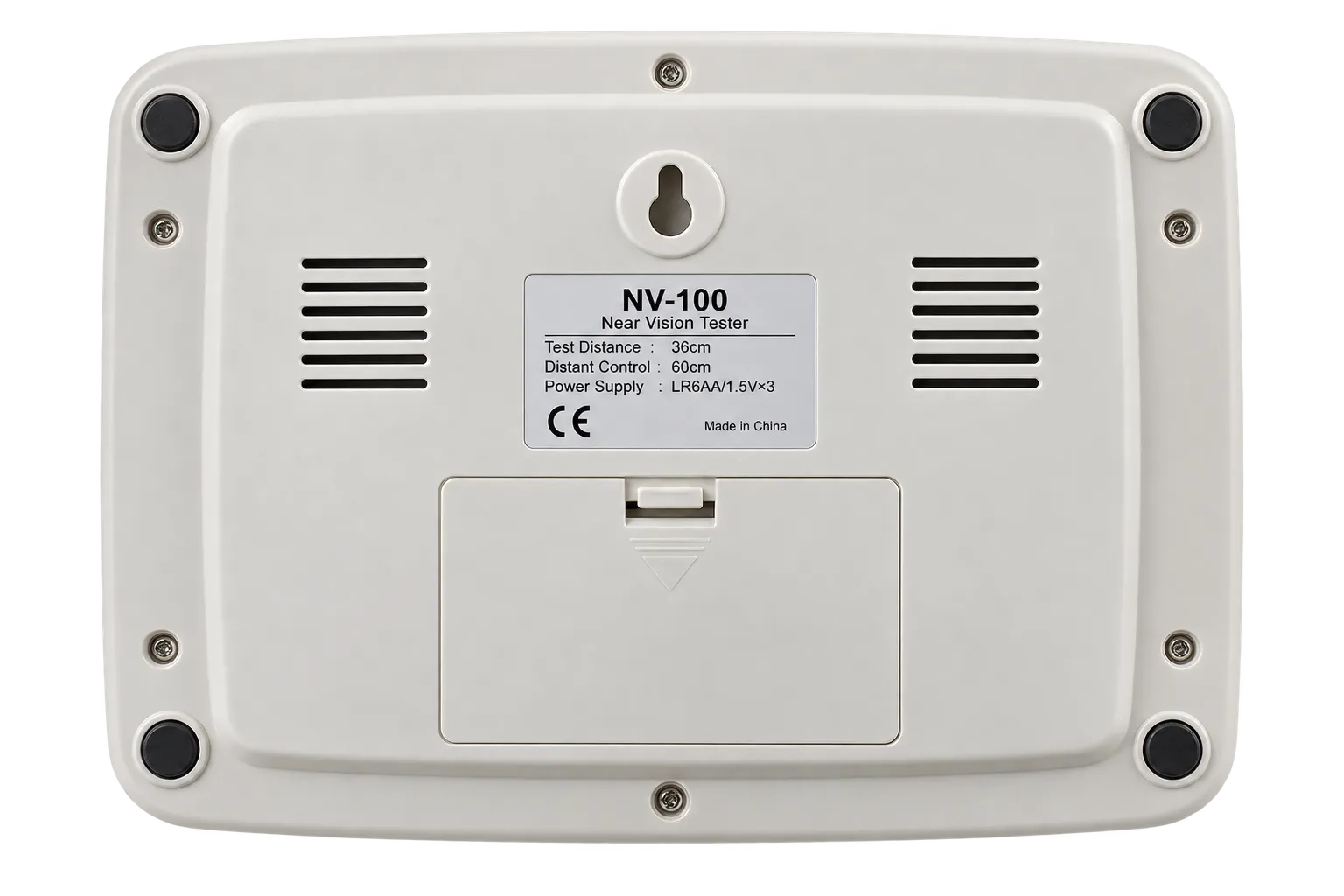
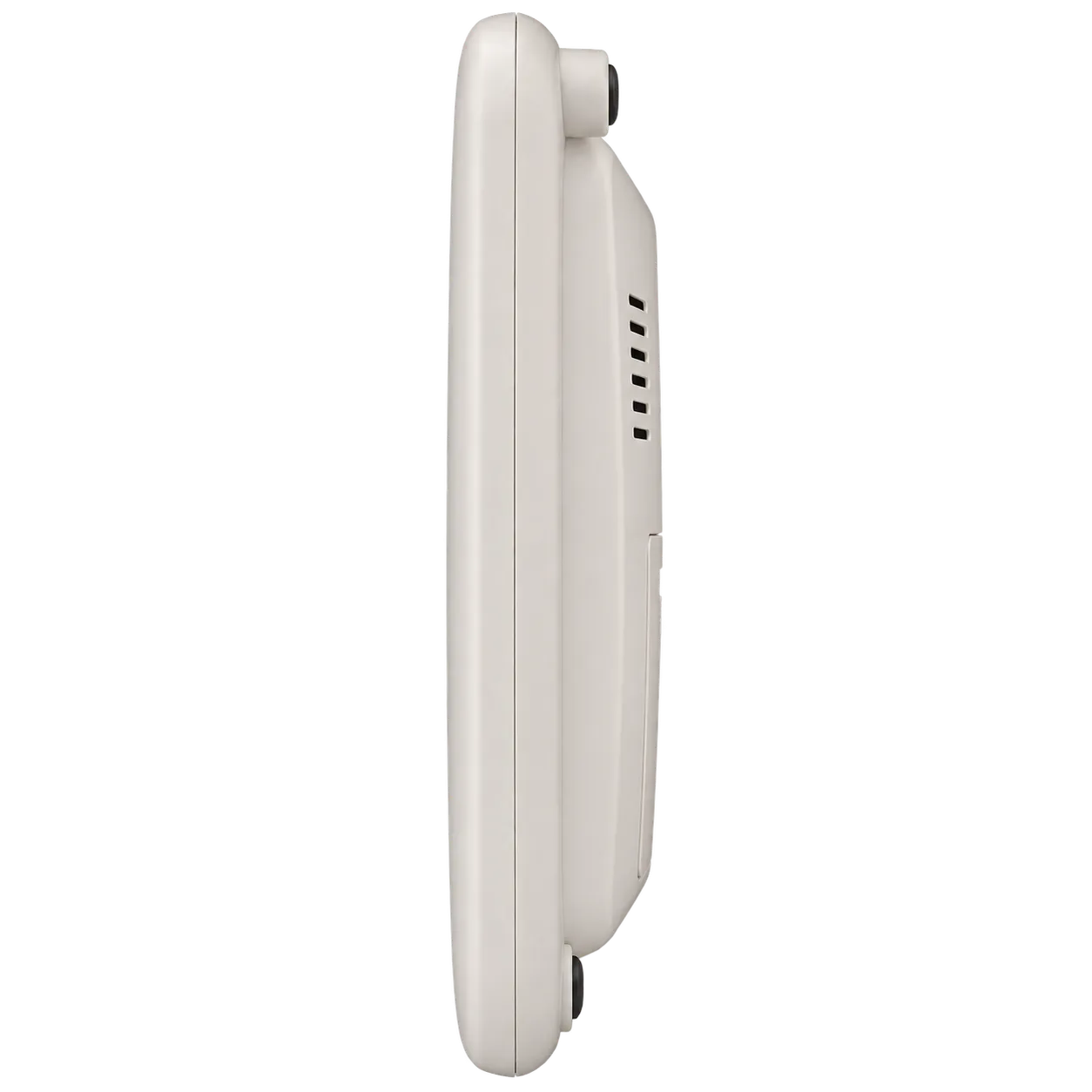
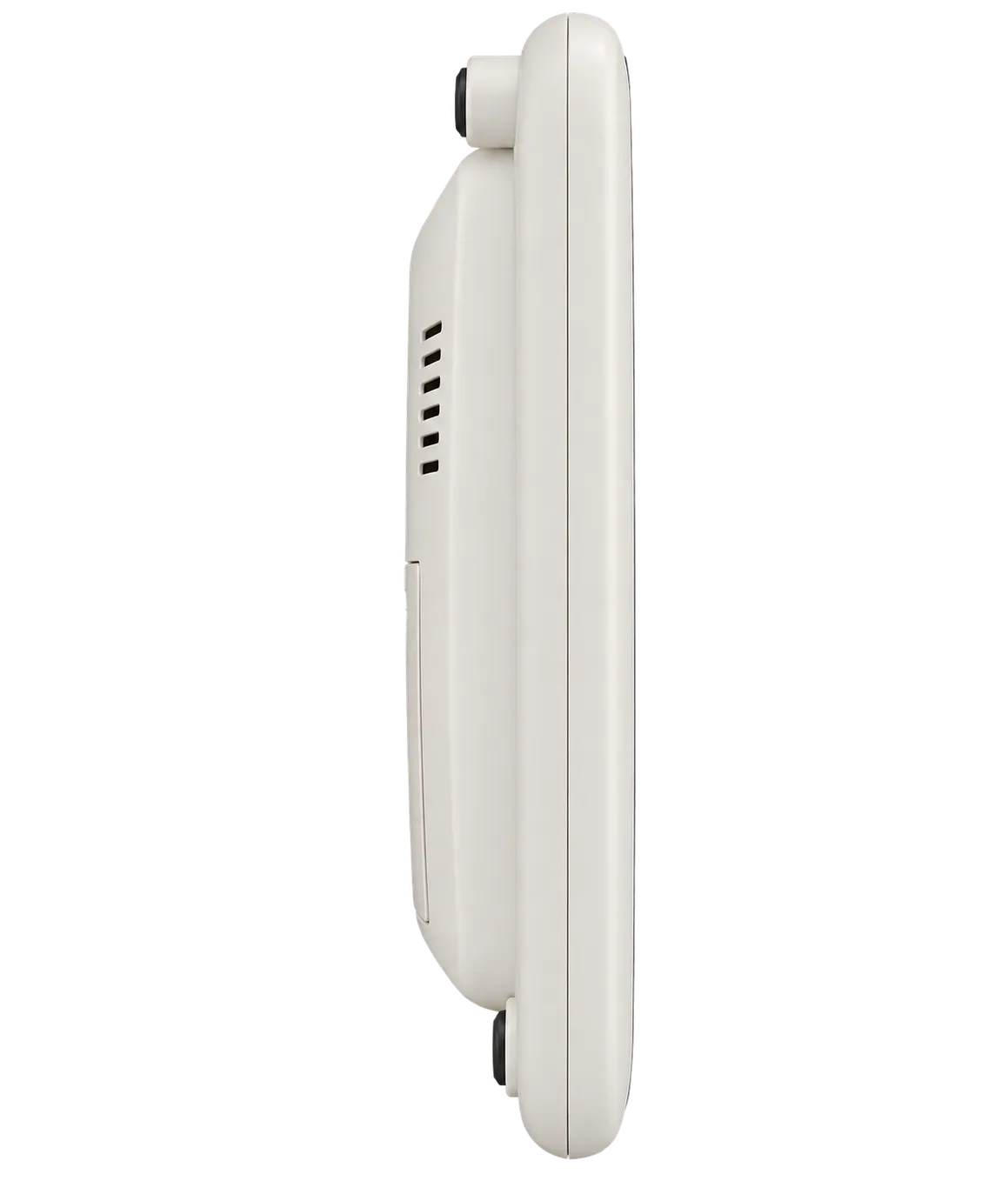
At 780g and running from three AA cells, the unit imposes no requirement for mains power or installation. Domiciliary visits, care home rounds and outreach clinics can include proper near binocular investigation rather than a simplified version, and the unit slips into a bag alongside whatever else the visit requires. Equipment that travels easily is equipment that actually gets taken along.