
Rooms Where Projection Is Impractical
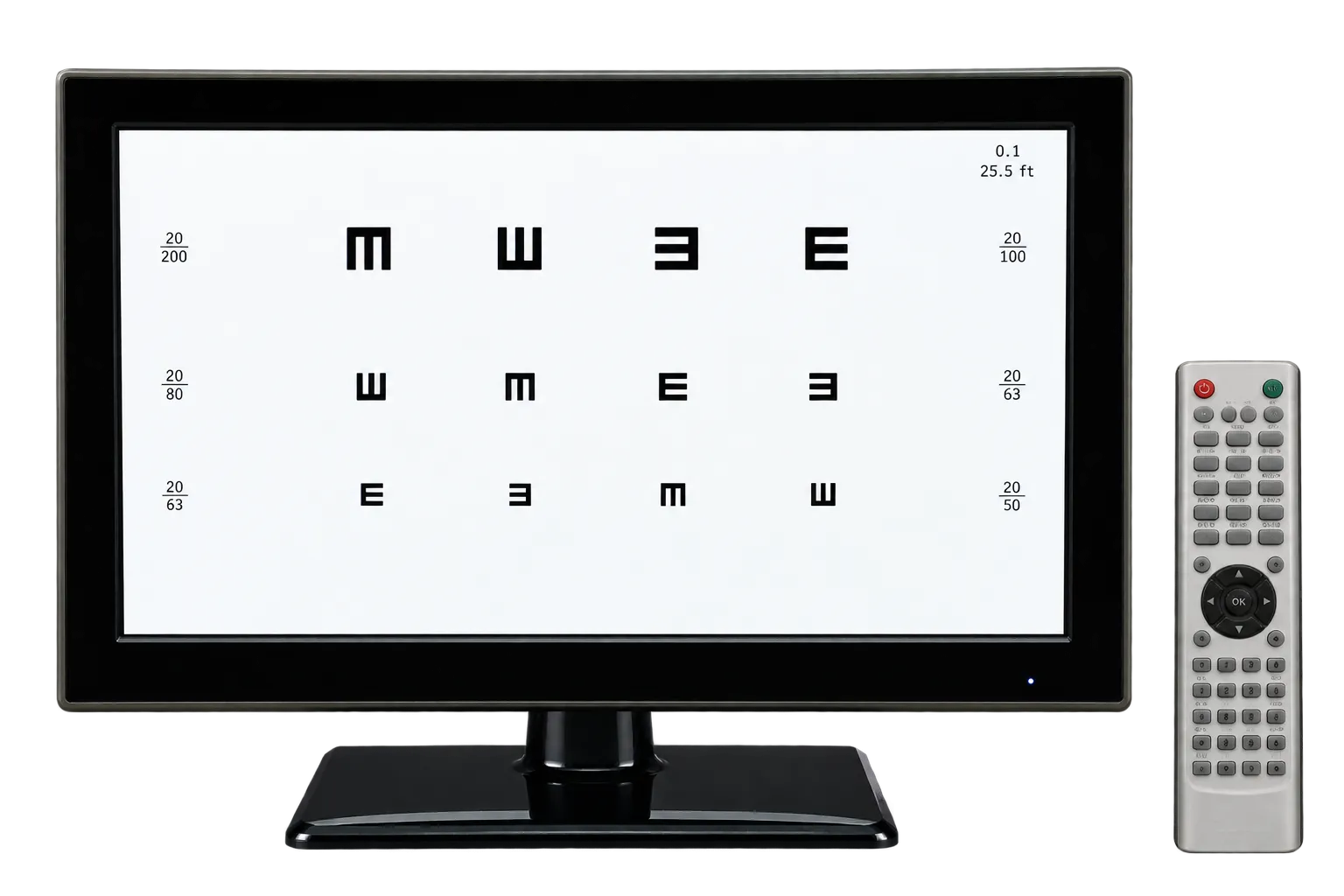
A projected chart needs a lamp, a clean projection surface and often a mirror to achieve the optical distance. A backlit panel needs none of these. For practices in converted premises, or rooms where a suitable white wall simply is not available, presenting charts directly on a screen removes the whole class of problem. Testing distance settable from 1 metre means even genuinely small rooms can be configured properly rather than approximately.
Practices Testing Varied Patient Groups
The chart library covers children's standards, colour blindness standards, astigmatic and binocular balanced charts alongside conventional letter and E standards. Practices seeing an unselected list, including young children and patients who cannot read a standard alphabet chart, benefit from having the alternatives on the same screen rather than as separate printed charts to be fetched and held up.
Streamlining a Routine Examination
The quick test list gathers ten or fewer frequently used tests into a shortlist. Most practices use a small subset of the available charts for the great majority of appointments, and reaching those directly rather than scrolling a full library shortens each examination slightly. Across a full appointment book those savings accumulate into meaningful time. Small savings repeated many times become real ones.
Shared and Multi-Purpose Consulting Rooms
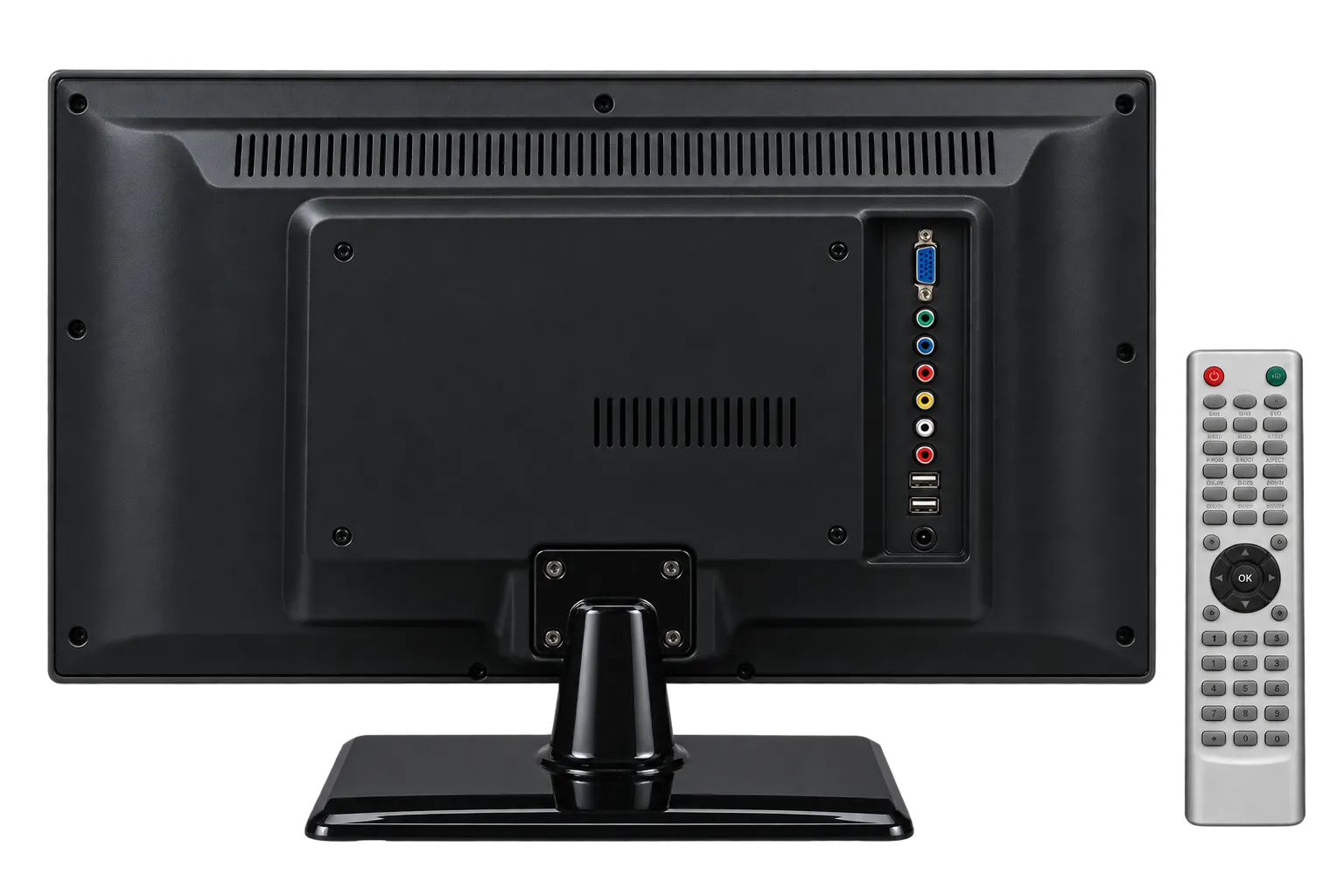
Multimedia inputs through VGA, AV, YPBPR and USB let the same panel show material from a computer or media player. In a room used for more than sight testing, or where patient information is shown between appointments, one screen serving both purposes is more practical than installing a second display for occasional use. One panel serving two purposes avoids installing a second display.