
Practices Where Bench Space Is Scarce
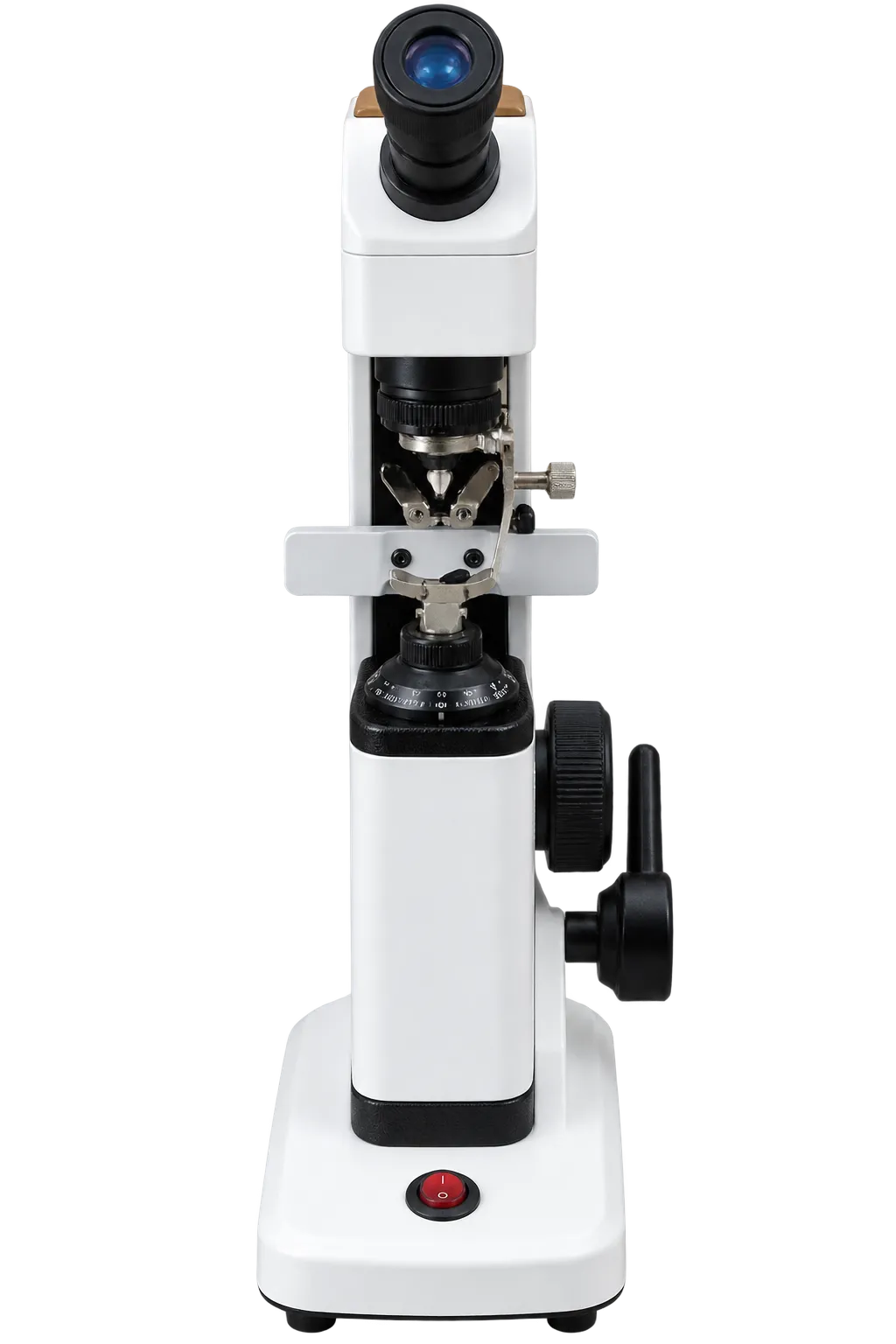
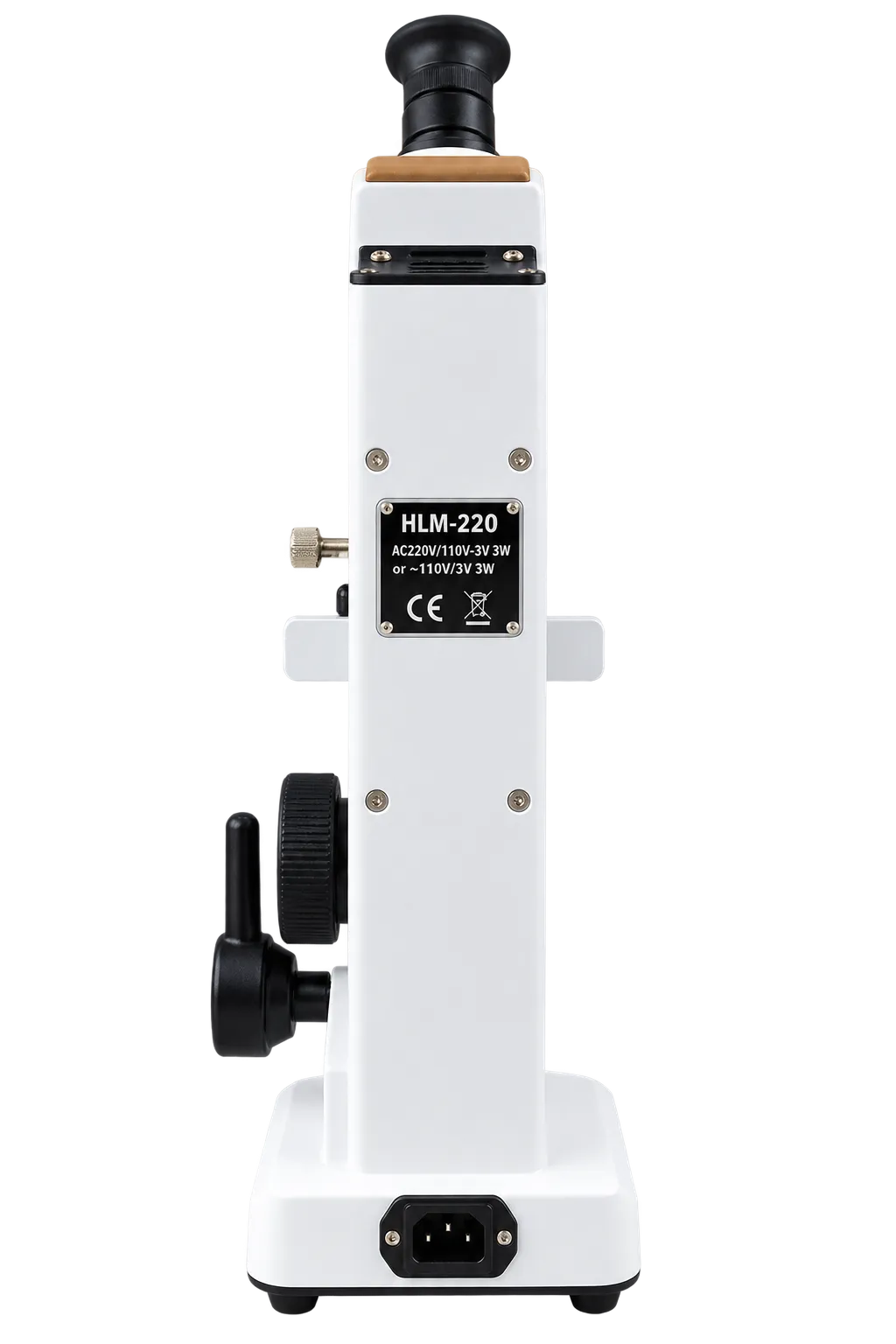
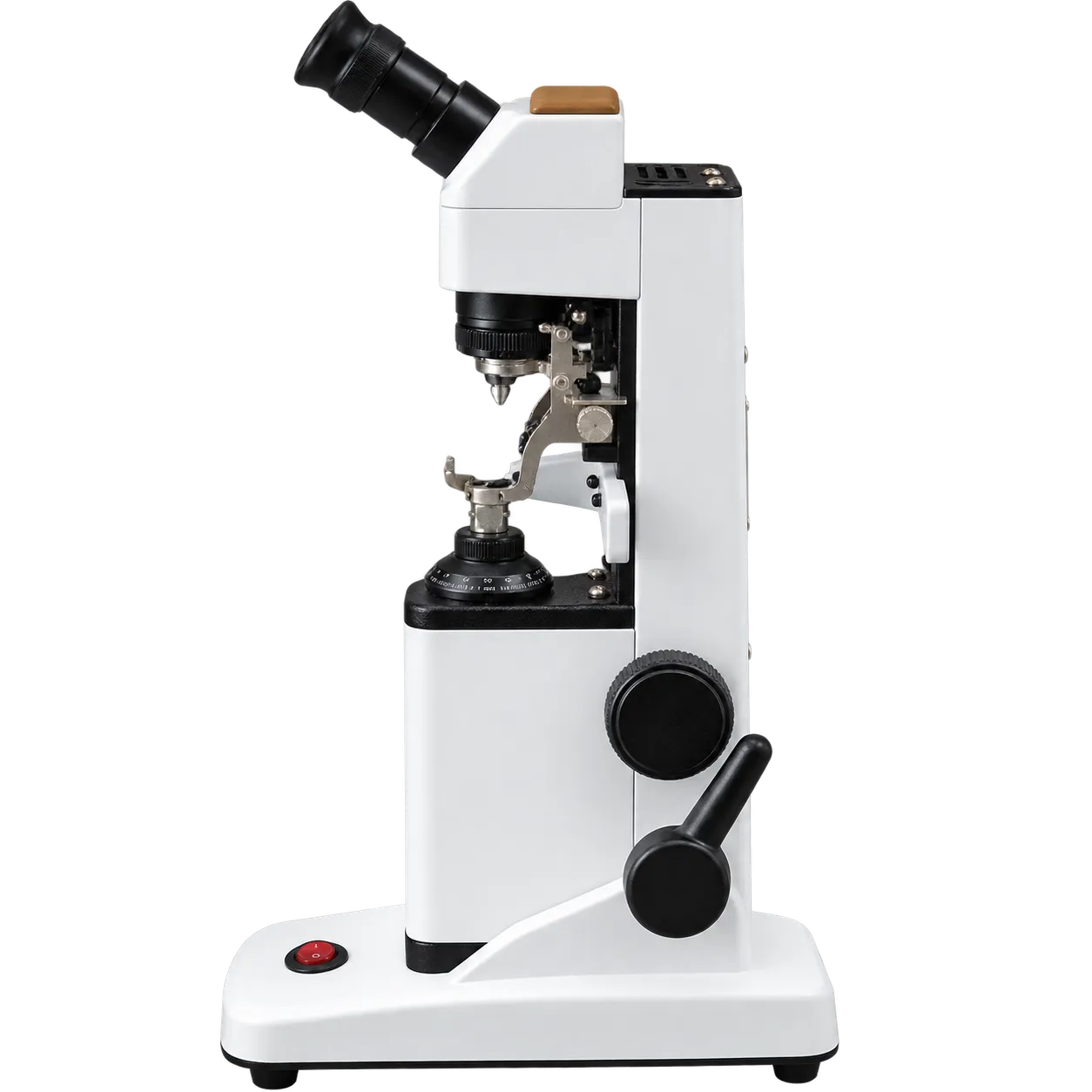
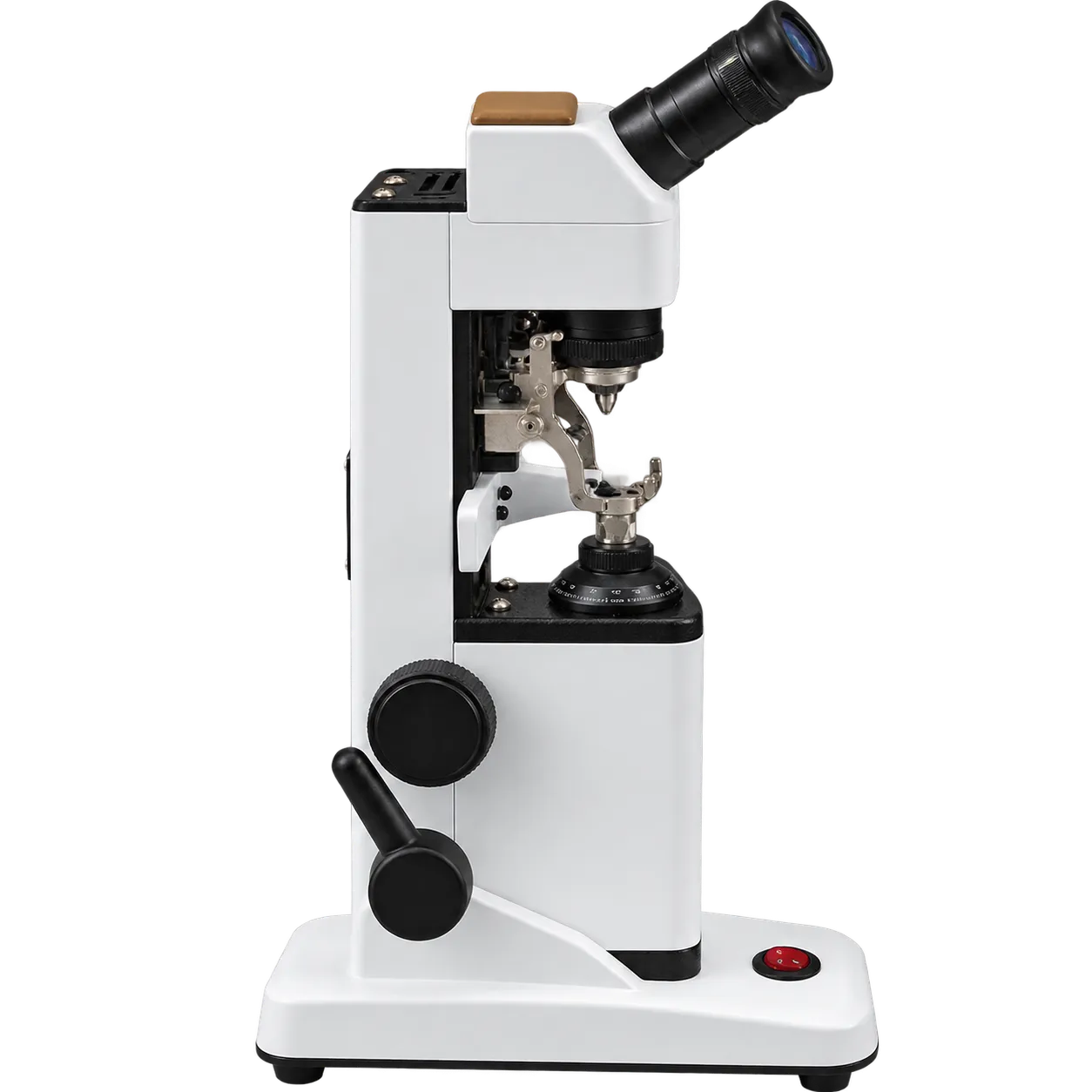
Dispensing benches accumulate equipment, and horizontal surface almost always runs out before vertical space does. An instrument occupying roughly 120mm of width sits alongside existing equipment rather than displacing it. For smaller practices, or busy glazing rooms where the bench is shared between several tasks, footprint is frequently what decides whether a second checking capability can exist at all rather than whether it would be useful in principle.
Prismatic Prescription Verification
Direct measurement to 5 prism dioptres, extending to 20 with the compensation device, covers the prism encountered in binocular vision work. Single dioptre graduations throughout, with base angle across the full 0 to 180 degrees, mean magnitude and orientation are both recorded properly. Practices managing prism prescriptions can verify them in-house instead of treating each as a case needing outside assistance.
Teaching and Student Practice
An instrument where the student aligns the target and reads a graduated scale makes the measurement visible as an act rather than an output. Sphere, cylinder, axis and prism become quantities observed and recorded. The adjustable eyepiece lets a succession of students with differing eyesight work at the same instrument comfortably, which is what shared teaching equipment has to accommodate. Learning on graduated optics also builds a habit of scrutiny that carries forward.
Dependable Secondary Checking
An optical instrument with no processing stage provides verification that behaves predictably and stays available. Practices wanting a checking position independent of powered equipment, or somewhere to verify work away from the principal bench, are well served by a column instrument needing little beyond a level surface and an operator who knows how to read it.