
Precise Vergence and Balance Assessment
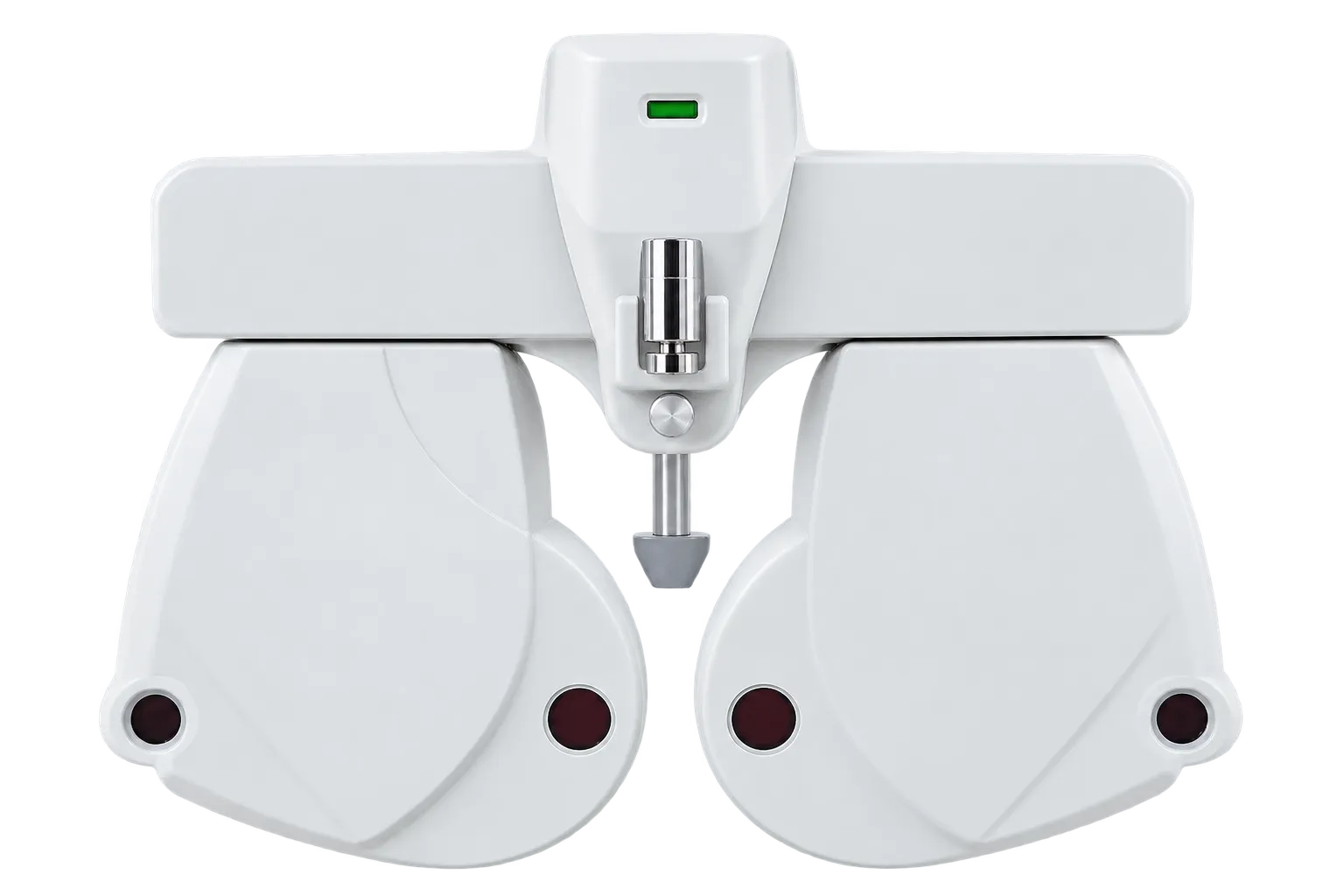
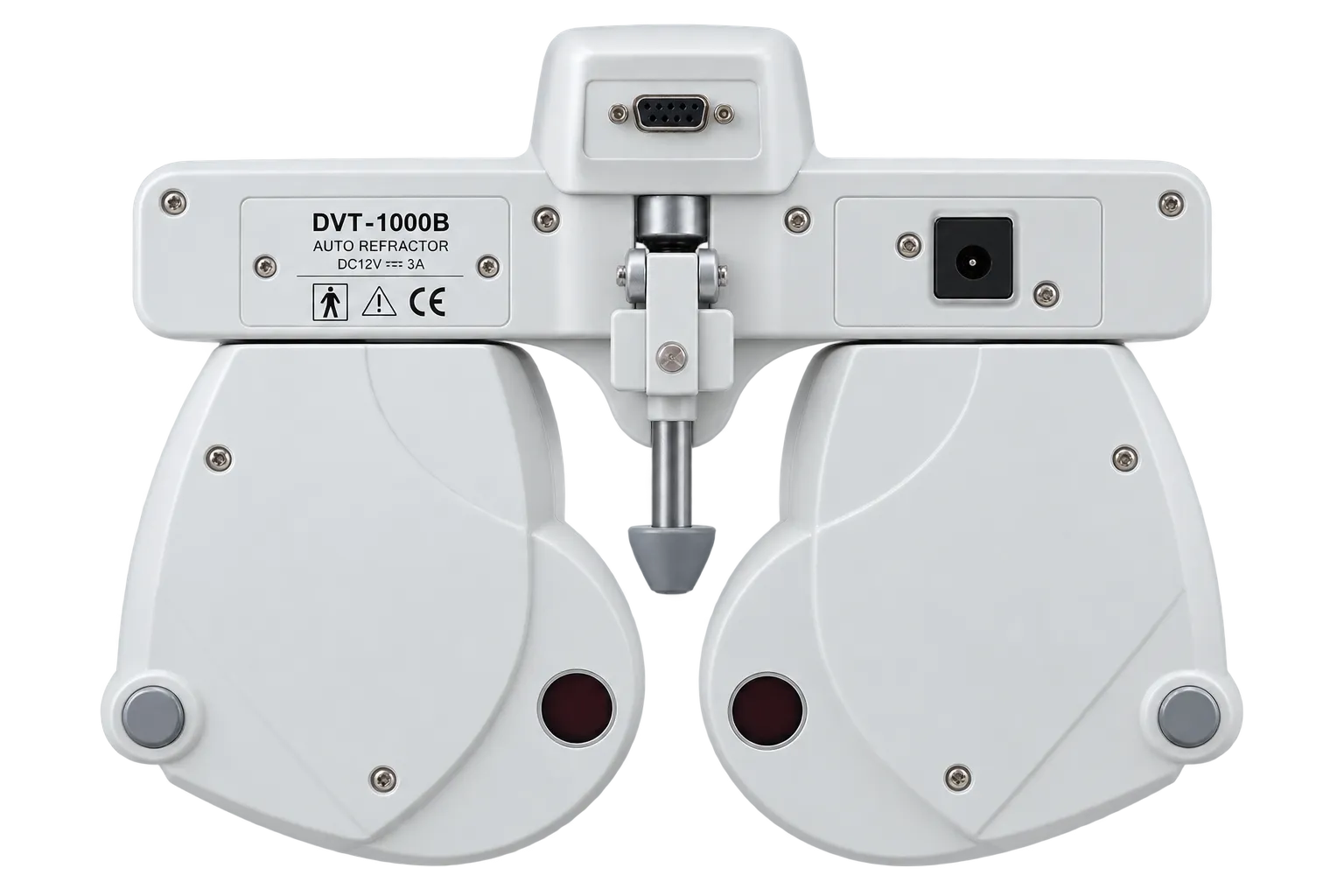
Rotary prism stepping at 0.1 prism dioptres, combined with a built-in binocular vision balance test, makes this instrument well suited to investigating how the two eyes work together. Small vertical deviations and fine fusional measurements sit exactly in the territory where a whole-dioptre step is too coarse to resolve the answer. Having the balance test within the same instrument means the investigation follows the refraction without any interruption to the appointment.
Rooms With Existing Chart Equipment
Because chart equipment is selected from the panel, and the head links to an LCD screen, a projector or a polarised LCD screen, the instrument adapts to what a consulting room already has. Practices replacing a refracting head without replacing everything else around it benefit directly, and being able to check polarised screens from the instrument saves reaching for separate equipment to confirm the chart is behaving.
Checking and Adjusting Known Prescriptions
Fast direct entry of sphere, cylinder and axis means an existing prescription can be dialled in immediately as the starting point. For a patient returning with a recent pair that does not suit, beginning from what they were given rather than working up from nothing makes the comparison direct, and shortens an appointment that would otherwise repeat ground already covered.
Testing Across the Full Patient Range
Pupillary adjustment from 48mm to 80mm covers children through to the widest adult faces. Heads that cannot reach both extremes leave some patients viewing through the lenses off centre, which introduces unwanted prism and undermines the refraction regardless of how carefully the rest is conducted. Full range coverage removes that limitation for an unselected patient list.