
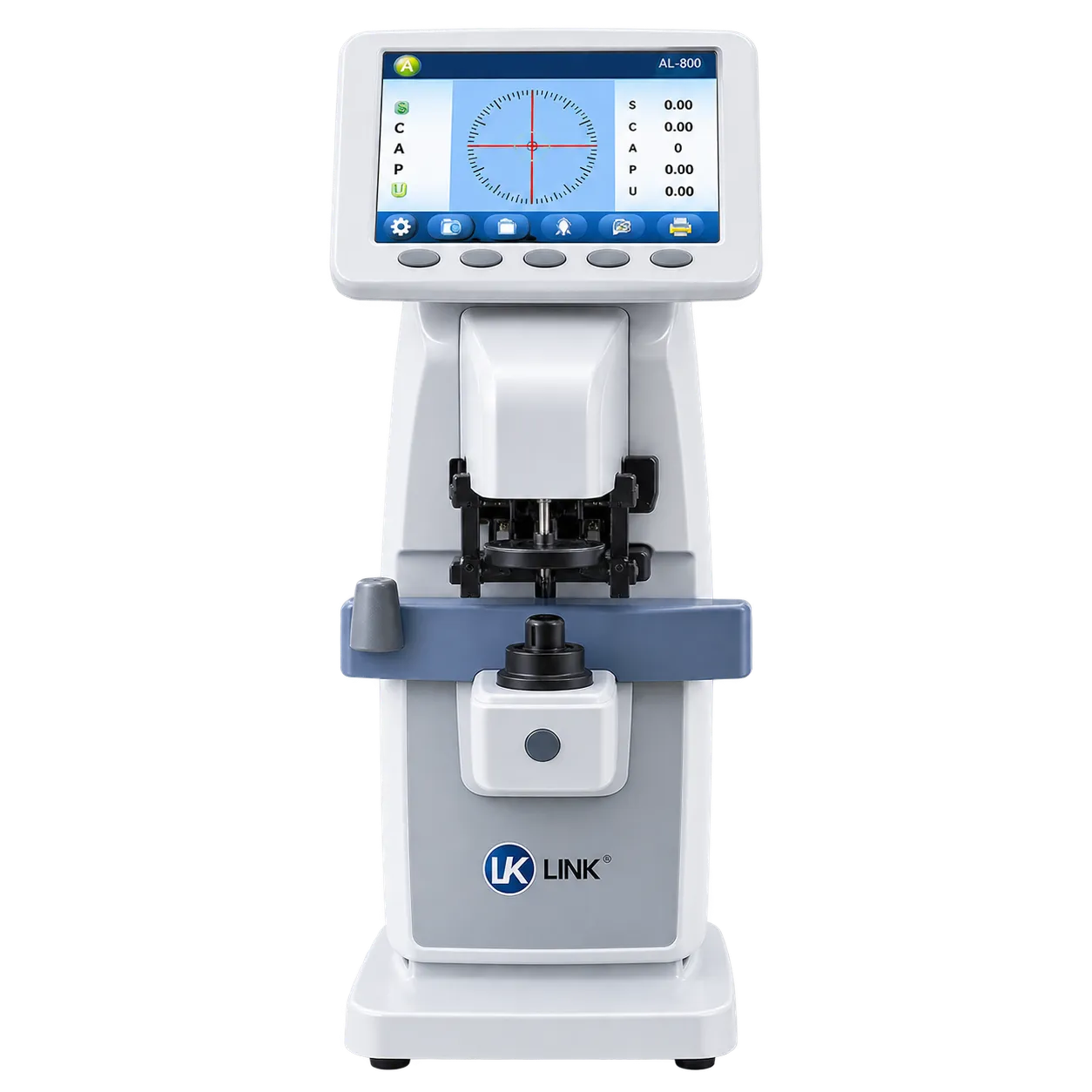
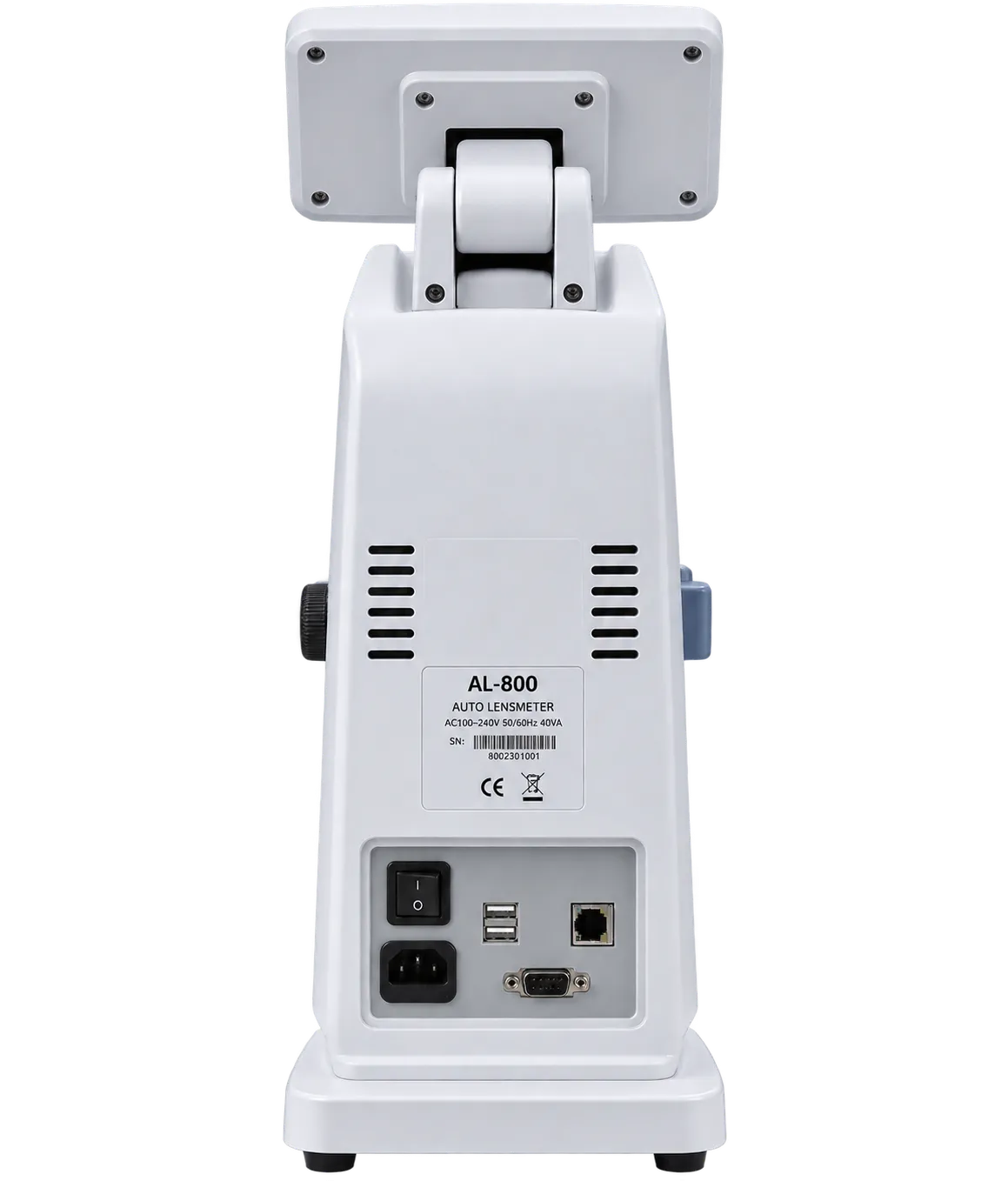

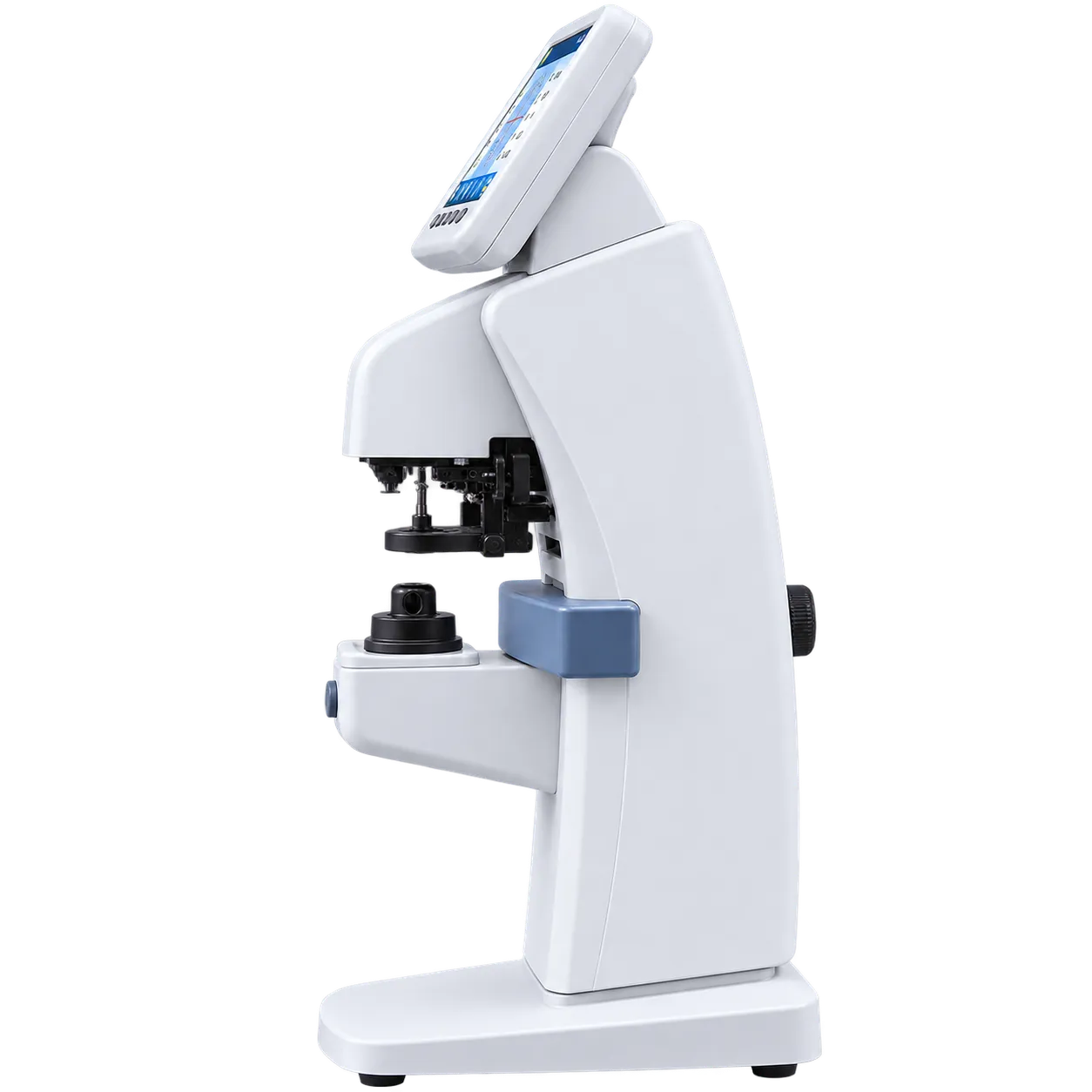
High-Power and Specialist Prescription Verification
The sphere range to plus or minus 35D takes the instrument well past ordinary dispensing into territory that routine equipment cannot reach. Aphakic corrections, high myopic prescriptions and specialist optical work all become verifiable in-house rather than requiring the lens to be sent elsewhere or accepted on trust. Because accuracy is stated in bands across the whole range, a result at the extreme end carries a known tolerance, which is precisely what makes it defensible to record.
Optically Difficult and Treated Lenses
Polarised, highly dispersive, solar film, scratched and multi-focus lenses are the ones that typically produce unstable or unobtainable readings. Multi-point Hartmann sampling combined with green illumination is aimed directly at this problem. For a laboratory handling varied work, the practical benefit is fewer lenses set aside as unmeasurable and fewer occasions where a technician has to judge by eye what an instrument should have confirmed.
Blue Light and Ultraviolet Performance Checking
Transmittance measurement for both ultraviolet and blue light supports a conversation that has become routine at the counter. Patients supplied with filtering coatings increasingly want to know what they have received, and a measured transmittance figure answers that far more convincingly than a product claim. It also gives the practice a way to check that supplied coatings perform as the order specified.
Contact Lens Verification on the Same Bench
With contact lens power from zero to plus or minus 25D and base curve from 6.00 to 9.00, contact lens checking joins spectacle verification on one instrument. Practices running both services avoid duplicated provision, and the base curve reading in particular gives an objective reference when a wearer reports that a replacement lens sits differently from the one it succeeded.