
Final Verification of Dispensed Spectacles
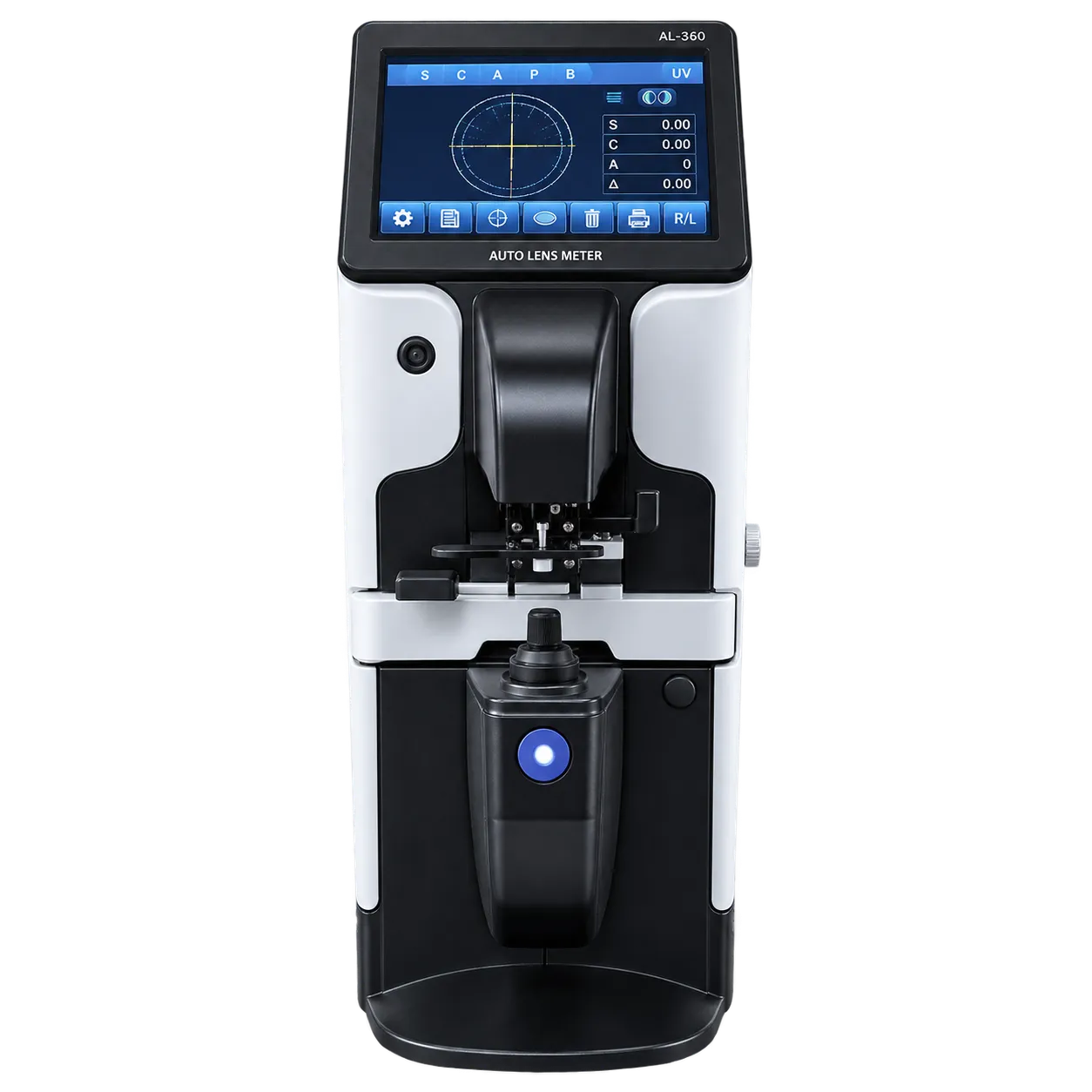
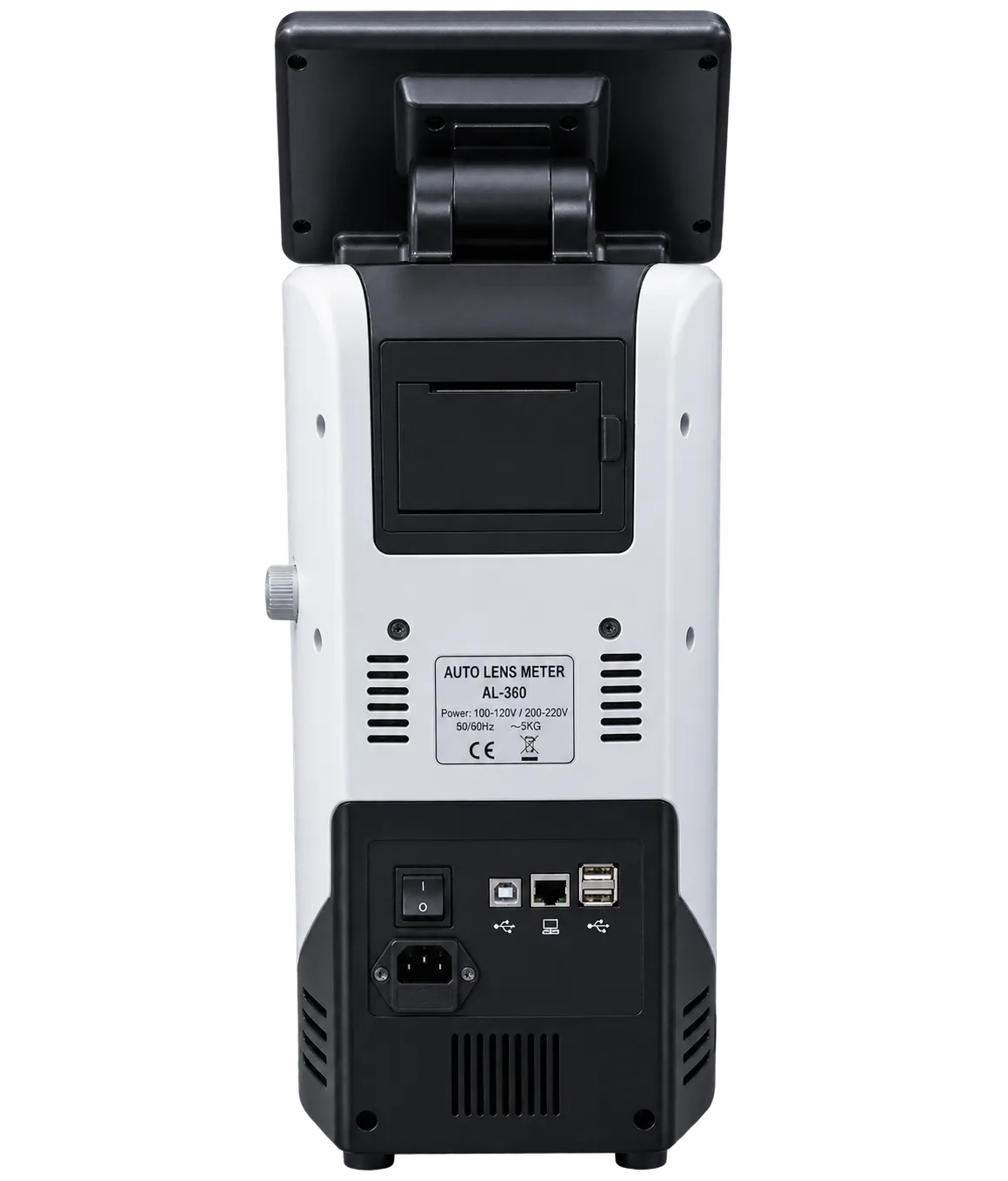
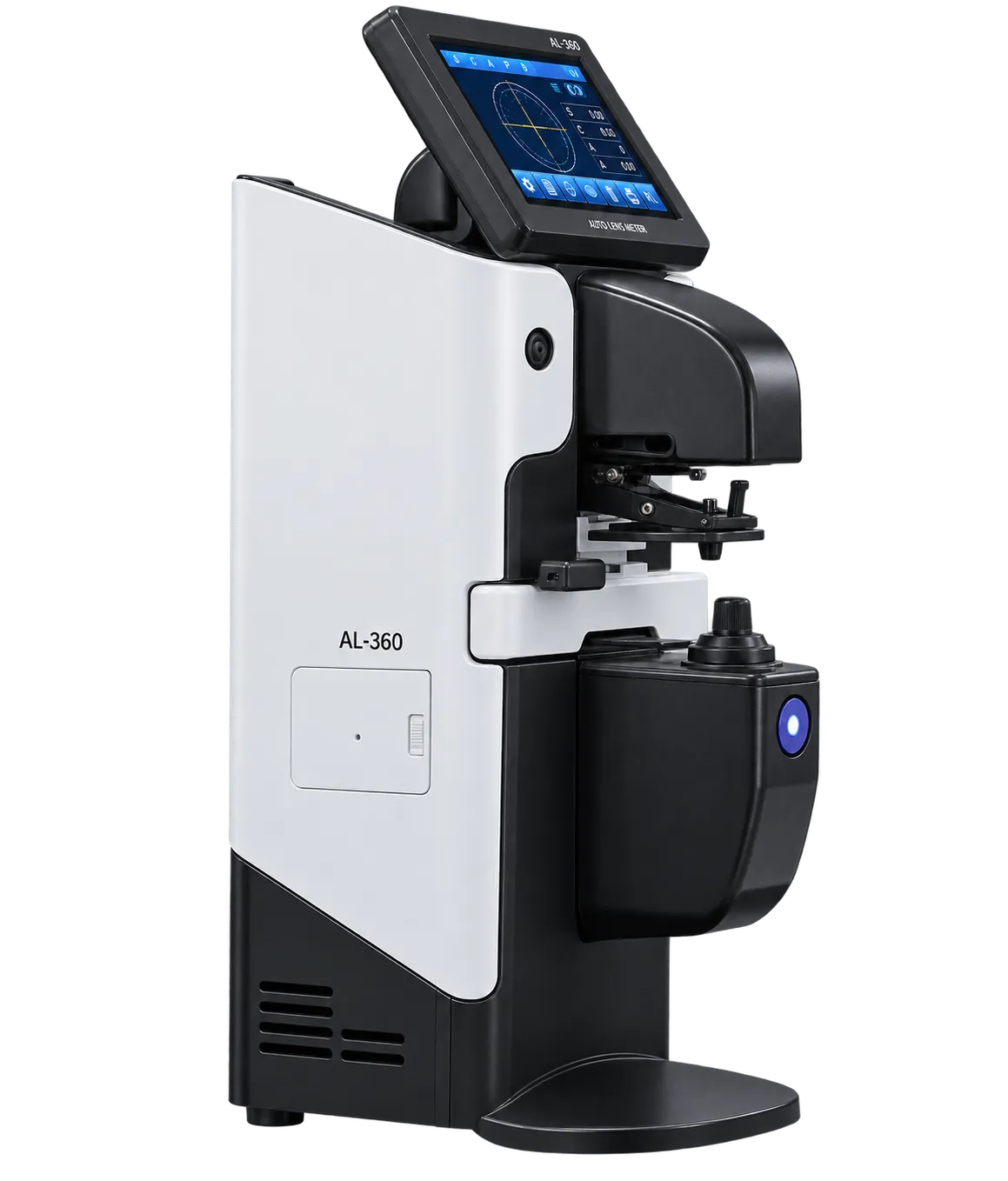
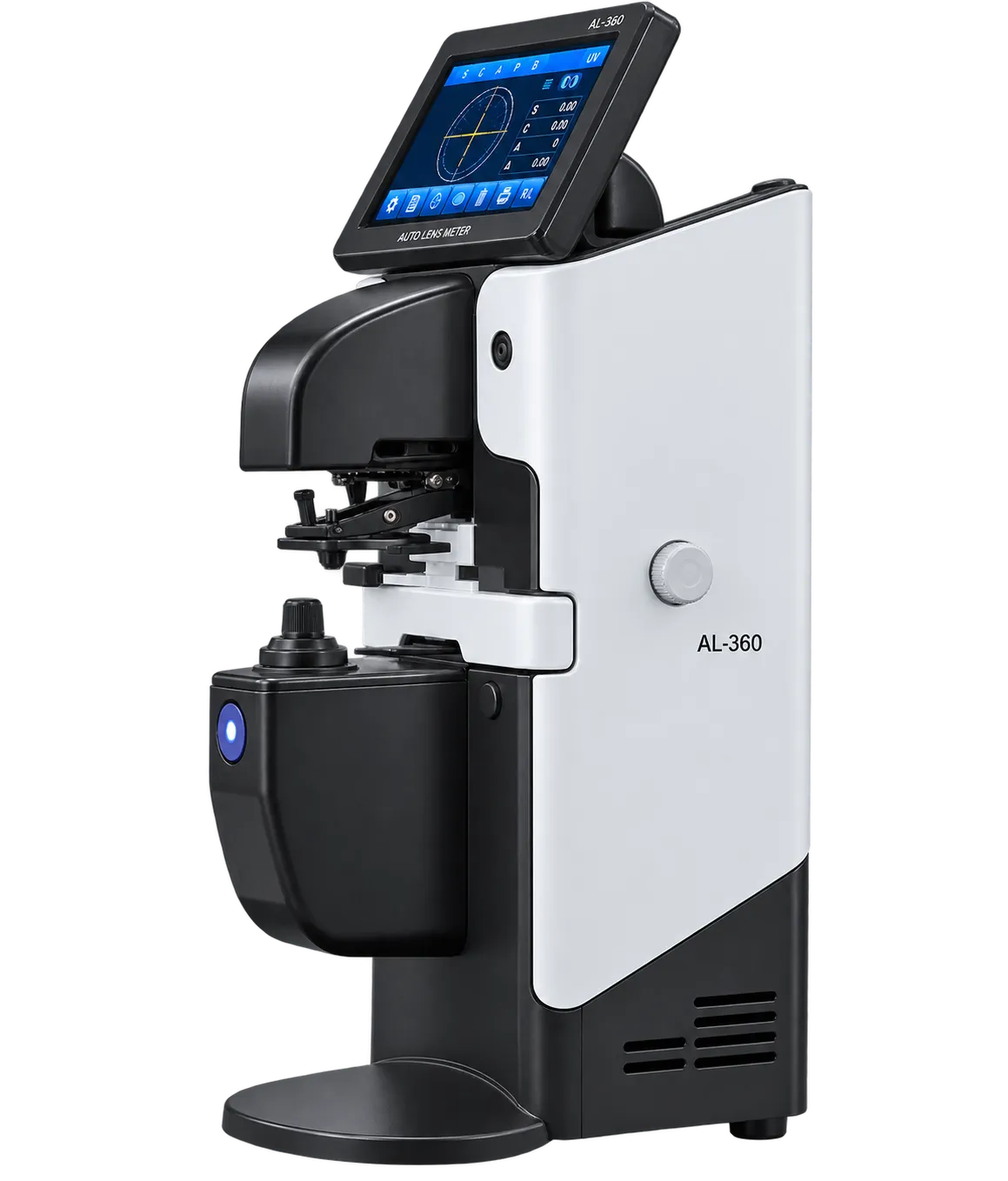
The core use is confirming that finished spectacles match what was prescribed. Sphere, cylinder, axis, addition and prism are checked against the order before the pair reaches the patient, and the tenth-of-a-second measuring speed means this happens without becoming a bottleneck. Catching a glazing discrepancy at the bench costs minutes; discovering the same error after collection costs a remake, a return visit and a measure of patient confidence that is considerably harder to rebuild.
Progressive and Complex Lens Work
Automatic recognition of progressive designs, combined with addition measurement to plus 9.99D and prism to 15 dioptres, makes the instrument suited to the more demanding end of dispensing. Progressive verification is where errors are easiest to make and hardest to spot by eye, so an objective reading matters most here. Prism display in either rectangular or polar notation means the figures can be read in whichever convention the prescribing record uses.
Contact Lens Power Checking
Soft and hard contact lenses are both within the measuring modes, allowing power to be confirmed directly rather than assumed from packaging. For practices fitting contact lenses, being able to verify a trial or replacement lens on the same bench instrument used for spectacles removes the need for separate provision and keeps the verification habit consistent across the whole dispensary.
Ultraviolet and Patient Reassurance Checks
The built-in ultraviolet tester supports conversations that come up regularly at the counter, particularly around protective and tinted eyewear. Being able to demonstrate a lens transmission result to a patient, rather than simply asserting the claim, is a practical trust-builder and helps when someone questions whether the eyewear they were supplied is doing what was promised.