

Consulting Rooms Without a Long Throw
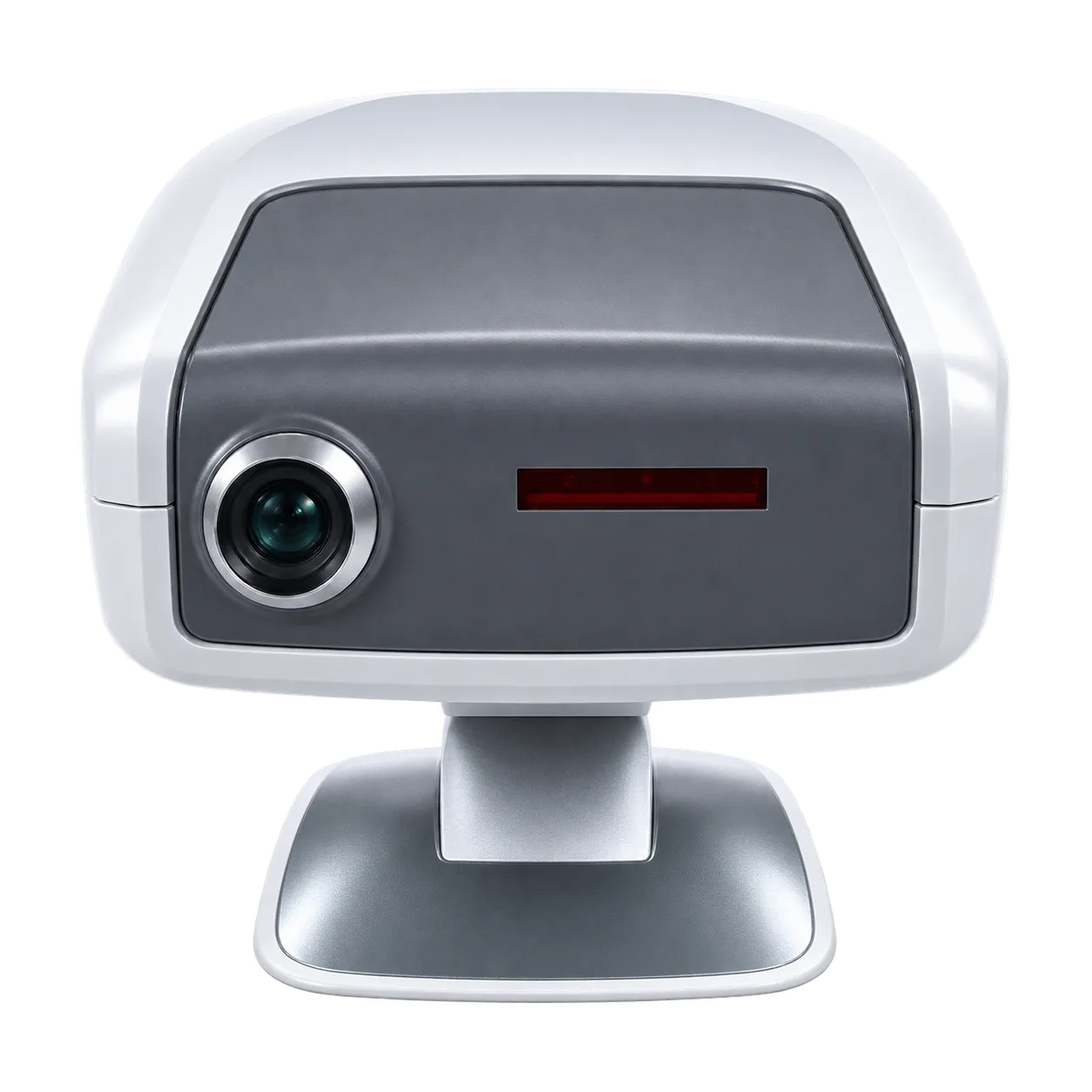
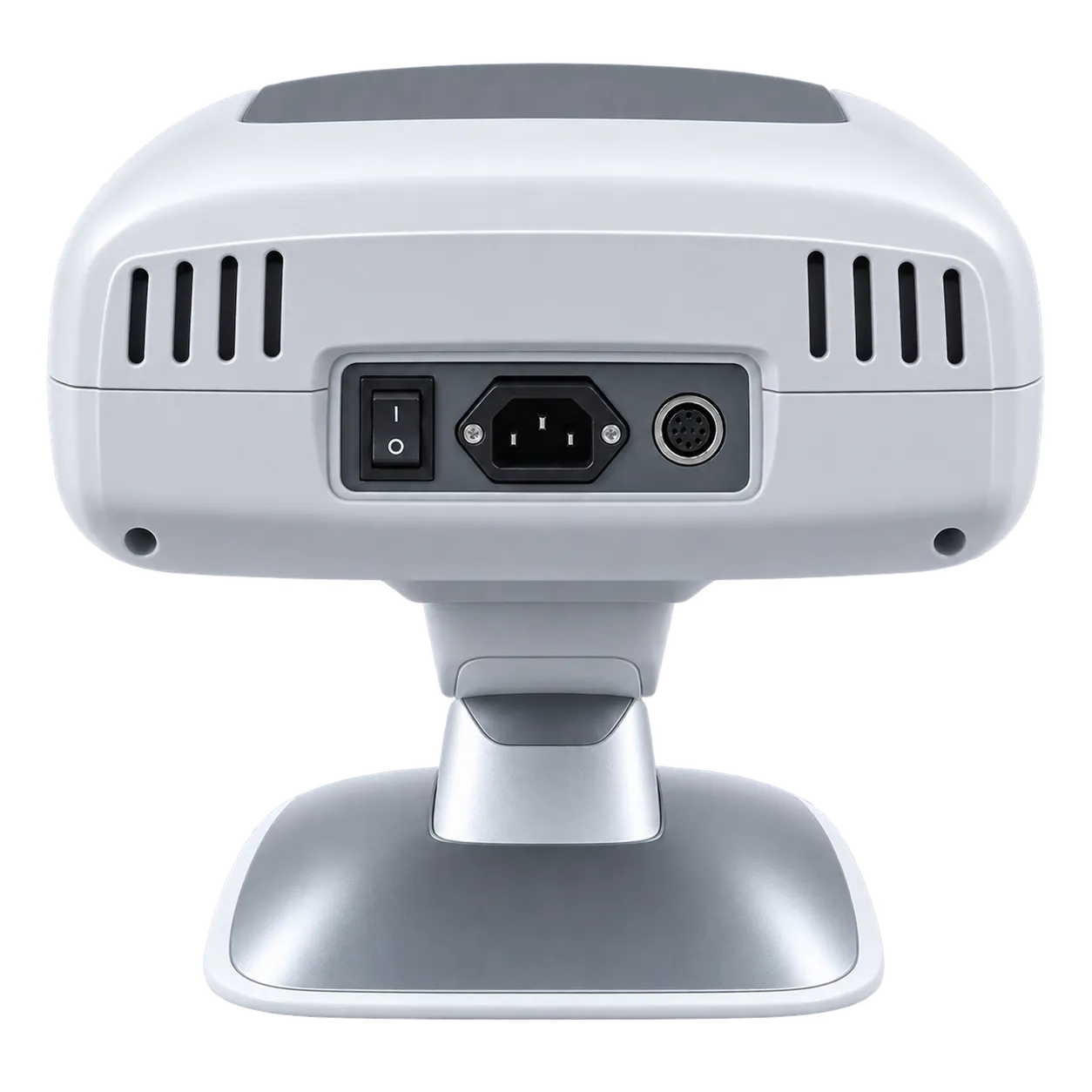
A projection range starting at 1.5m is the specification that decides whether this instrument fits a given room. Many practices work from converted premises where a six metre sight line simply does not exist, and the usual answer is a mirror arrangement that complicates installation and reverses the charts. Being able to project usefully from a much shorter distance removes that complication entirely and opens up rooms that would otherwise need rethinking before any equipment arrived.
Standardised Examination Sequences
Two programmes of up to 30 steps each let a practice encode its standard examination order and follow it identically every time. That consistency matters for comparing results across visits, because acuity measured through a different sequence of presentations is not measured under quite the same conditions. It also helps where several practitioners share a room, since the sequence no longer depends on individual habit.
Isolating Lines and Characters
Thirty five masks allow a single line or single character to be shown alone. Patients who lose their place on a full chart, those with reduced acuity working near their threshold, and children who read across rather than down all benefit from seeing only what is being asked of them. Crowding effects are a genuine phenomenon rather than a matter of convenience, and masking addresses them directly.
Duochrome and Binocular Balance Work
Red and green filtration supports duochrome refinement of the spherical endpoint, and a binocular balance chart mode is included among the five provided. Both belong to the closing stages of a refraction, and having them within the same projector as the acuity charts means the sequence runs without changing anything in the room or asking the patient to look elsewhere.