
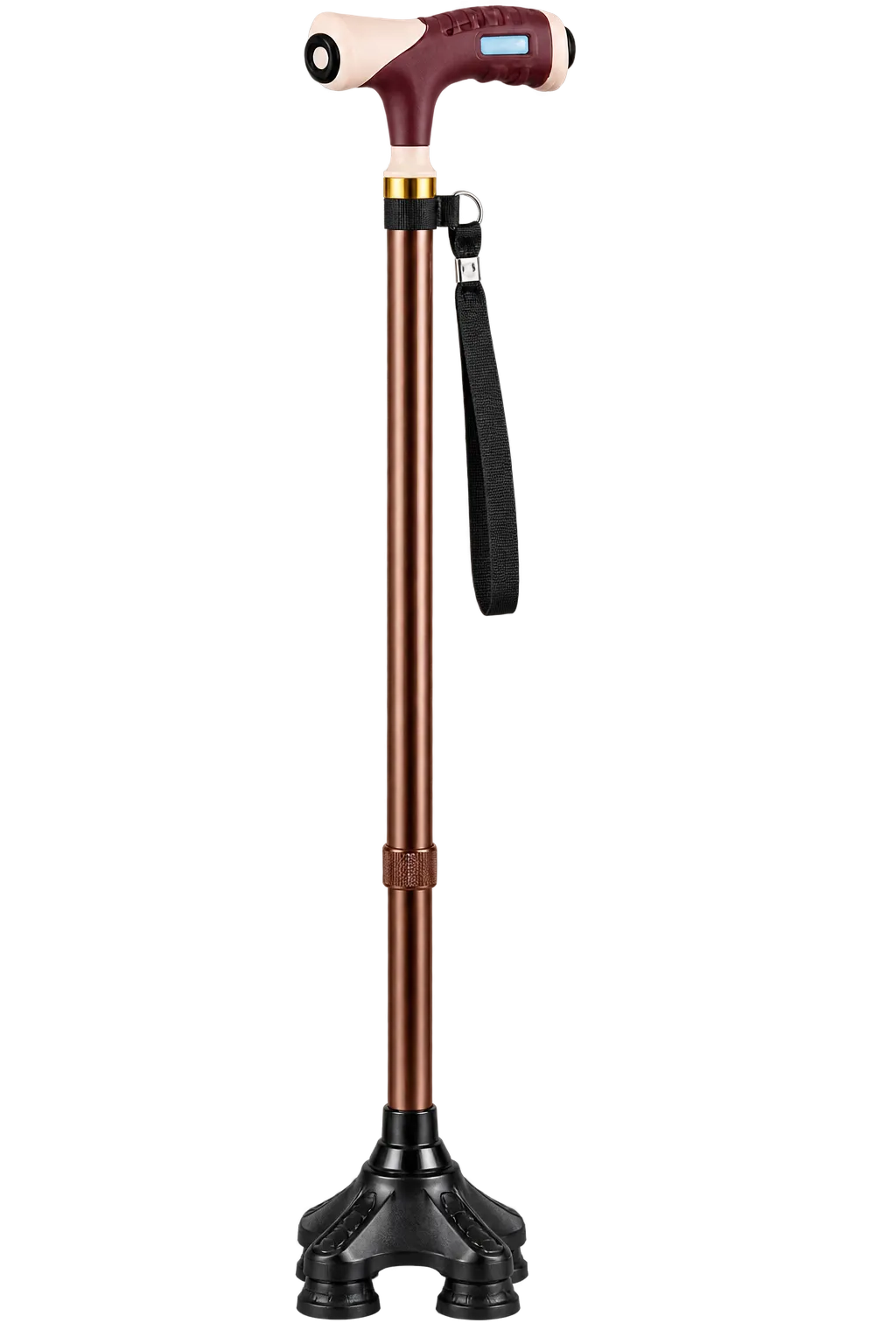
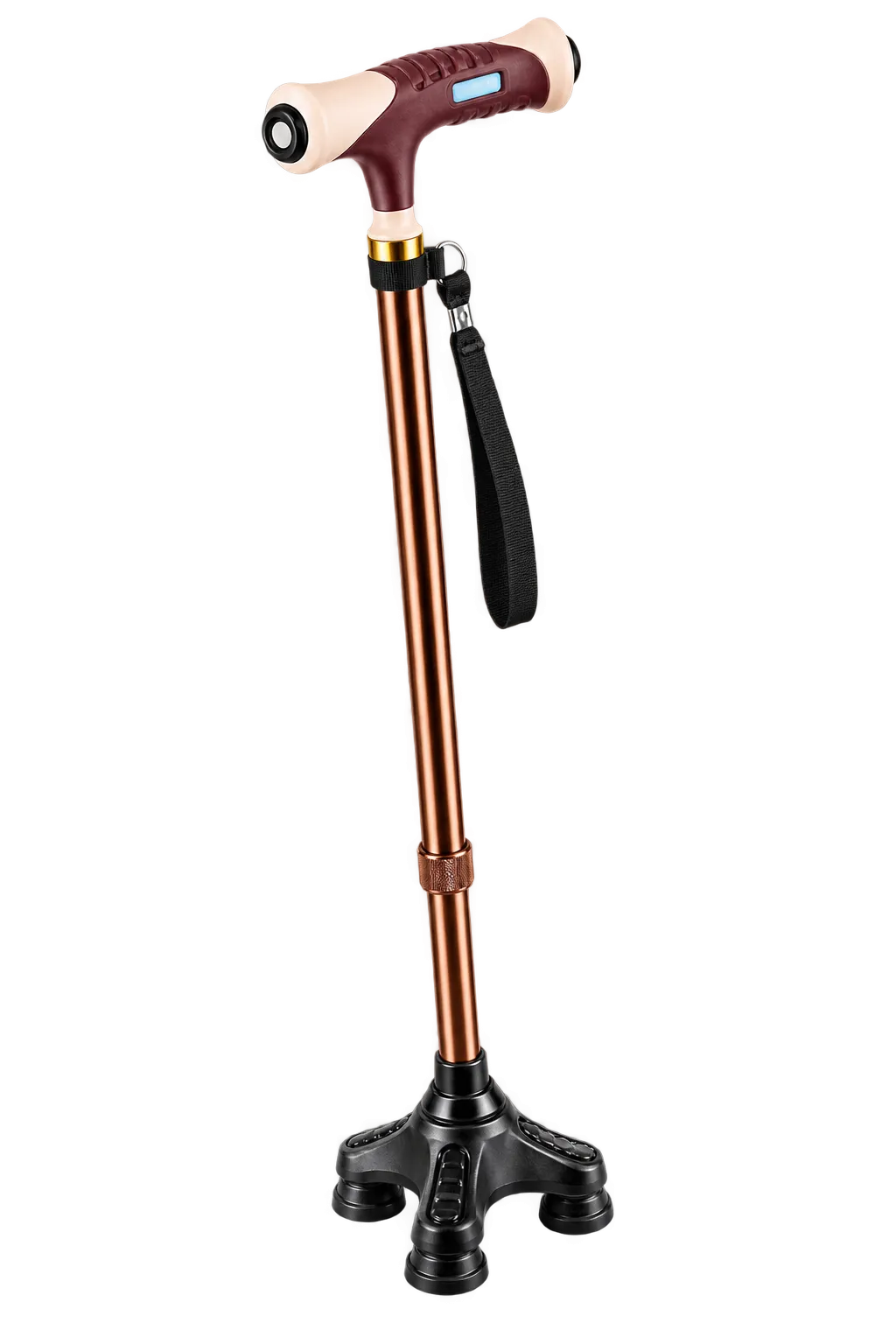
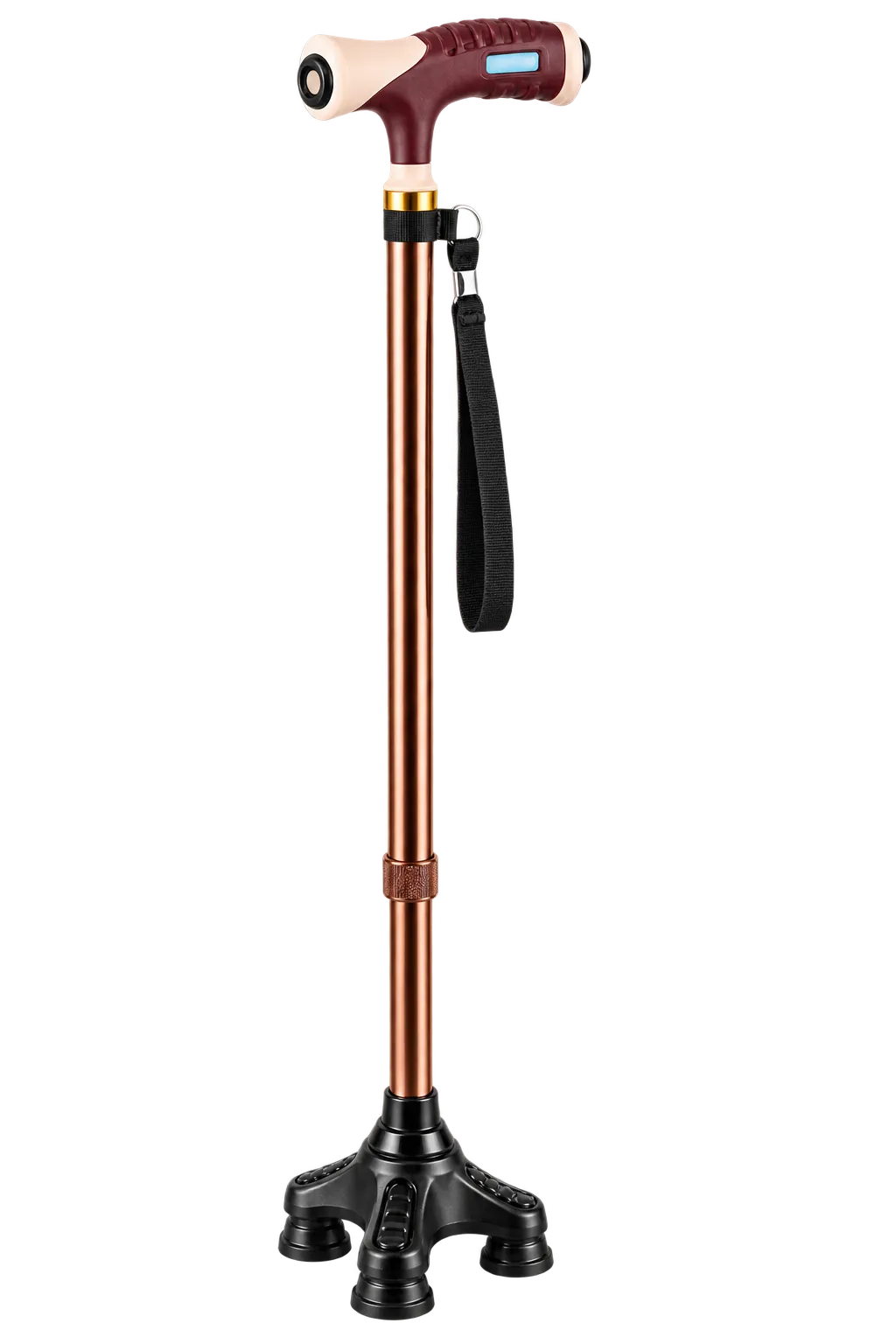
Assessment should start with the routes rather than the product. A spread base earns its place on level outdoor walking and loses it on stairs, kerbs and cambered pavements — so where somebody actually goes determines whether this is the right tip for them.
Physiotherapy should cover what happens when a pad lifts, because the transition is silent. Somebody trusting a base to resist a lean needs to know it becomes narrower on a slope, and that the surfaces where they most want it are the ones that reduce it.
Equipment services should check the pads as a set rather than individually. Unequal wear leaves a base that rocks on level ground, and it is far less obvious than a single worn tip because the base still looks complete.
Anybody issuing it should confirm the orientation and whether a plain ferrule fits the same shaft, since that turns one stick into two options. Routes across NHS trusts, local authority equipment services and independent providers each ask for their own evidence. The conformity documentation those procurement routes require is issued by the manufacturer and provided by the seller.