
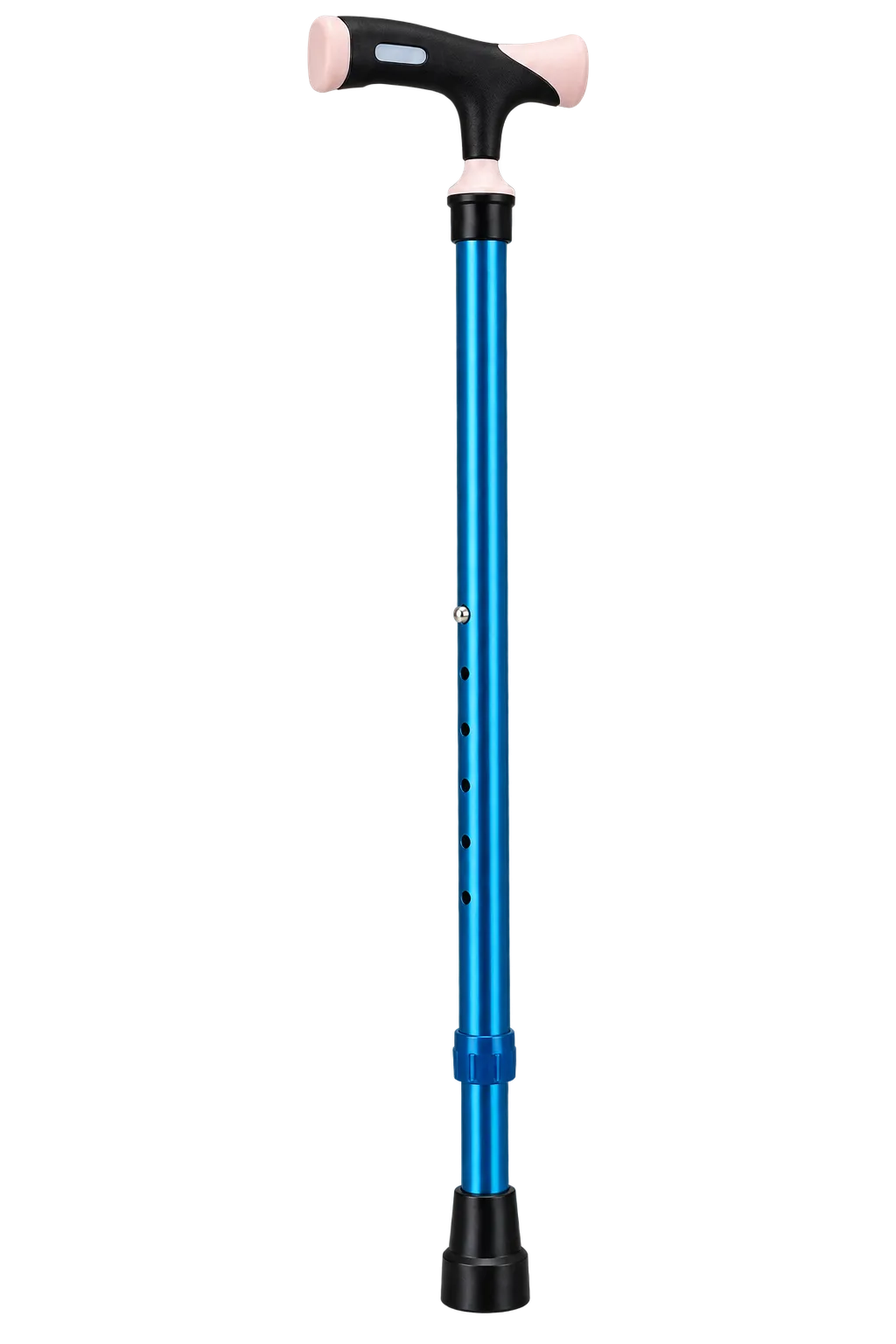
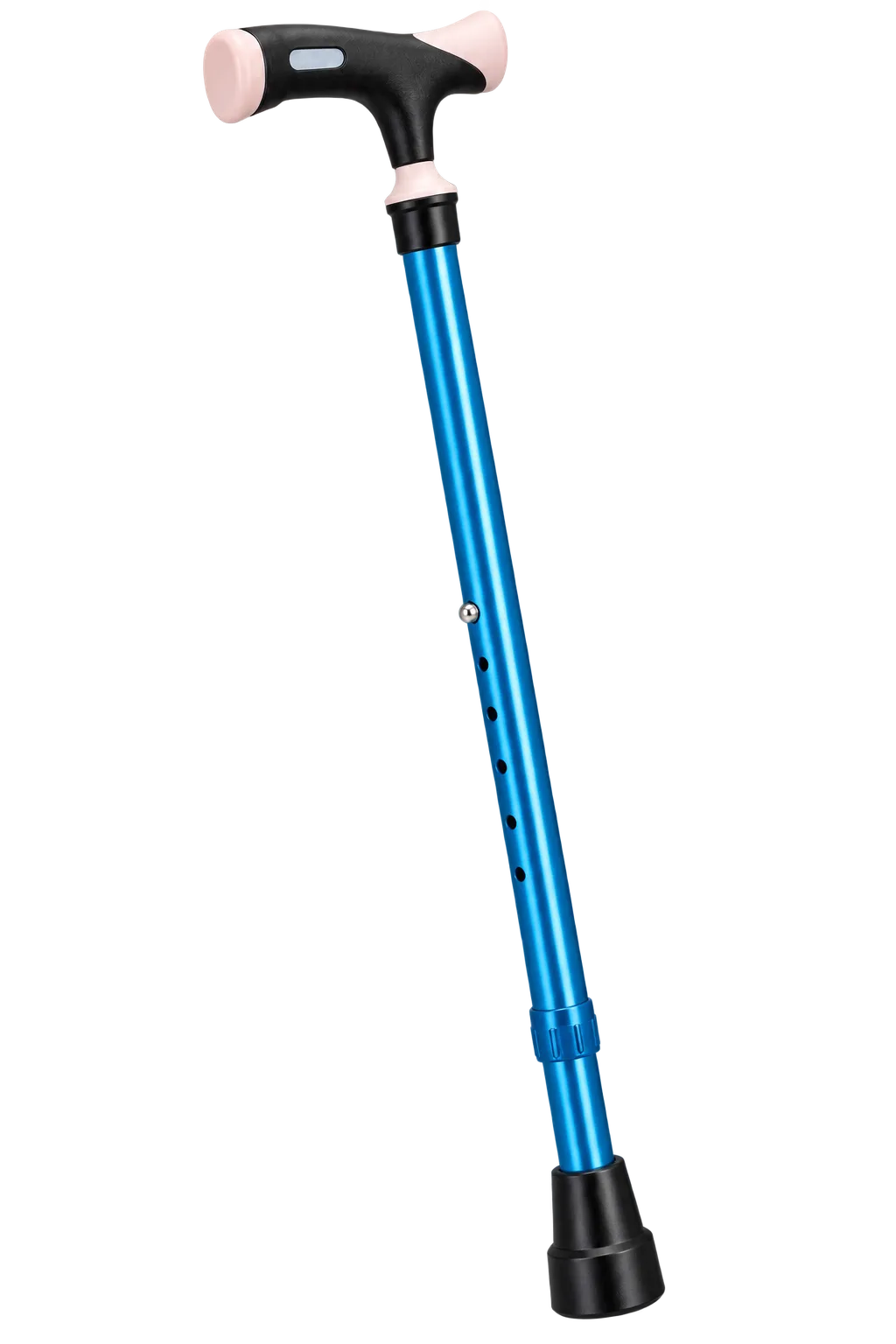
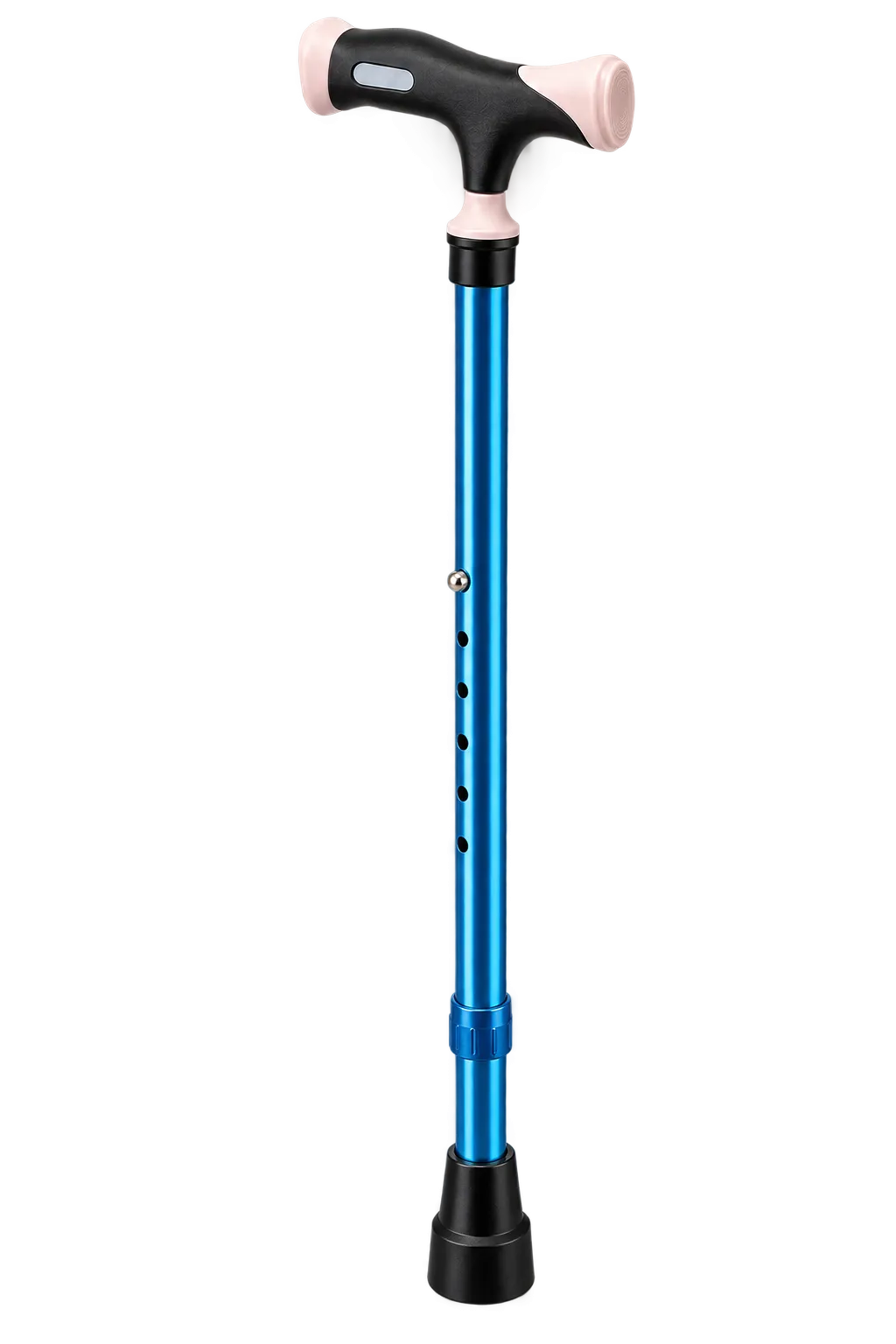
Physiotherapy determines the side, and the handle has to follow it. A stick is ordinarily used in the hand opposite the affected leg, so handedness is a clinical specification rather than a customer preference — and it needs to travel with the order.
Equipment stores should hold handedness on the record alongside the height. It is the detail most easily lost between assessment and reissue, because a stick in a rack gives no clue which hand it was meant for.
Anybody issuing the stick should record the hand, the height, the date and who set it. That entry is what makes a reissue safe and a recheck quick.
Procurement should establish whether both hands are available and stocked, since a handed product offered in one version only serves half the people who need it. Routes across NHS trusts, local authority equipment services and independent providers each ask for their own evidence. The conformity documentation those procurement routes require is issued by the manufacturer and provided by the seller.