
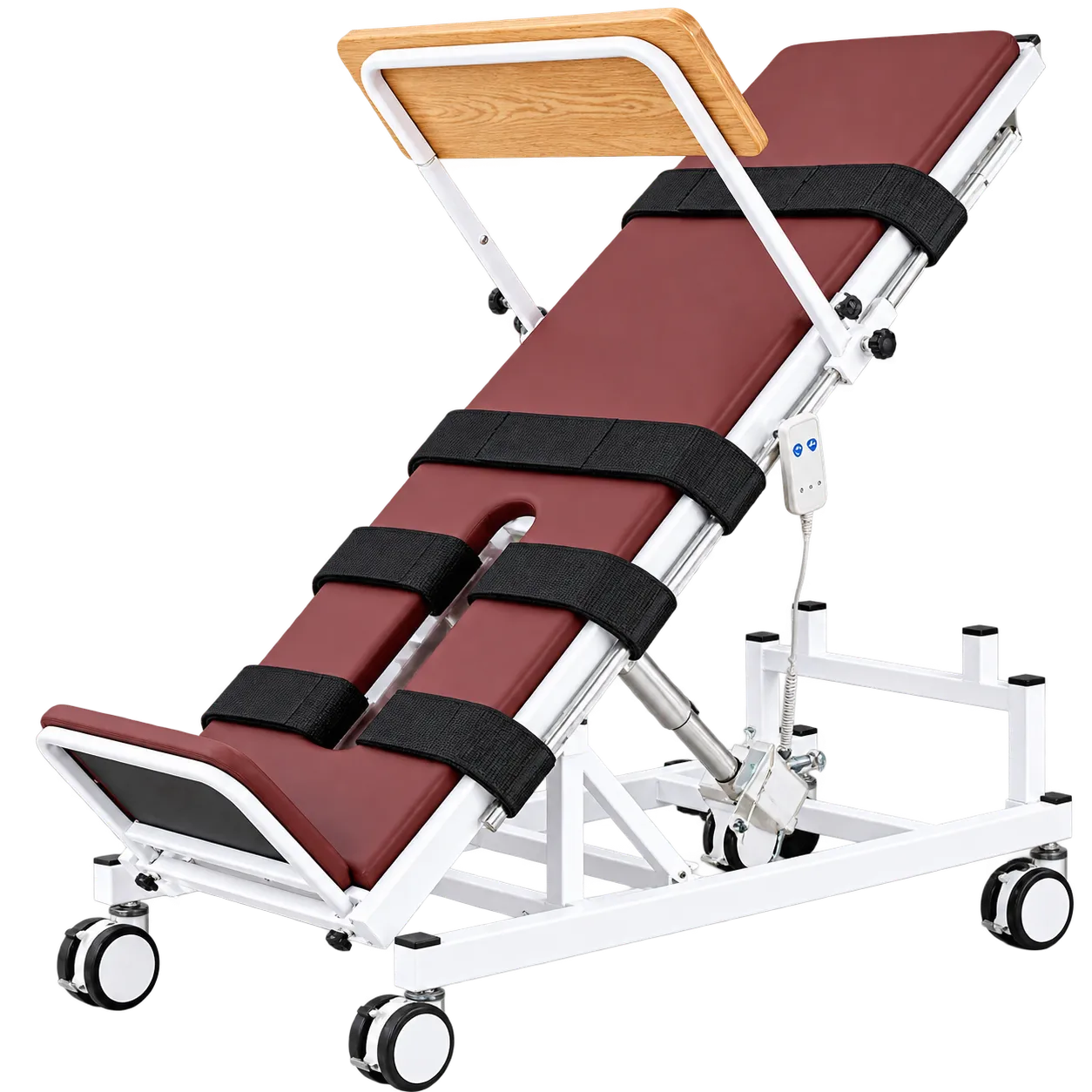
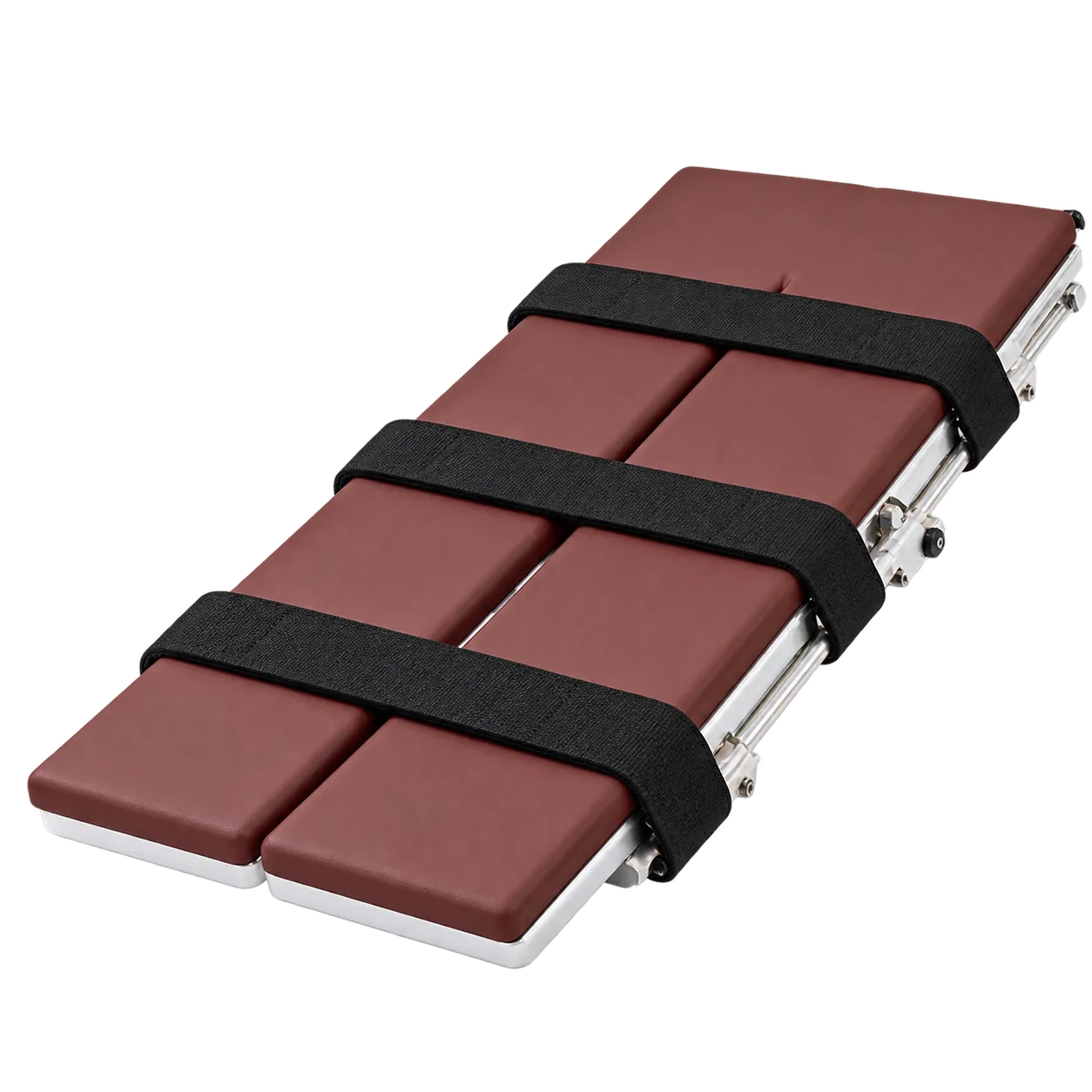
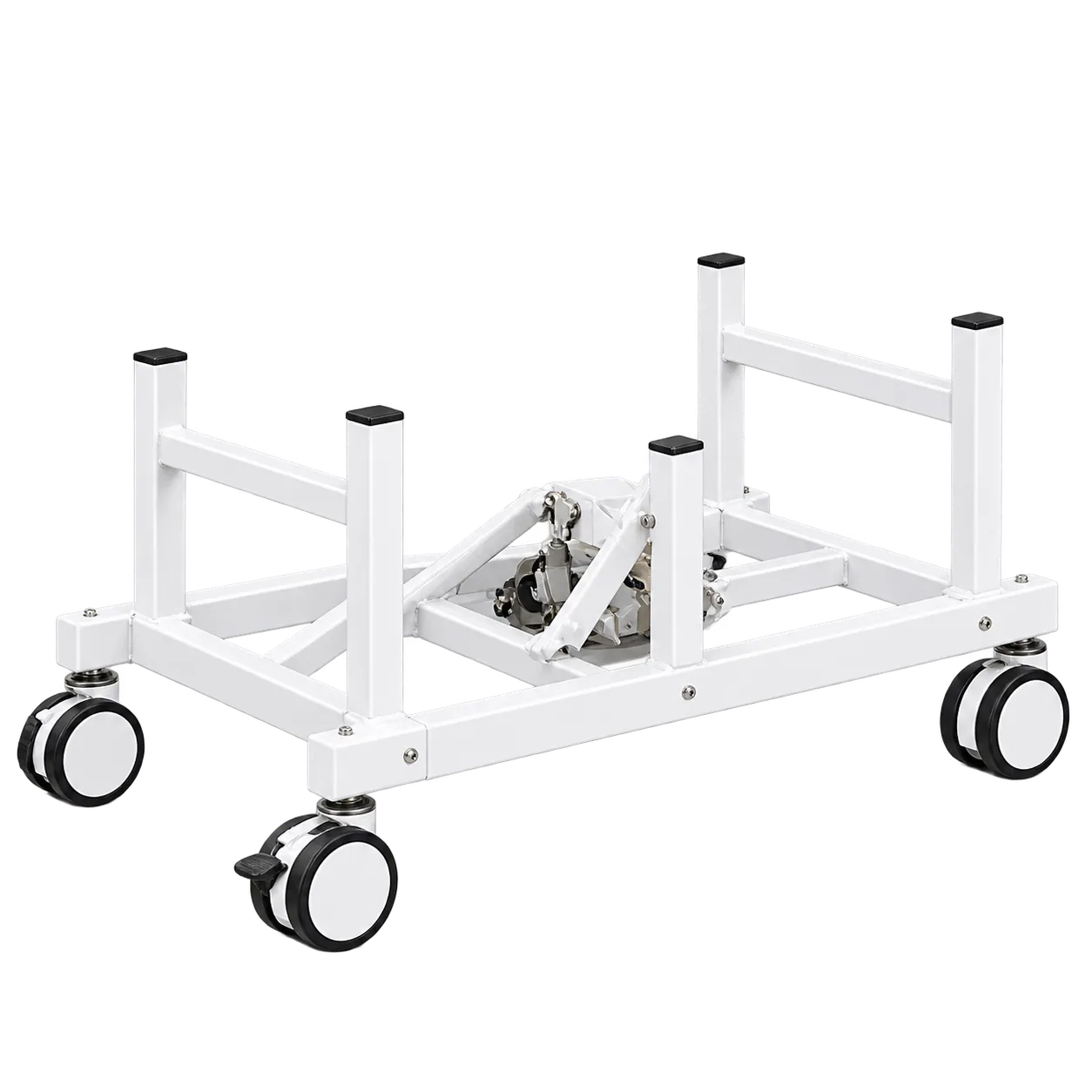
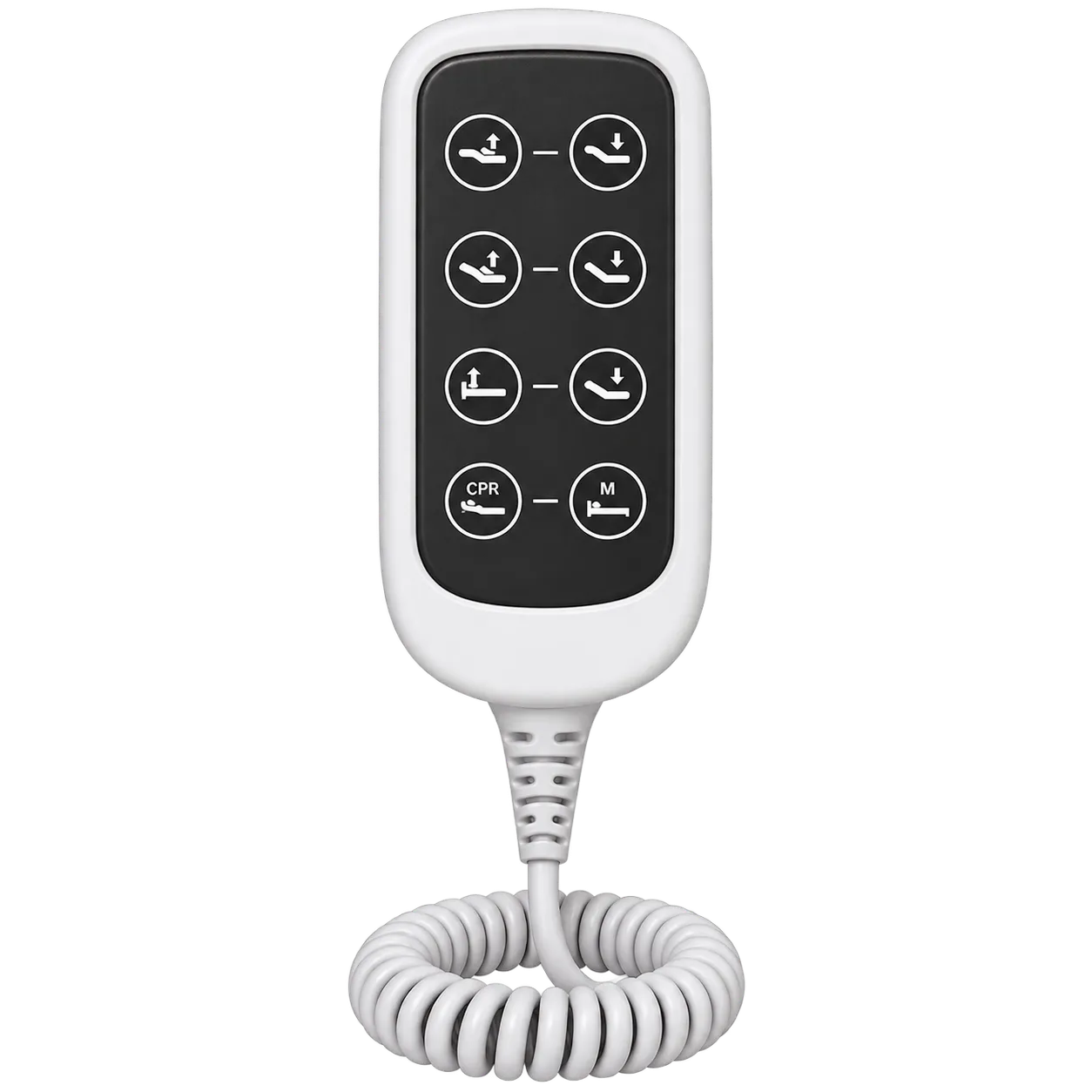
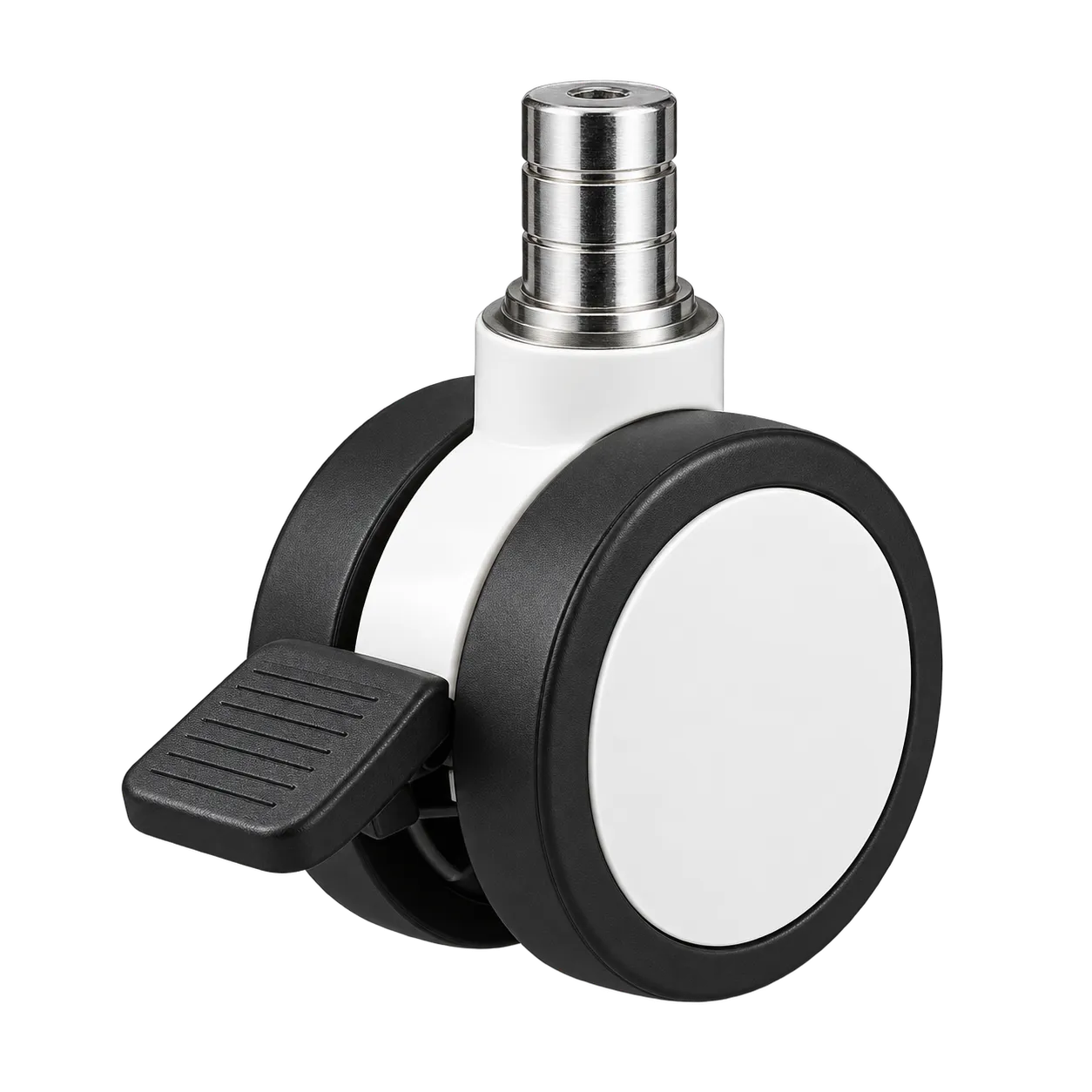
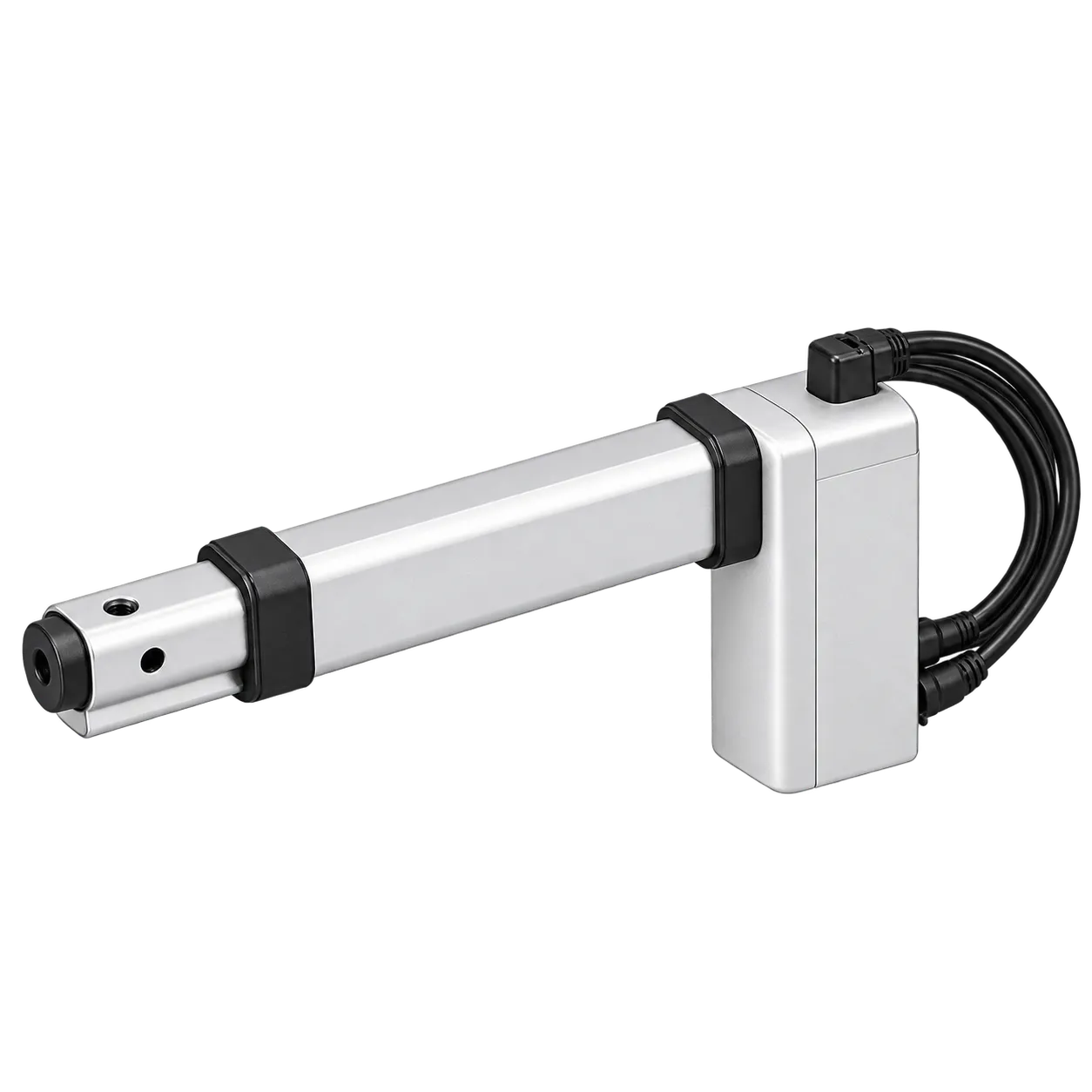
Rehabilitation and reablement services are the main buyers, and the ones for whom fit does most of the work. A caseload of adults spans a wide range of heights, leg lengths and trunk proportions, and a frame with fixed geometry will suit part of it well and part of it poorly. Services running a standing programme should establish the usable height band before purchase and record it alongside the equipment, so referrals can be screened against it rather than discovered at the first session.
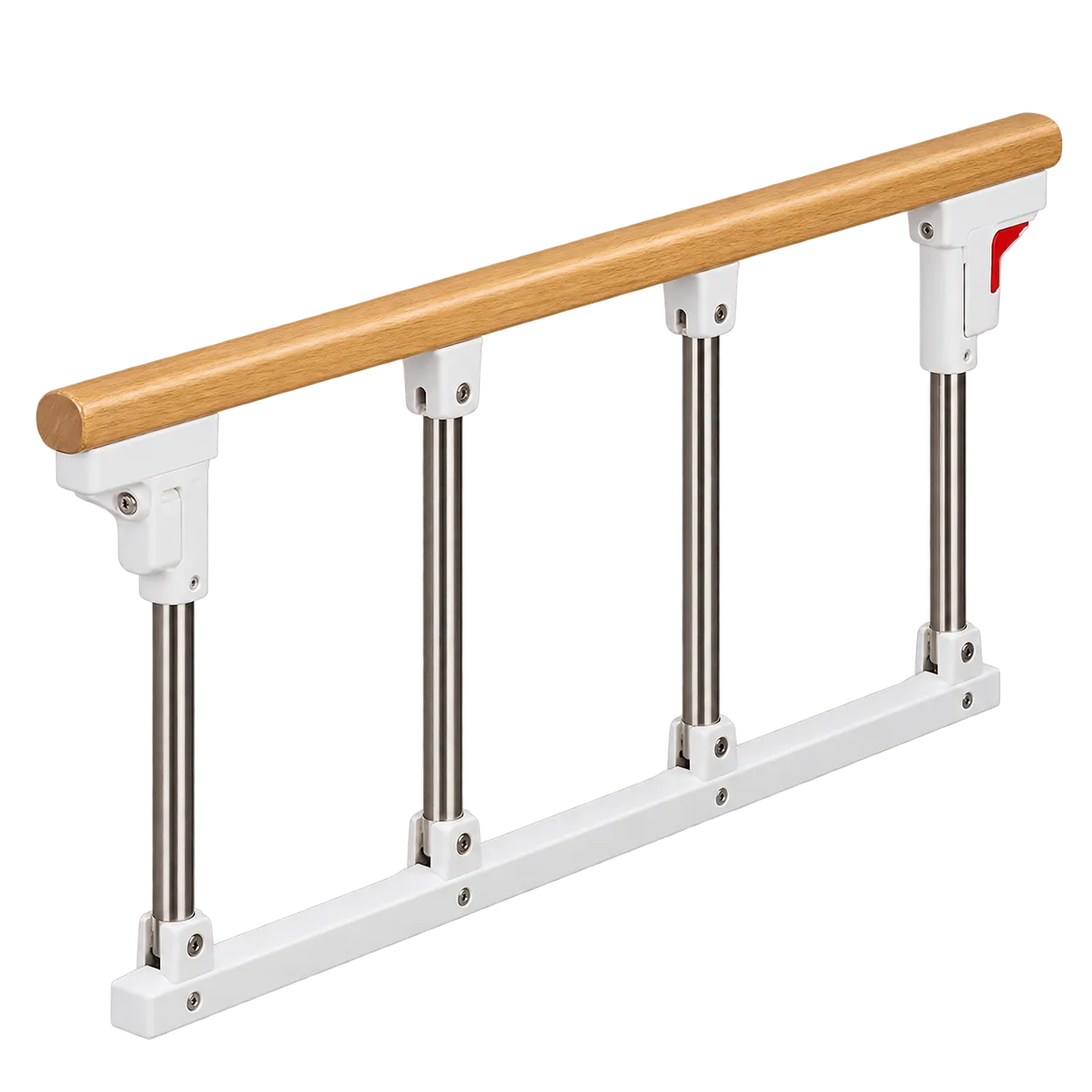
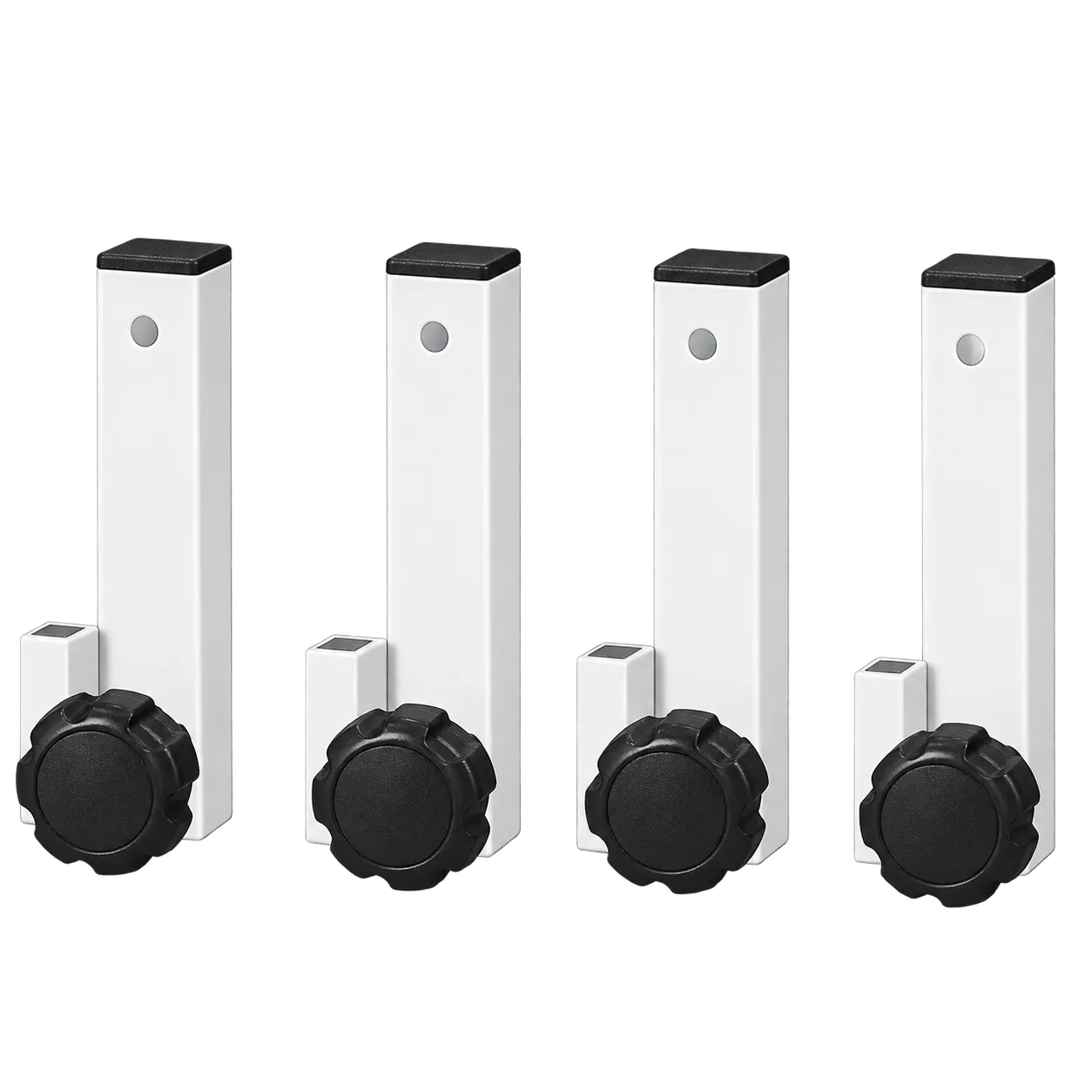
Long-term neurological and complex care settings use standing over months rather than weeks, and body proportions change across that period. Muscle loss, contracture and weight change all shift where straps sit and how far the feet reach, so a fit that worked at the start of a programme is worth re-checking during it. The stainless steel guardrail and four drainage hooks suit a patient with lines or a catheter in place through a session.
Community equipment services and home placements add practical constraints on top of fit: a socket that stays free, floor and ceiling clearance nobody has measured, and a documented plan for a power cut while someone is upright. In a home the equipment usually serves one named person, which makes an individual fit assessment straightforward to justify and easy to record.
Across all three, the buying decision benefits from a supervised trial with the intended patient before commitment, and from a dimensioned drawing showing strap positions and foot support distance. Procurement routes across NHS trusts, local authority equipment services and independent providers each ask for their own evidence. The conformity documentation those procurement routes require is issued by the manufacturer and provided by the seller.