
Whoever holds equipment governance needs the LOLER regime in place before the device arrives — a competent person identified, a six-month cycle diarised, and a place for the reports. A transfer lift without that is equipment that cannot lawfully be used at work.
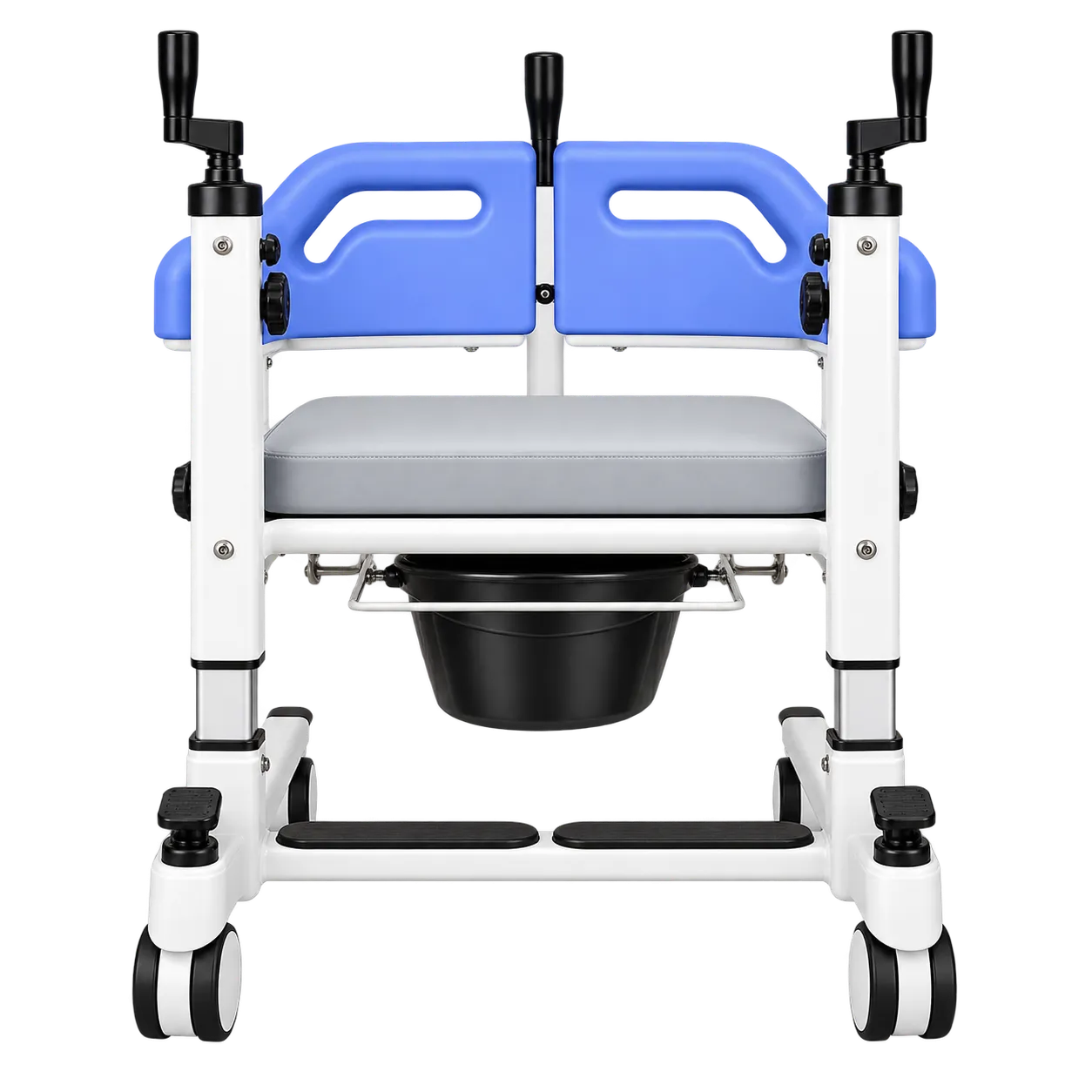
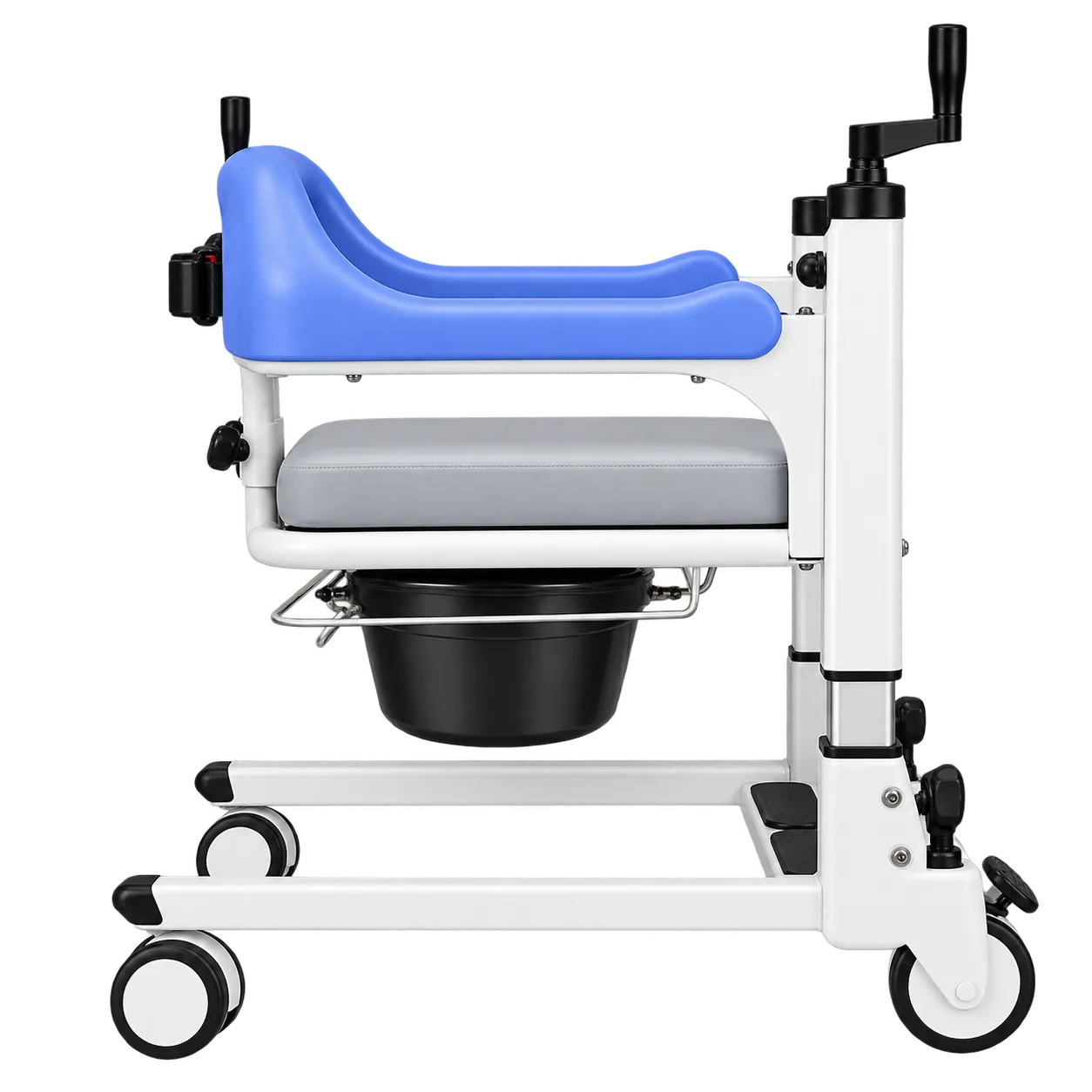
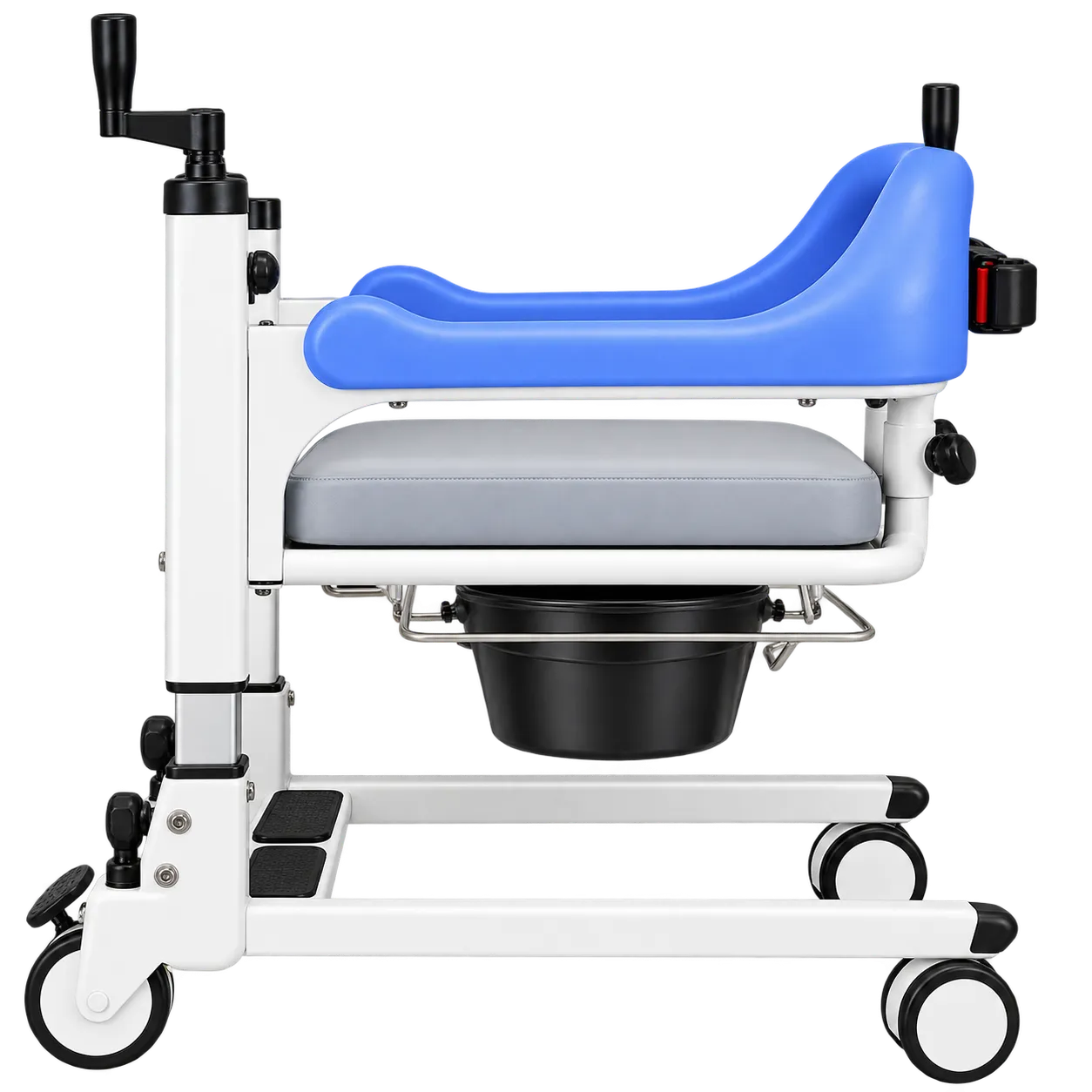
Moving-and-handling leads should obtain the safe working load and the crank forces together. The first decides who the device suits; the second decides who can operate it, and on a manually driven lift both bear on whether a single carer can complete a transfer.
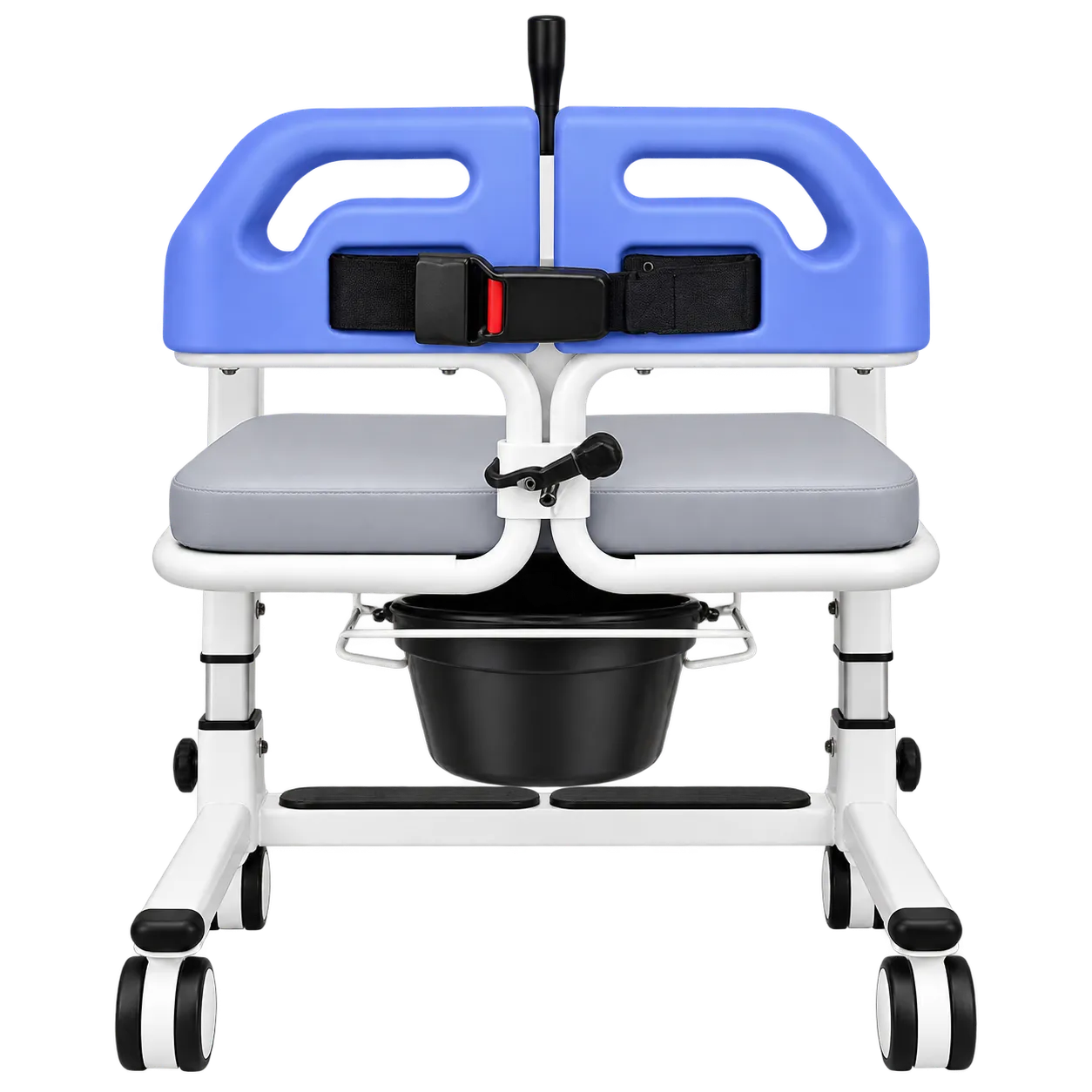
Care planning should treat the restraint straps as a decision rather than a default. Securing somebody for a transfer is different from leaving them secured, and the release arrangement matters — particularly whether it works one-handed.
Infection prevention should cover the commode aperture, the pan and the split seat halves. Routes across NHS trusts, local authority equipment services and independent providers each ask for their own evidence. The conformity documentation those procurement routes require is issued by the manufacturer and provided by the seller.