
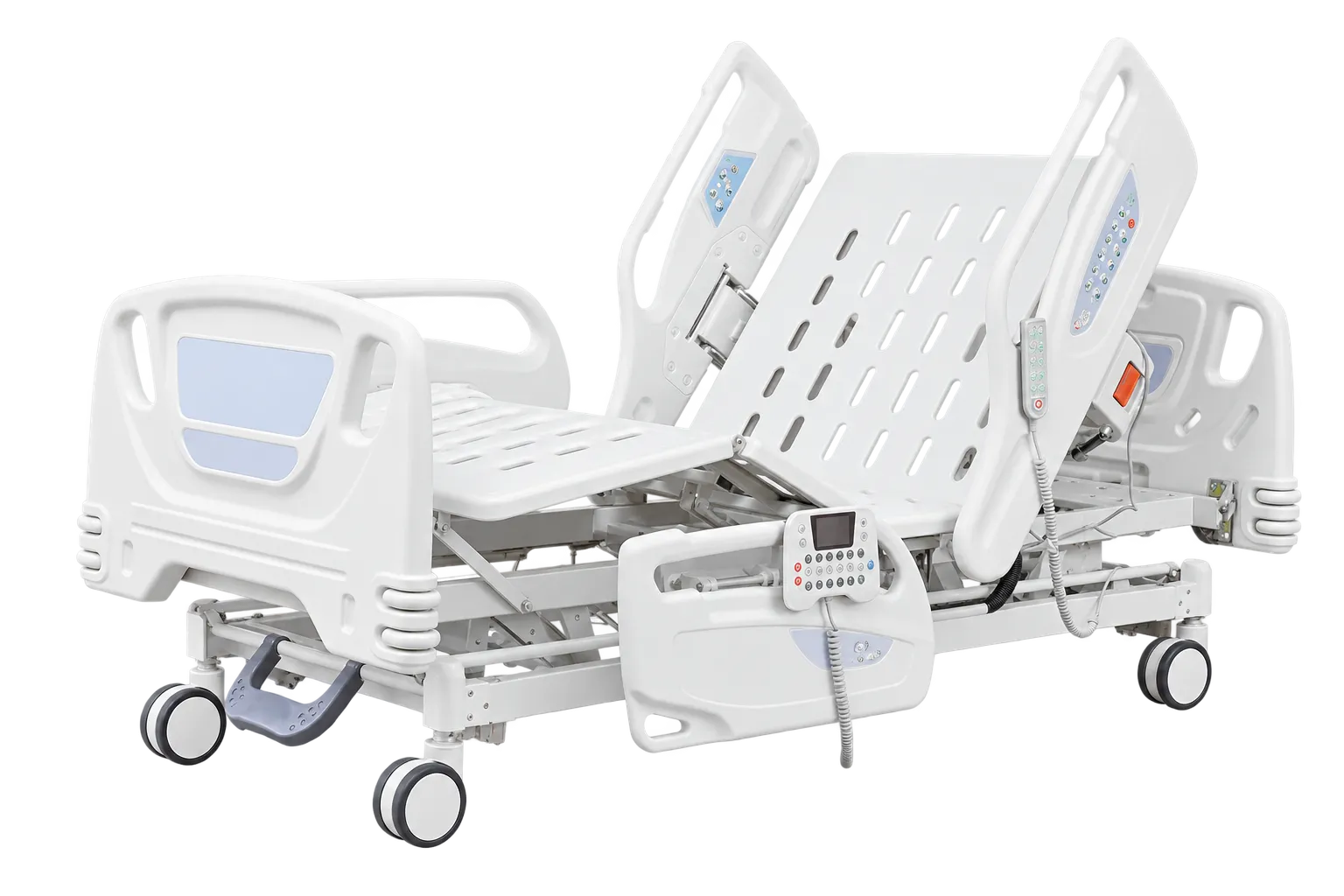
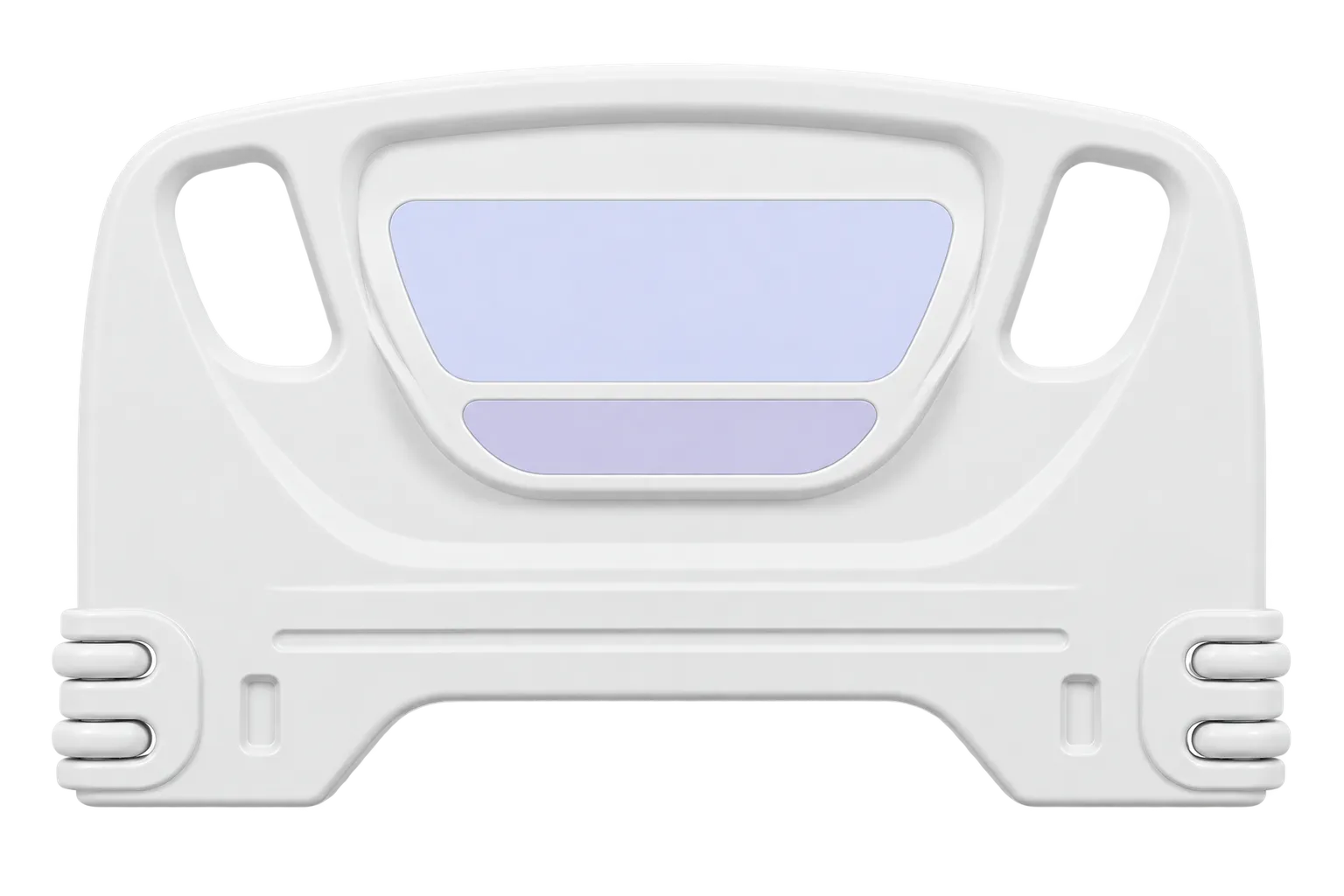
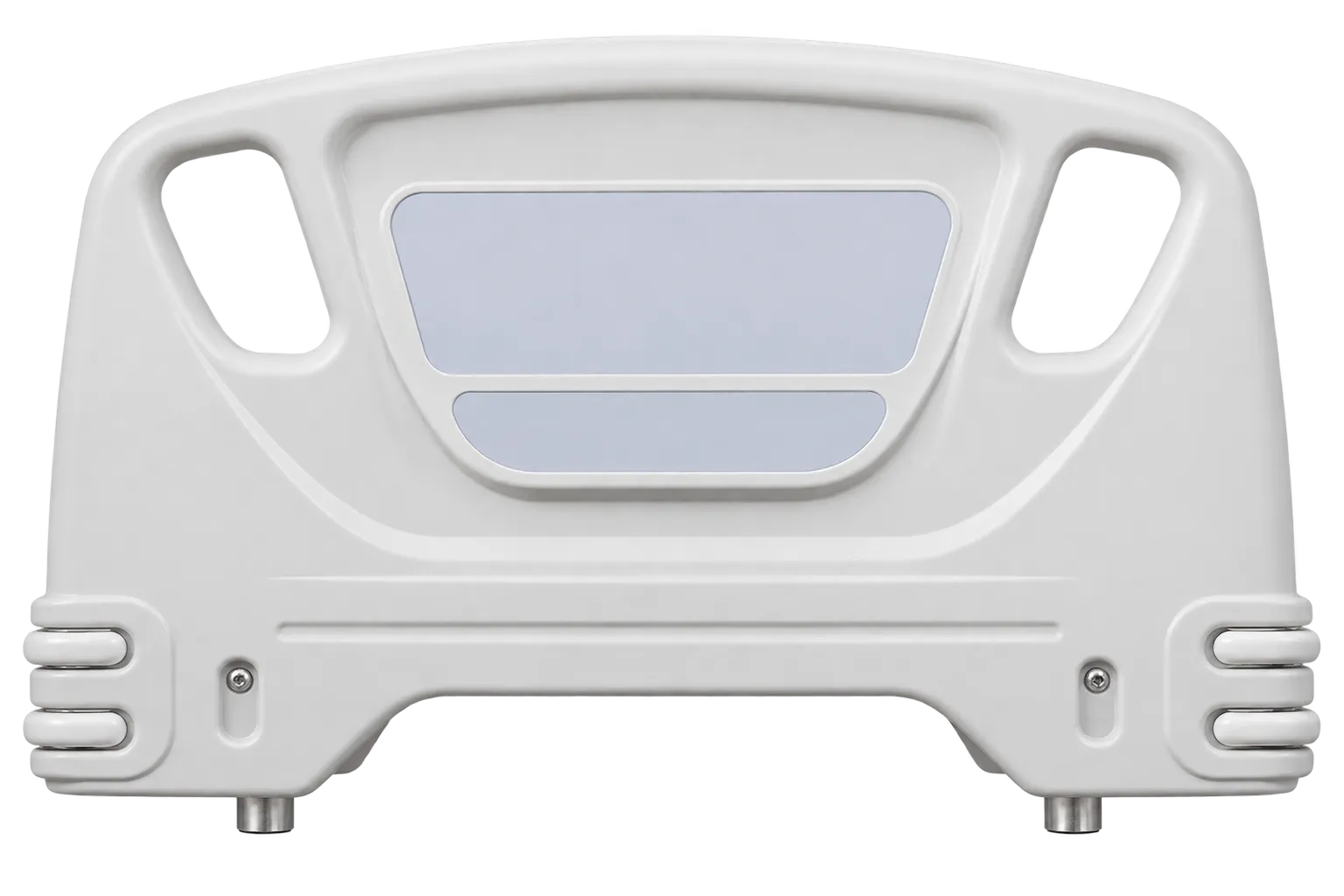
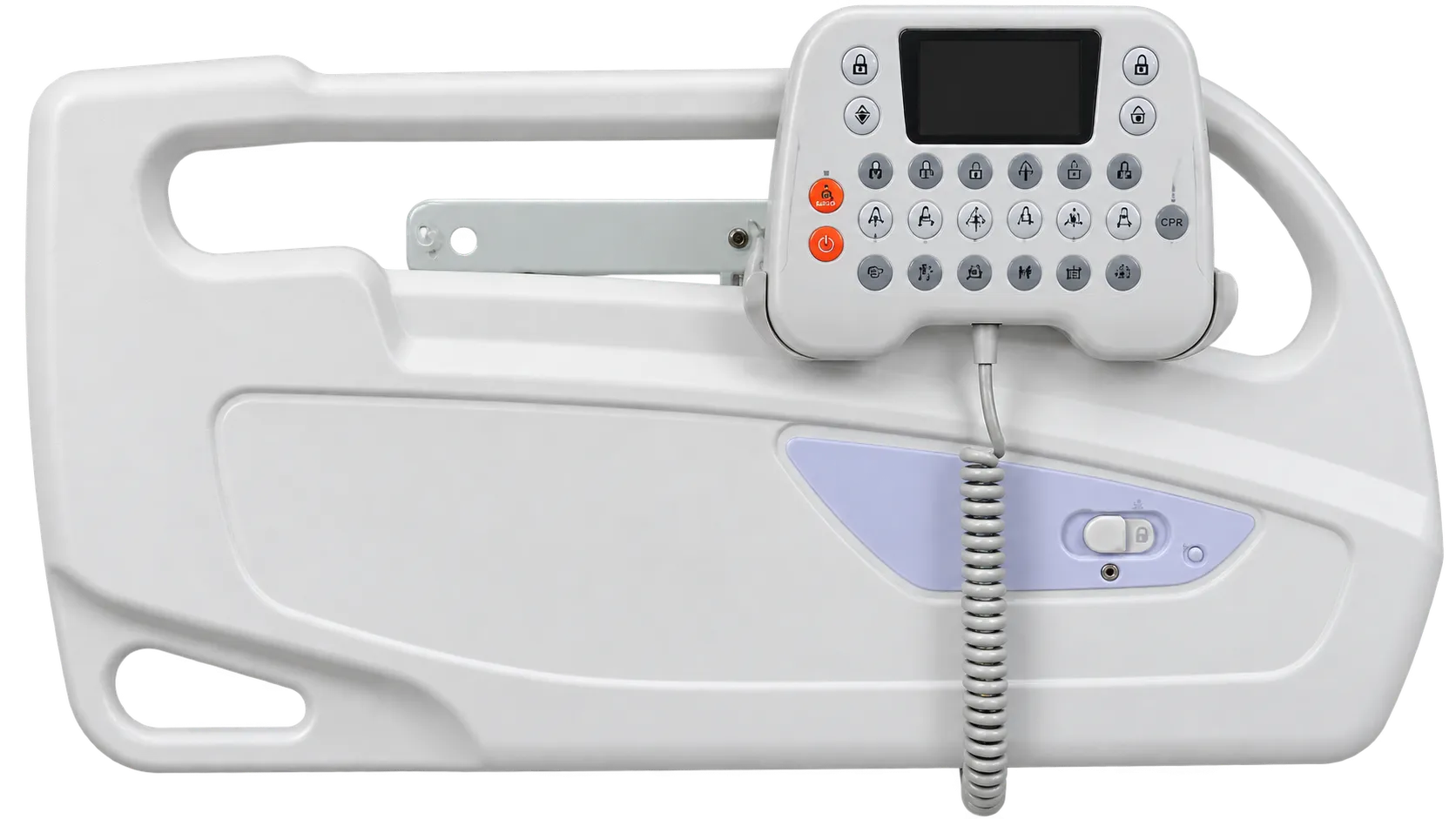
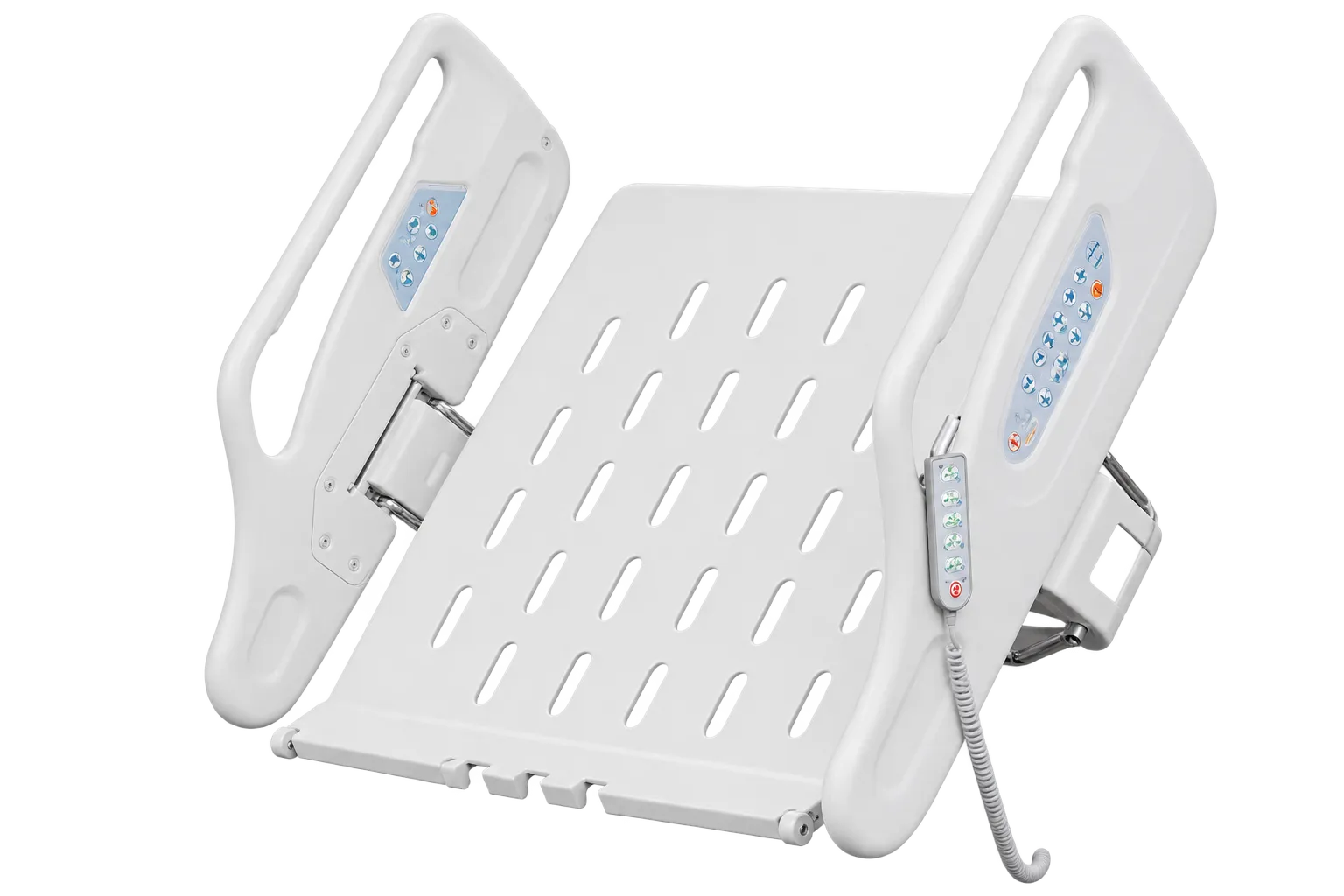
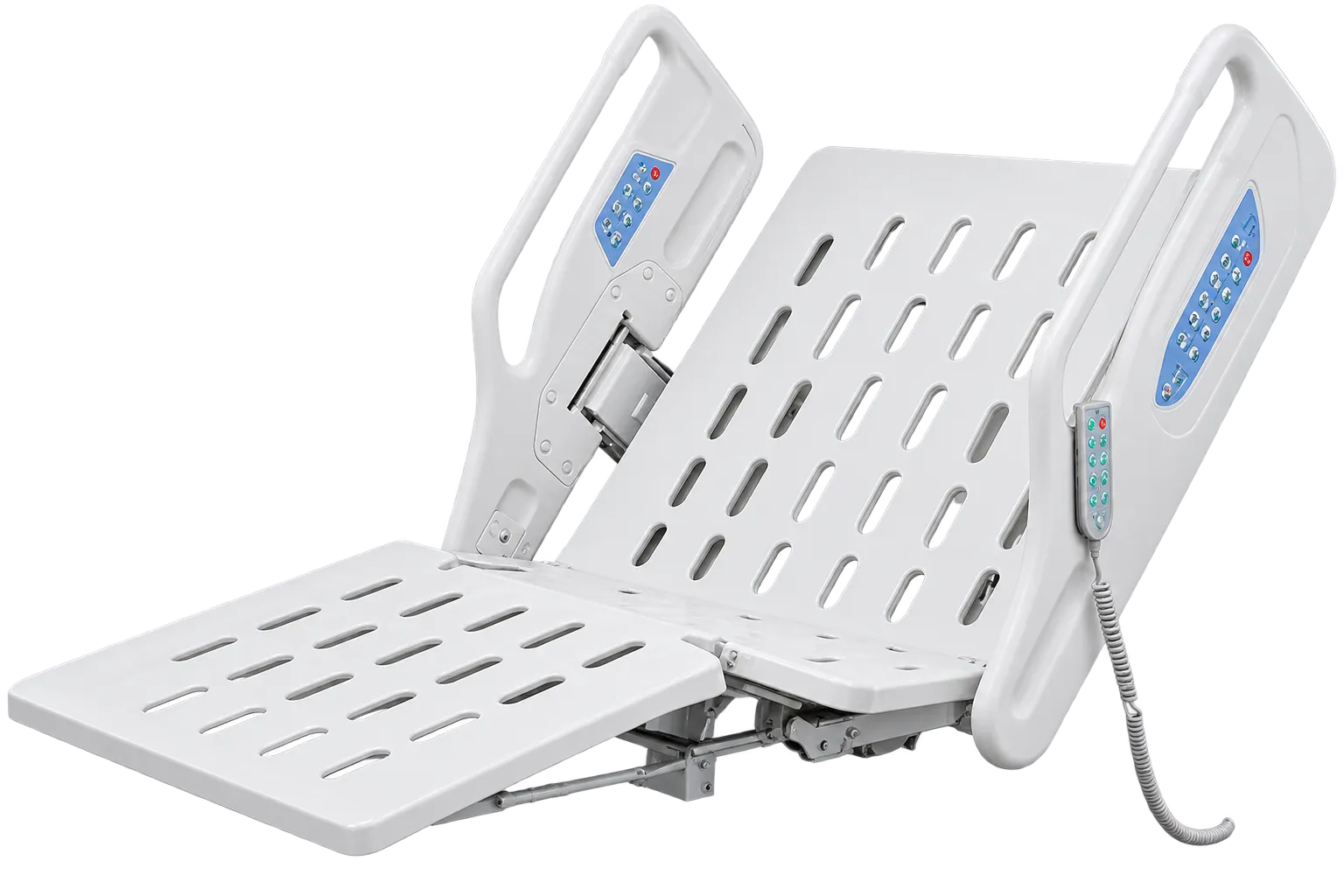
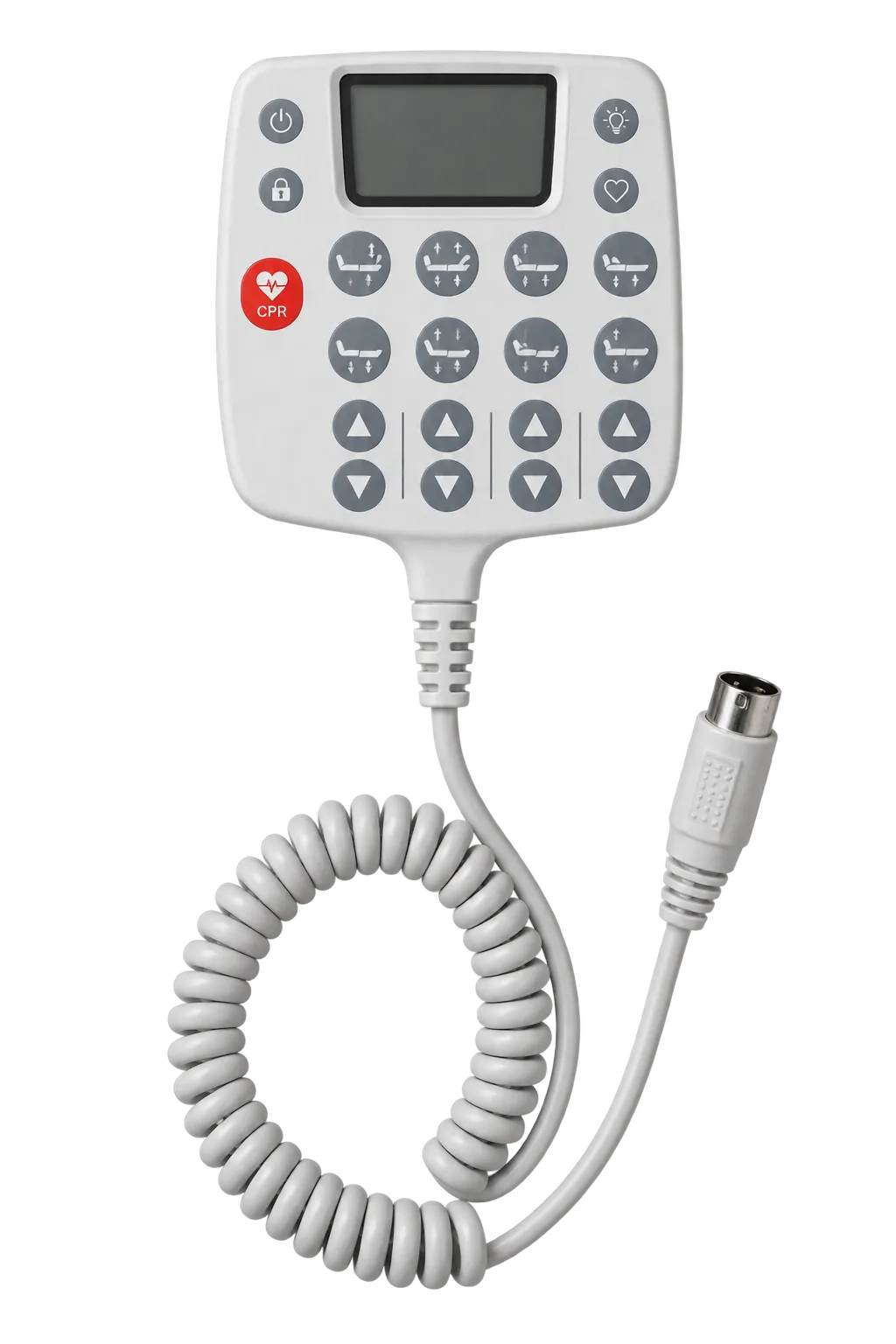
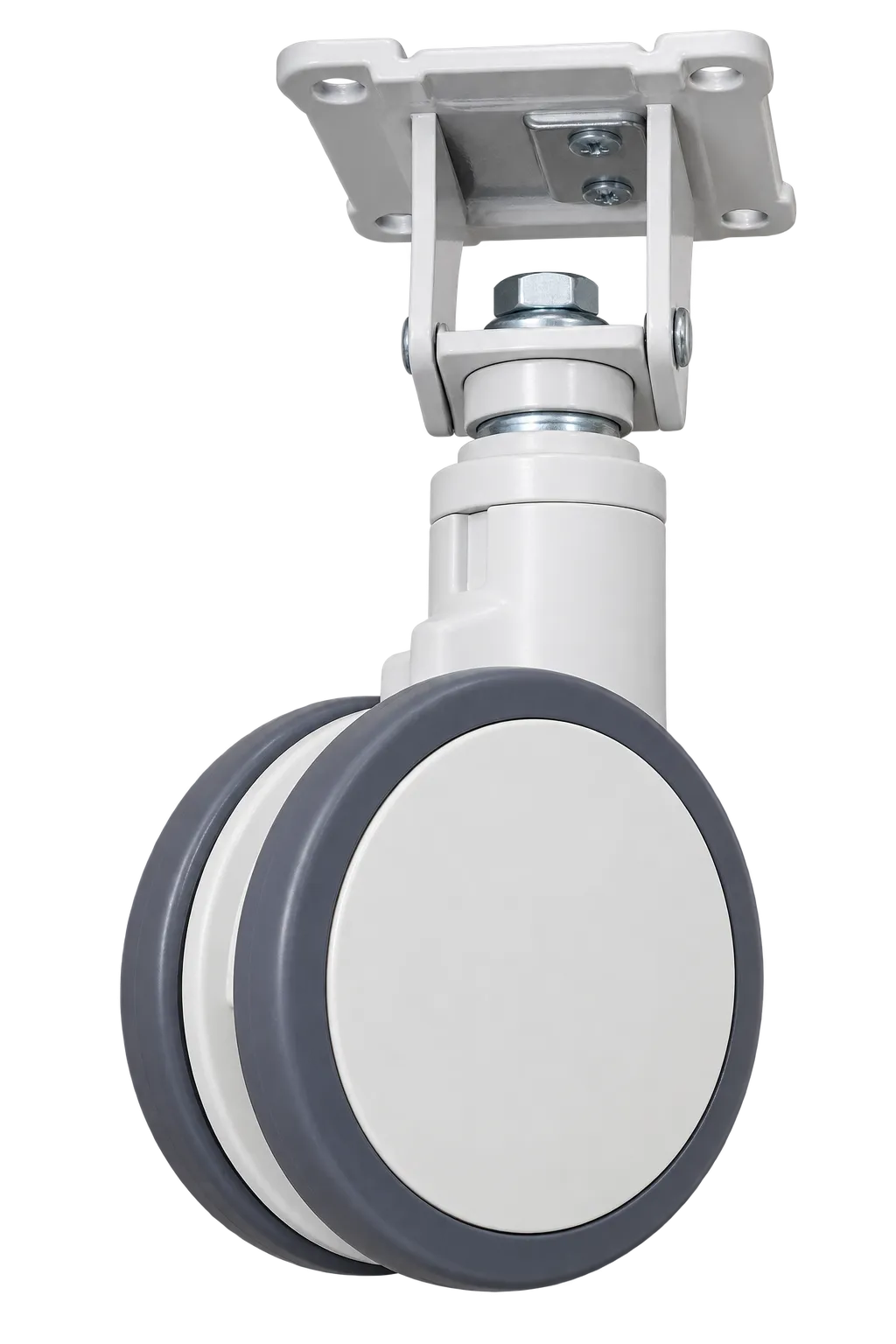
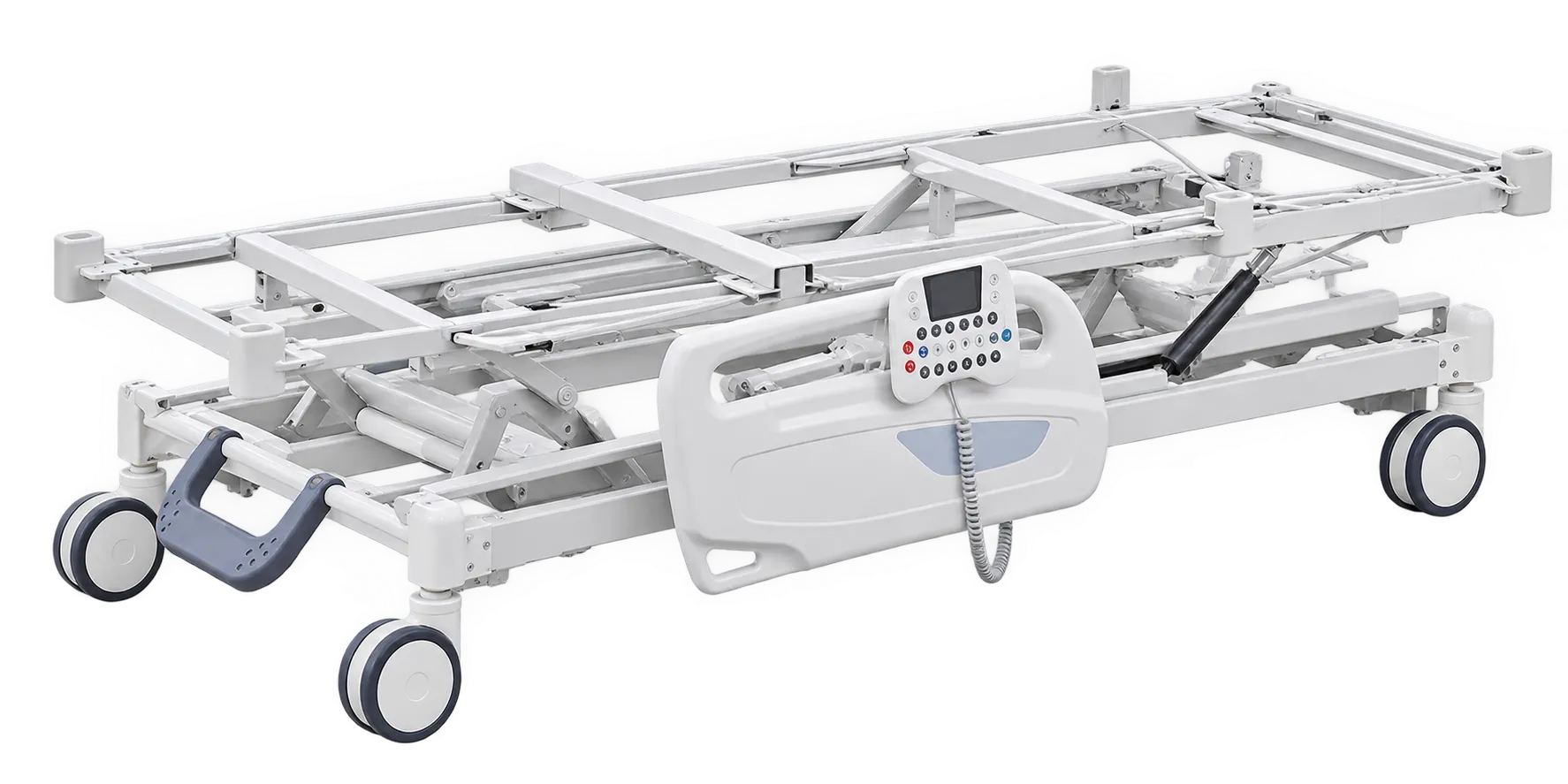
The JD-YLC5-11 is specified for general inpatient and longer-stay wards, and its case is built around the twelve hours most bed specifications ignore.
Sleep is where it starts. Noise at night ranks among the worst-scoring items in the NHS Adult Inpatient Survey year after year, and in older inpatients disturbed sleep is associated with delirium — which lengthens stays, raises falls risk and worsens outcomes independently of the admitting condition. A ward running two-hourly repositioning on four dependent patients puts a lot of actuator cycles between midnight and six, and every one of them is either absorbed by the bay or wakes it.
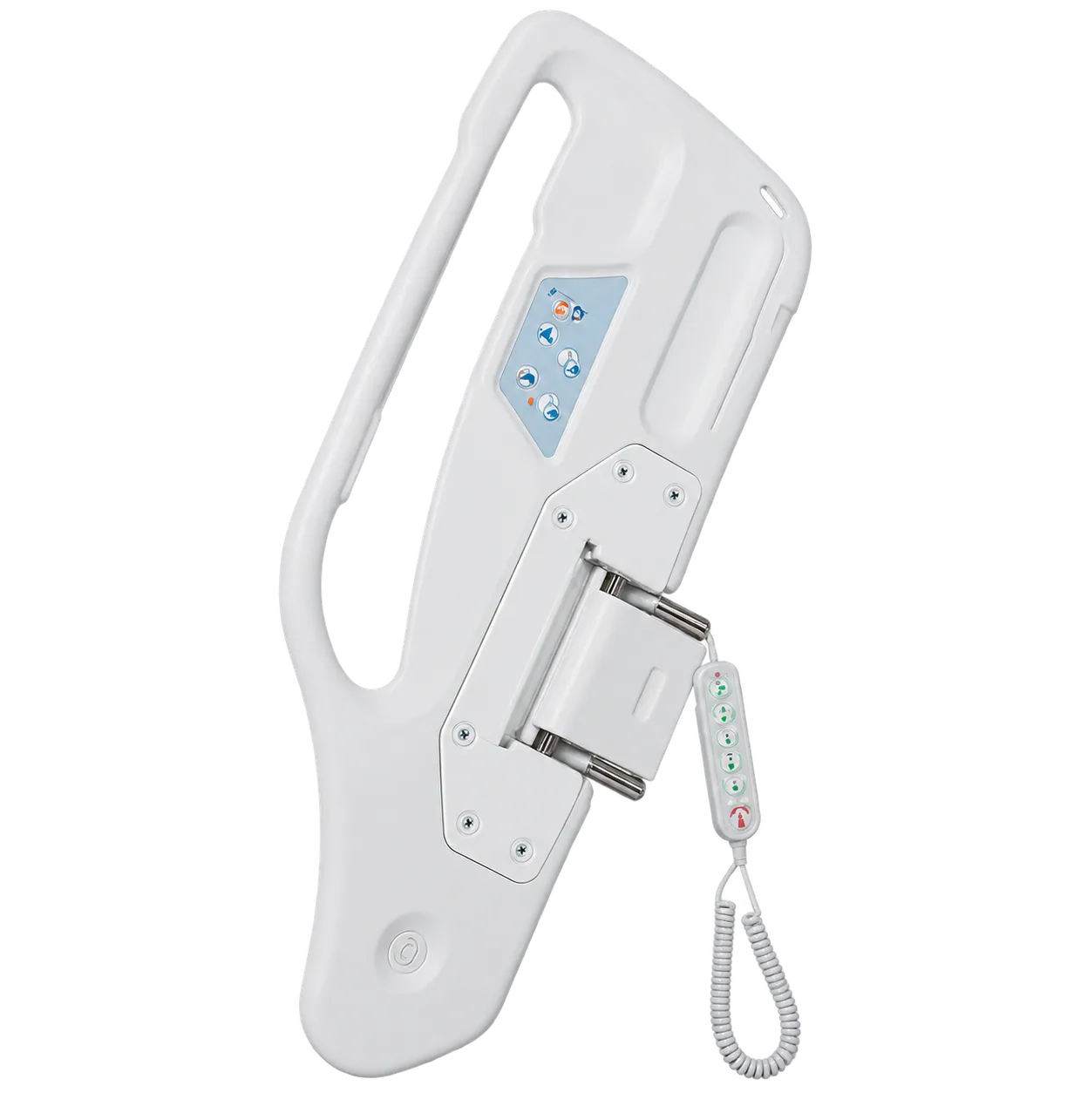
Falls prevention runs alongside. Most inpatient falls happen when a patient attempts to leave the bed unaided, and a substantial share occur overnight en route to the toilet. A deck low enough for the patient's feet to reach the floor turns an uncontrolled slide into a controlled step and reduces injury severity when a fall does occur. Guardrail grab openings support the same behaviour, giving a defined hand hold to a patient repositioning without calling for help.
By day the positioning range covers routine inpatient work. Backrest travel to 75° brings a patient upright for meals, medication and respiratory comfort. Leg articulation to 40° supports knee-break positioning and limb elevation. Both tilt directions are available, so reverse Trendelenburg for respiratory support and enteral feeding sits alongside the head-down position. Powered height also protects staff from the cumulative back loading behind a large share of nursing musculoskeletal injury.
Care of the elderly, rehabilitation, community hospitals, hospices and CQC-regulated private providers use the same specification. Medigear.uk supplies the conformity documentation that trust, ICB and NHS Supply Chain procurement routes require.