

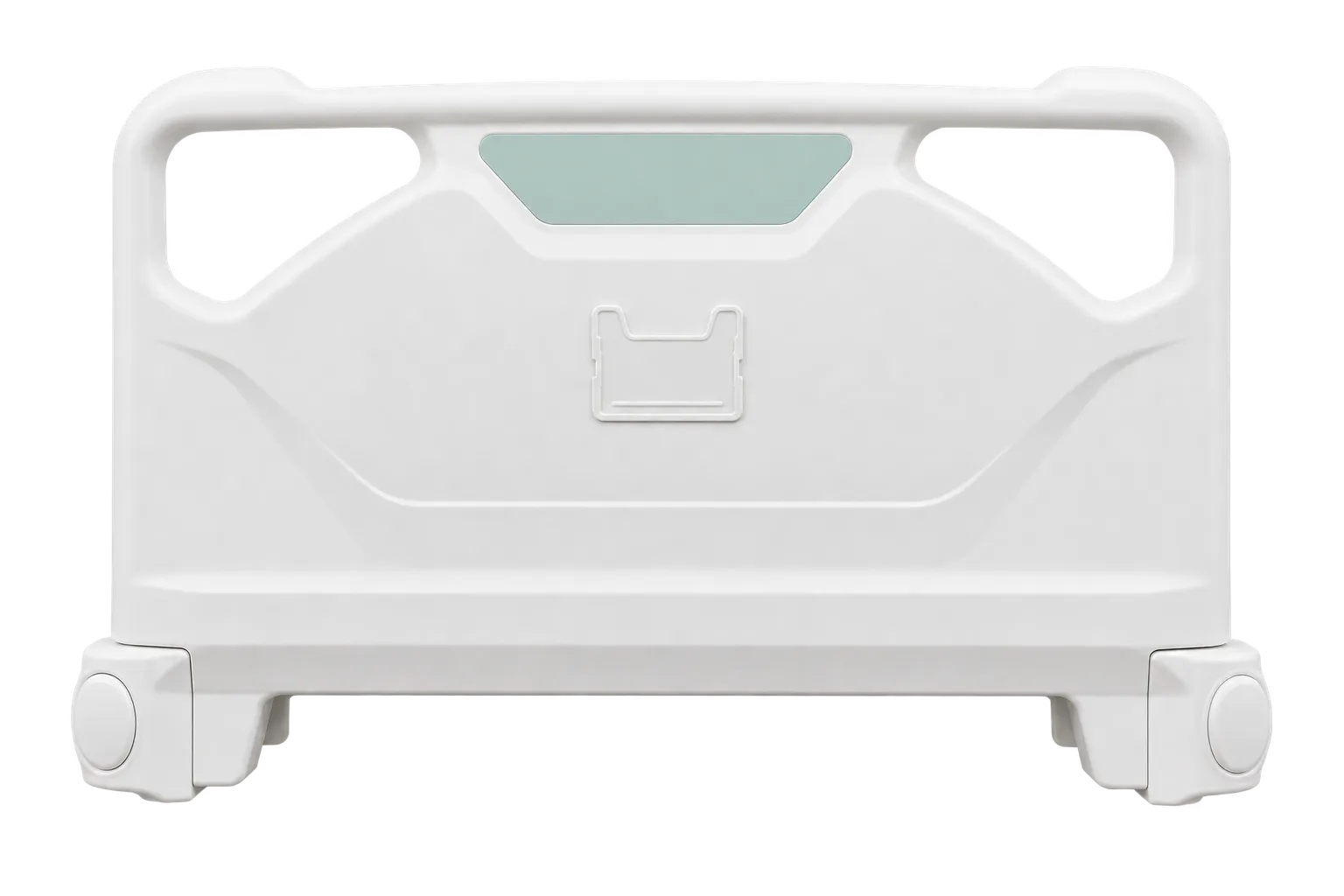
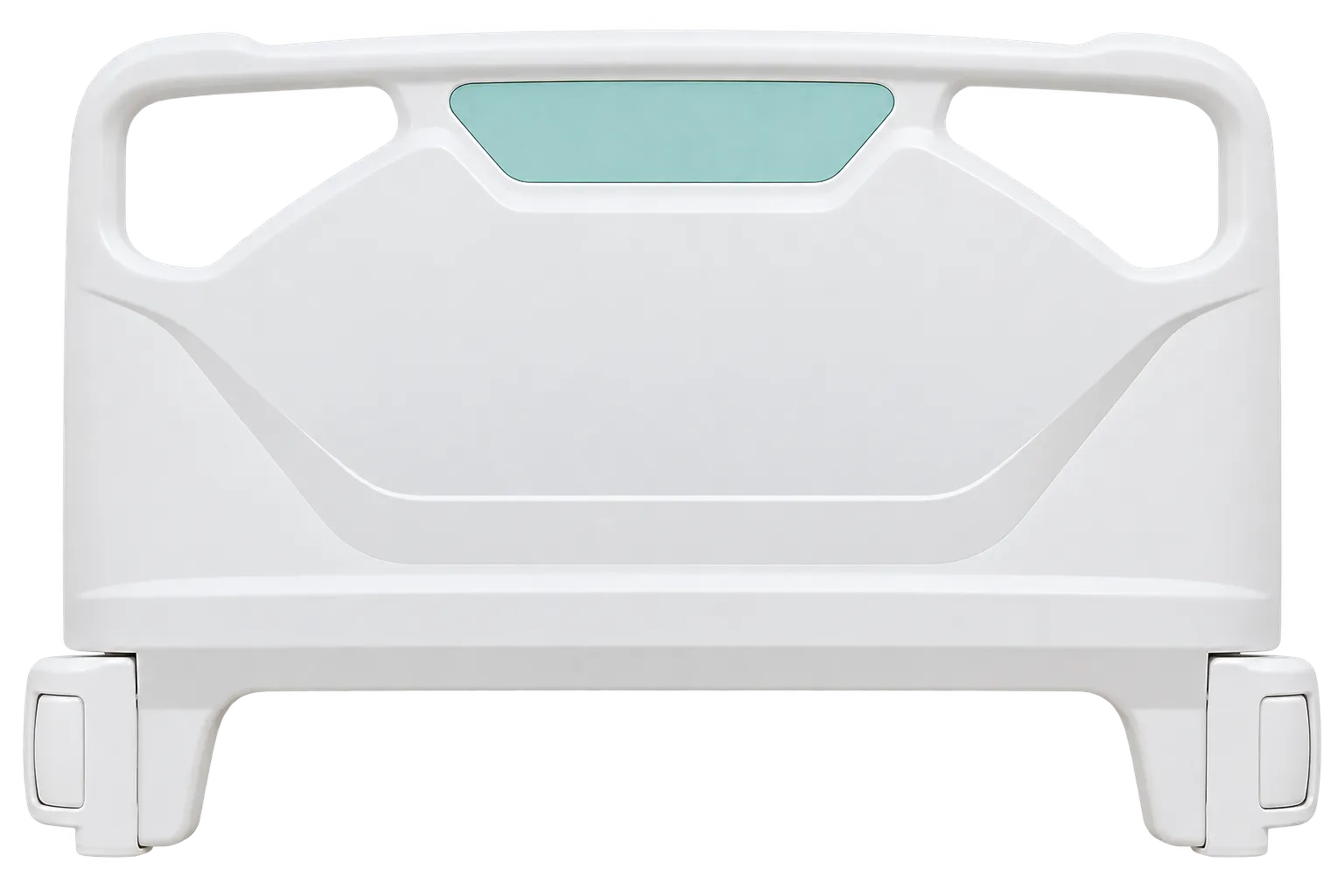
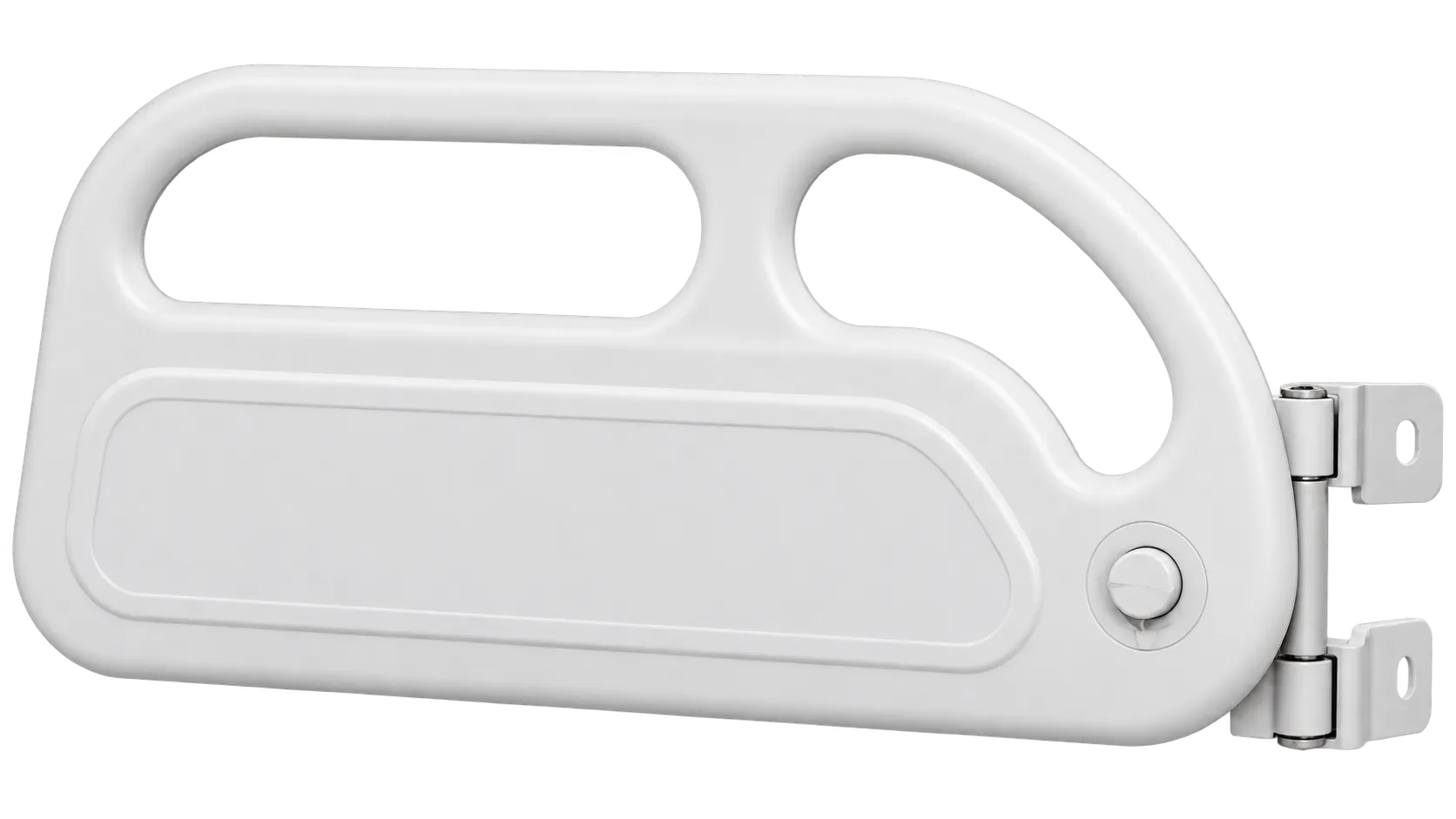
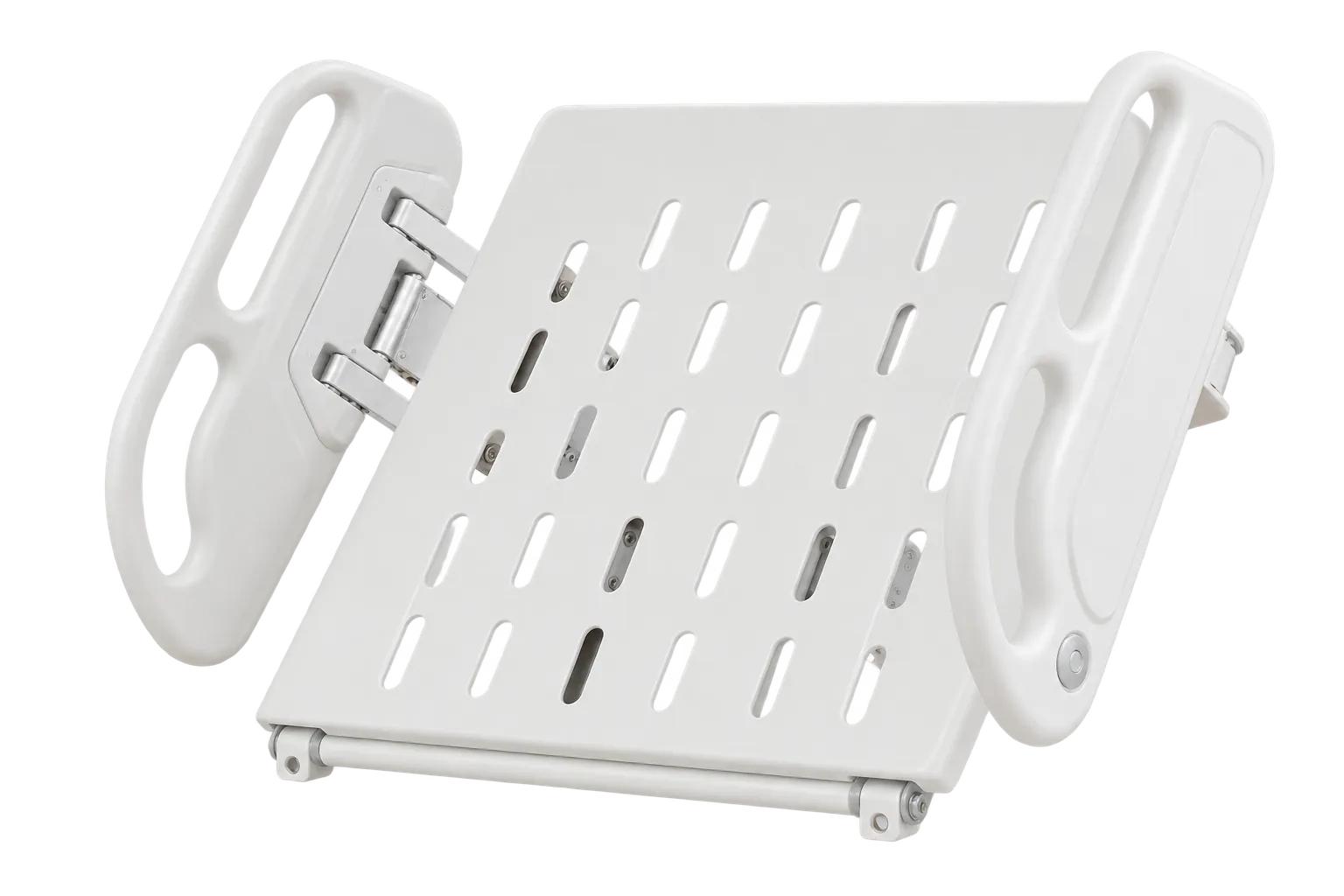
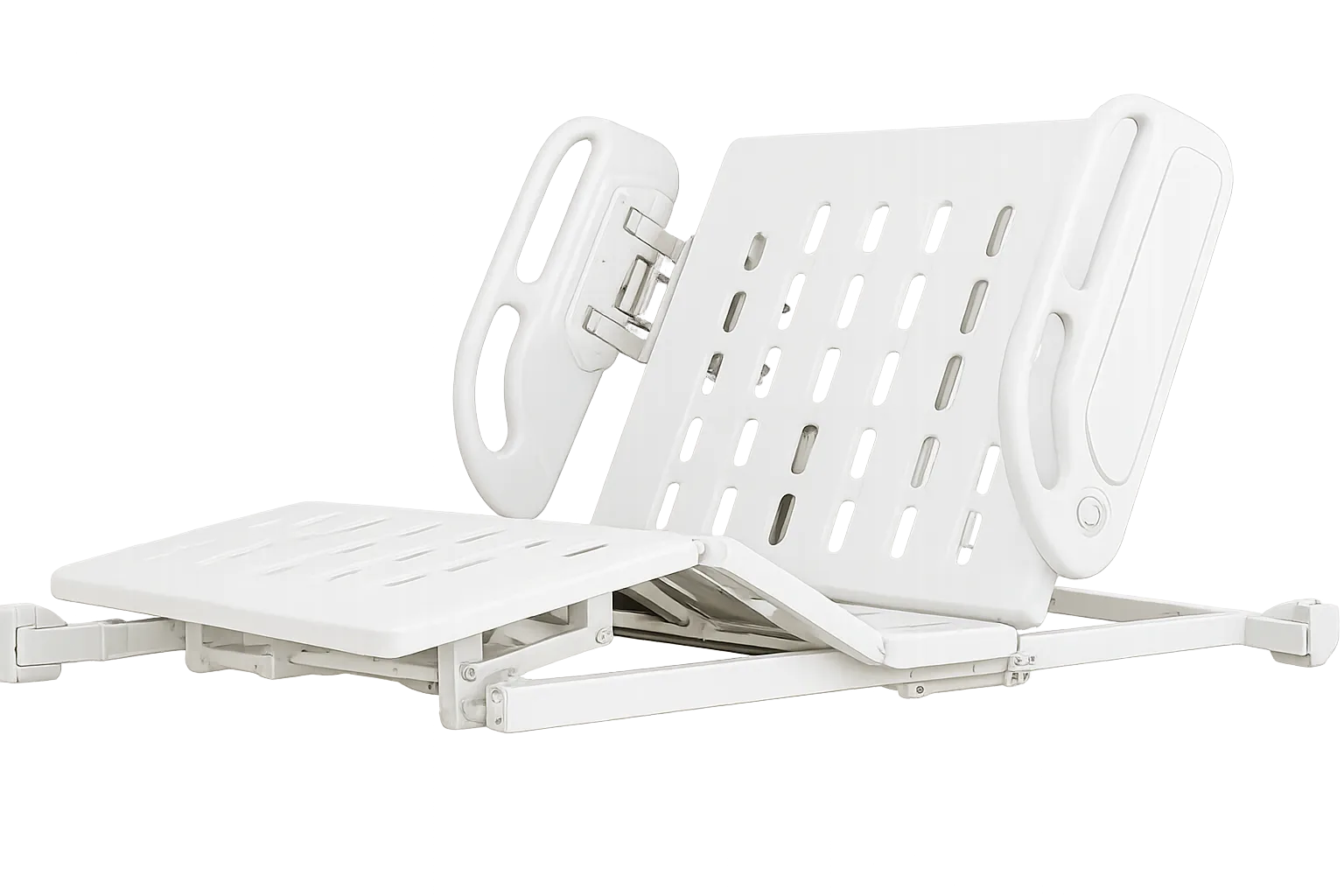
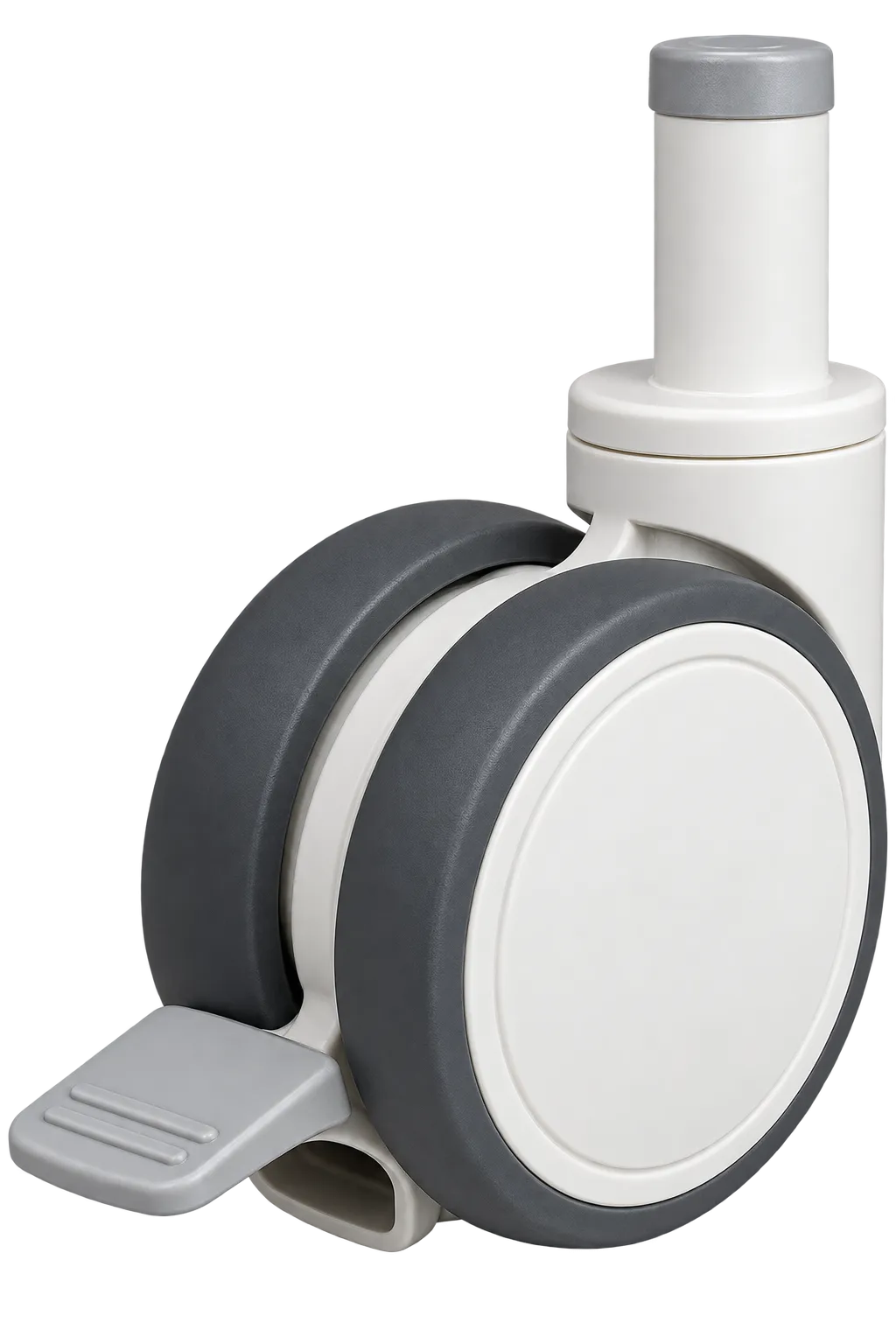
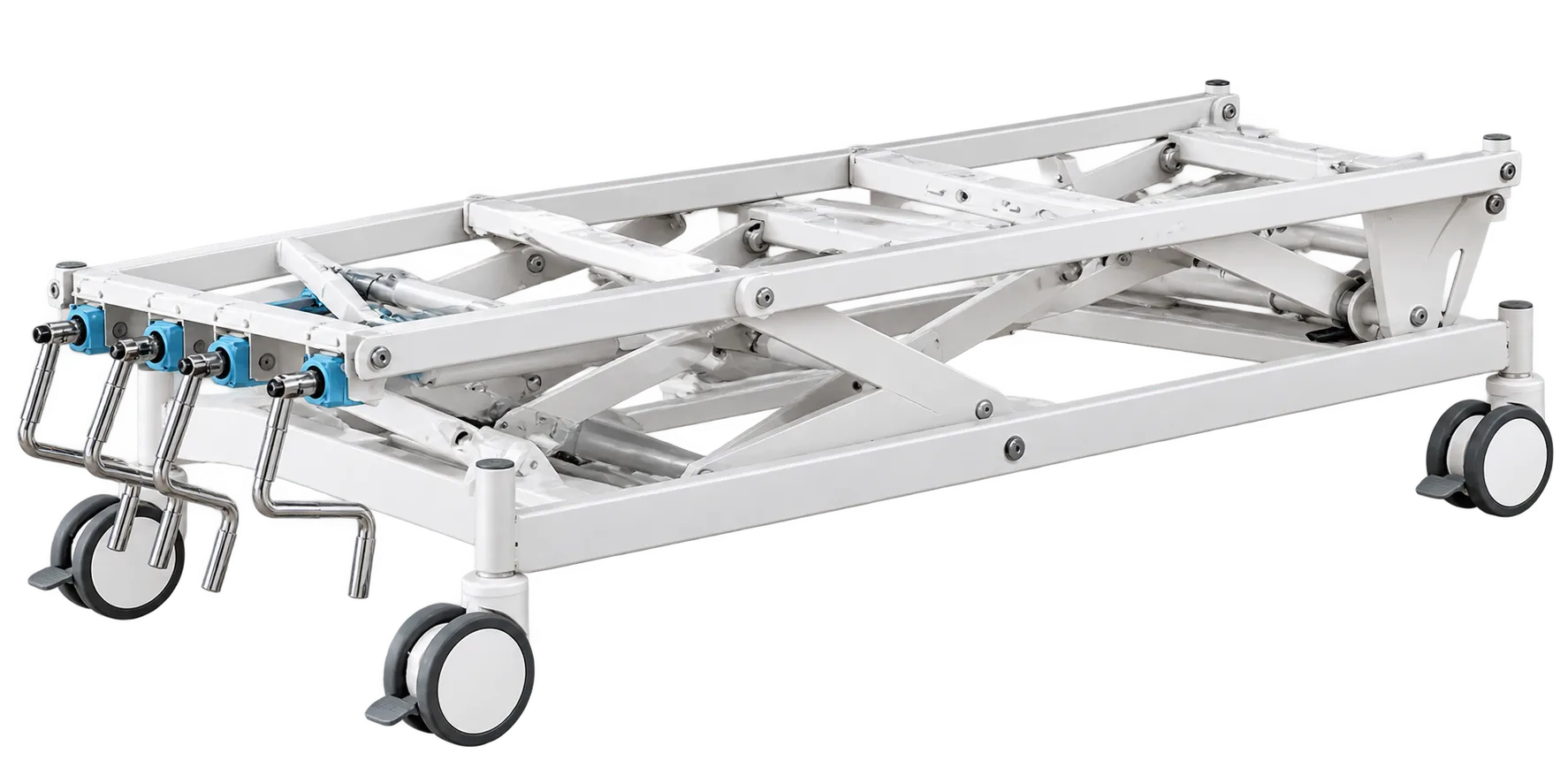
The JD-YLC5-10 is specified for settings where the absence of electrical parts is an advantage, not a compromise.
Surge and escalation capacity is the clearest case. Beds held against winter pressure, outbreak cohorting or major incident response spend most of their life in storage and must work the moment they are opened up. A manual frame has no battery to go flat, no actuator seized from disuse and no charge state to manage — it works, or it does not, and a visual check tells you which. The same logic covers backup stock held against equipment failure.
Settings with limited power provision follow. Temporary and marquee facilities, buildings undergoing electrical works, corridors and day areas pressed into use during escalation, and community or overseas deployments where socket provision cannot be assumed. In humanitarian and charitable supply, where an actuator failure can mean a bed out of use indefinitely with no service route, mechanical simplicity is worth more than convenience.
Low-dependency inpatient areas can suit it where positioning changes are infrequent, and patients are largely independent. The positioning range itself is unchanged from a powered equivalent: backrest to 75° for meals, medication and respiratory comfort; leg articulation to 40° for knee-break positioning and limb elevation; both tilt directions; and full height travel for carer working height and supervised transfer.
Where it does not suit is an acute ward with dependent patients. There, adjustments are frequent, staff numbers are the binding constraint, and every crank turn is time and physical load taken from elsewhere. Medigear.uk supplies the conformity documentation that trust, ICB and NHS Supply Chain procurement routes require, and will advise honestly where a powered frame is the better specification.