
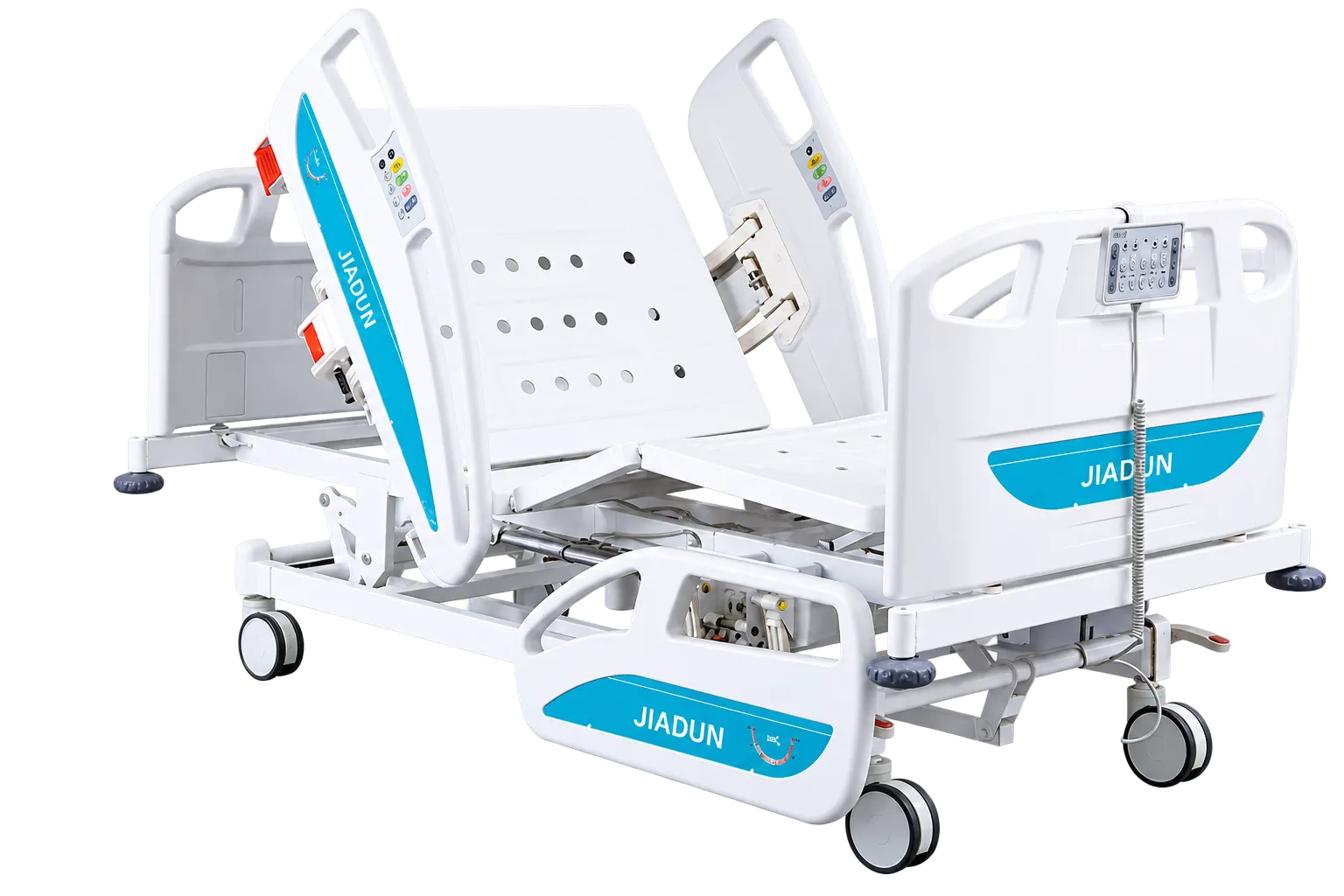
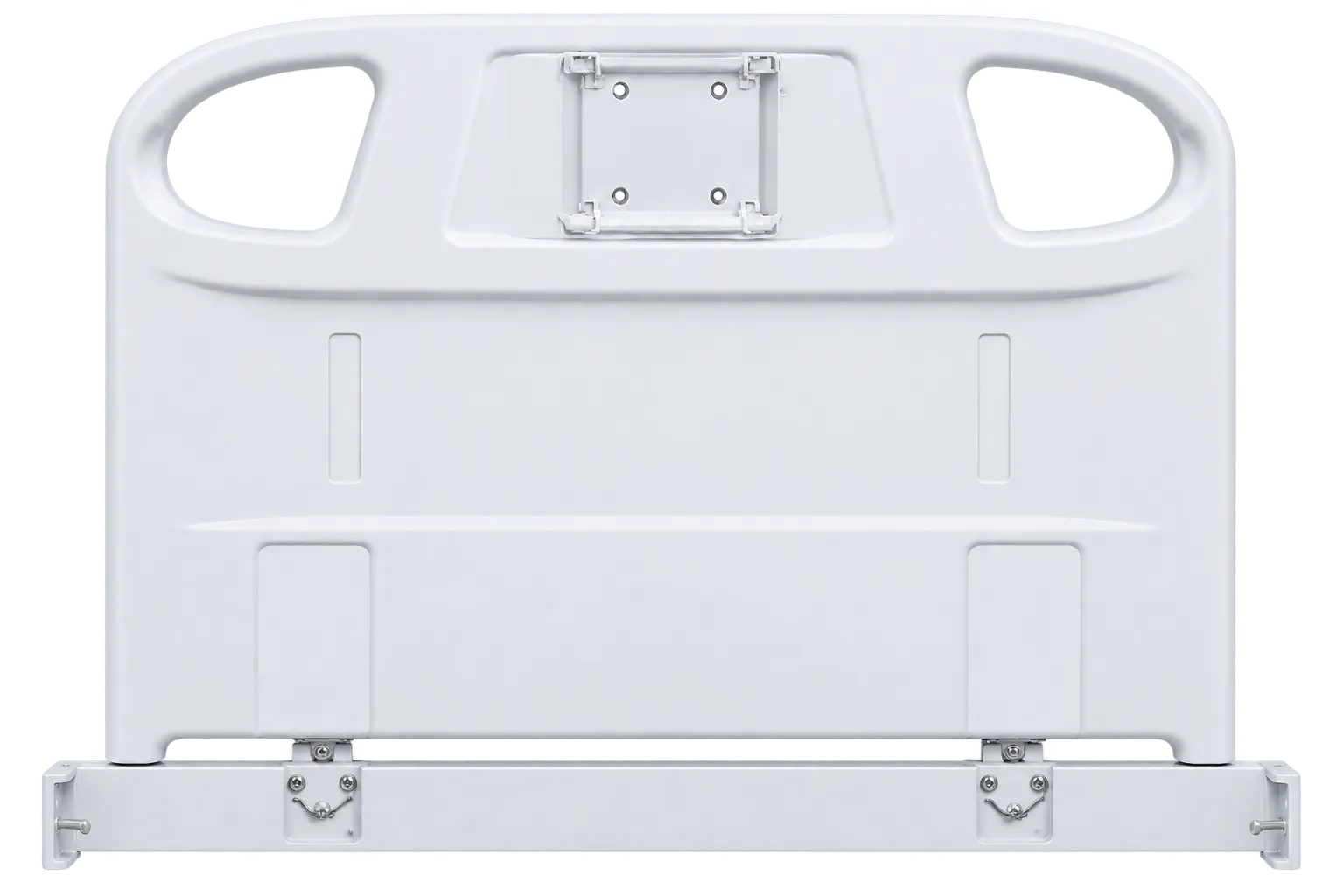
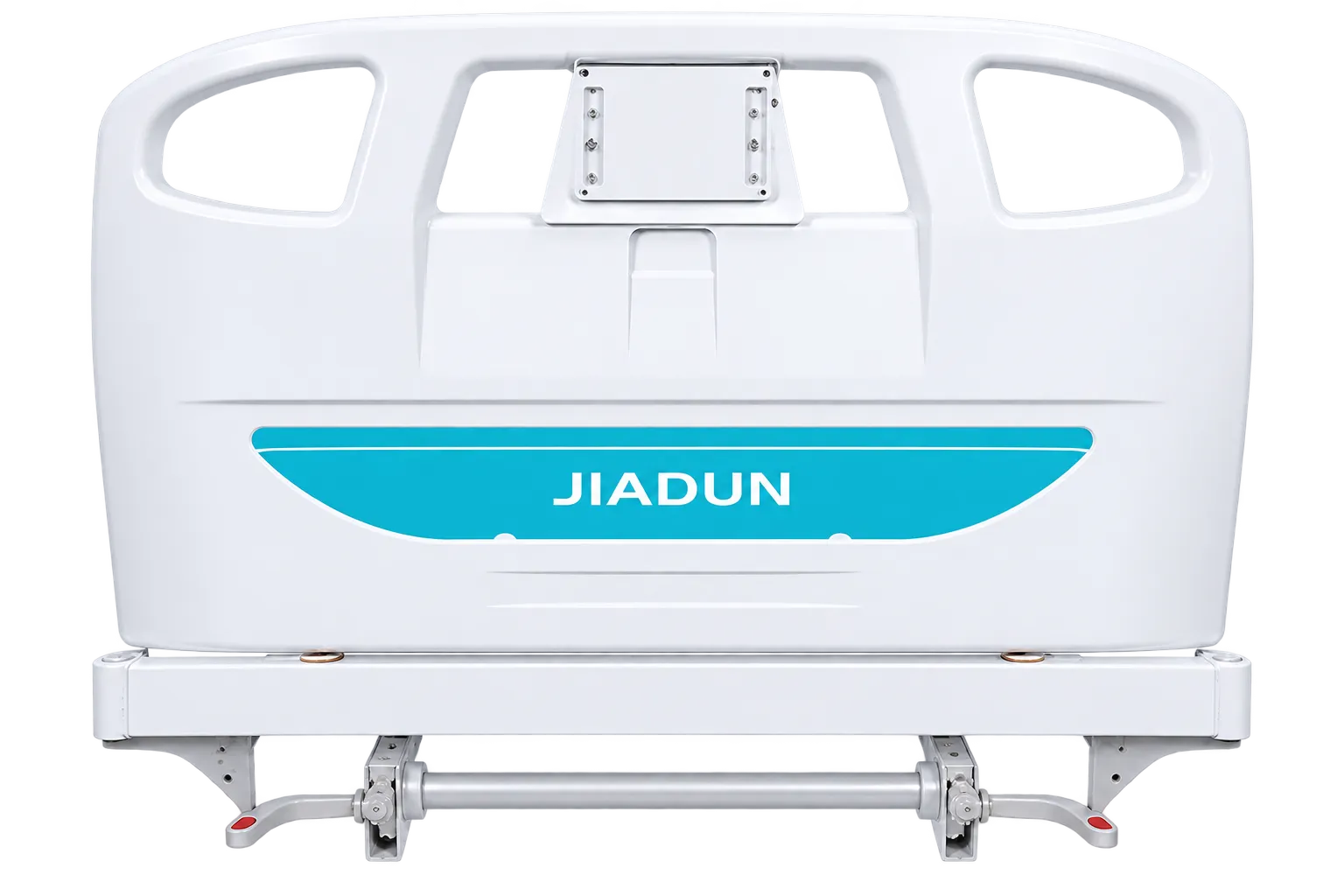


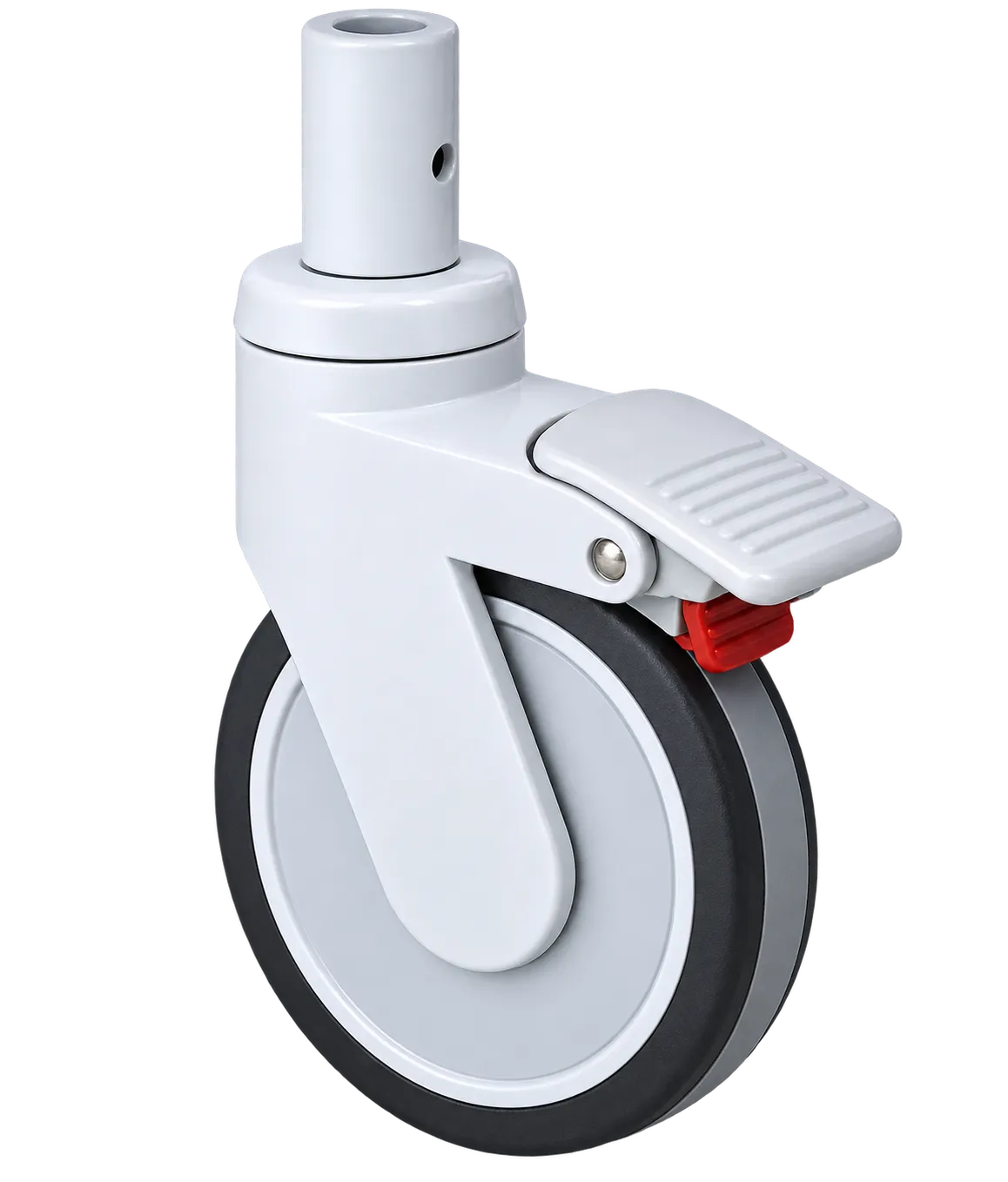


The JD-YLC5-03 is specified for general inpatient and observation work — the wards where a mixed caseload turns over quickly and the same five movements are used dozens of times a day. Across NHS England's roughly 117,500 adult acute medical and surgical beds, that demand is consistent: sitting patients up for meals, observations and respiratory comfort, elevating limbs after surgery, and setting a working height that protects the staff delivering care.
In short-stay observation and assessment areas, the value sits in turnaround. A frame that arrives with its infusion stand and drainage hooks already fitted, on wipe-clean ABS panels that clear down quickly between admissions, returns to service faster. Where beds cycle several patients a day, commissioning and decontamination time is the constraint that matters more than feature count.
Powered height is the function that changes staff outcomes most measurably. Cumulative back loading from stooping over a fixed-height bed is a recognised driver of musculoskeletal injury across nursing and healthcare assistant roles, and a bed that rises to the carer then drops for the patient removes that exposure from every episode. The low setting also underpins falls-prevention strategies built on safe egress rather than rails.
Forward and backward frame tilt provide Trendelenburg and reverse Trendelenburg for circulatory management, aspiration risk reduction and procedural positioning under nursing direction.
Rehabilitation and elderly care wards use the guardrail grab openings and low-height setting for supervised mobilisation, since a patient who can adjust position using a defined hand hold is practising the movements that precede discharge. Hospices, private hospitals and CQC-regulated providers use the same bed for general inpatient care. Medigear.uk supplies the conformity documentation required by trust, ICB, and NHS Supply Chain procurement routes.