
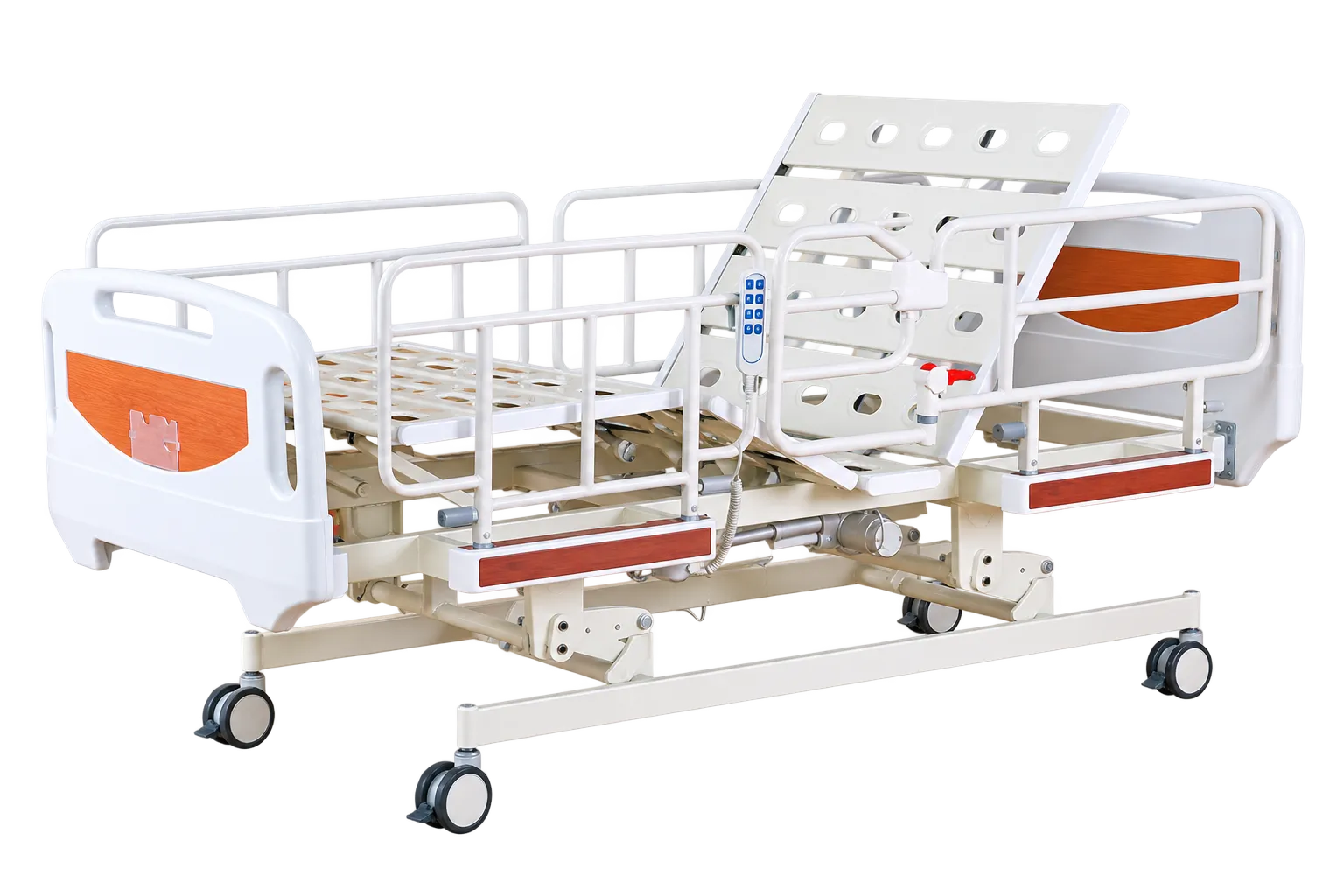
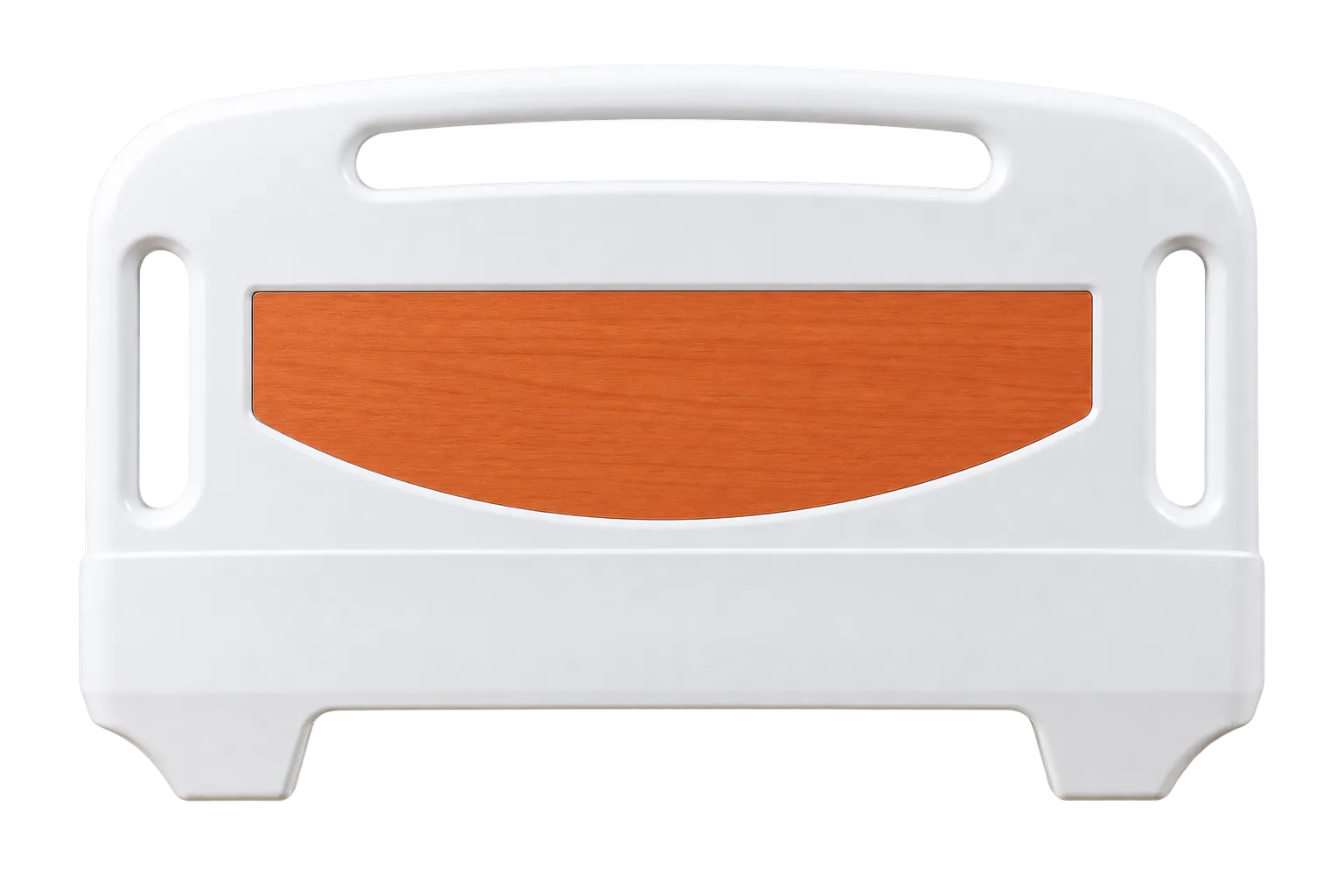
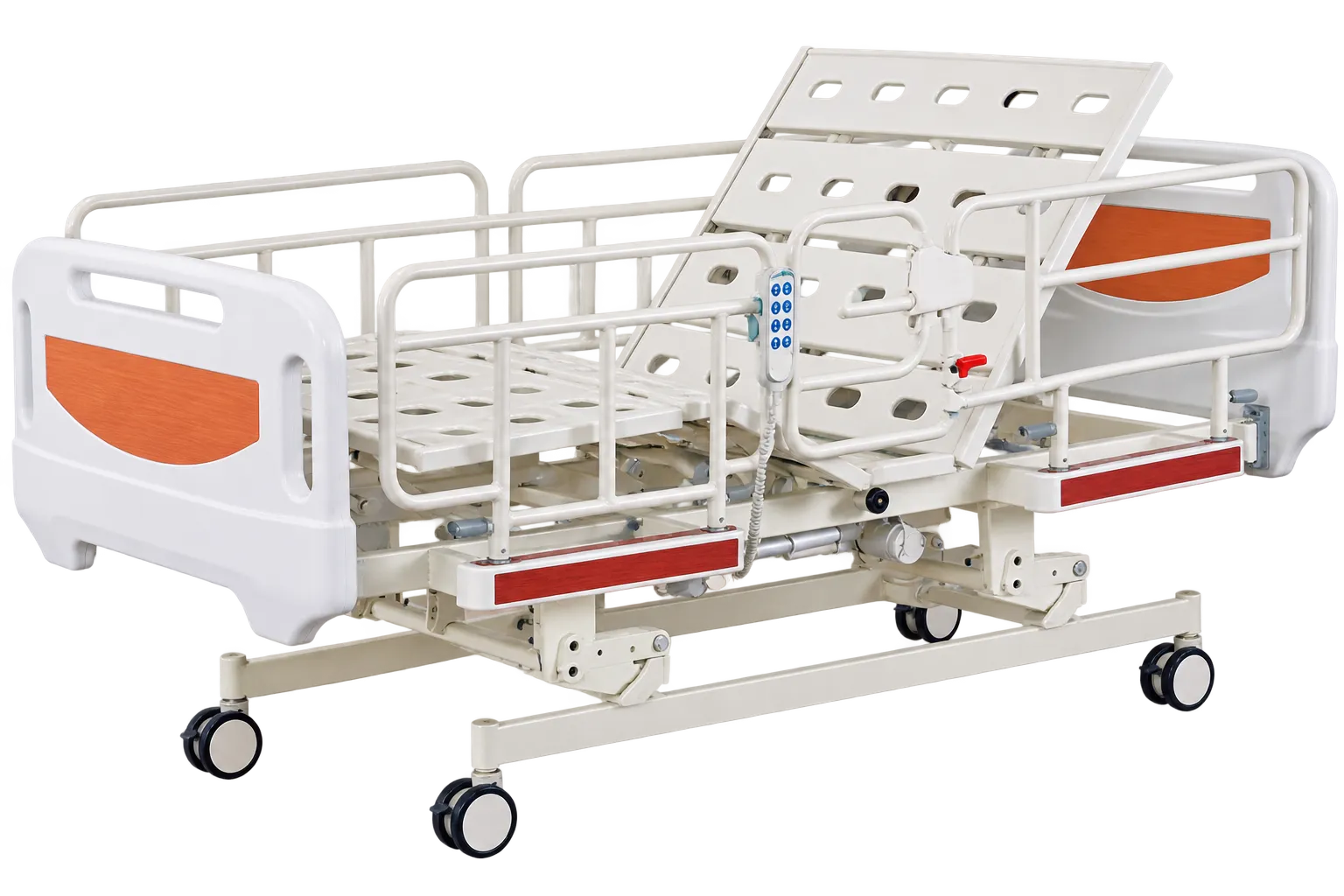
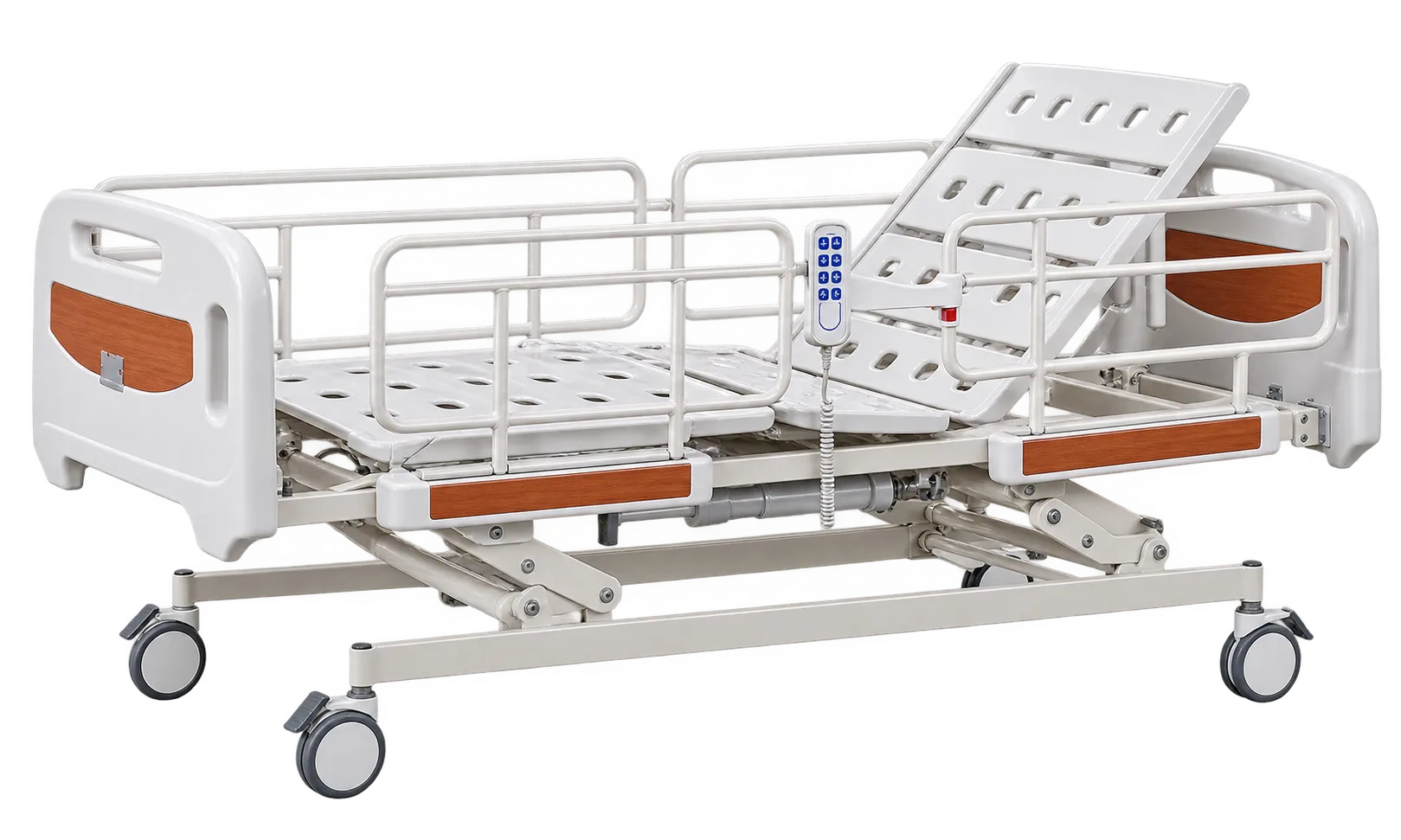

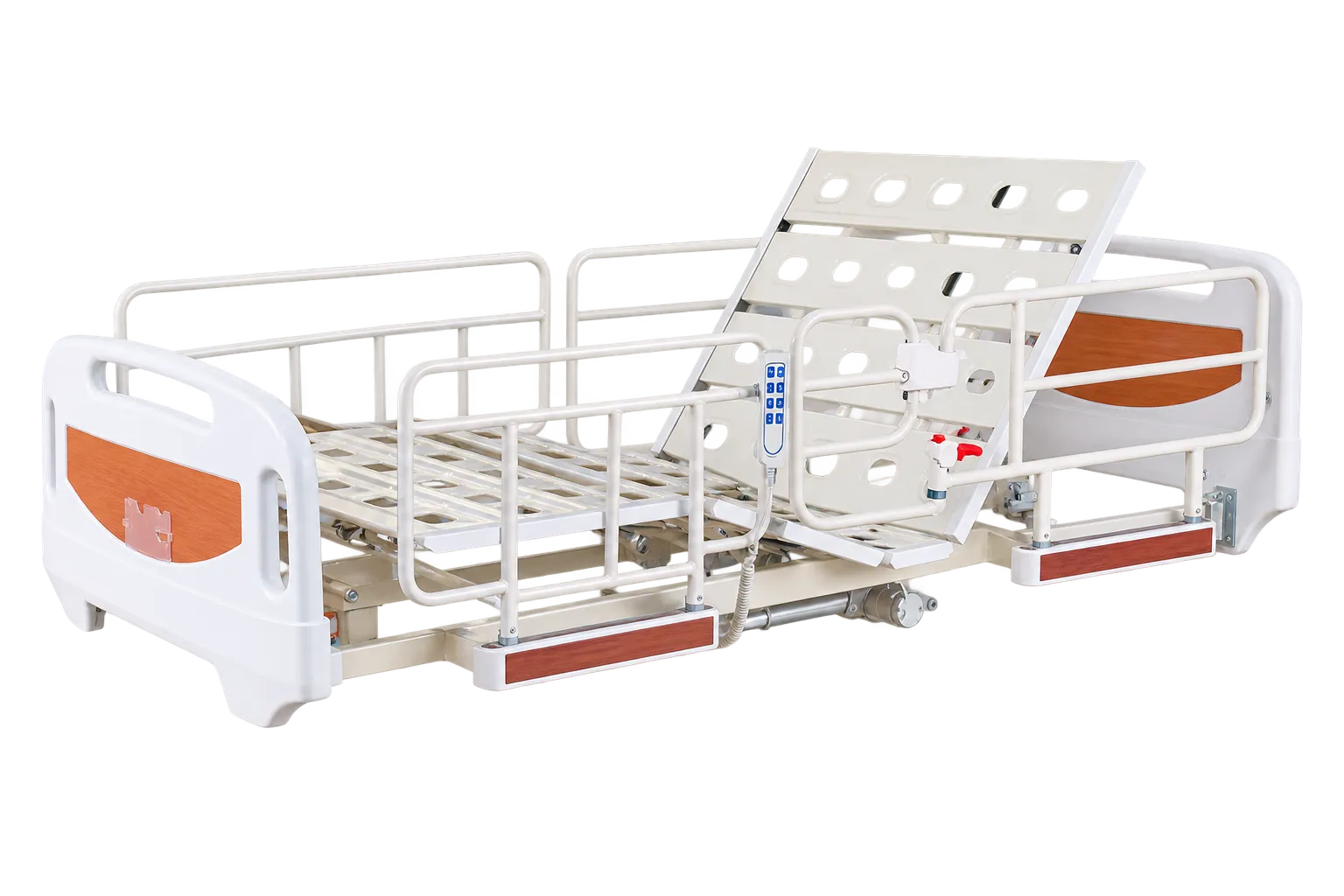
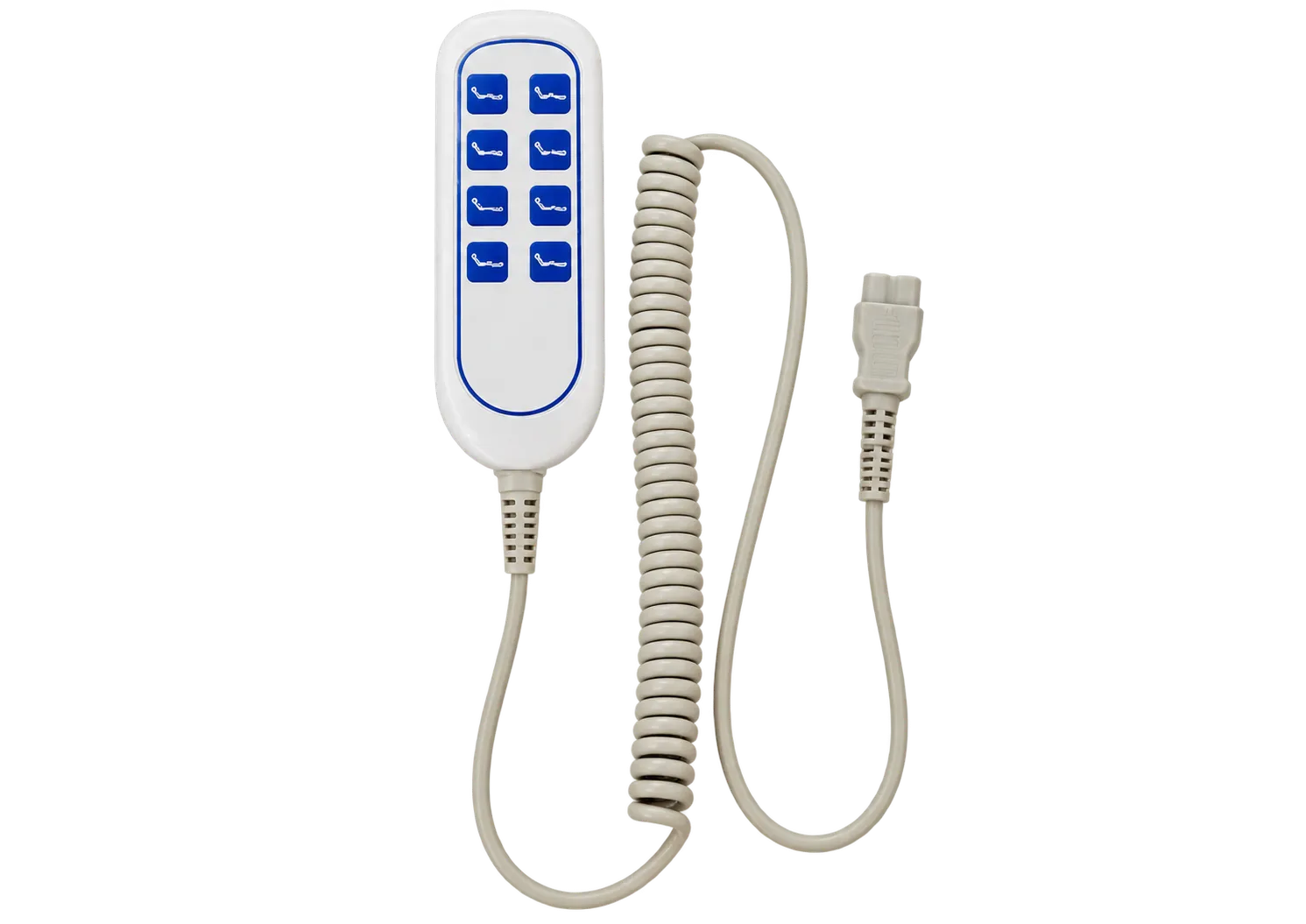


The JD-YLC3-03 suits general inpatient wards, rehabilitation units, care homes, and long-term care where daily positioning demand is straightforward and getting the patient safely out of bed matters more than feature count.
Falls prevention is where the specification earns its place, and the argument runs through the deck rather than the rails. Most inpatient falls happen when a patient attempts to leave the bed unaided, and a substantial share occur overnight. A deck set low enough for the patient's feet to reach the floor converts an uncontrolled slide into a controlled step and reduces injury severity when a fall does occur. UK practice has moved steadily away from rails as a default control towards low height, clear egress and individual assessment, and this frame supports that direction.
Rehabilitation and care of the elderly use the same low setting for supervised sit-to-stand practice — the movement that has to work unsupervised at home, rehearsed in the bed the patient already sleeps in. Backrest elevation to 75° covers sitting for meals, medication, visitors and respiratory comfort, and leg articulation to 40° covers knee-break positioning and limb elevation for oedema management.
Powered height also carries the staff argument. Raised, the deck removes the stooping behind a large share of nursing musculoskeletal injury during washing, dressing and wound care.
What this bed cannot do is tilt in either direction, so acute medicine, high dependency and critical care all require a different frame. Hospices, community hospitals, private providers and CQC-regulated care services use this specification where positioning needs are met by sitting, leg elevation and height. Medigear.uk supplies the conformity documentationrequired by those procurement routee.