
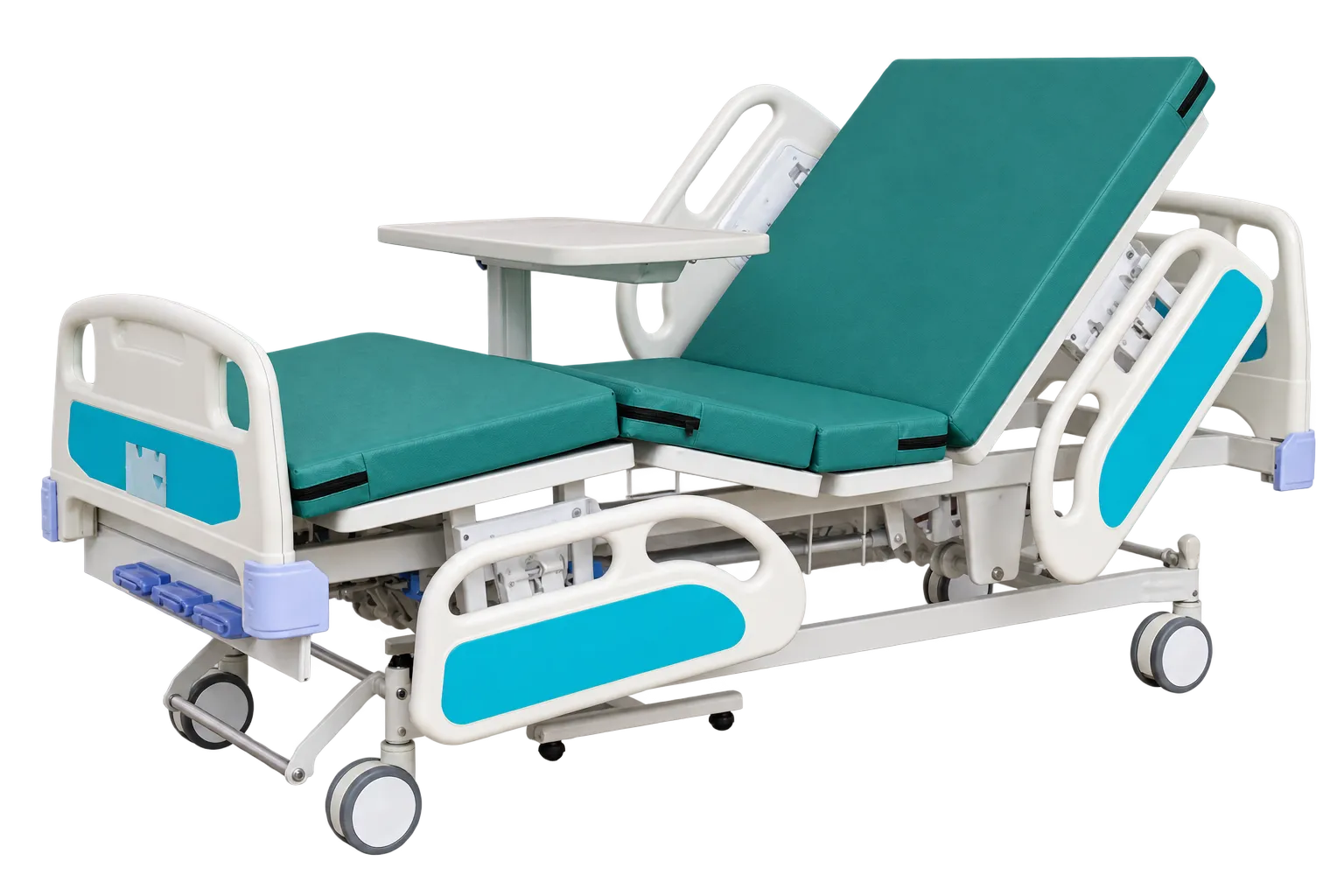
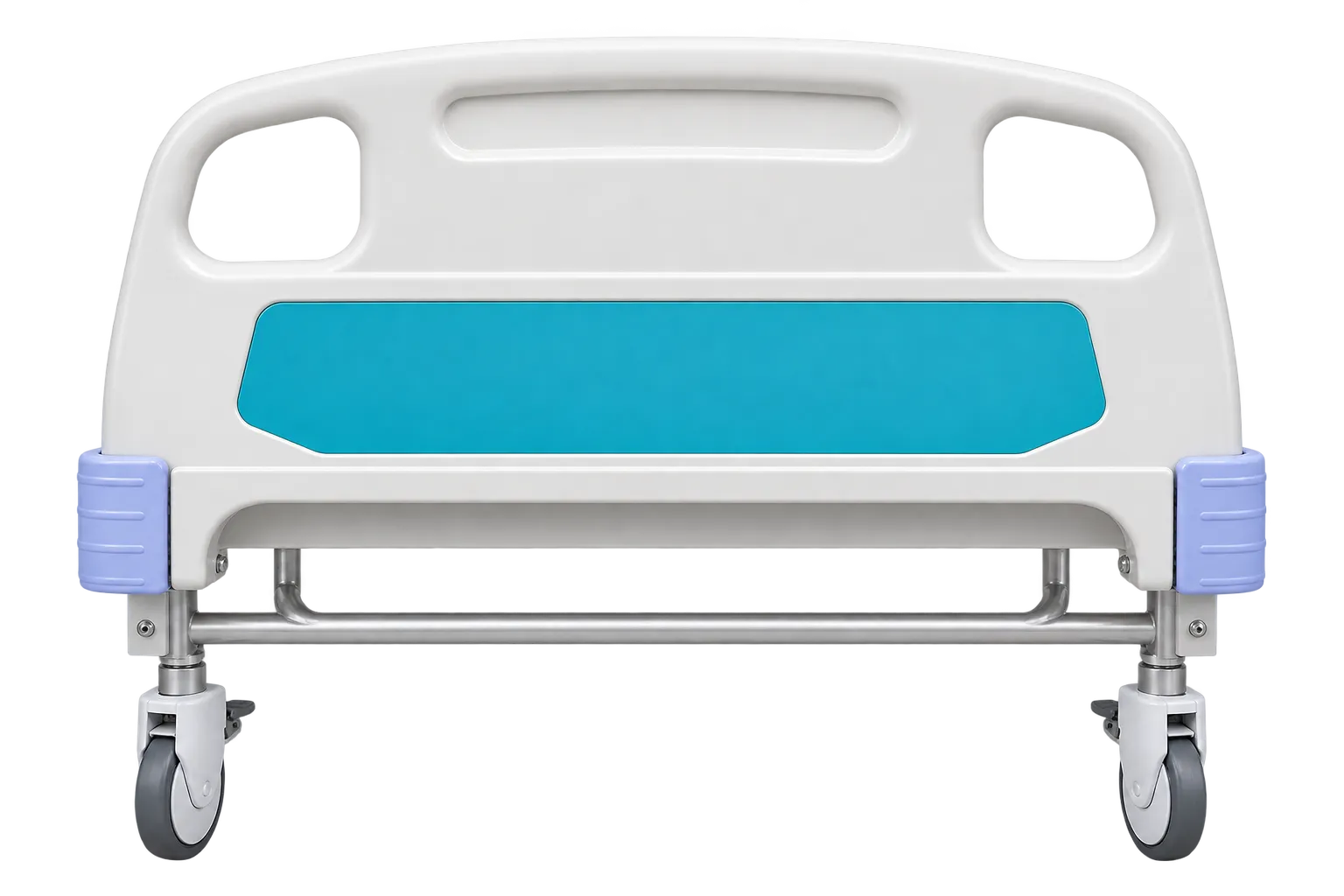
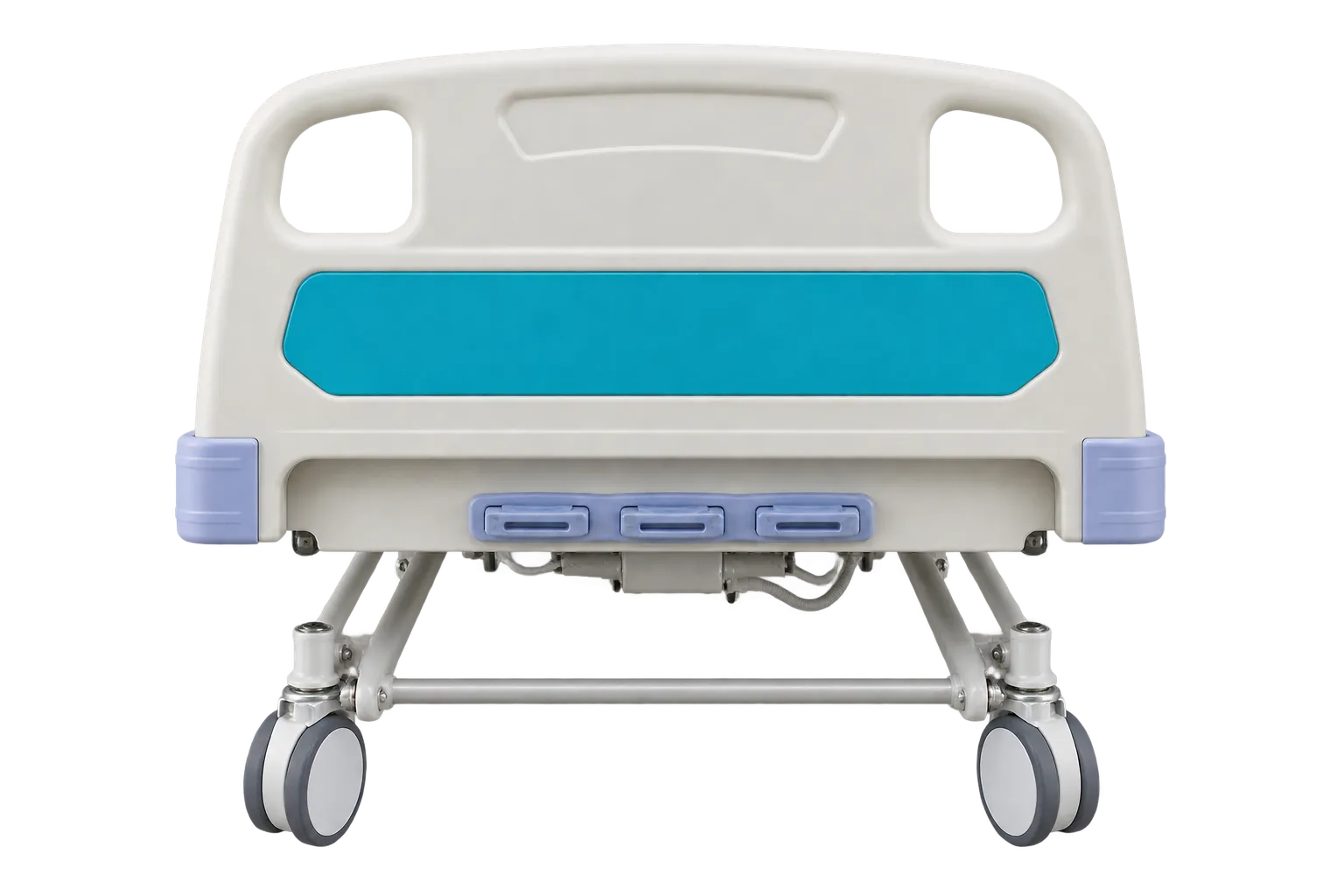
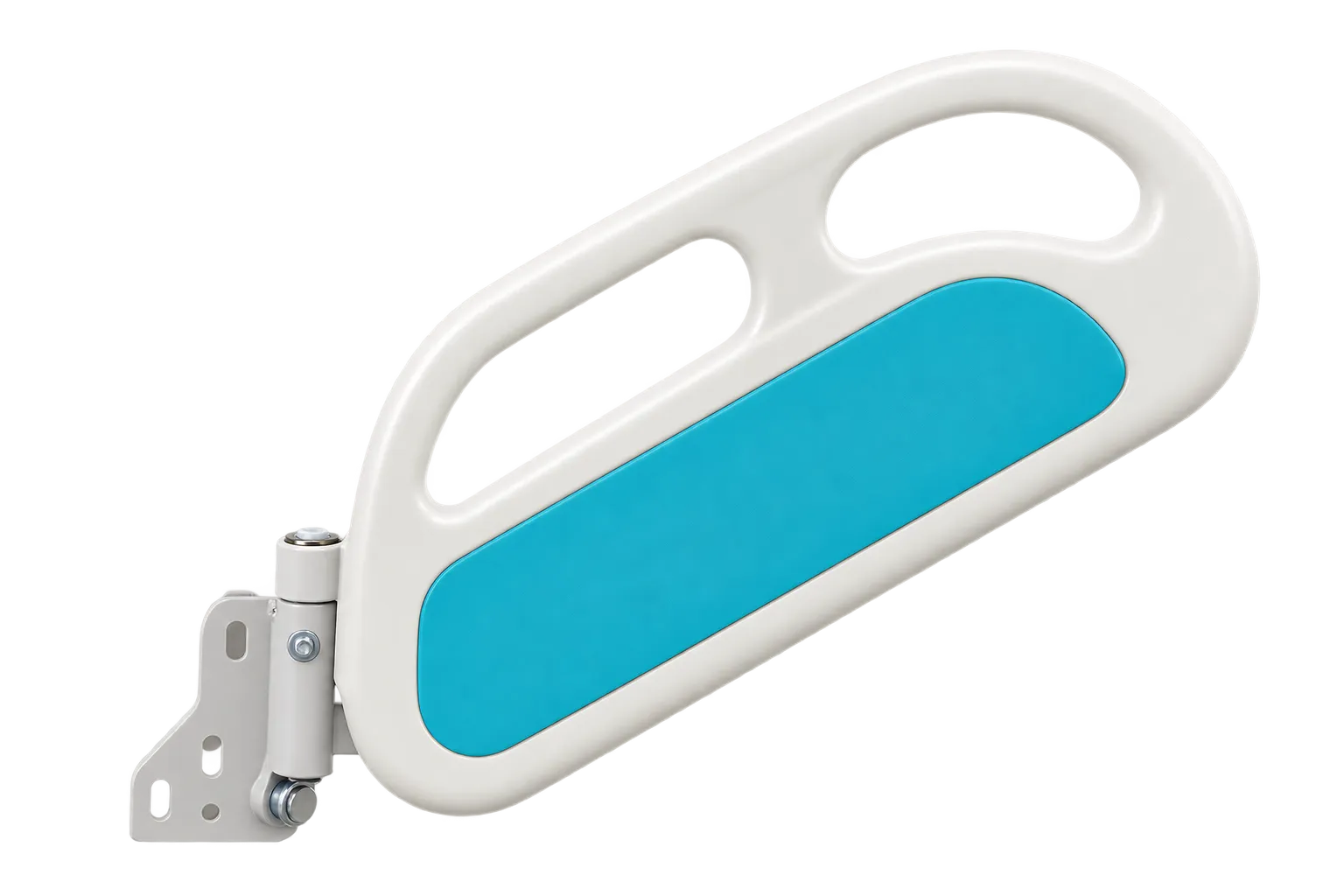
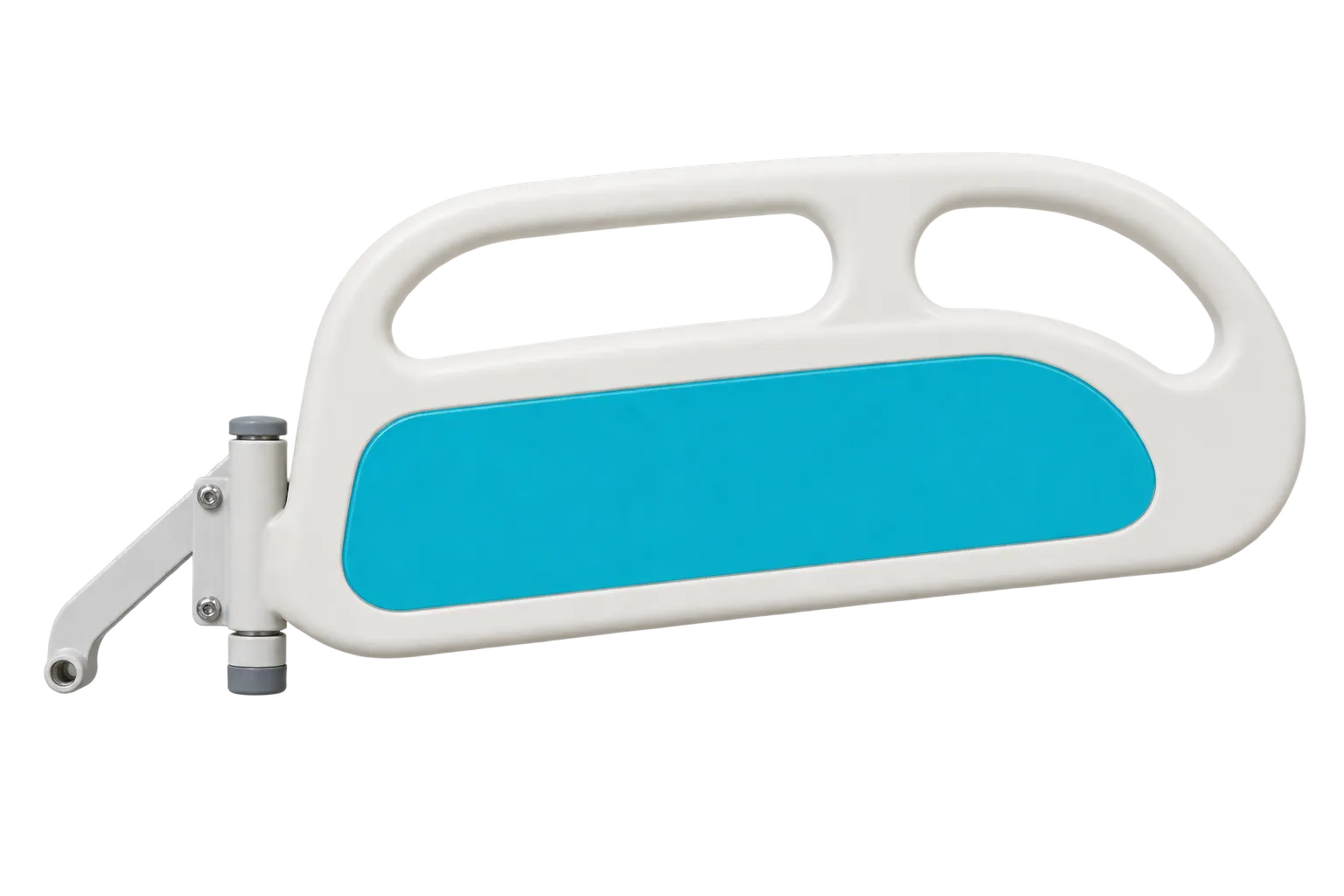
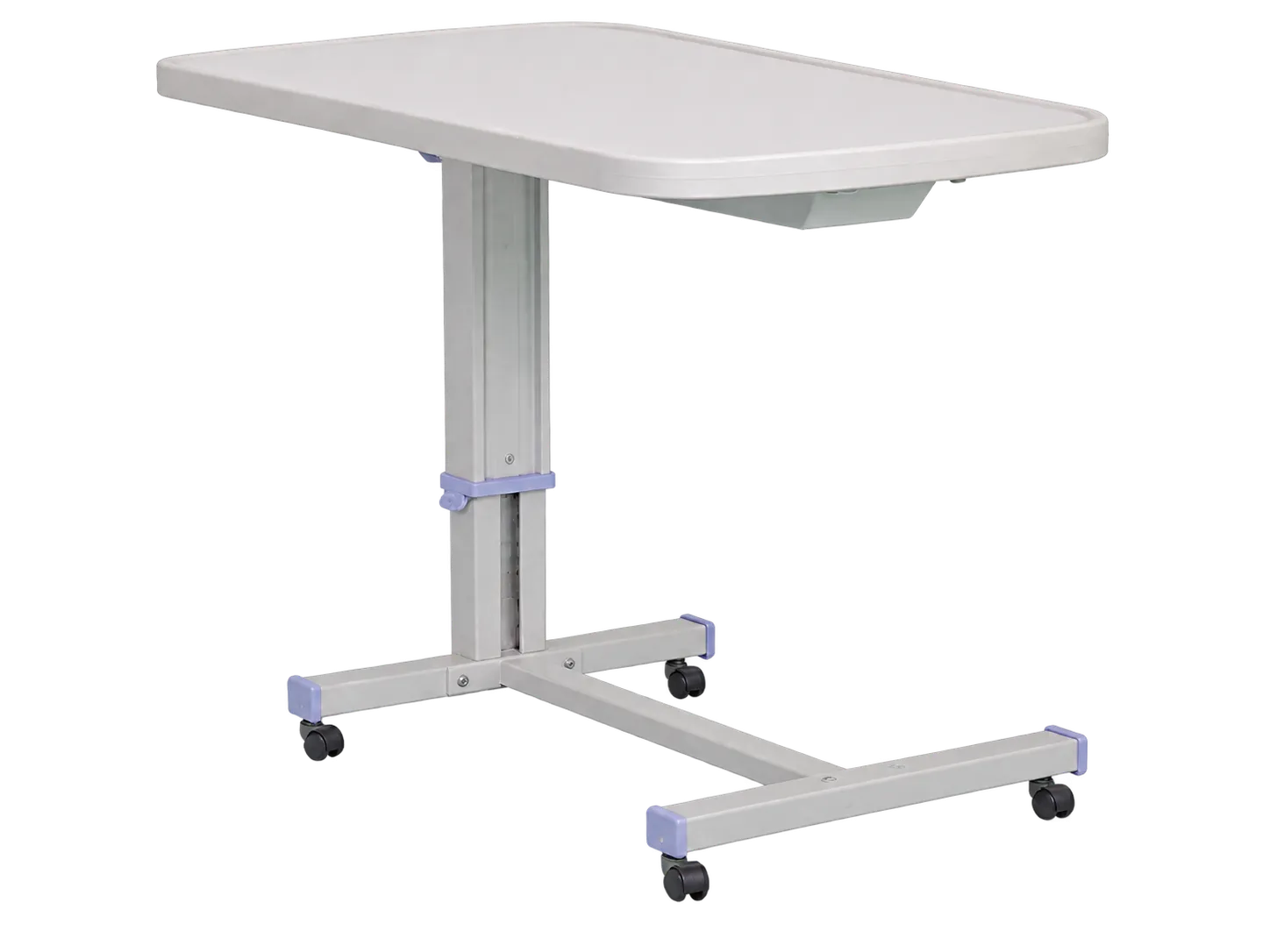
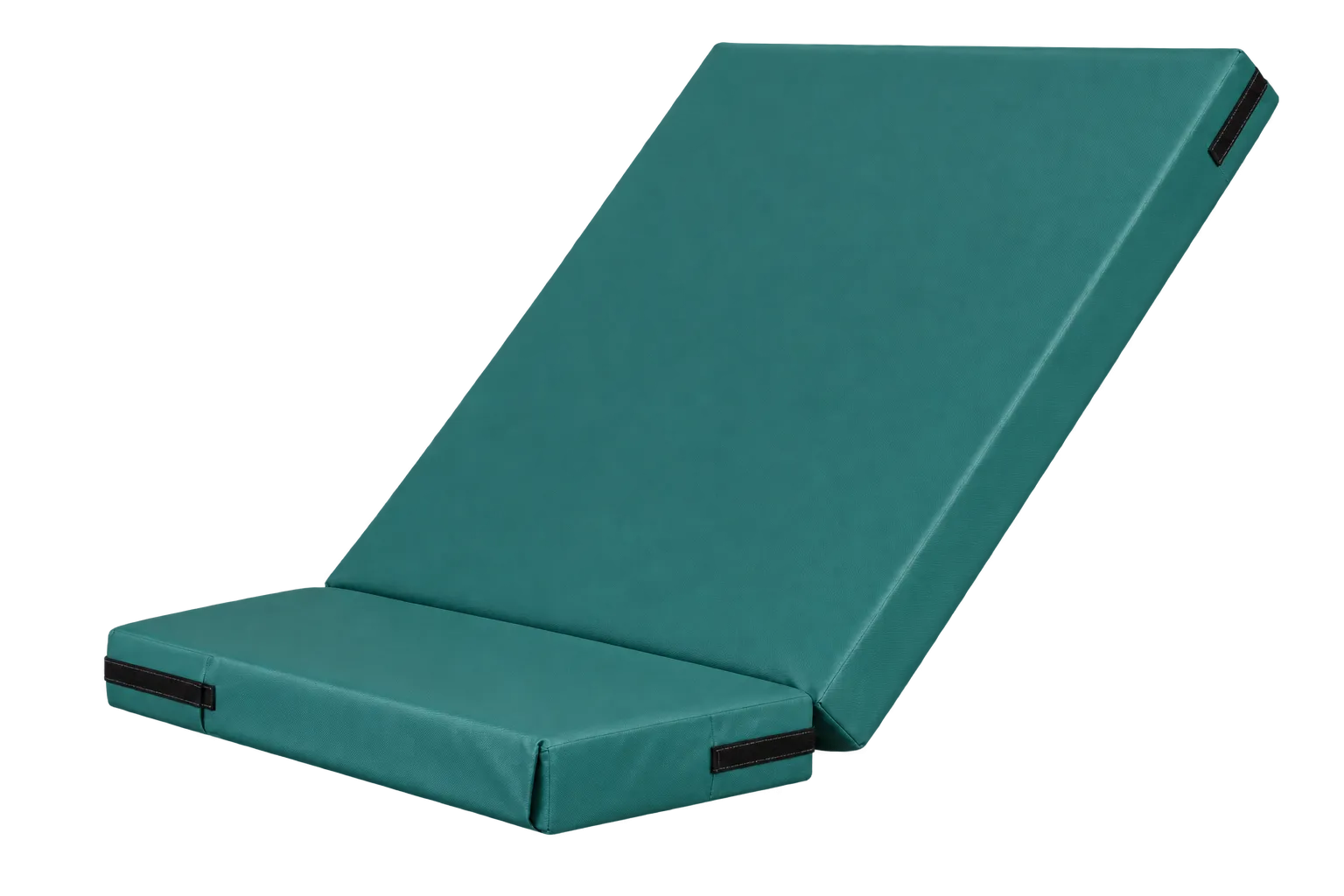
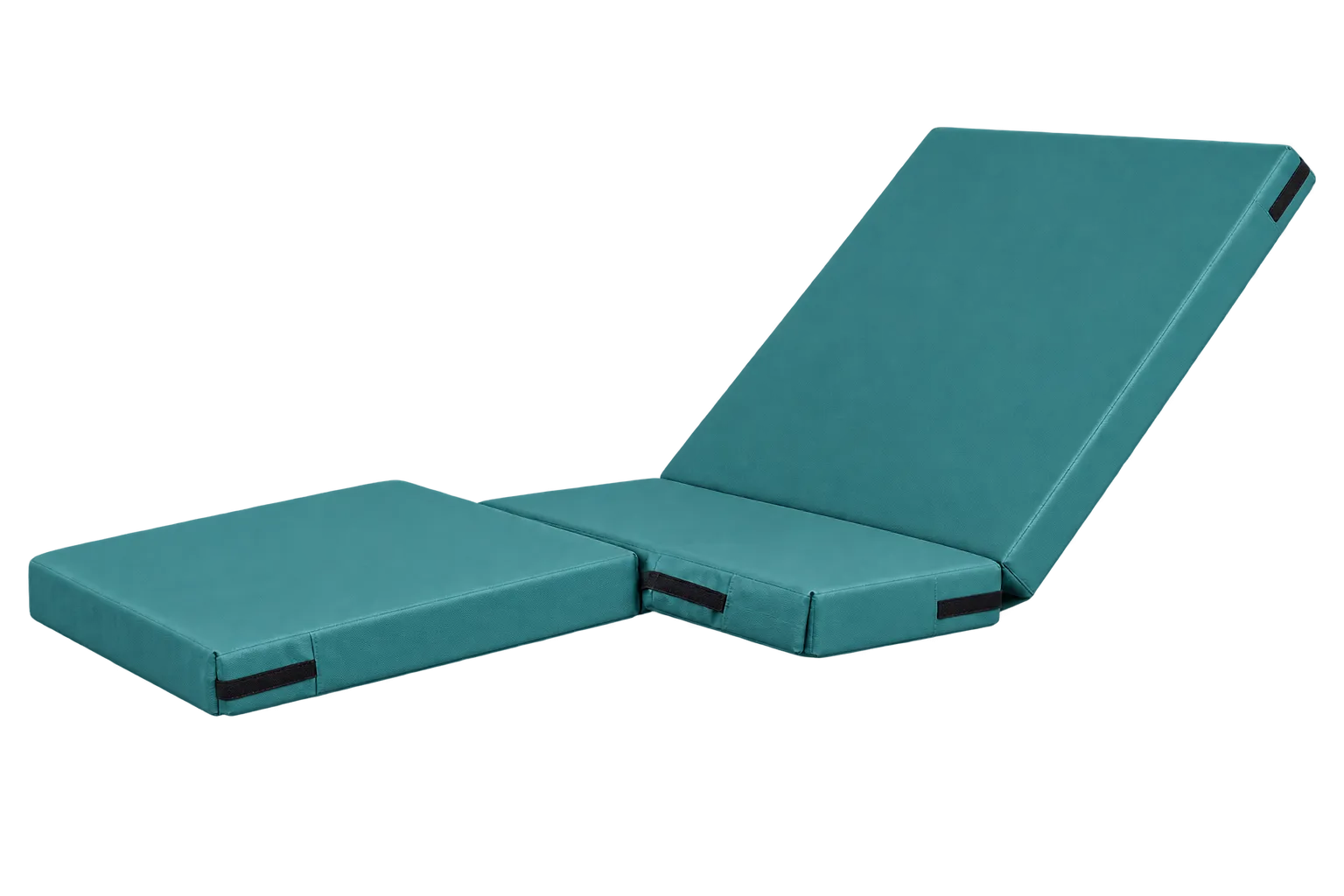
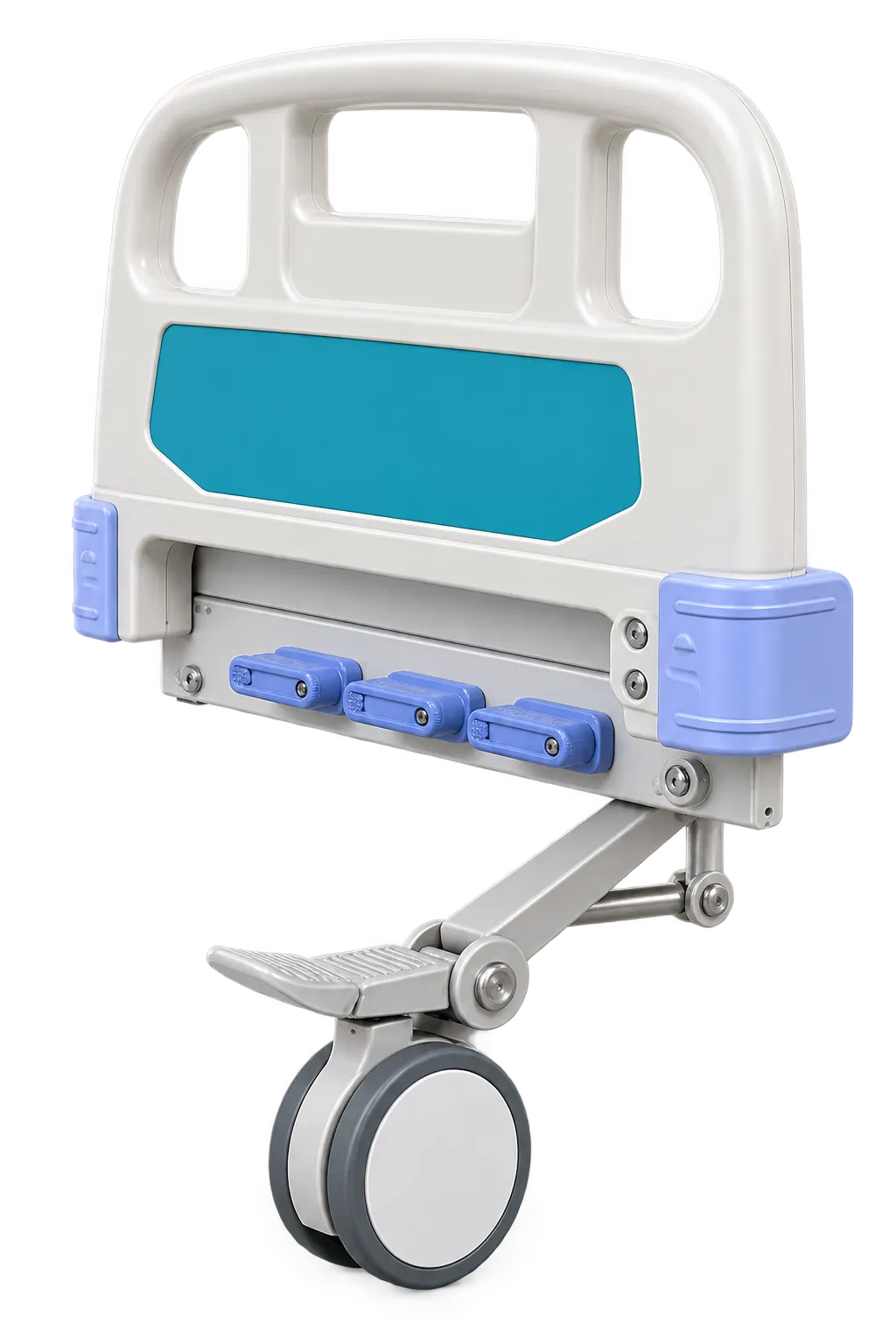
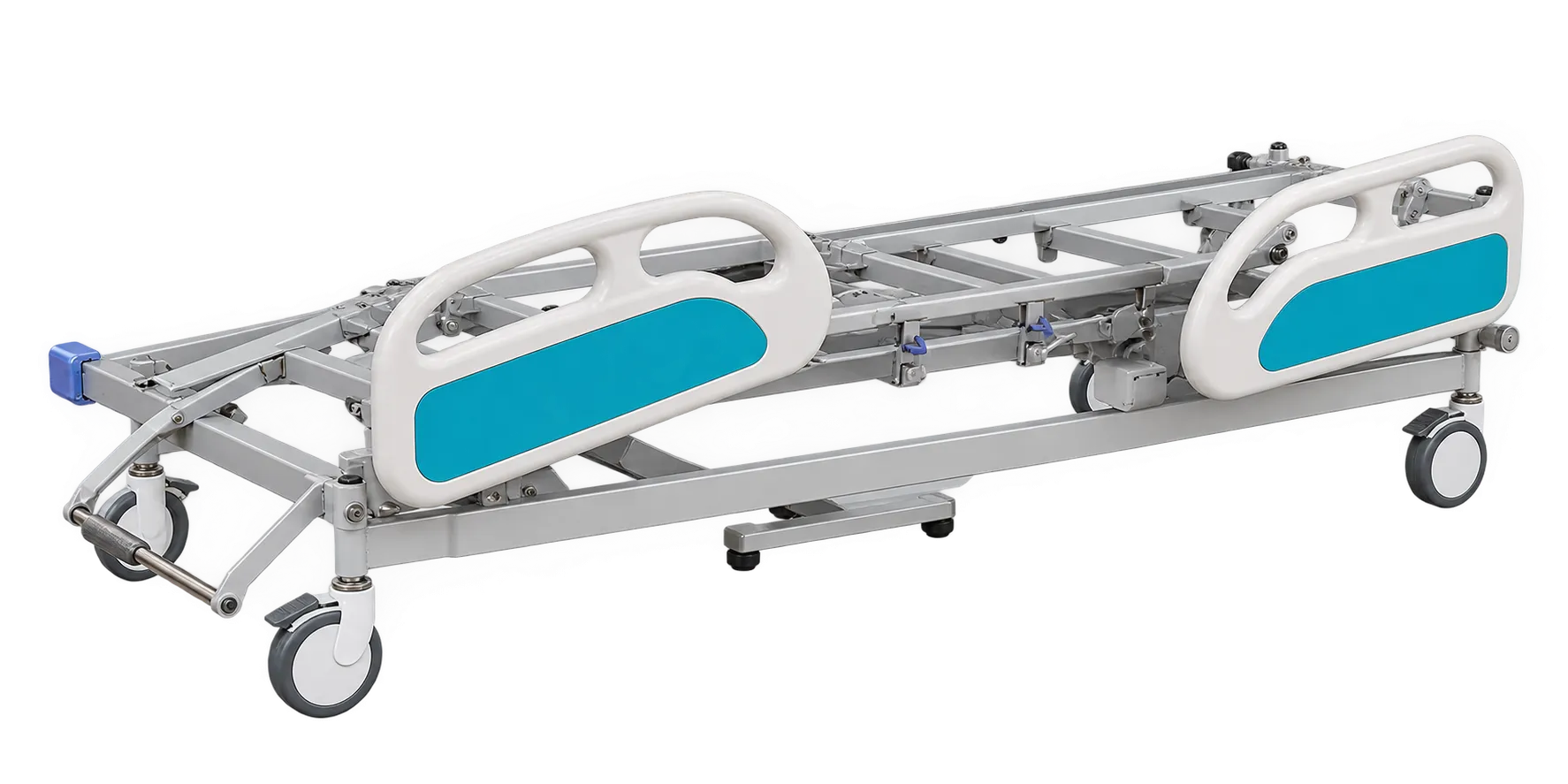
The JD-YLC3-02 is the entry point of the range, and it suits settings where positioning needs are straightforward, adjustments are infrequent, and the absence of electrical parts is an advantage rather than a compromise.
Hospice and palliative care is a natural fit. Positioning demand is typically limited to sitting up and adjusting height, the room's calm matters more than its feature count, and a frame with nothing to hum, beep or fail suits a setting where families spend long hours. Respite and short-break services follow the same logic, as do care homes and community hospital beds with largely independent residents.
Surge and escalation stock is the second clear case. Beds held against winter pressure or outbreak cohorting spend most of their life in storage and must work the moment they are opened up. A manual frame has no battery to go flat and no actuator seized from disuse. The same reasoning applies to temporary and marquee facilities, settings with limited socket provision, and humanitarian or overseas deployment, where an actuator failure can mean a bed out of use indefinitely.
Backrest elevation to 75° covers sitting for meals, medication, visitors and respiratory comfort. Leg-section elevation to 40° covers knee-break positioning and limb elevation for oedema management. Height travel sets a carer working level and drops the deck for supervised transfer and falls risk reduction.
This bed cannot tilt. Neither Trendelenburg nor reverse Trendelenburg is available, so acute medicine, high dependency and critical care all require a different frame. Medigear.uk supplies the conformity documentation that that trust, ICB, and NHS Supply Chain procurement routes require, and will say plainly when a powered or five-function frame is the correct specification.