
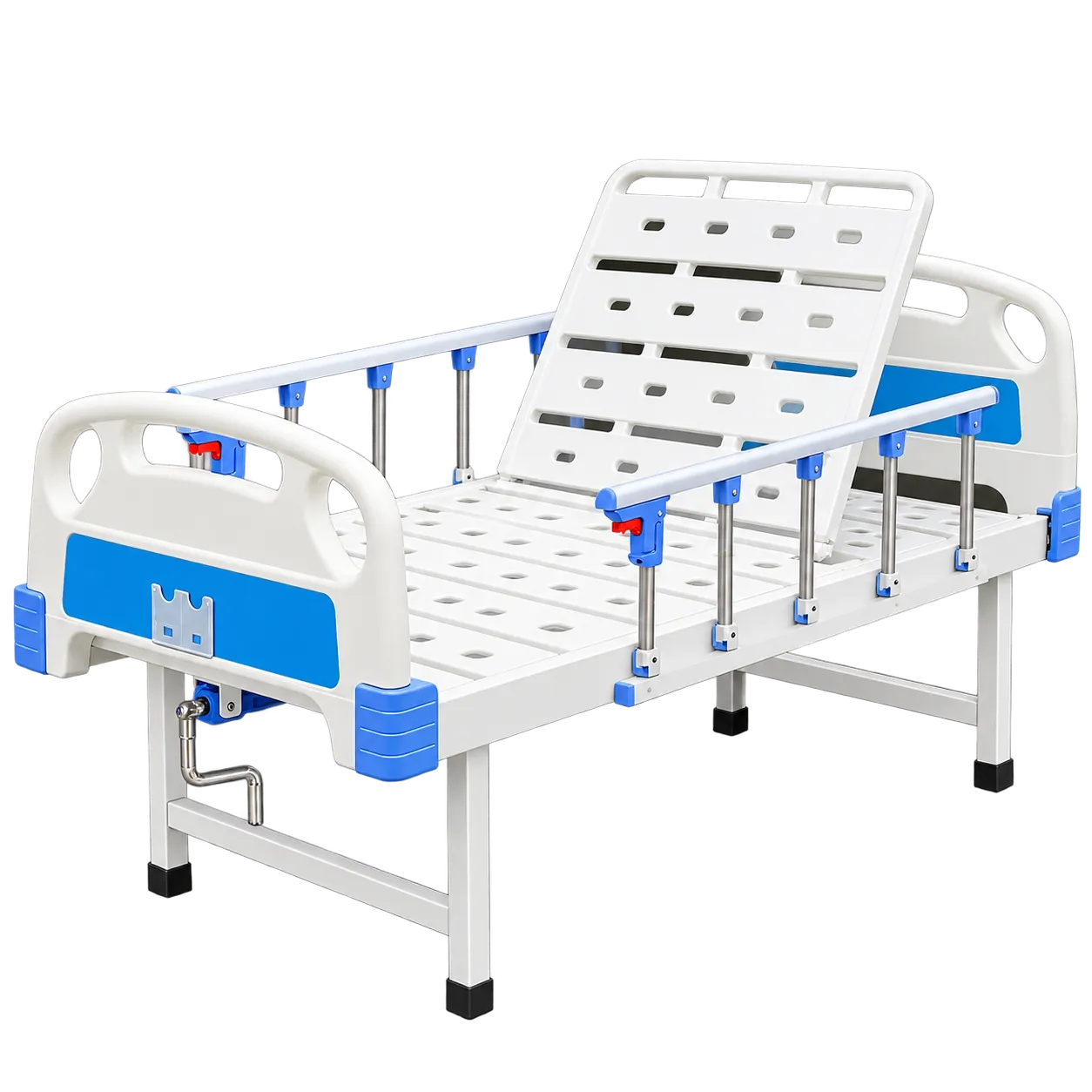


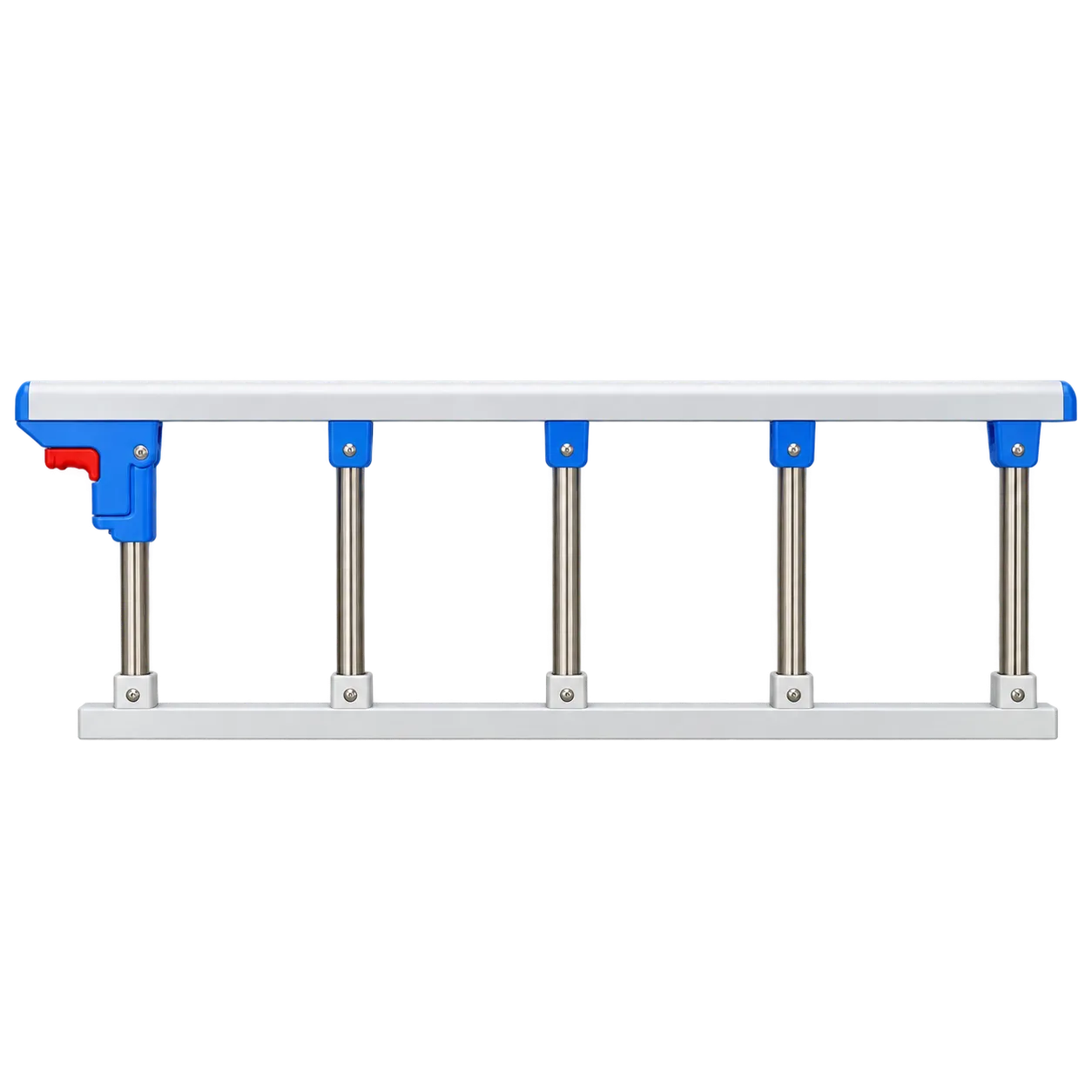


Side rooms and single-occupancy bedrooms suit a frame that stays where it is installed. Where a resident occupies the same space for months, the bed's position becomes part of the room rather than a variable, and the absence of castors removes a routine check from every shift. Plan permanent clearance on each flank staff work from, since cleaning and care both happen around the frame.
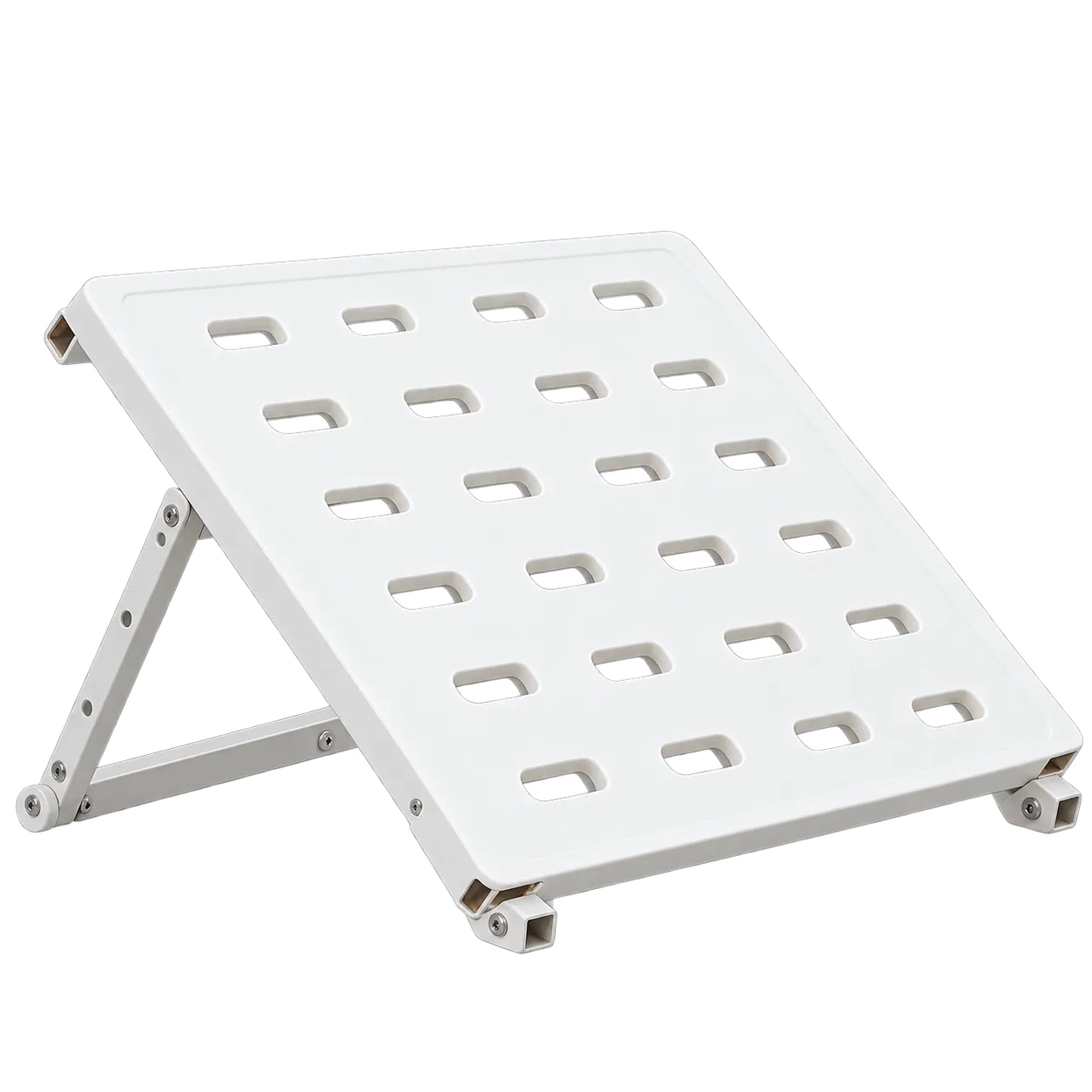
Residential care for settled residents is the population this specification fits. Where the daily requirement is the head raised for meals, conversation and reading, one driven section covers most of what the bed is asked to do. Review that fit at allocation and again if needs change, because a single mechanism does not extend its range.
Long-stay and continuing care placements benefit from a maintenance schedule with one moving assembly in it. Fewer mechanisms means fewer inspection points, and a hand-driven frame carries no battery, no electrical test and no charging routine. Ask for the service interval and the lubrication points so the schedule can be written properly rather than assumed from the simplicity of the build.
Contingency and reserve stock is the fourth route. A frame with no electronics and no castors stores compactly and returns to service after a mechanical inspection. Procurement routes across NHS trusts, local authority equipment services and independent providers each ask for their own evidence, and on a four-line specification more of that evidence has to be requested than usual. The conformity documentation those procurement routes require is issued by the manufacturer and provided by the seller.