
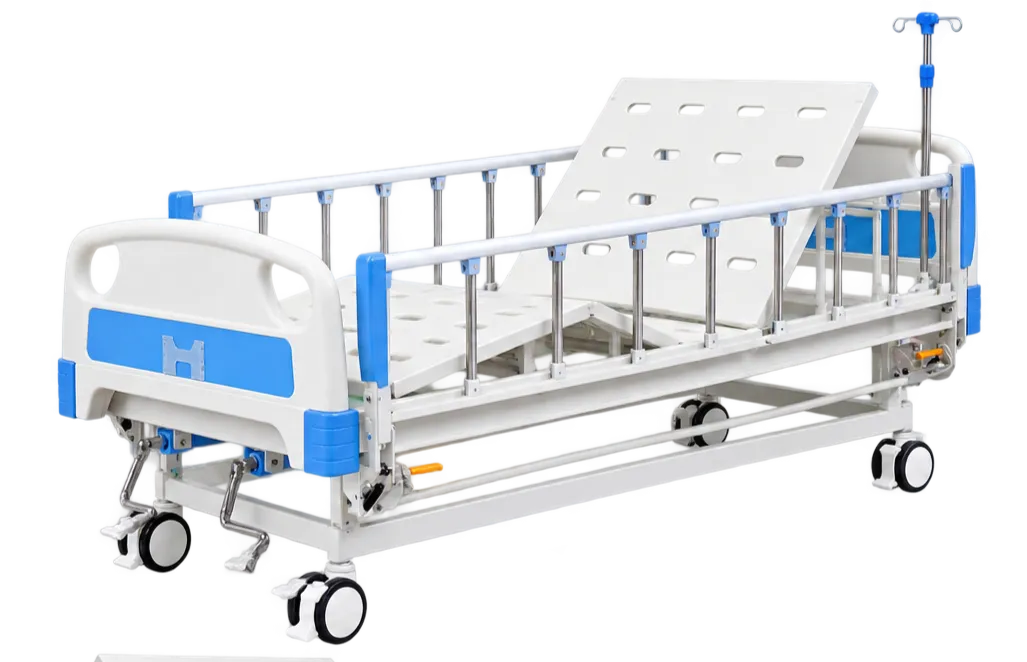
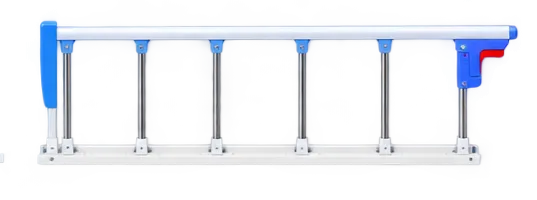

Settings caring for people at high risk of falling from bed are where a rail of this height is considered, and the consideration has to be individual. An assessment that records the reason, the alternatives weighed, the person's view or a capacity decision, and a review date is what makes the rail defensible. Buy on that basis rather than fitting the same barrier everywhere and assessing afterwards.
Care homes and continuing care wards should hold a mixed stock. Some residents are served by a low bed and no rail, some by a partial barrier, and some by full-length protection. Recording which beds carry which rail arrangement on the equipment inventory turns each allocation into a lookup rather than a fresh judgement, and it makes review straightforward when a resident's needs change.
Settings supporting people with confusion or delirium need the assessment to run both ways. A barrier may protect somebody who cannot safely mobilise, and it may increase the consequence of a fall for somebody who will attempt to climb over it. The clinical question is which of those describes the individual, and the answer can change week to week, which is why review matters as much as the initial decision.
Estates and governance functions should keep the rail dimensions and any entrapment test data with the risk assessment rather than in a separate equipment file. Procurement routes across NHS trusts, local authority equipment services and independent providers each ask for their own evidence. The conformity documentation those procurement routes require is issued by the manufacturer and provided by the seller.