
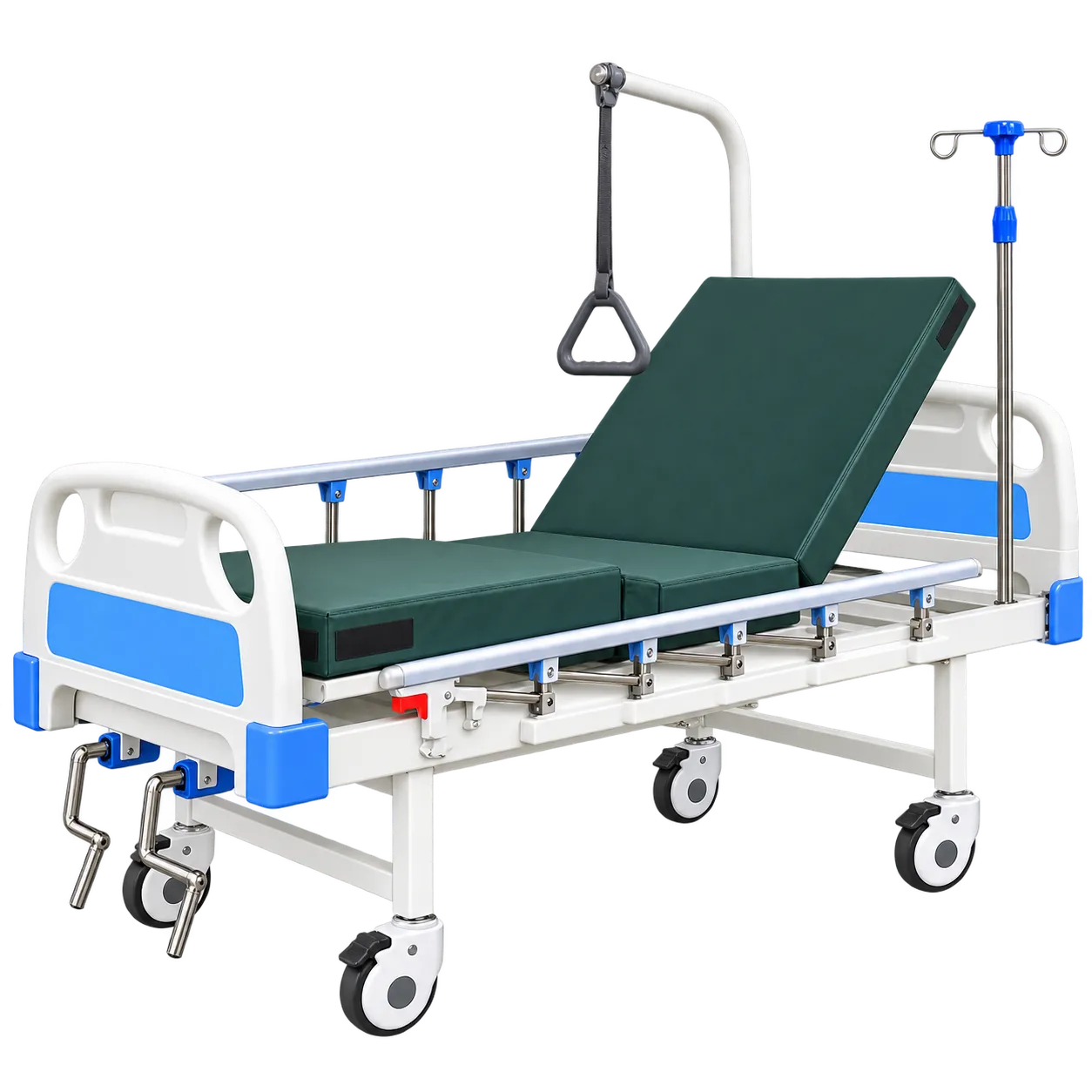

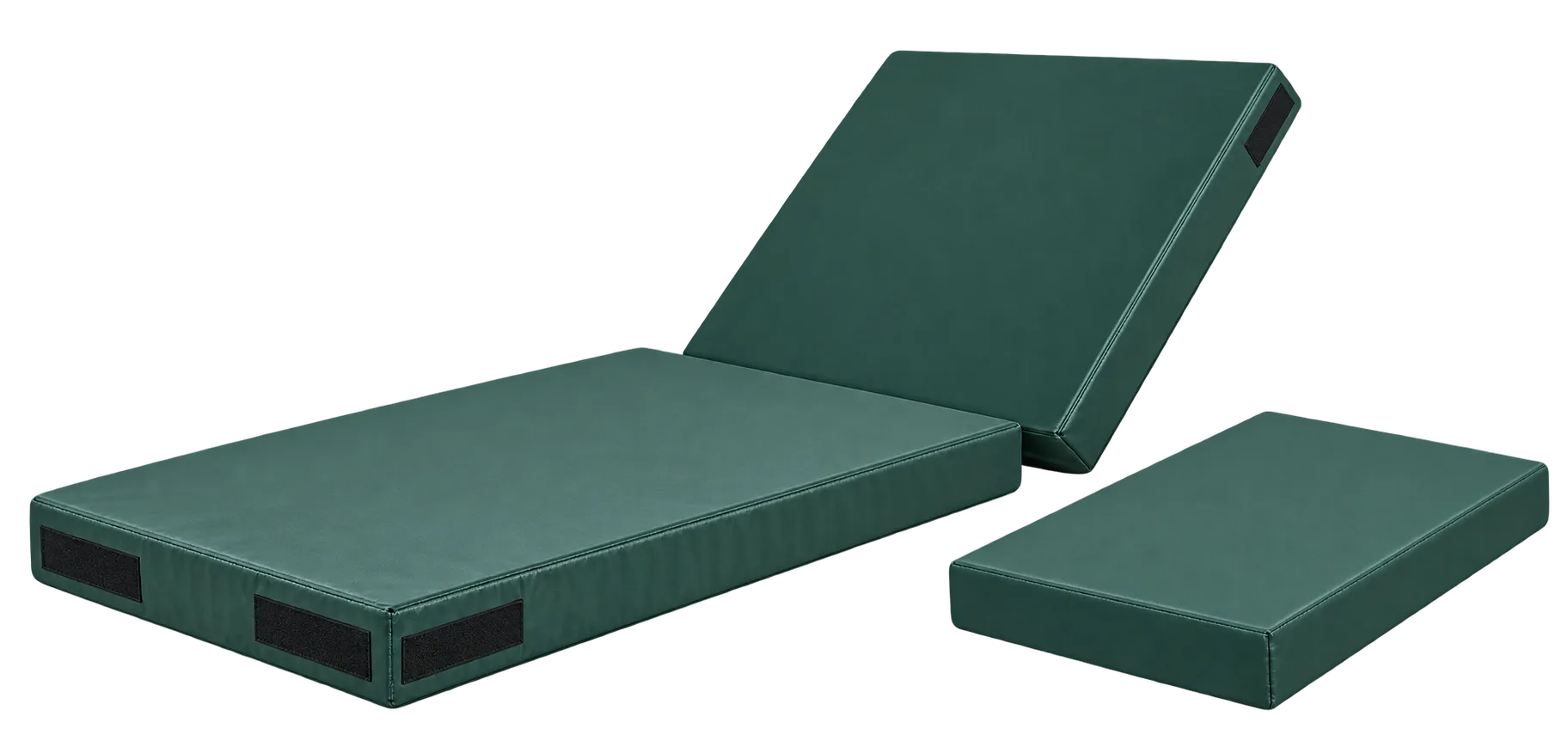
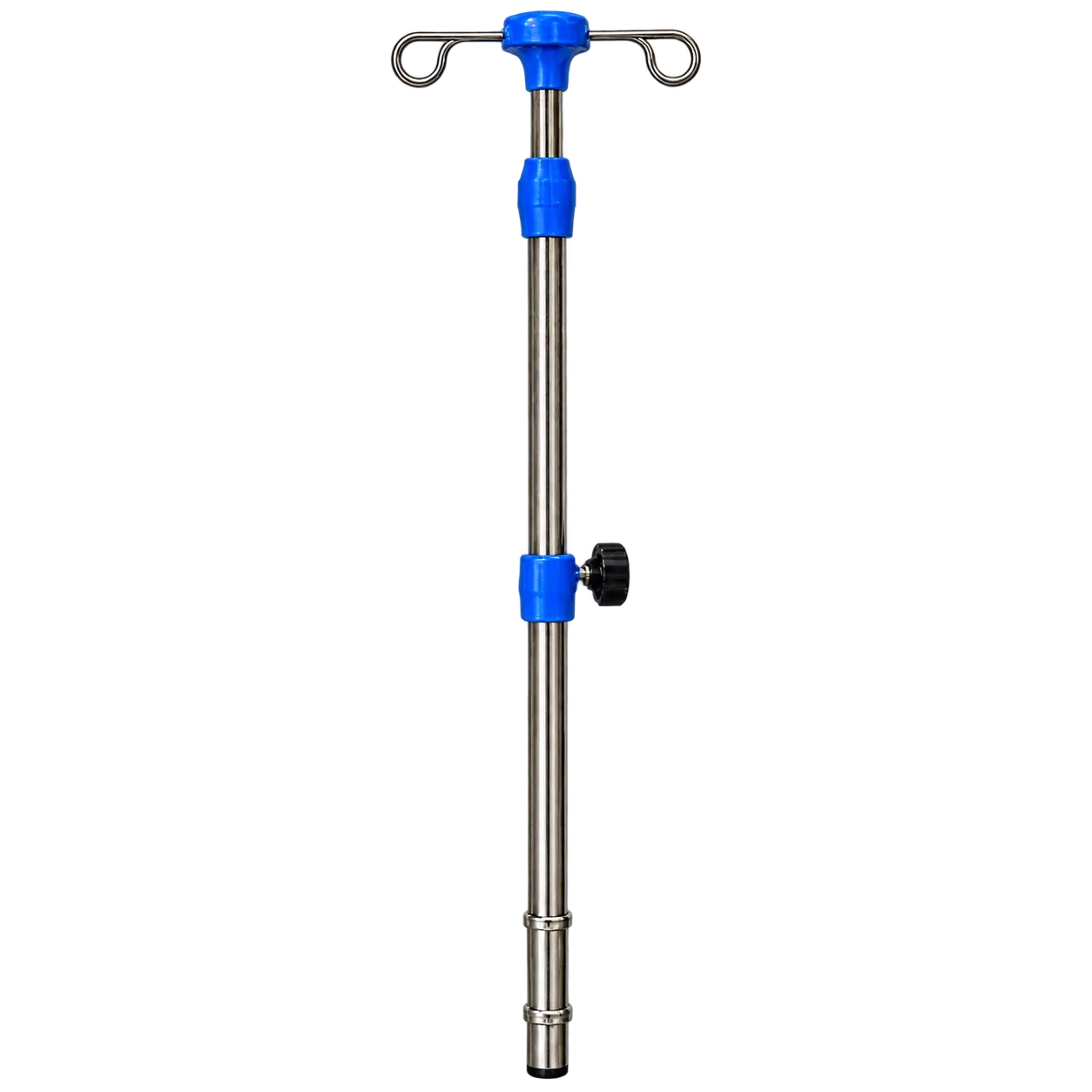
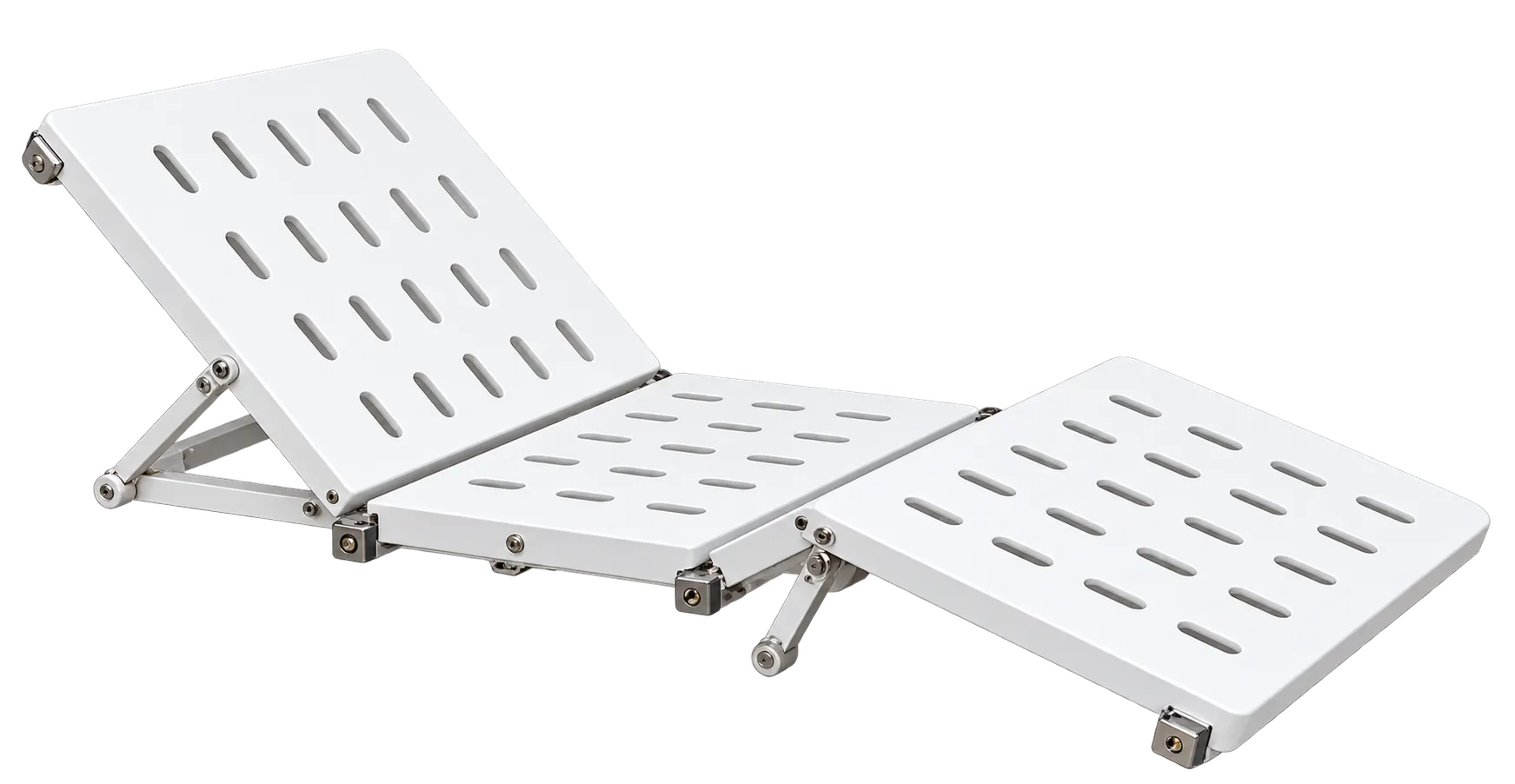
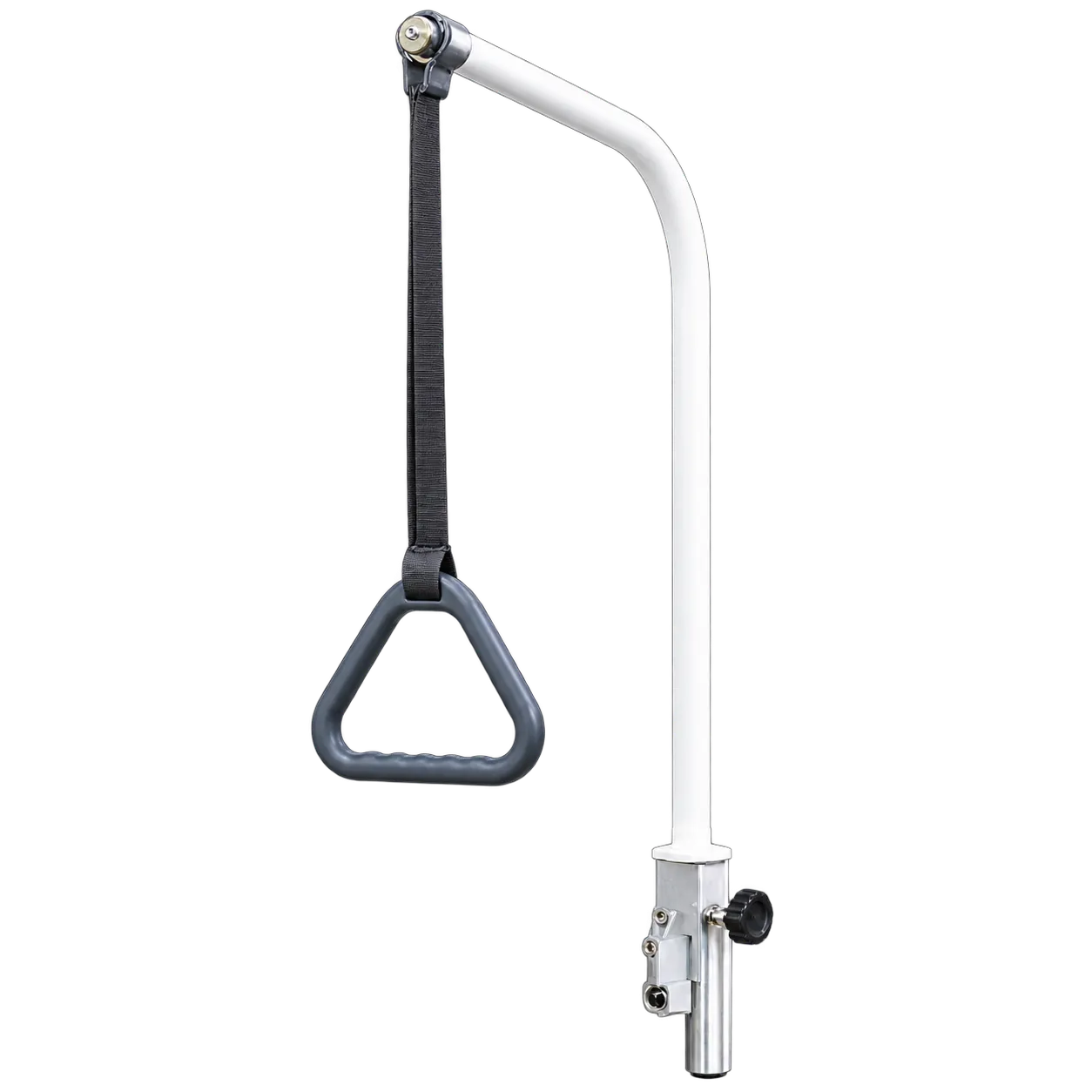
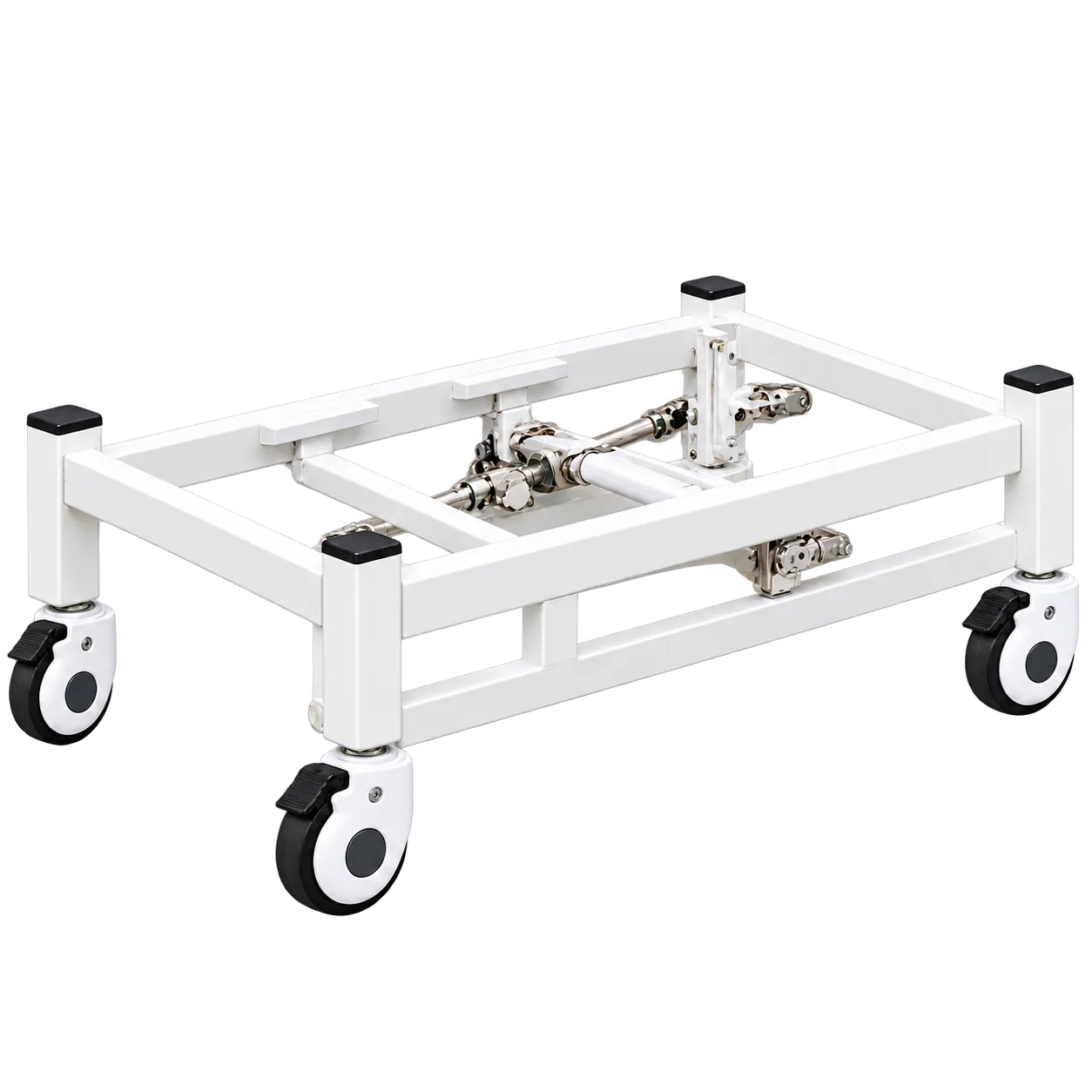
Care and nursing homes buying in small quantities are the clearest fit. A short specification is easy to check on delivery, and a frame priced separately from its mattress lets a home match the surface to the resident rather than accepting whatever ships with the bed. Homes should budget the additions at the same time as the frame, since a bed without a mattress cannot be occupied and a resident who repositions themselves may need the overhead pole the photograph shows.
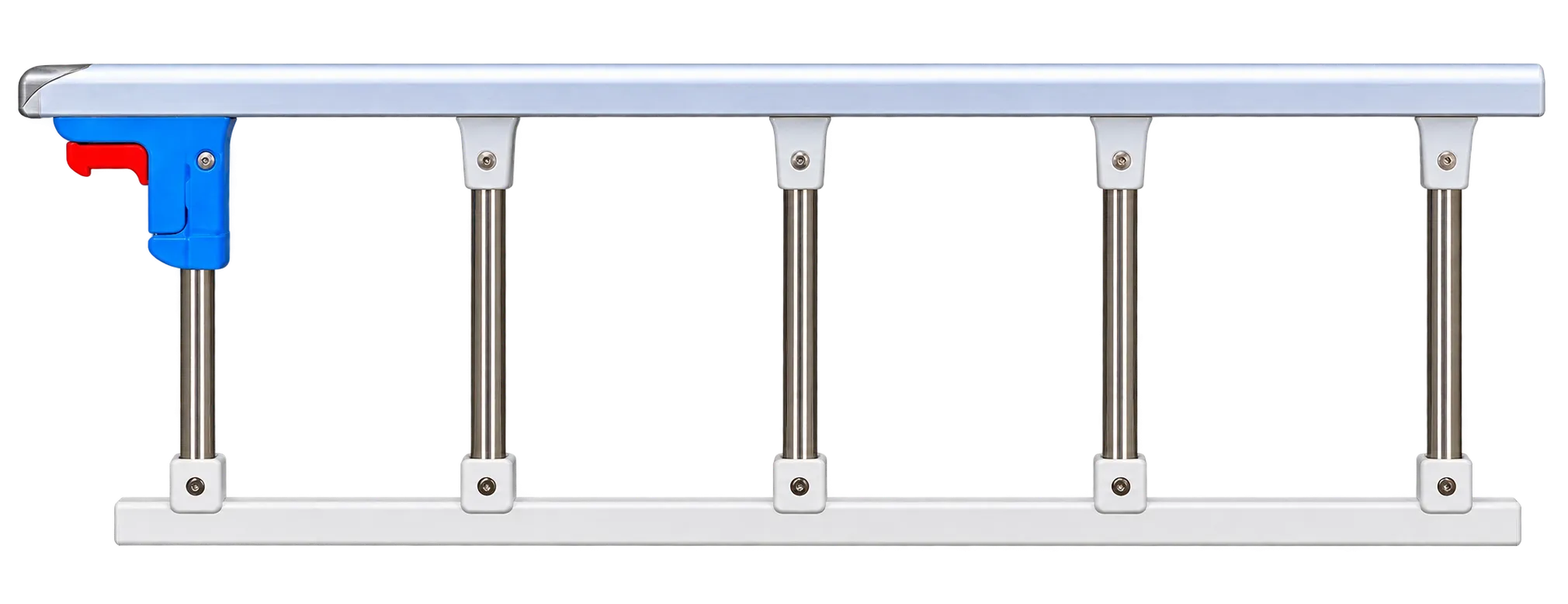
Rental and loan fleets work the same way for commercial reasons. Where beds are hired out and returned, the frame and the soft goods have different lives: mattresses are replaced on condition and hygiene grounds while frames run for years, so pricing them apart matches how the asset is actually managed. Ask about spares availability for rocker mechanisms, castors and guardrail components before committing a fleet.
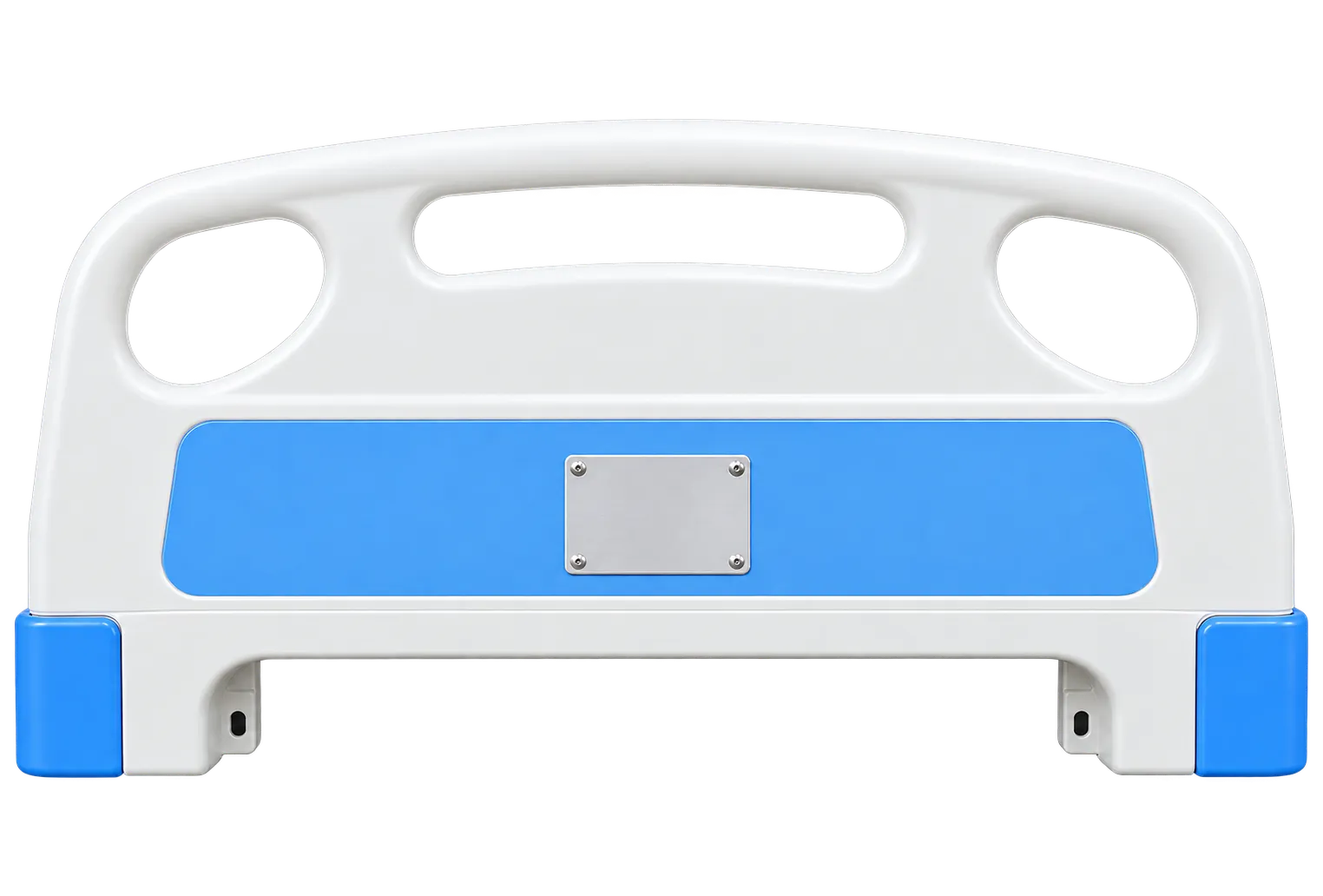
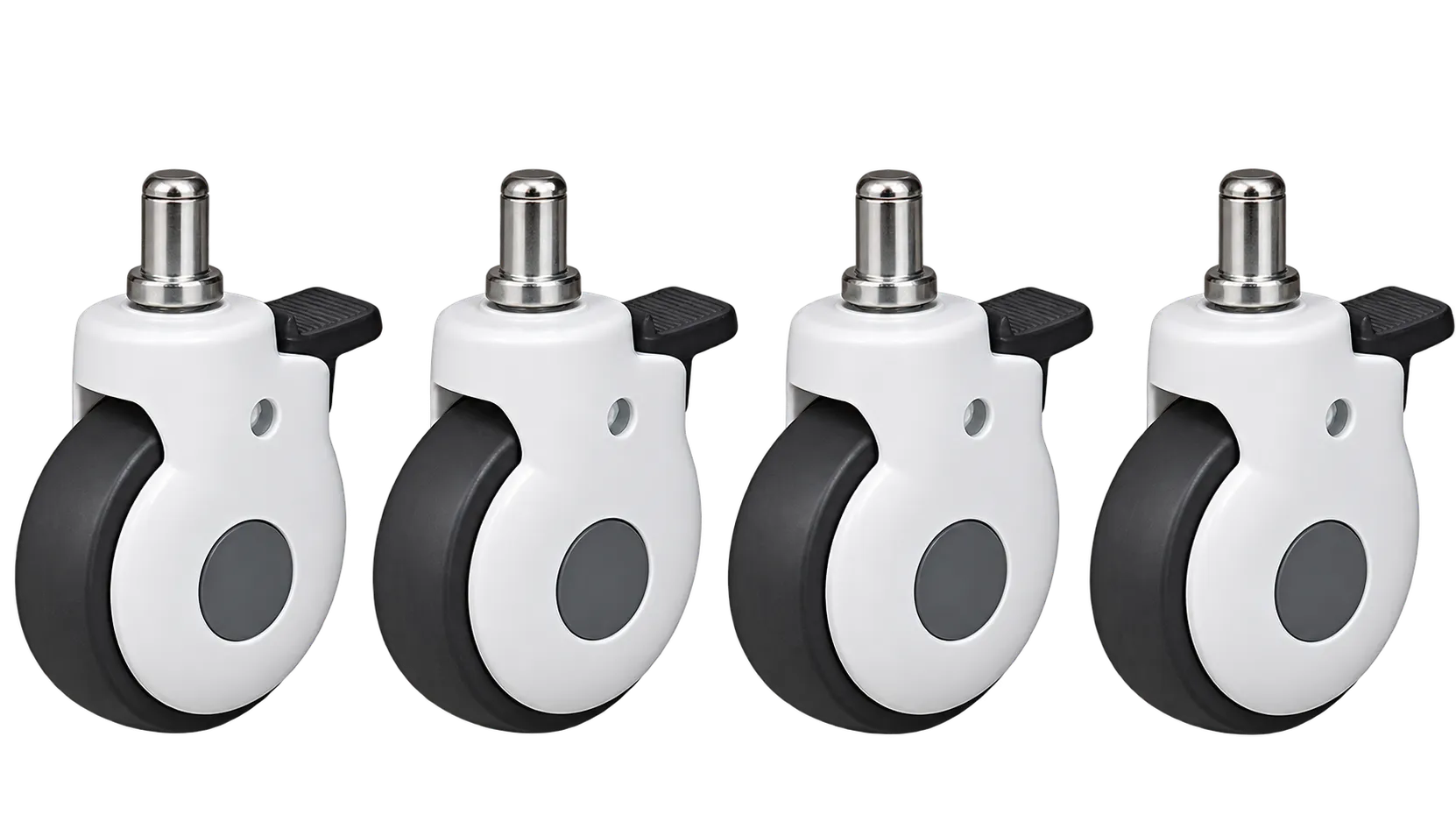
Ward and step-down use is straightforward once the open questions are closed. Two rocker mechanisms cover assisted positioning, folding rails suit an individual rail assessment, and the ABS head wipes down across a moulded surface. The braking arrangement should be confirmed before any bed is allocated, since transfers depend on it and it is not in the written specification.
Community and domiciliary placements benefit from the absence of electrics, with no socket committed in the room and nothing to test before reissue. In these settings the ancillary items matter most, because a single named user often needs the mattress, the stand and the pole specified together as one package. Procurement routes across NHS trusts, local authority equipment services and independent providers each ask for their own evidence. The conformity documentation those procurement routes require is issued by the manufacturer and provided by the seller.