
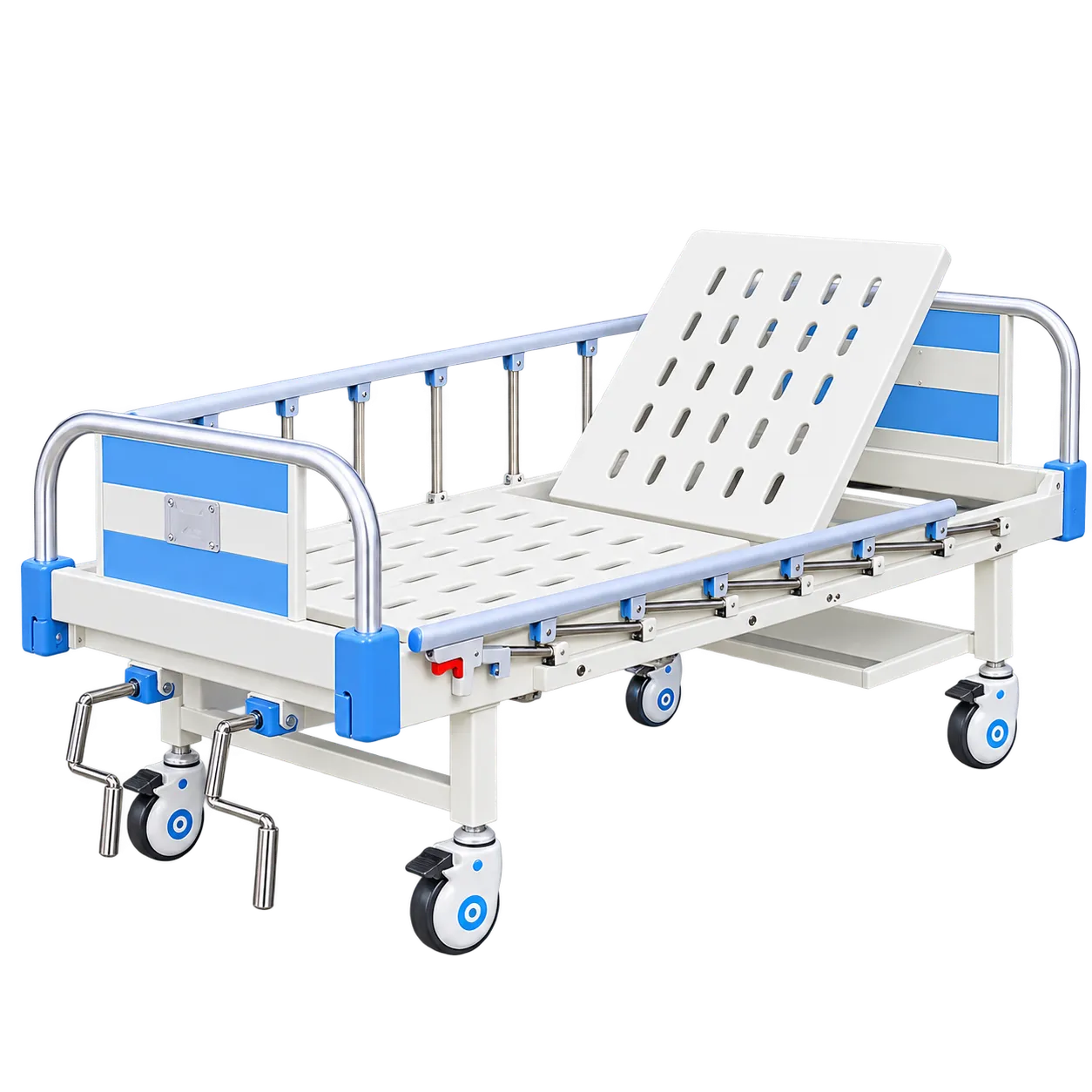
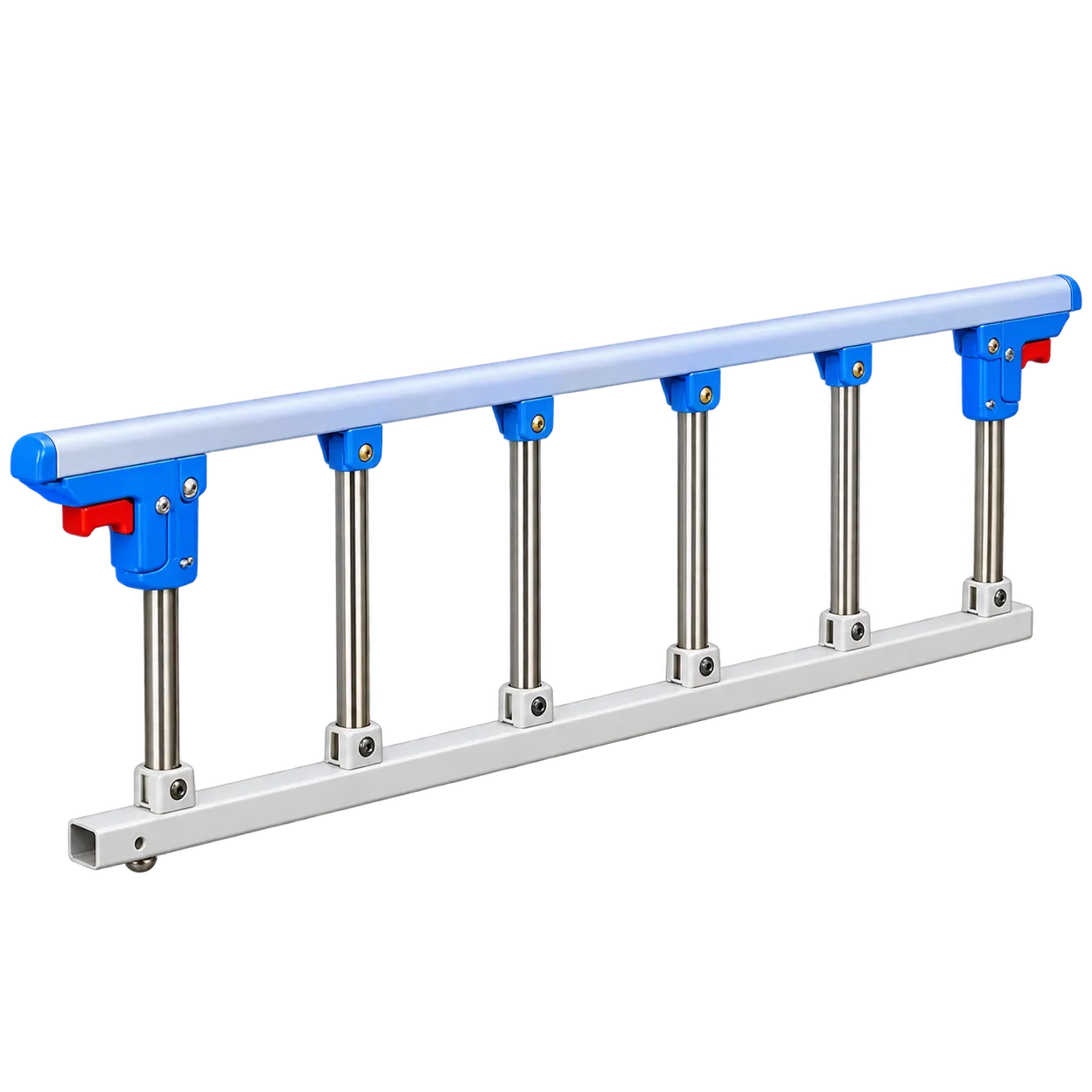
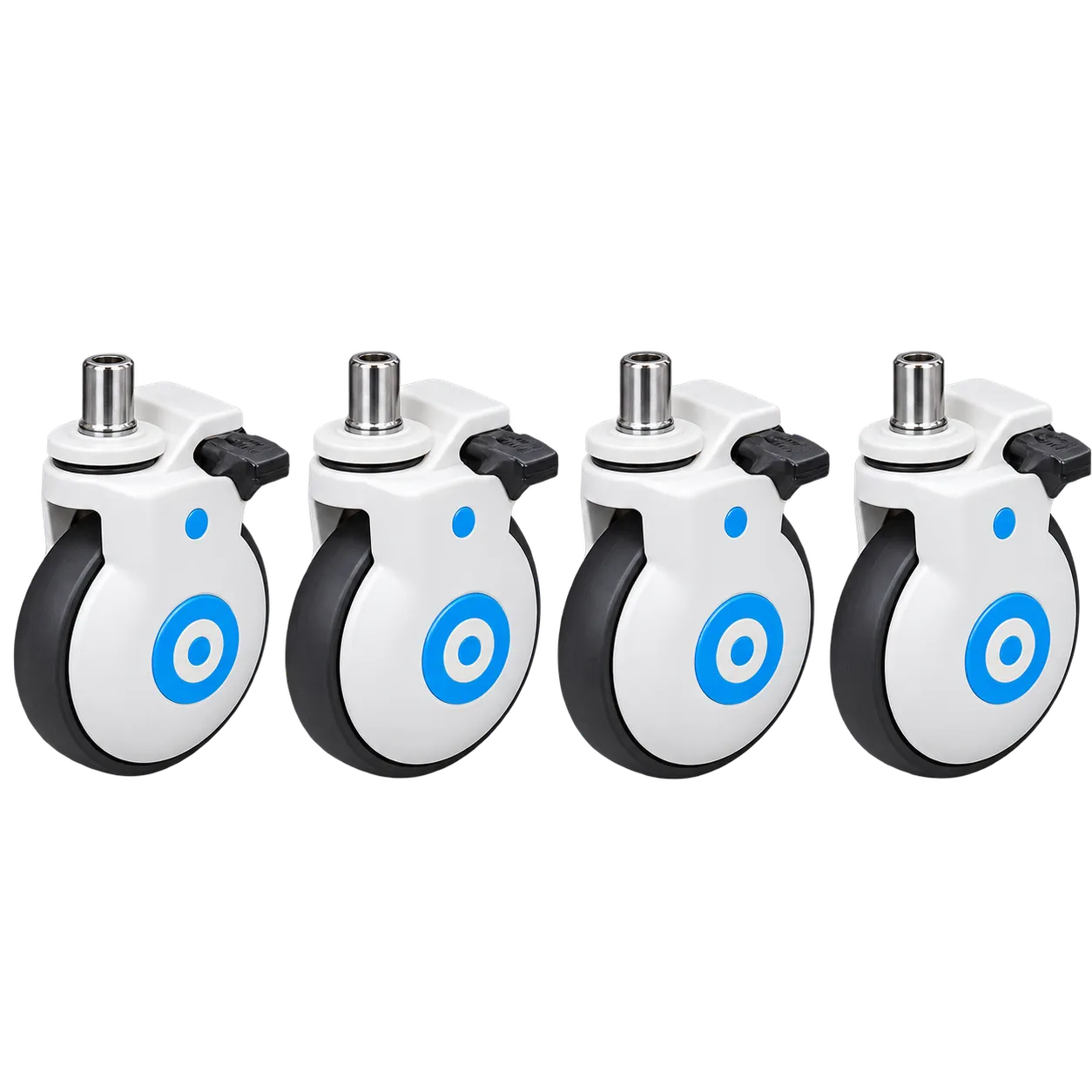
Equipment libraries and community loan stores are the setting this frame suits best. Beds in these services spend as much time on a rack as in a room, and a hand-driven frame with folding rails and four wheels returns to circulation once a mechanical inspection is done. Where a service reissues stock between named users, the absence of anything to condition in storage is a scheduling advantage as much as a cost one.
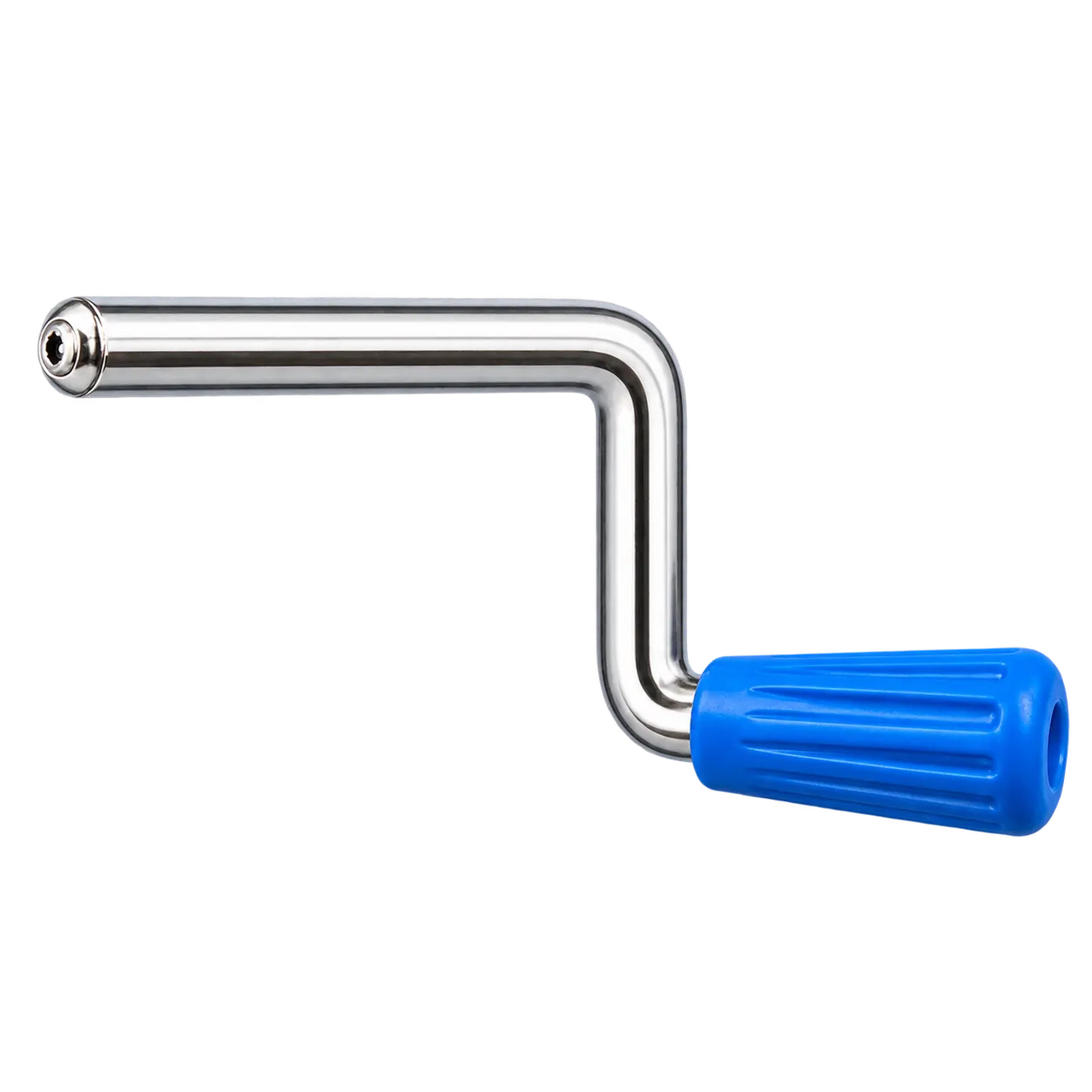
Care and nursing homes with fluctuating occupancy use the same characteristic differently. A bed that folds down and rolls into a corridor cupboard can be stood down when a room is empty and brought back when it is filled, without a maintenance visit standing between the two. Homes should still price the carer time each crank adjustment takes, since that cost lands every day the bed is occupied.
Winter escalation and contingency capacity is the third route. A steel frame with no electronics stores for long periods without degradation, and the pre-deployment check is a visual and mechanical one that a competent technician can complete at the bedside. The 2100 mm external length is the figure to check the store, the lift and the corridor turns against before a batch is committed.
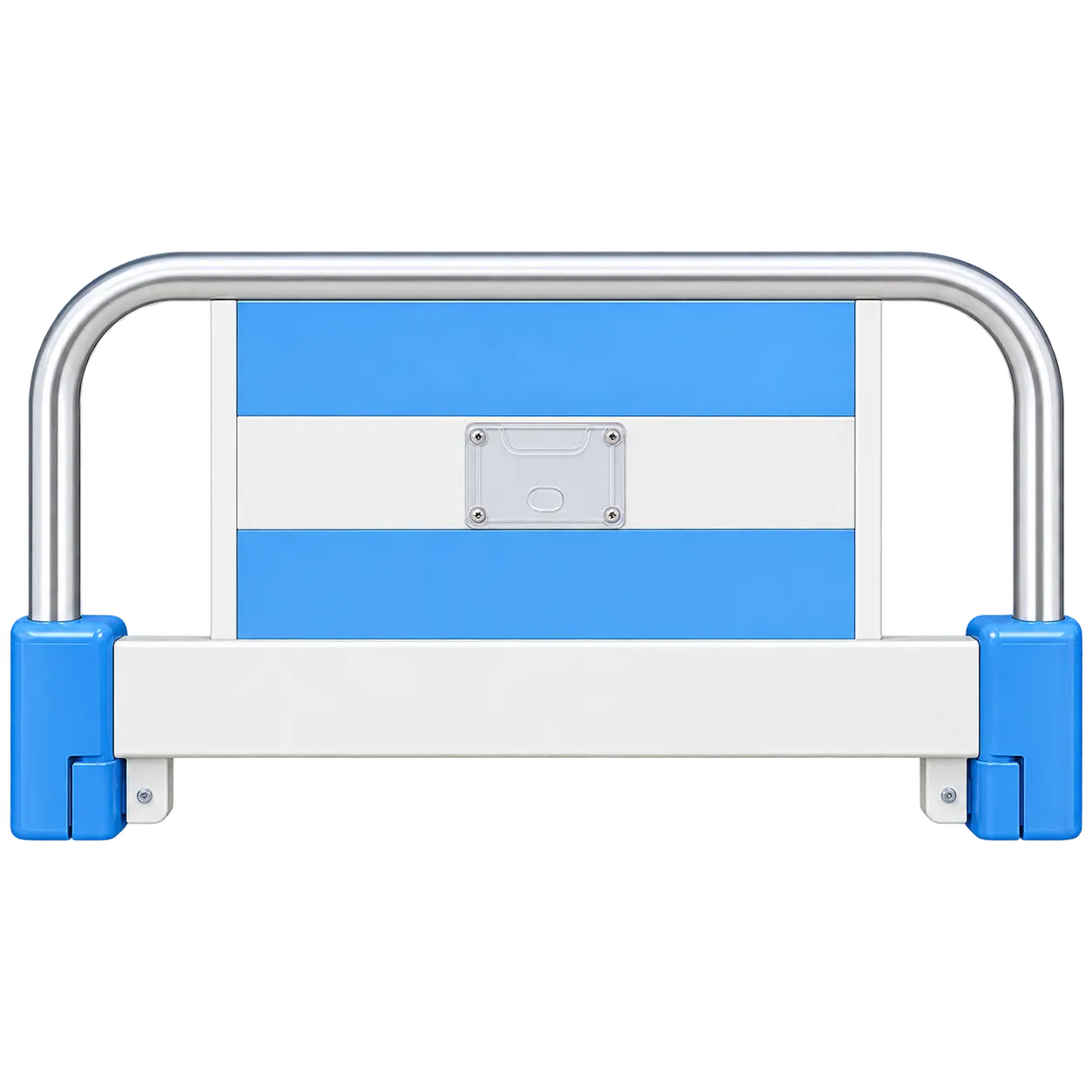
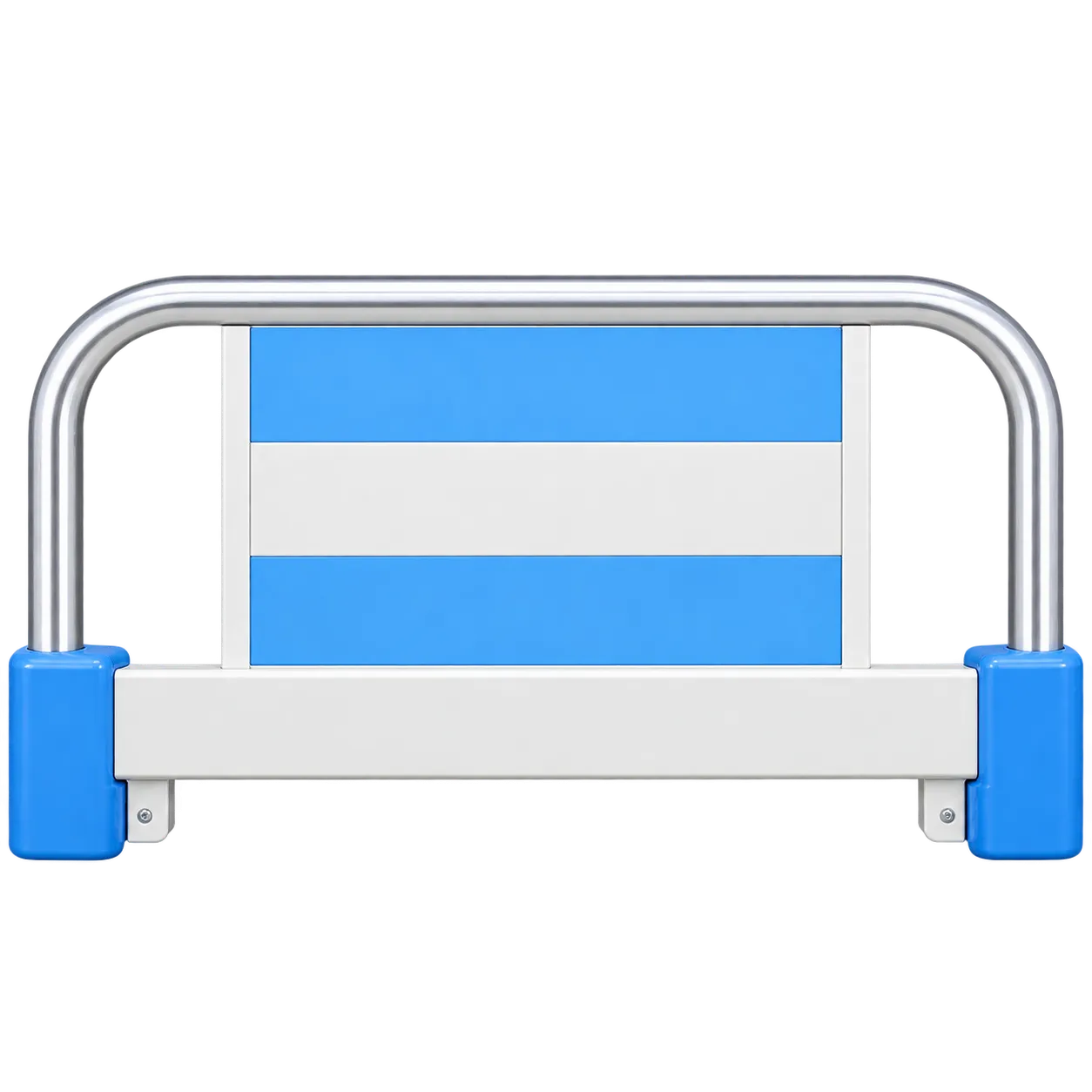
Ward and step-down use is straightforward provided the open questions are closed first. Two rocker mechanisms cover assisted positioning, the folding rails suit an individual rail assessment, and the steel head takes repeated cleaning. Procurement routes across NHS trusts, local authority equipment services and independent providers each ask for their own evidence. The conformity documentation those procurement routes require is issued by the manufacturer and provided by the seller.