
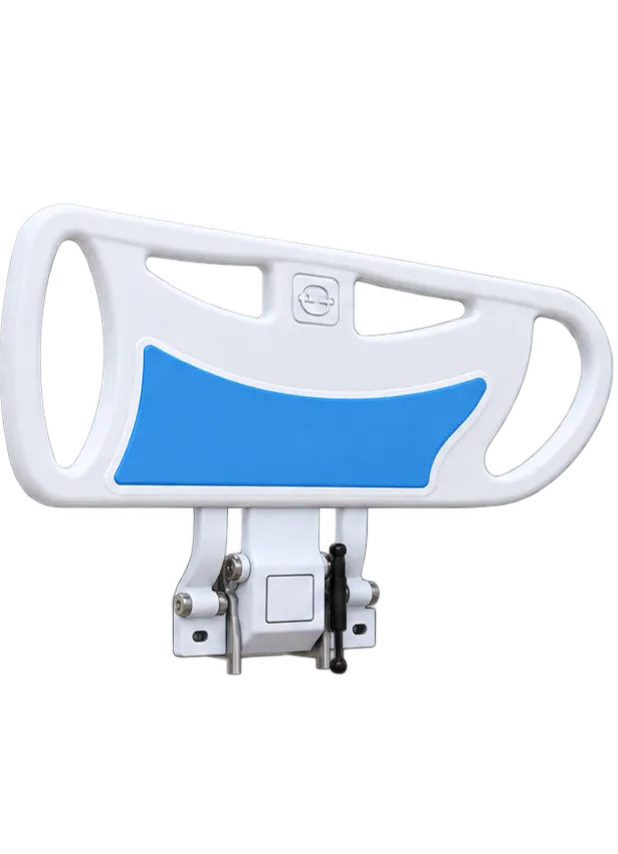
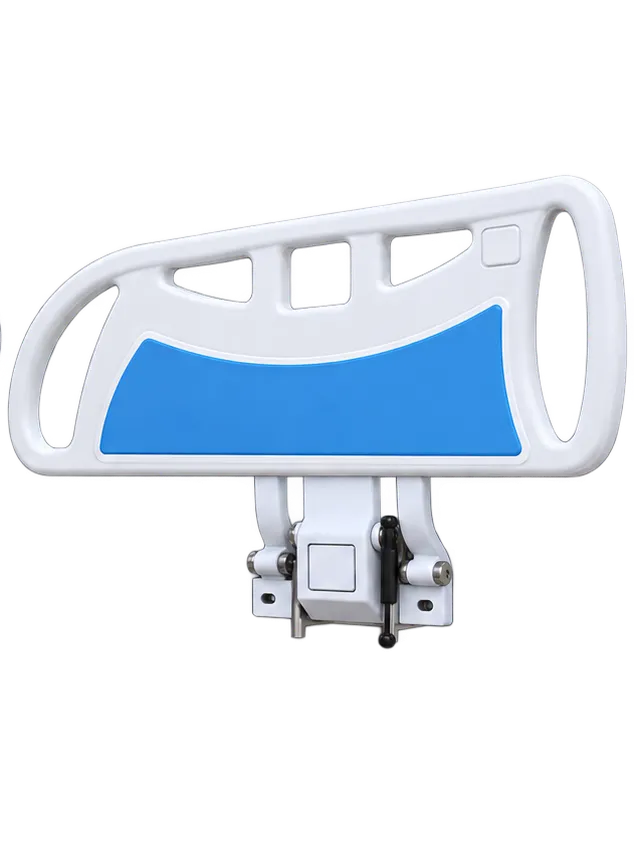
Equipment services and maintenance functions carry this one. A moulded rail needs a close, specific inspection at named places, and a written rule for what takes it out of service. Both are questions for the manufacturer, and both should be settled before the first panel goes into a room rather than at the first incident.
Care homes with long placements should think about siting as well as servicing. A bed by a window sits in daylight for years, and polymers vary in how they respond to that. Ask about ultraviolet stability, and consider shortening the inspection interval for beds in the sunniest rooms.
Wards and continuing care areas where residents pull on rails to reposition should treat use as the driver of inspection frequency rather than the calendar. A panel handled many times a day accumulates loading at exactly the points where a moulding is weakest, and that is what an interval should reflect.
Whoever holds the bed rail risk assessment needs the openings dimensioned and the compatibility evidenced before any of the above matters. Procurement routes across NHS trusts, local authority equipment services and independent providers each ask for their own evidence. The conformity documentation those procurement routes require is issued by the manufacturer and provided by the seller.