
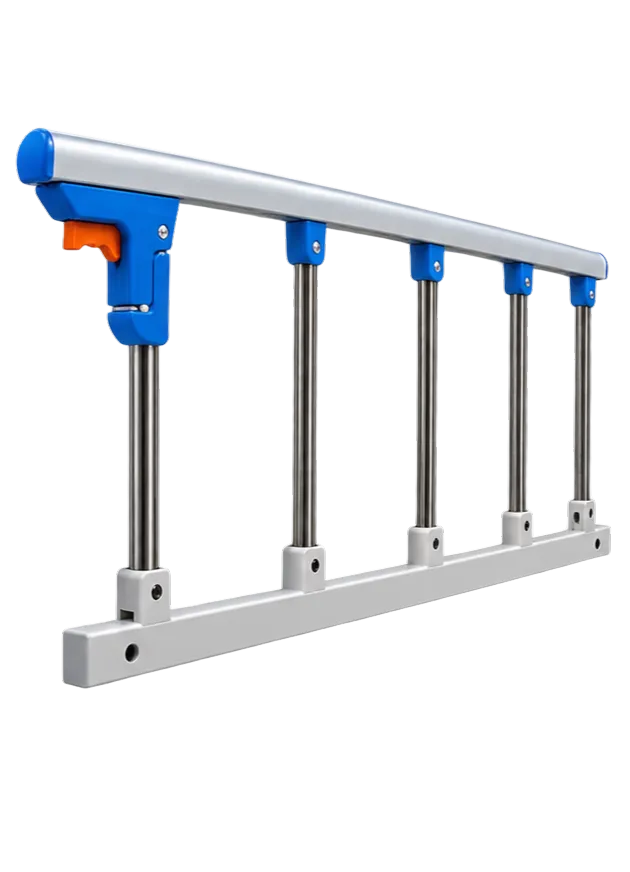
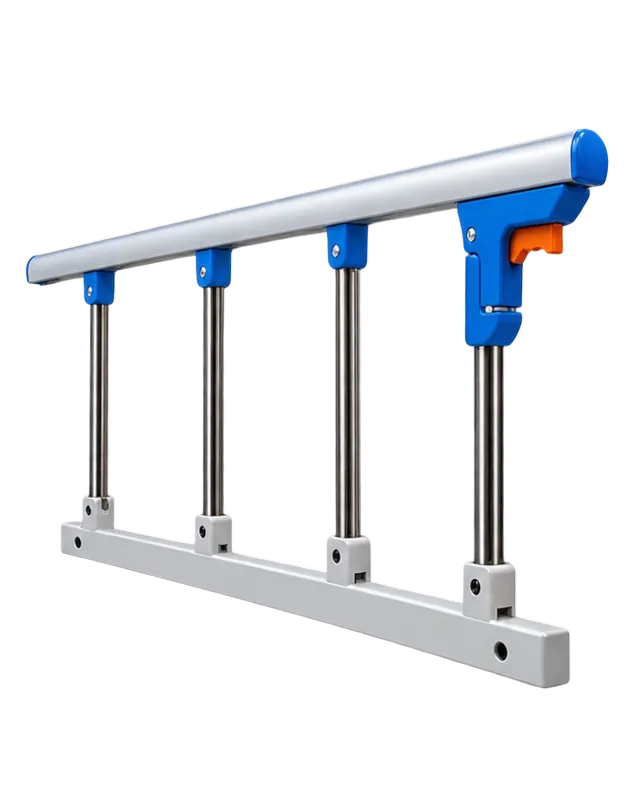
Replacement and repair is the clearest legitimate use. Where a bed's own rail is damaged, lost or condemned, a like-for-like replacement keeps a serviceable bed in service — but like-for-like means evidenced for that bed, not merely similar in appearance. Ask the seller to confirm the rail against the specific bed model before ordering, and record the confirmation with the equipment.
Equipment services and loan stores holding mixed stock face the harder version of the same question. A store with several bed models cannot treat rails as interchangeable, and the practical response is to record which rail belongs to which bed and to refuse the substitution when they do not match. That is administratively duller than a universal rail and considerably safer.
Care homes and community services buying a rail separately should involve whoever holds responsibility for the bed rail risk assessment before purchase rather than after. The assessment needs the rail dimensions, the bed model and the mattress depth, and two of those three are decided at the point of order.
Estates and maintenance functions should treat the rail as inspectable work equipment in its own right, with the latch, the fixings and the mounting on a recorded schedule under PUWER 1998. Procurement routes across NHS trusts, local authority equipment services and independent providers each ask for their own evidence. The conformity documentation those procurement routes require is issued by the manufacturer and provided by the seller.