
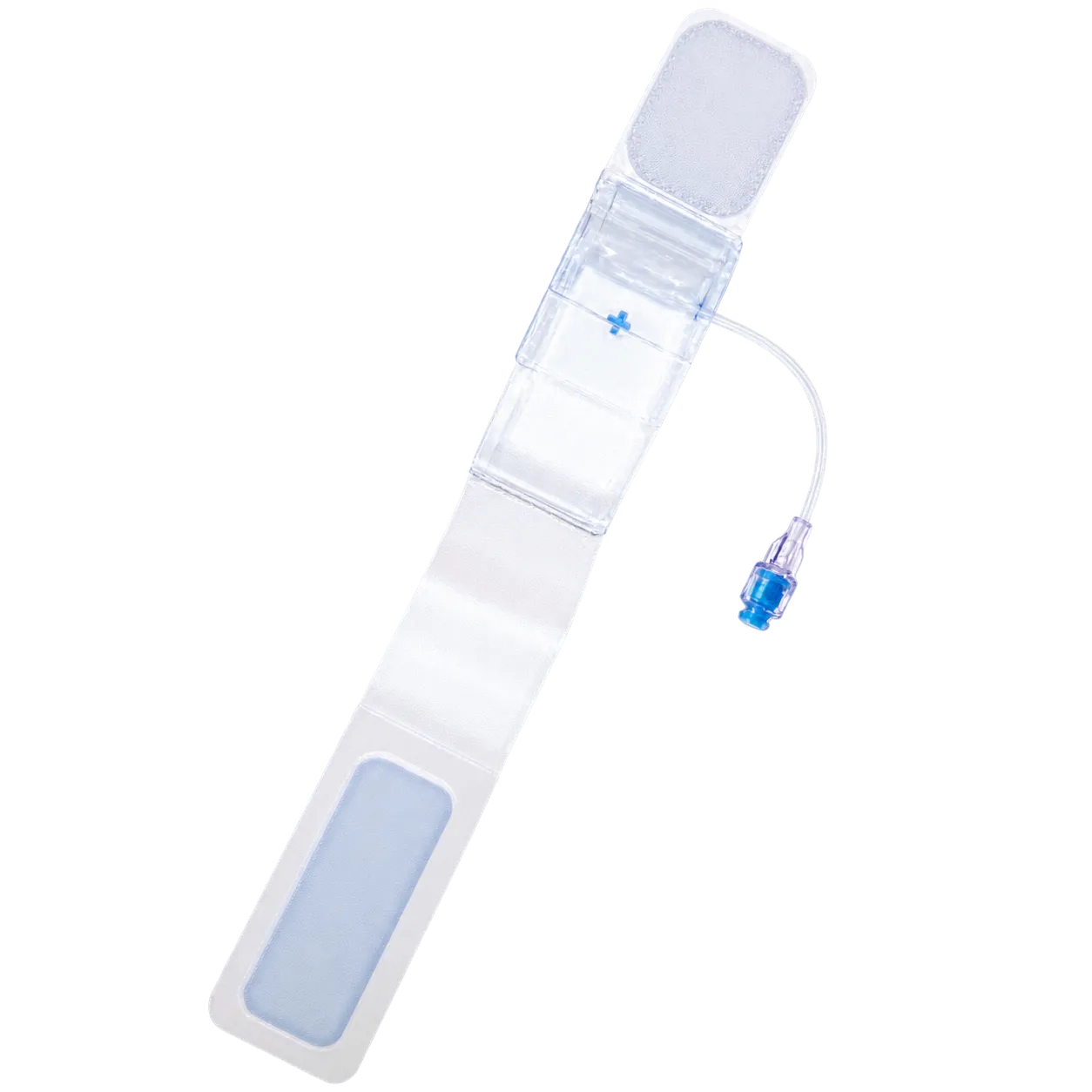
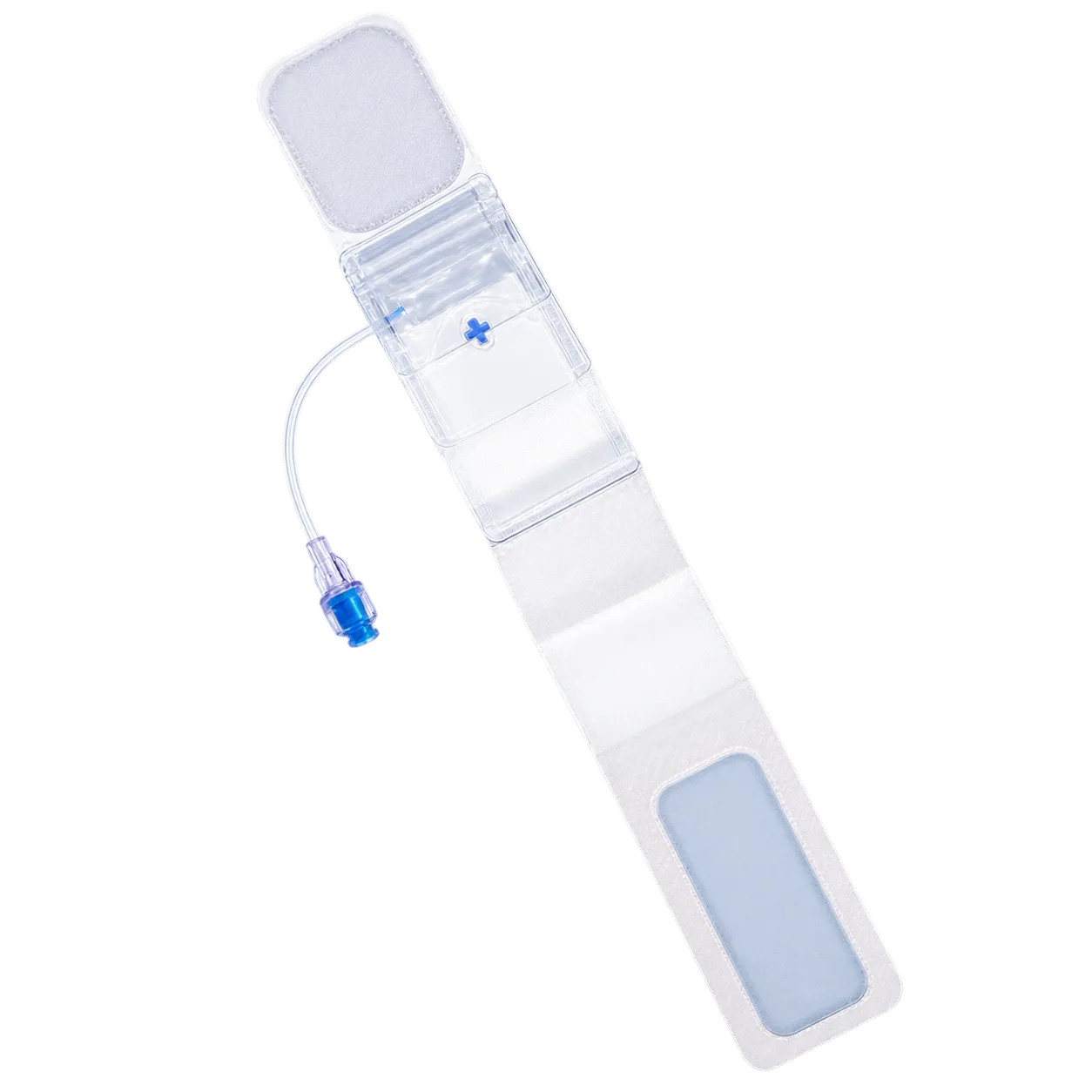
Radial access is the default route for coronary angiography and intervention in most UK centres. Once the case ends, the sheath comes out of the wrist, and the puncture has to close. A compression band takes over from manual pressure, holding the site while haemostasis develops. Volumes are high, because most diagnostic and interventional coronary work now goes through the wrist.
Radial artery occlusion is the complication these devices are designed around. If the band compresses hard enough to stop all flow through the artery, the vessel is more likely to clot and stay occluded. That matters beyond the immediate admission, because an occluded radial artery cannot be used for future access, and many patients return for repeat procedures. Published data show lower occlusion rates meaningfully when flow is preserved during compression.
The technique built on that finding is patent haemostasis, which means applying only enough pressure to stop bleeding while antegrade flow continues through the artery. It requires the operator to titrate compression rather than set it and leave it, usually by inflating to achieve haemostasis and then reducing until flow returns without bleeding restarting. Two features of this band support that approach. Adjustable inflation through the luer connector allows compression to be reduced in steps. Transparency allows the site to be watched throughout, so any bleeding that follows a reduction is seen immediately.
Compression typically runs for a period of one to two hours, with the band checked and eased at intervals. Medigear.uk supplies the instructions for use with every order.