
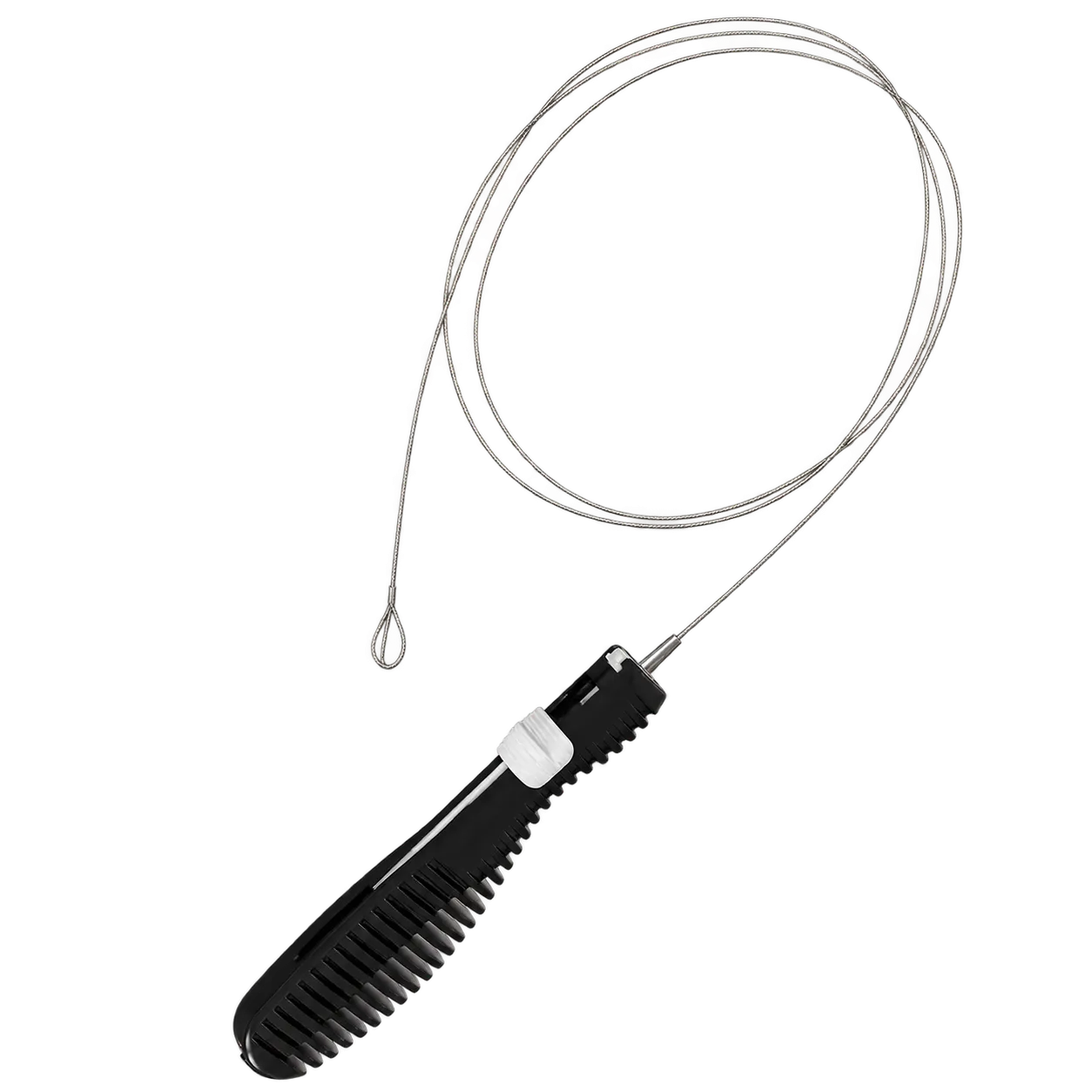
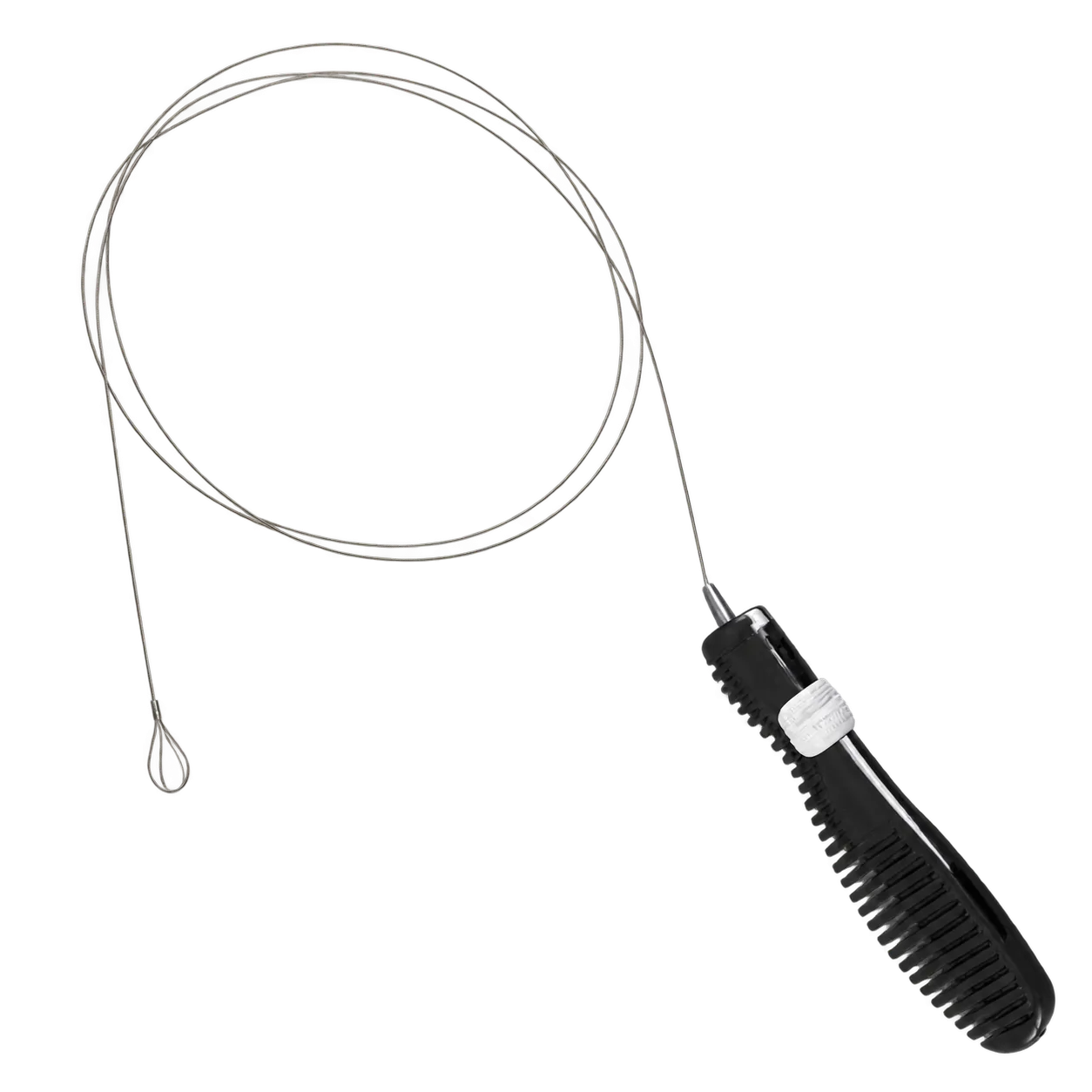
Breaking a stone up is only half the operation. What matters at the end is whether fragments remain, because anything left behind acts as a seed for the next stone. Reported stone-free rates after ureteroscopy have always lagged what the view at the end of the case suggests, and fragment removal is where the difference lies.
Small pieces wash out with irrigation. Larger ones do not, and a basket is how those come out. It is also how a stone is moved, since a fragment sitting in a lower pole calyx is difficult to treat where it lies and easier once relocated to a more accessible position.
Choosing the basket is a judgement about the fragment and the space around it. A large basket opens wider and captures a bigger stone, but needs room to open in the first place, which a narrow calyx does not offer. A tipless design can open right against a wall, where a tipped one would push into it. Fewer wires admit a larger fragment; more wires hold a smaller one. And a fragment that turns out to be too large to withdraw has to be released, which is easier through wide openings than narrow ones and is the situation every operator wants to avoid, since a basket stuck around an immovable stone is a genuine problem.
Basket choice is therefore made at the moment, against the fragment in view rather than planned. Medigear.uk supplies the instructions for use with every order.