
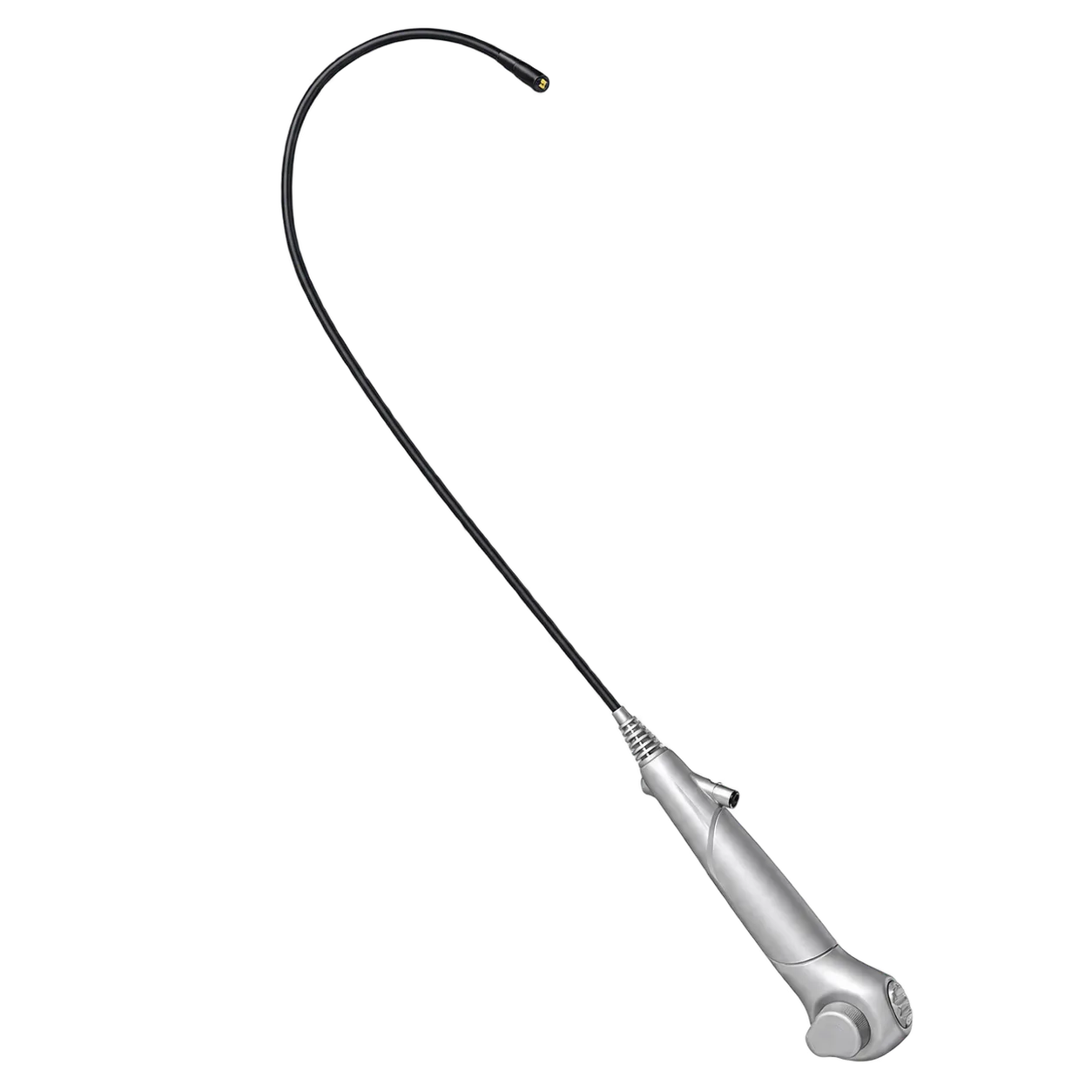
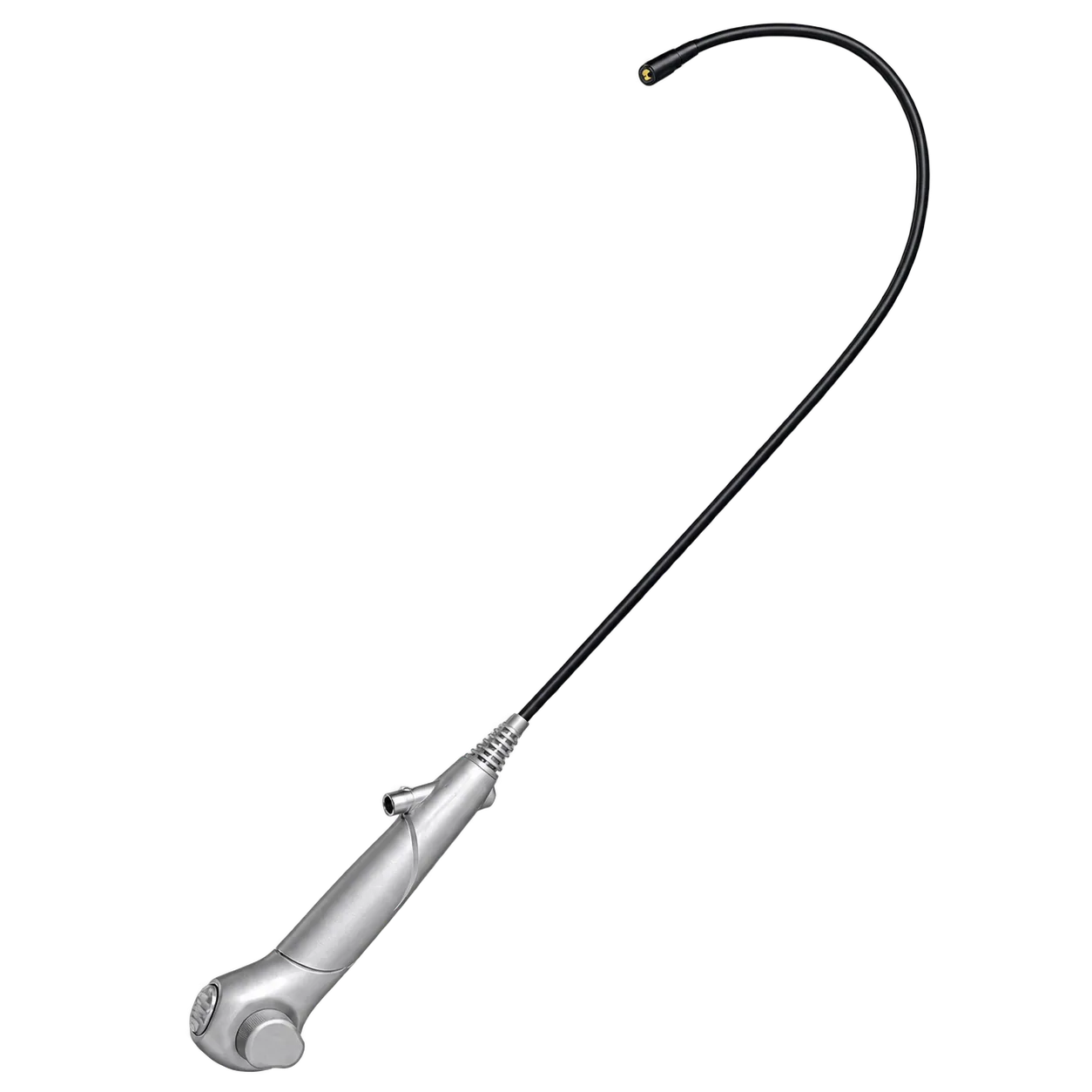
Kidney stones are increasingly treated from the inside. A flexible scope is passed up the ureter to locate the stone. A laser fibre through the working channel then breaks it into fragments, small enough to pass or to lift out with a basket. The approach avoids an incision entirely.
It does not avoid a closed space. The renal collecting system holds only a few millilitres, and irrigation fluid must run continuously to keep the view clear and wash fragments away. Fluid entering faster than it leaves raises the pressure inside. Above a certain point, that pressure forces fluid across the collecting system wall, into the venous and lymphatic circulation. If the urine is infected, or the stone harbours bacteria, that is a direct route to the bloodstream. Post-operative sepsis remains the most serious complication of the procedure.
Heat is the second invisible variable. Laser energy delivered inside a small fluid-filled space warms the fluid, and higher power settings warm it faster. Sustained heat above the point at which proteins denature damages the urothelium—the operator feels nothing. Technique has managed both problems. An access sheath allows outflow, irrigation is kept modest, and the laser is paused periodically. Measuring the two directly turns that inference into a number, and linking the measurement to irrigation control closes the loop.
Scope selection then follows patient build, the stone burden, and whether the case warrants the sensing versions. Medigear.uk supplies the instructions for use with every order.