
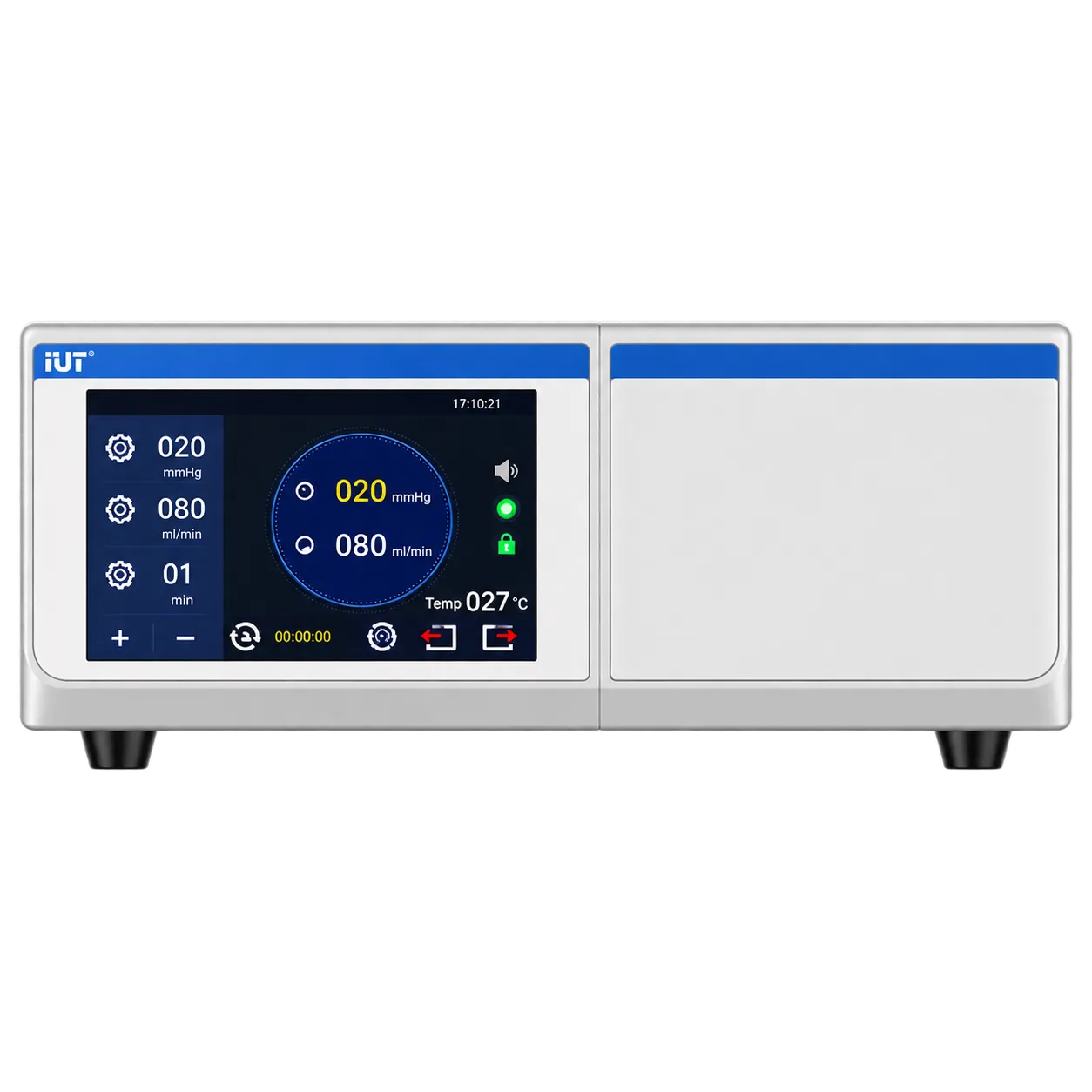
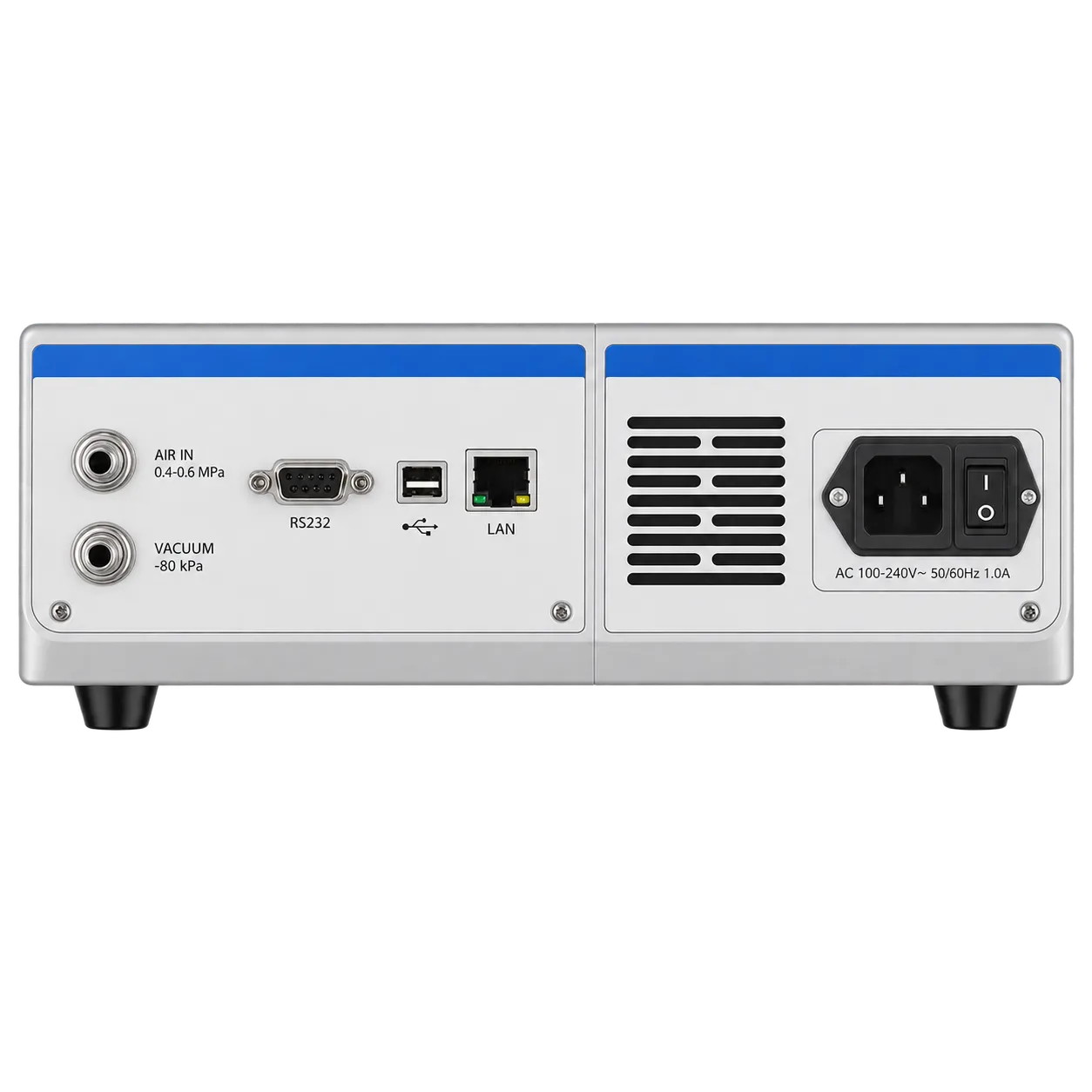
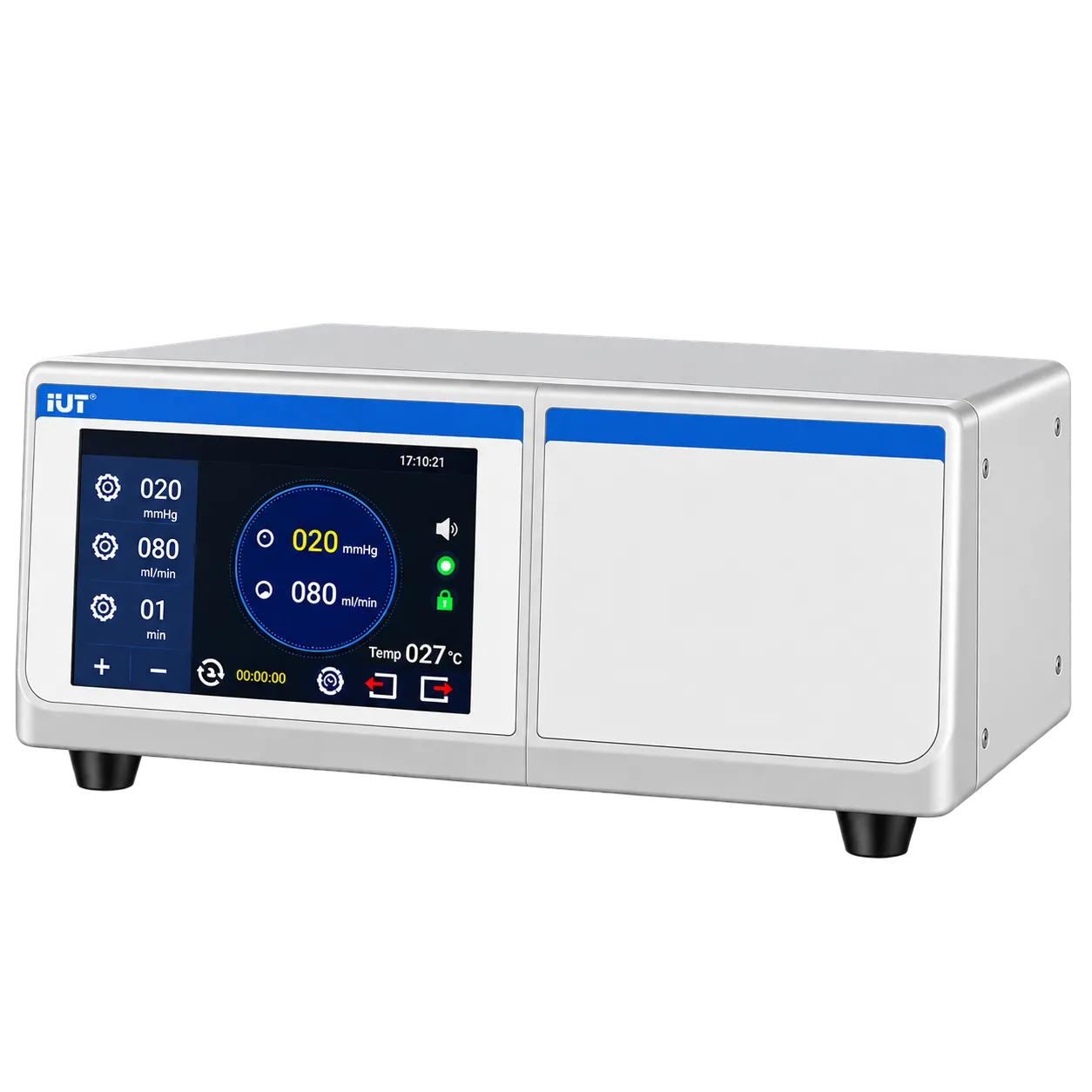
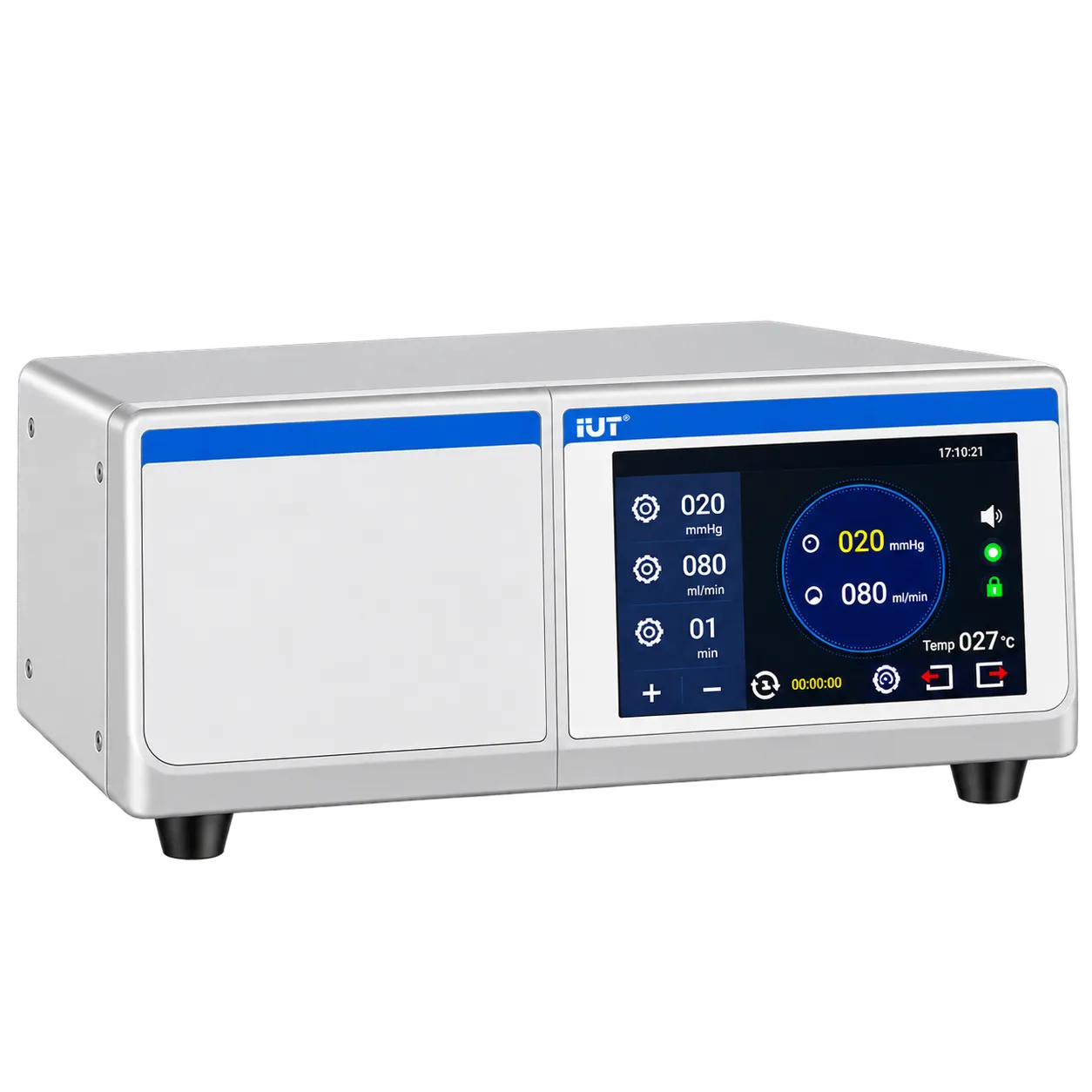
Irrigation during ureteroscopy is not optional. Fluid keeps the view clear, washes away stone fragments, and cools the field during laser work. The difficulty is that the space it flows into is small and closed, so whatever goes in has to come out, and the pressure inside depends entirely on the balance between the two.
Traditionally that balance is managed indirectly. An access sheath gives fluid a route out alongside the scope. Irrigation is kept modest. The operator judges from the view whether more is needed. None of it involves a measurement, so the pressure inside the kidney is inferred rather than known. Above a certain point,t that pressure pushes fluid and bacteria across the collecting system wall. That is the recognised route to post-procedure sepsis.
Temperature runs on a parallel track. Laser energy warms the fluid, and higher power settings warm it faster. Irrigation carries that heat away. Reducing irrigation to control pressure therefore raises temperature. Increasing it to control temperature raises pressure. The two variables pull against each other through the same flow. That is why regulating them by feel is difficult, and why a controller managing both together is more than a convenience. Tracking how long each spent above its limit then describes the exposure the kidney actually received, which is closer to what determines harm than any single peak value.
A threshold set for the case then defines what the system is regulating toward, rather than a figure fixed at manufacture. Medigear.uk supplies the instructions for use with every order.