
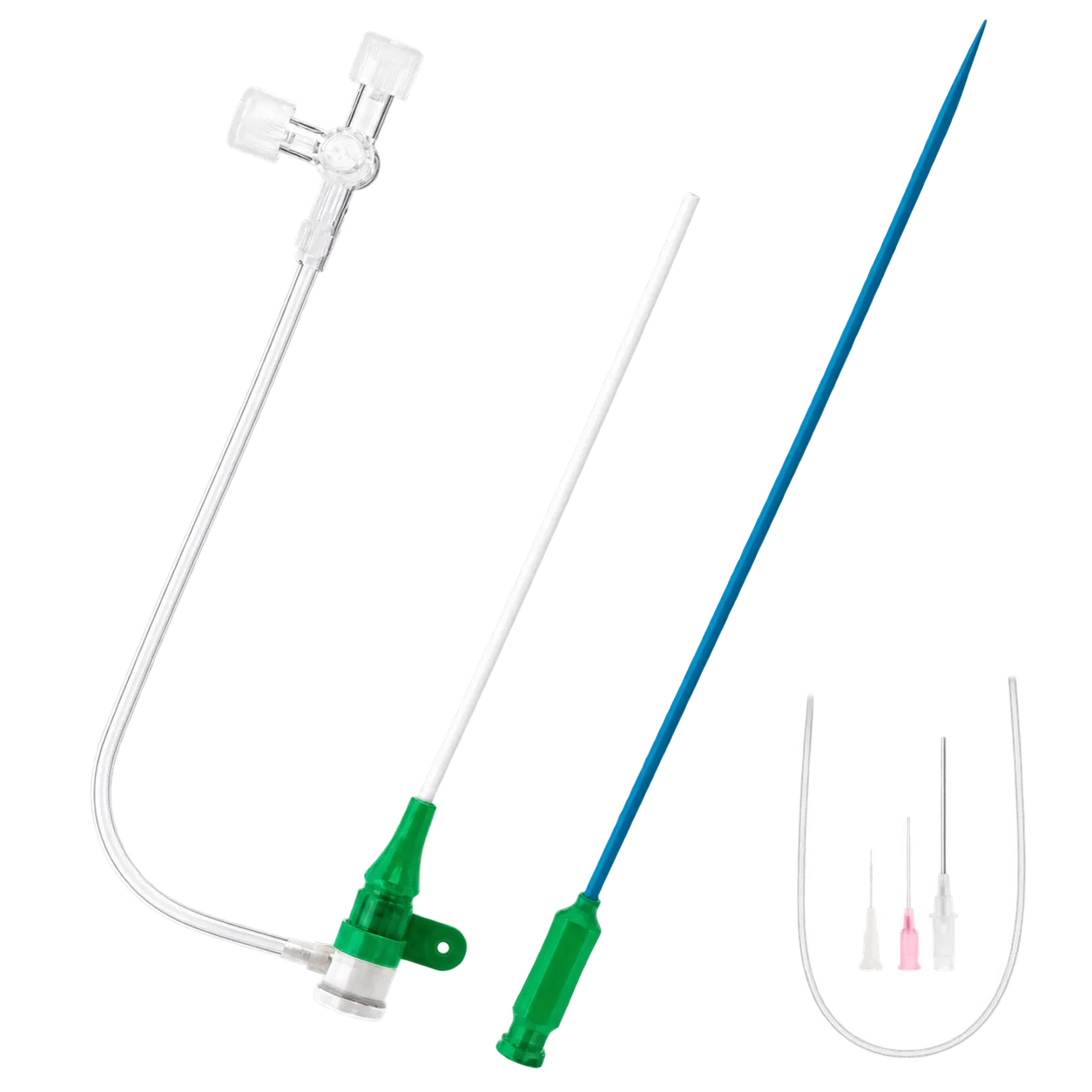
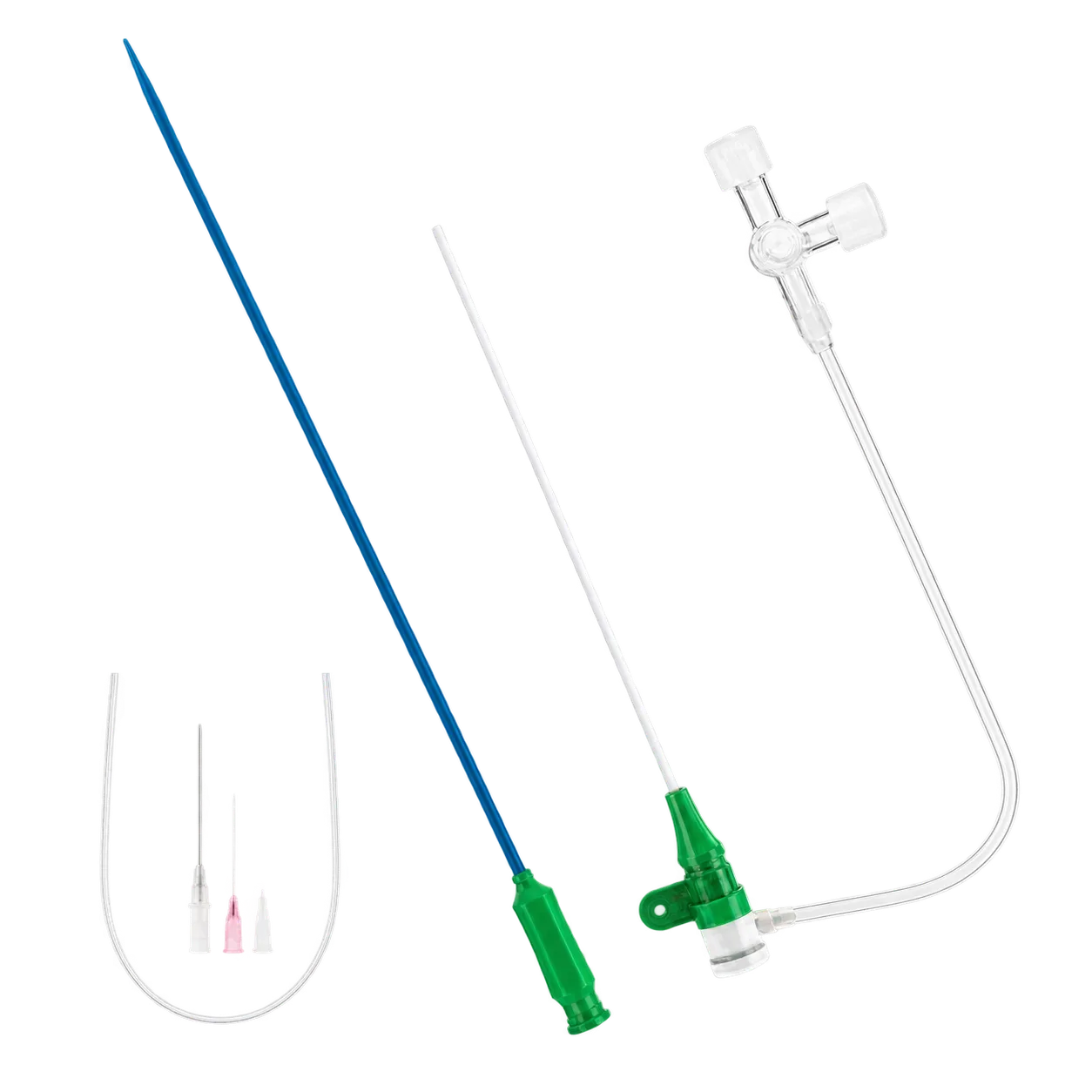
Radial access has replaced femoral access as the default route for coronary work in most UK centres. Bleeding at the access site is lower, the artery compresses against bone if bleeding occurs, and patients sit up and mobilise sooner. The limiting factor is vessel size. The radial artery measures around 2.9 mm on average, which leaves little margin around a 6F sheath.
Two complications shape product choice. Radial artery spasm makes insertion painful and catheter work difficult, and it can trap a sheath. Radial artery occlusion after the procedure is the other, and it is linked to how large the sheath sits relative to the artery. Both push toward smaller sheaths inserted with less force, which is where the coating options matter. A hydrophilic surface reduces friction against the arterial wall on the way in and on the way out.
Needle choice reflects puncture technique rather than preference alone. Anterior wall puncture crosses only the front wall of the artery and uses a bare needle, with the wire threaded directly through it. Counter-puncture deliberately crosses both walls, then the needle is withdrawn until flow returns. A cannula needle suits that approach, because the plastic cannula remains as the conduit once the metal needle is out. Sheath size follows the case, with 5F covering diagnostic angiography and 6F needed where intervention is likely, since most stent and balloon systems assume a 6F guide catheter.
Sheath removal at the end of the case is followed by compression over the puncture site. Medigear.uk supplies the instructions for use with every order.