
The Eustachian tube stays closed most of the time and opens briefly when a person swallows or yawns. That opening equalises the pressure behind the eardrum with the pressure outside. Sometimes it stops happening reliably. The middle ear then becomes a sealed space in which pressure slowly falls. The drum retracts, hearing dulls, and fluid gathers.
Treatment has meant one of two things. Medical management addresses inflammation without changing the tube. A grommet through the eardrum vents the middle ear directly instead. Neither addresses the tube itself. Balloon dilatation does, by widening the cartilaginous portion where the narrowing sits.
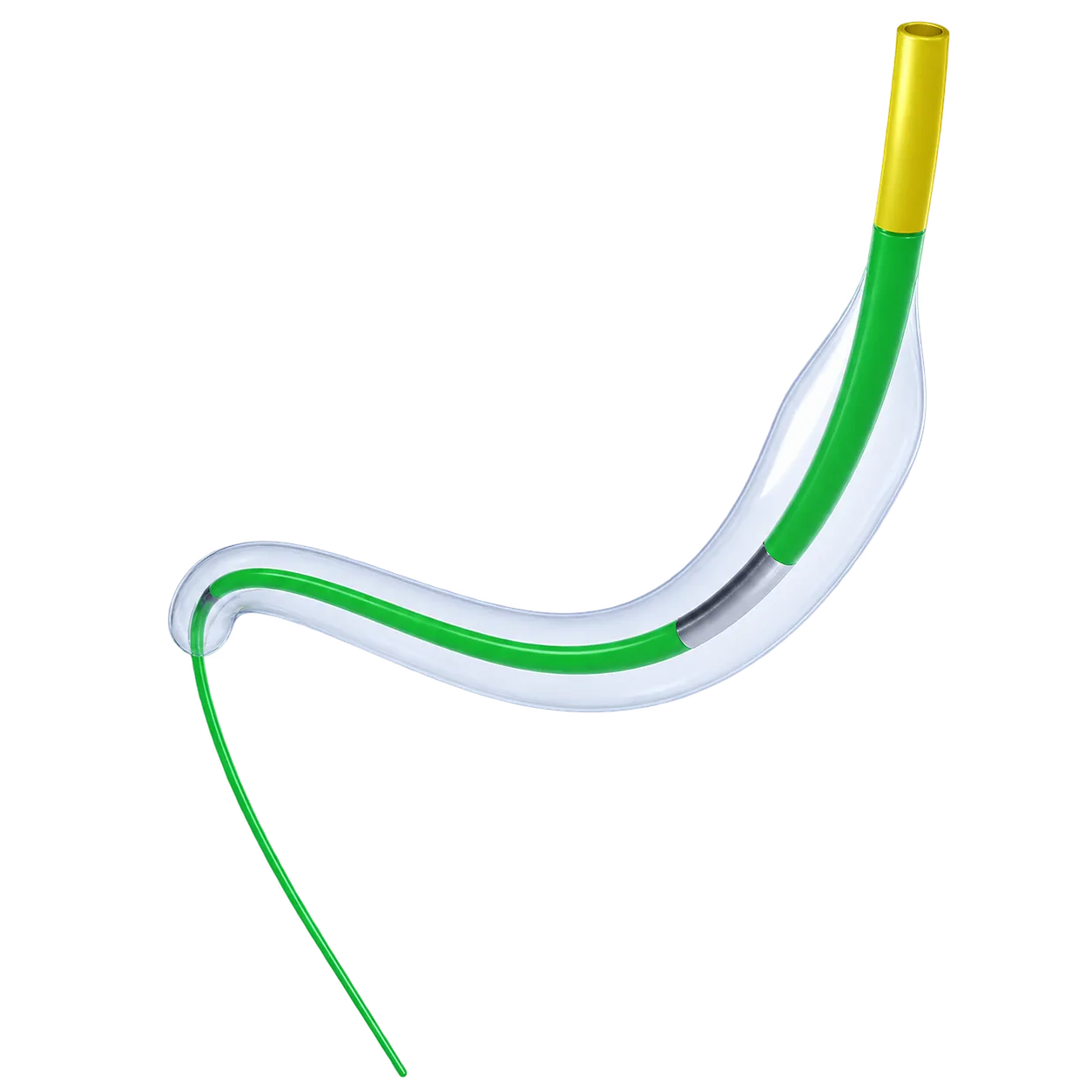
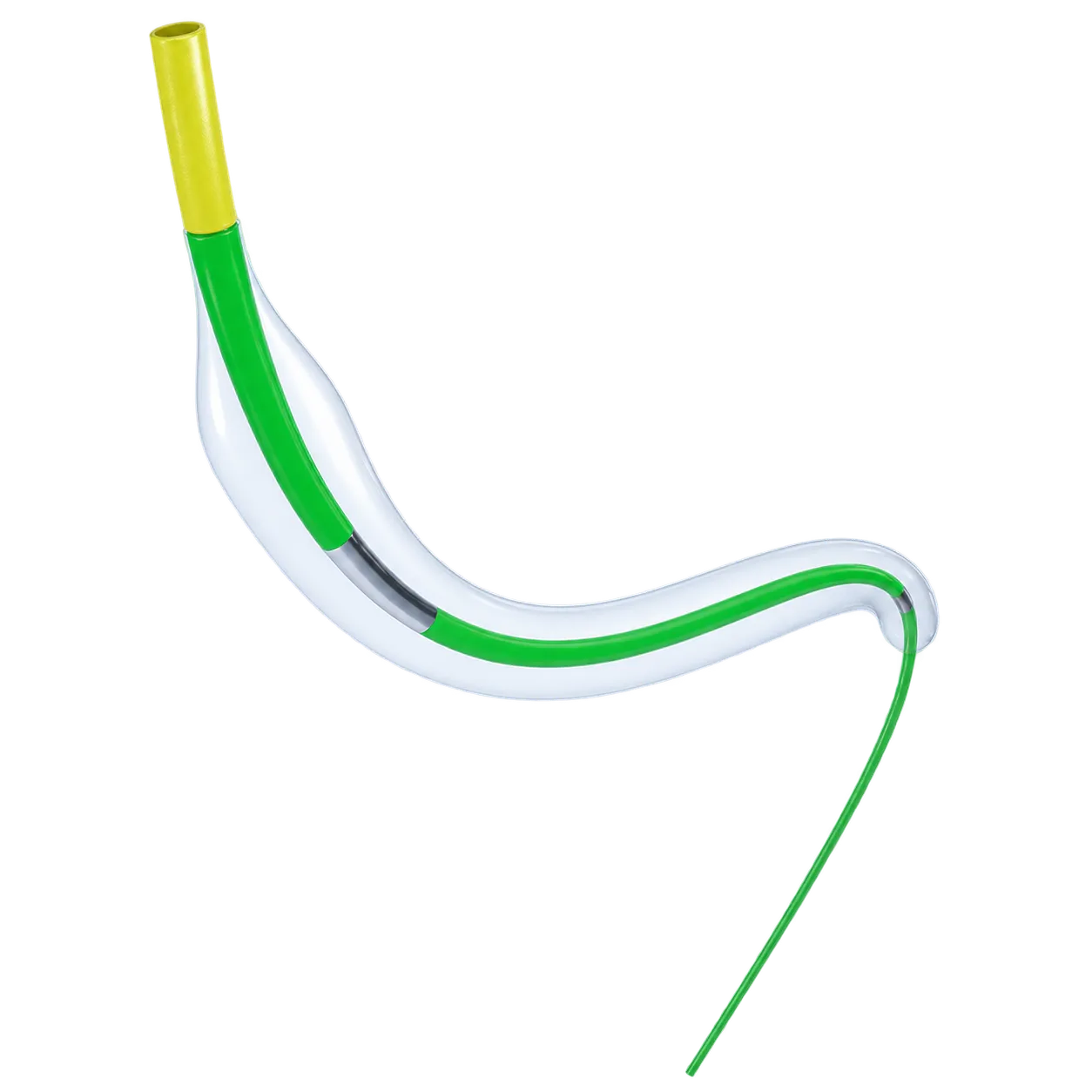
The procedure is done transnasally under endoscopic vision, with no external incision, and is usually a day case. A catheter is guided to the tube opening, advanced into the cartilaginous segment, and the balloon inflated for a period before withdrawal. The size range matters for one reason. The tube is not a rigid vessel, and nothing remains to hold it open. The dilatation itself is the treatment. The chosen diameter and reached pressure therefore determine the result. That is why published nominal and burst pressures are more than paperwork here. Nominal pressure tells the operator when the labelled diameter has been reached, and burst pressure sets the point beyond which the balloon should not be taken.
Balloon choice is therefore made on the imaging and the examination rather than adjusted during the procedure, since the catheter is placed once and inflated once. Medigear.uk supplies the instructions for use with every order.