
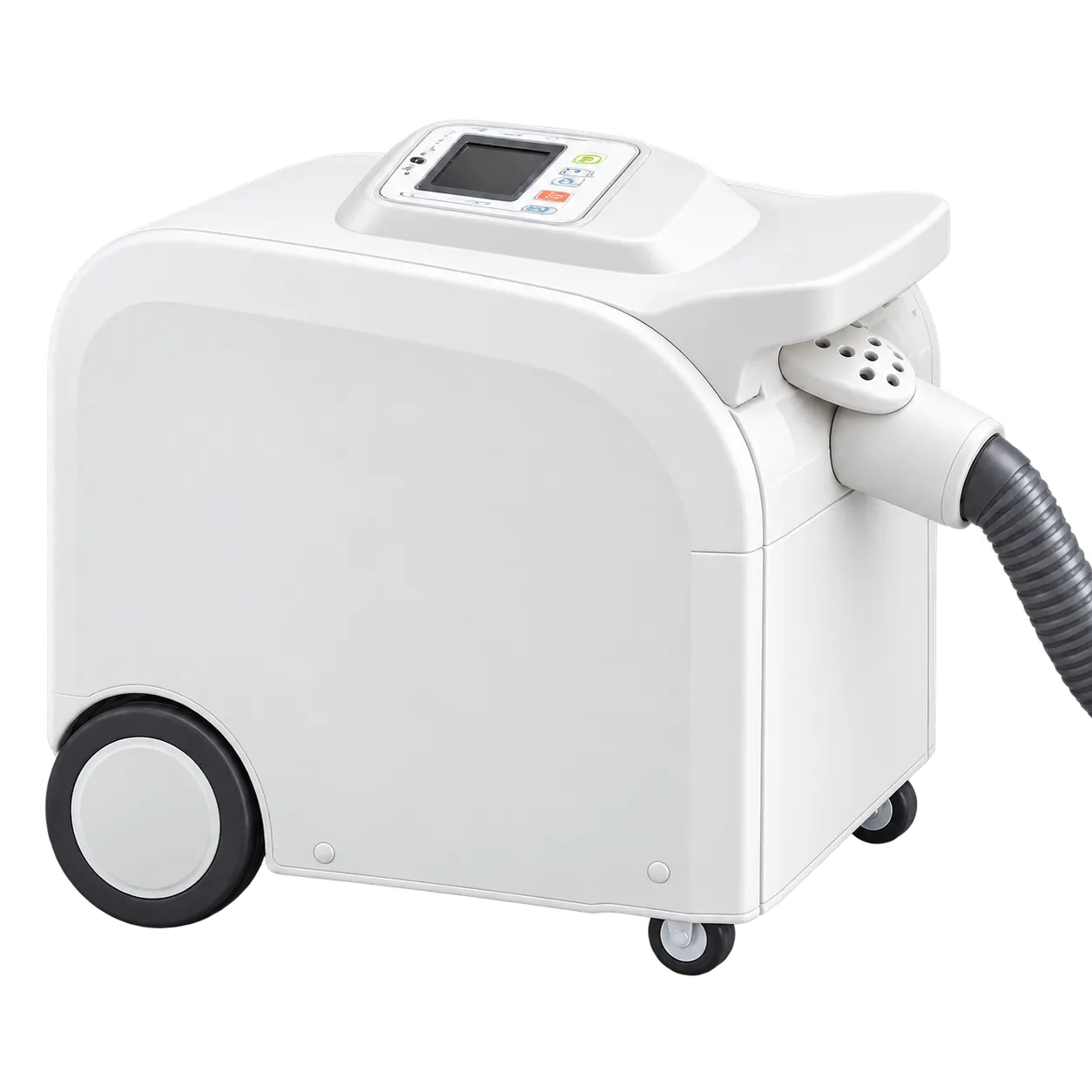
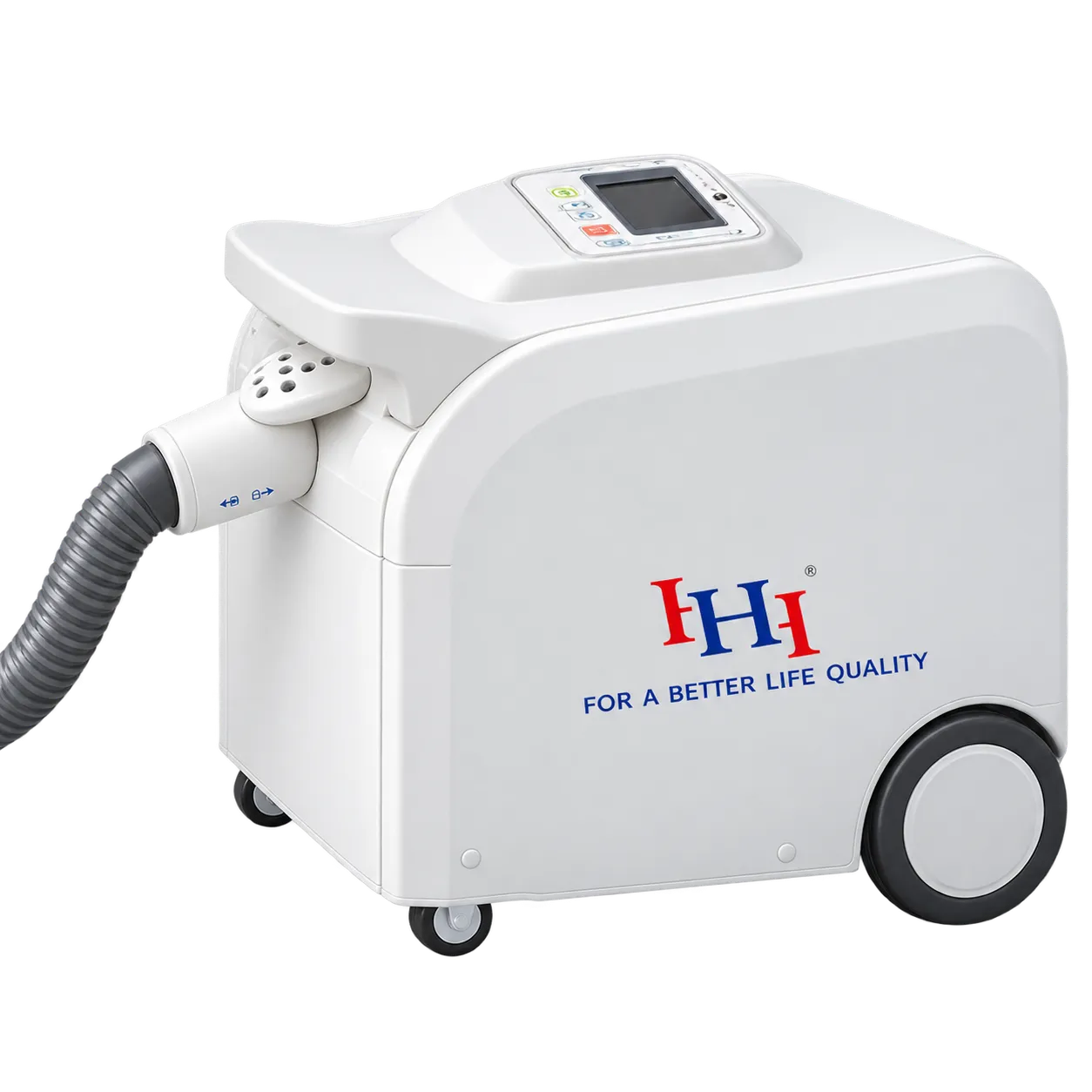
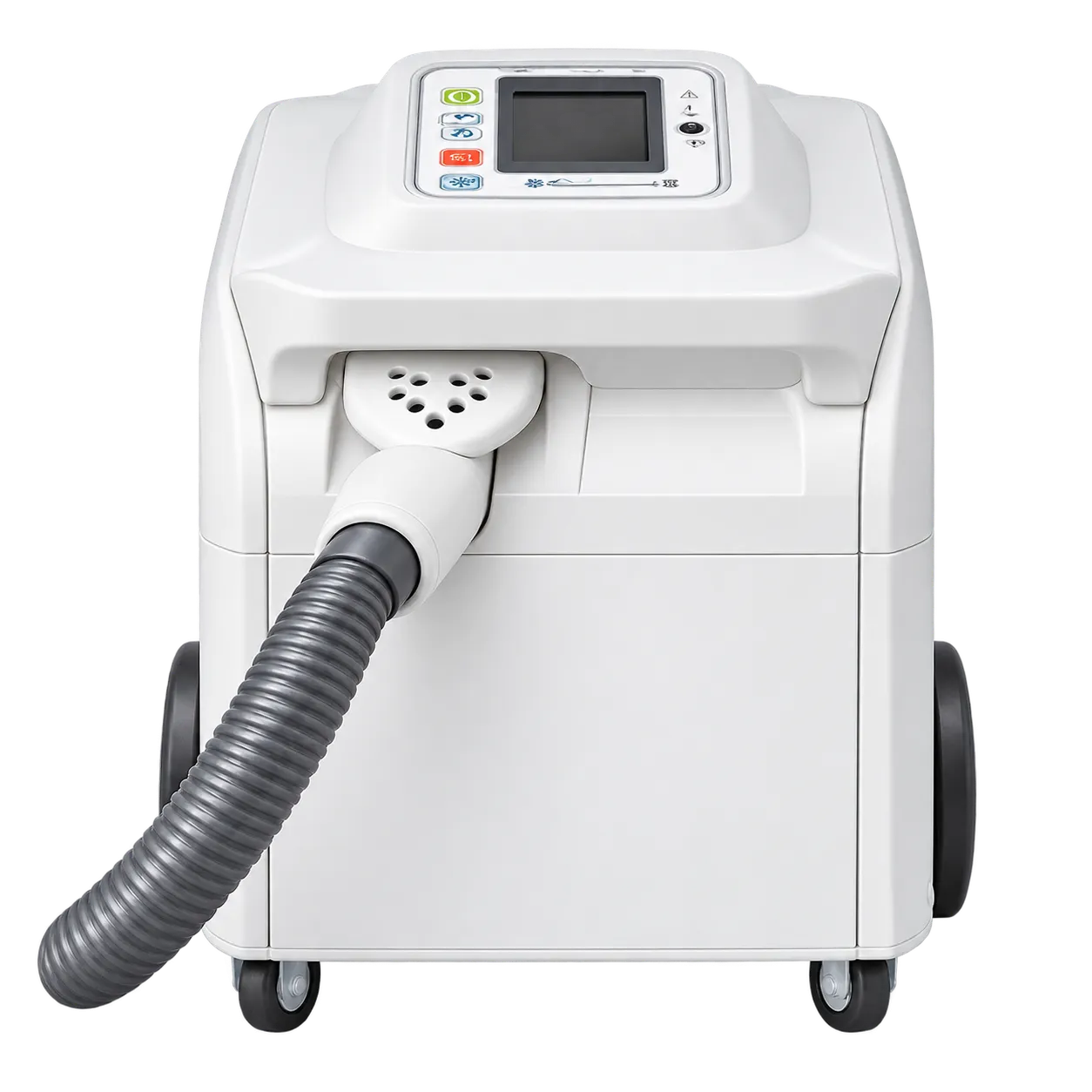
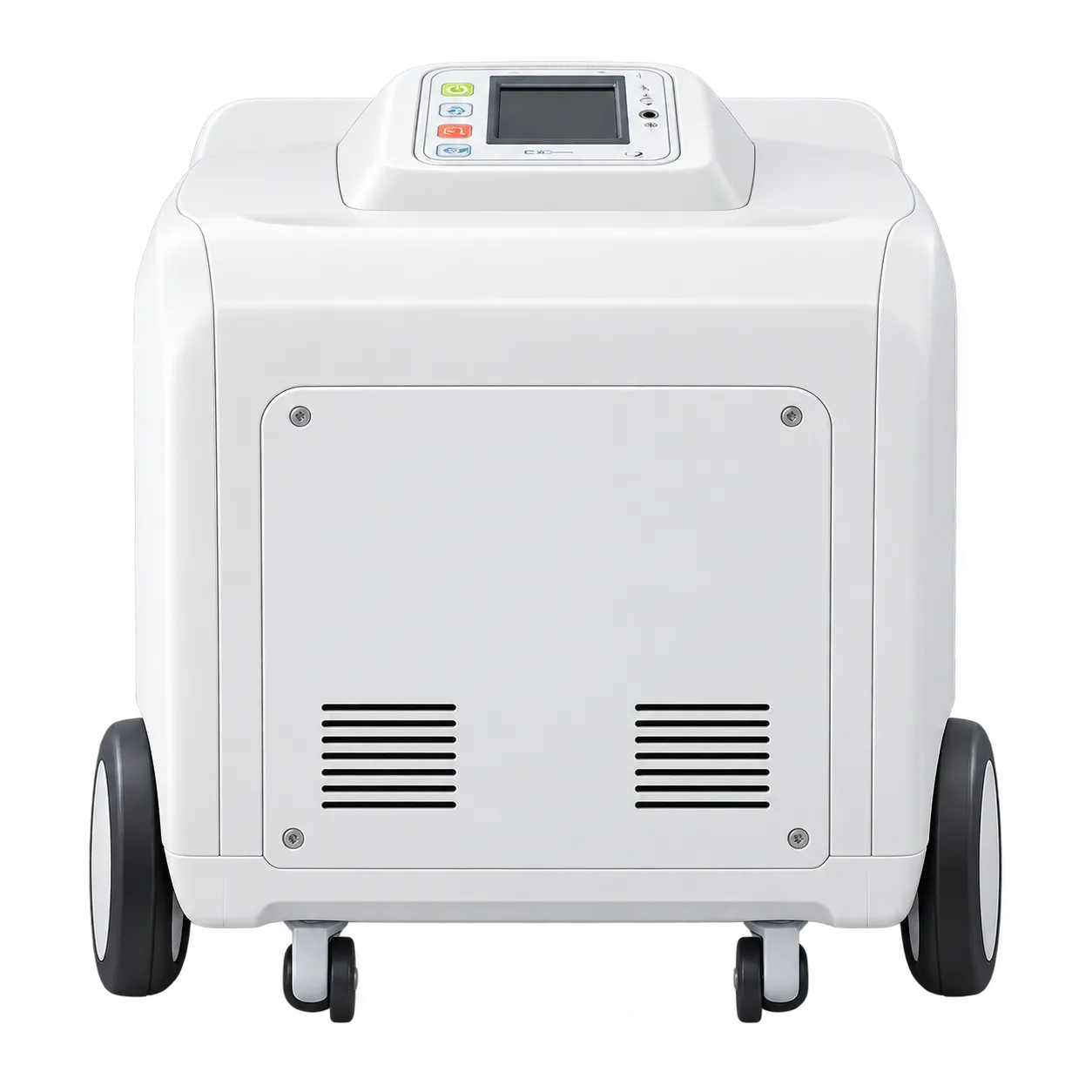
In nursing homes and long-term care facilities, the HH-CS01 serves residents who are bedridden for long periods and rely on carers for continence care. In automatic mode, detection starts the hygiene cycle once urine or stool is present, so each episode is followed by cleaning, warm-air drying and deodorisation while the resident stays in bed. The anti-decubitus mattress adds pressure relief for people who spend most of the day lying down, so long-term residents have automated hygiene and a pressure-relieving surface in one system. Residents receive toileting care in their own bed, and the manufacturer builds the system around dignified daily care.
In hospitals and clinics, the HH-CS01 supports acute care, and the manufacturer designs it to streamline patient care routines. Staff clean and dry a patient confined to bed in place, and the system provides powered lifting and turning support when the patient needs repositioning. Staff can also set the water temperature and pressure for gentle cleansing. Because the bed and hygiene-care unit form one system, staff can control positioning and continence care from the same panel. Rehabilitation centres complete the clinical settings for bedridden patients during their rehabilitation.
In home care, the same bed and hygiene-care unit bring automated toileting care into a room at home. Carers at home run it from the integrated control panel, switching between automatic and manual care modes as the day requires.
The users throughout are high-dependency and bedridden people, elderly residents among them. Carers operate it, while detection, crushing, cleaning, drying, and odour control run as a single sequence at the bed. The manufacturer presents this as support for efficient caregiving.