
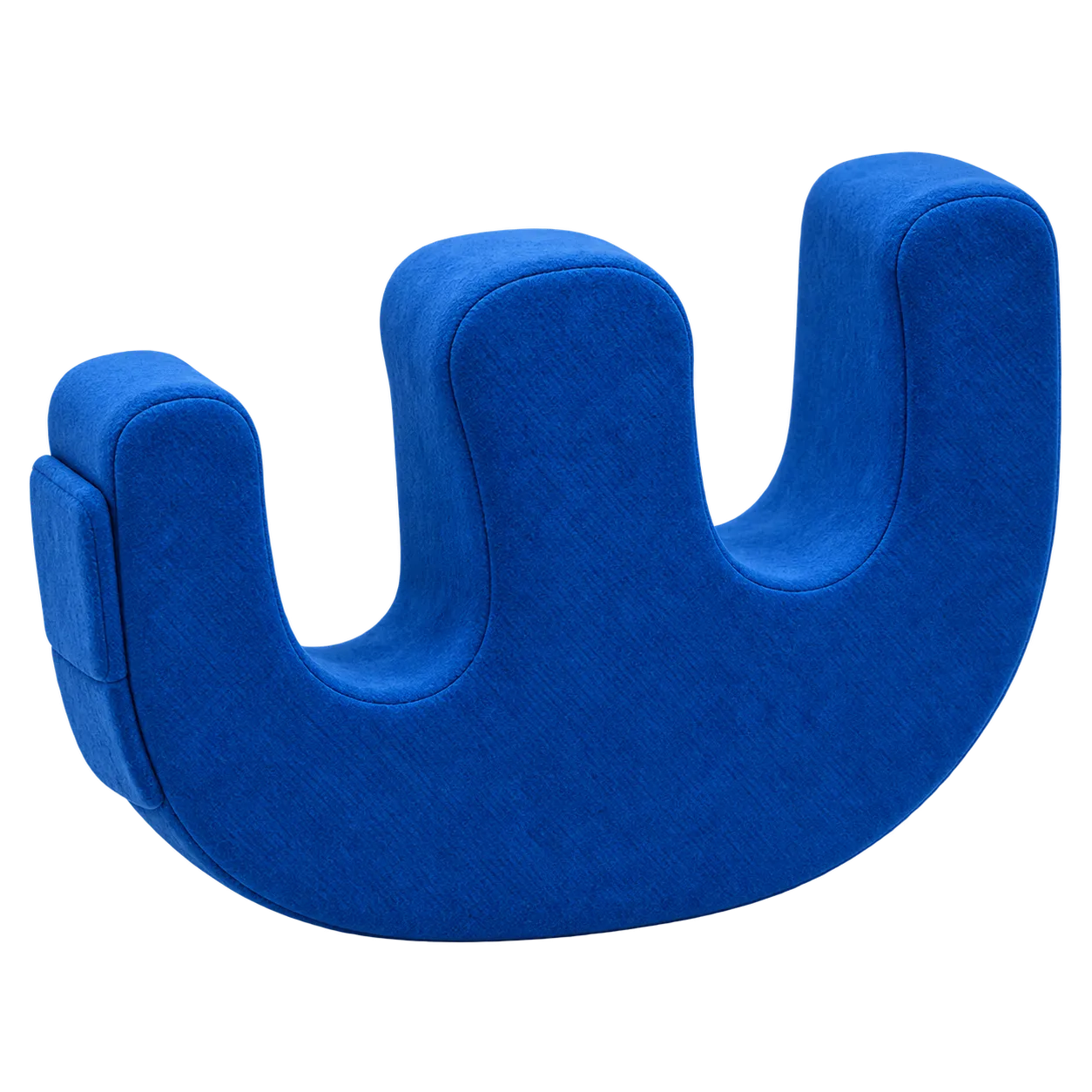
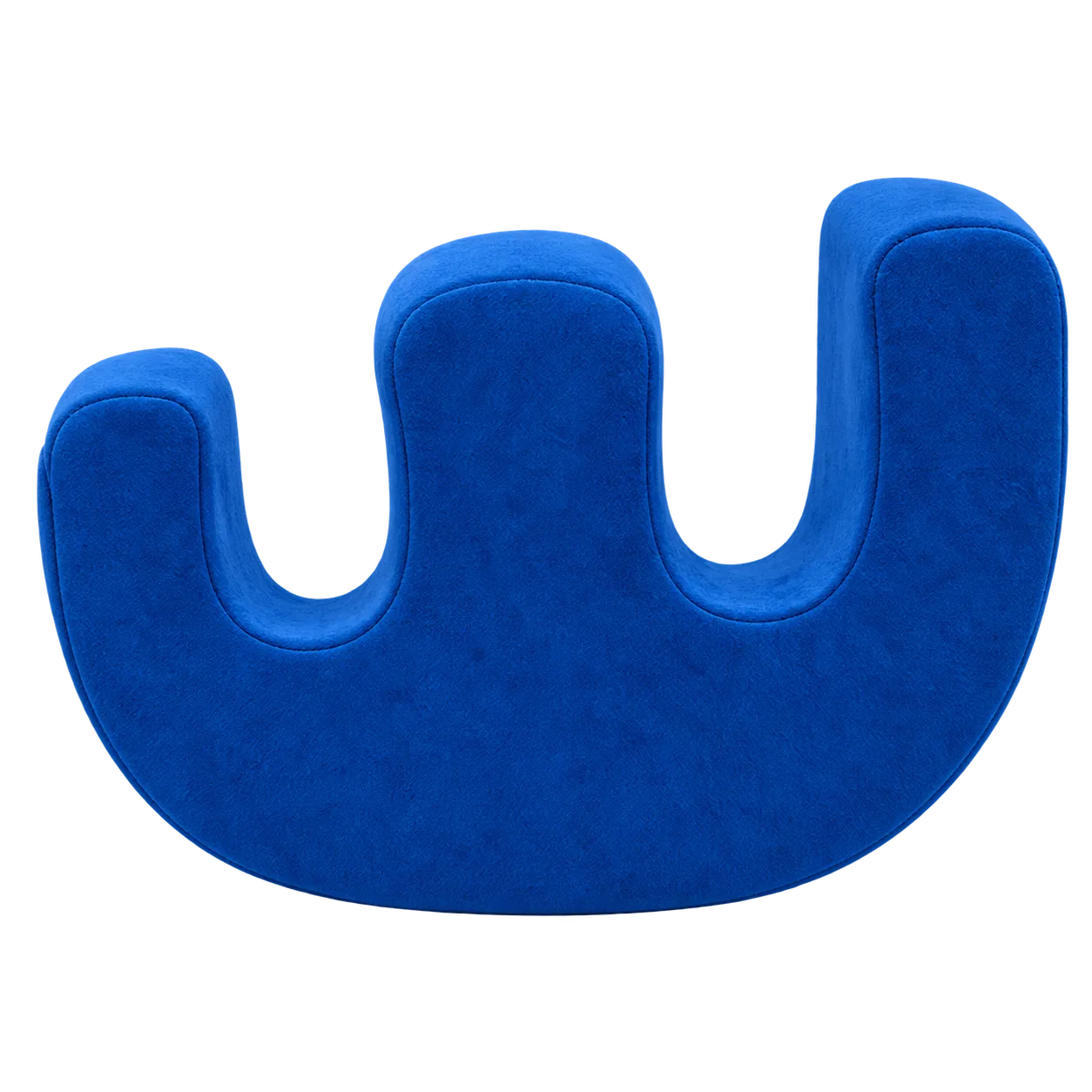
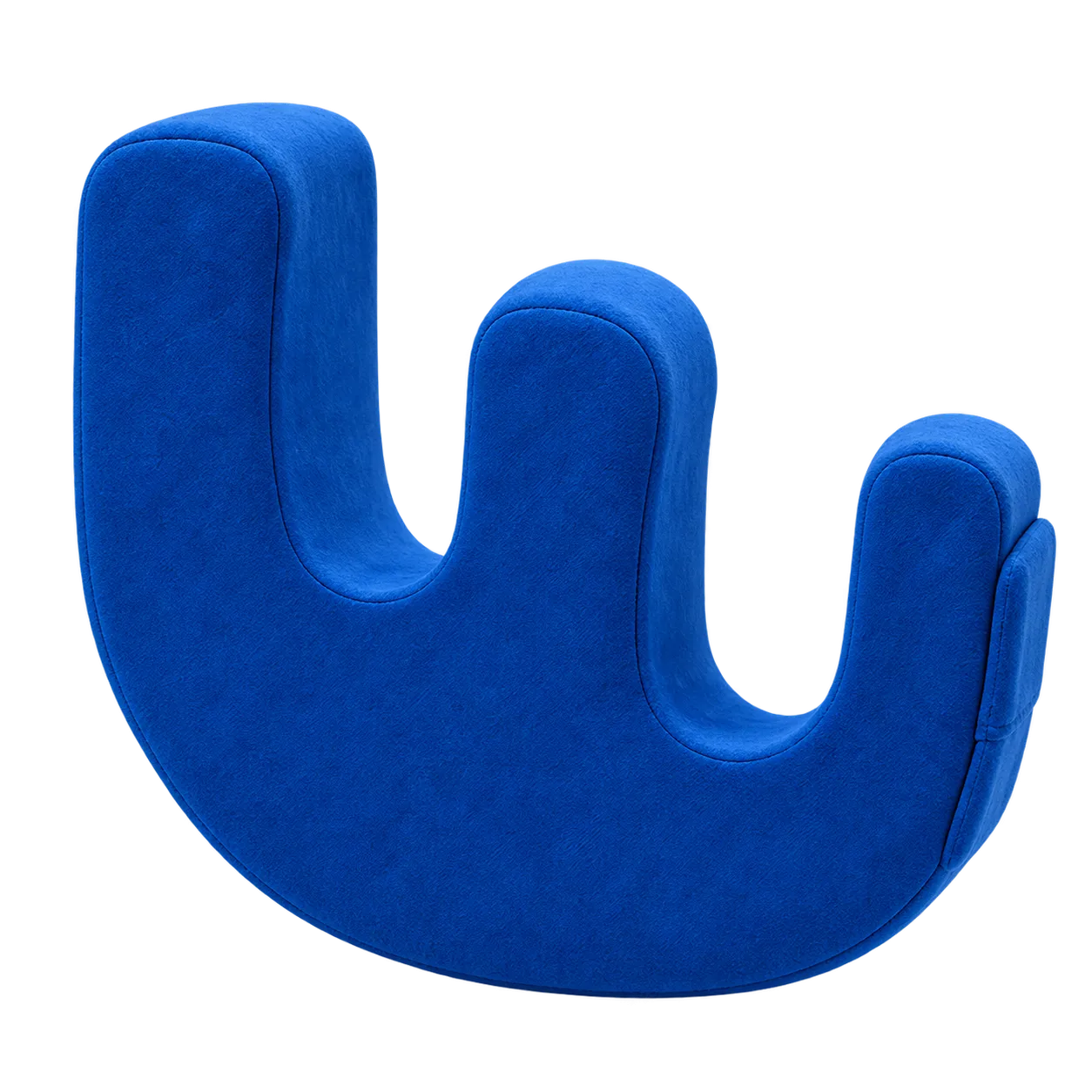
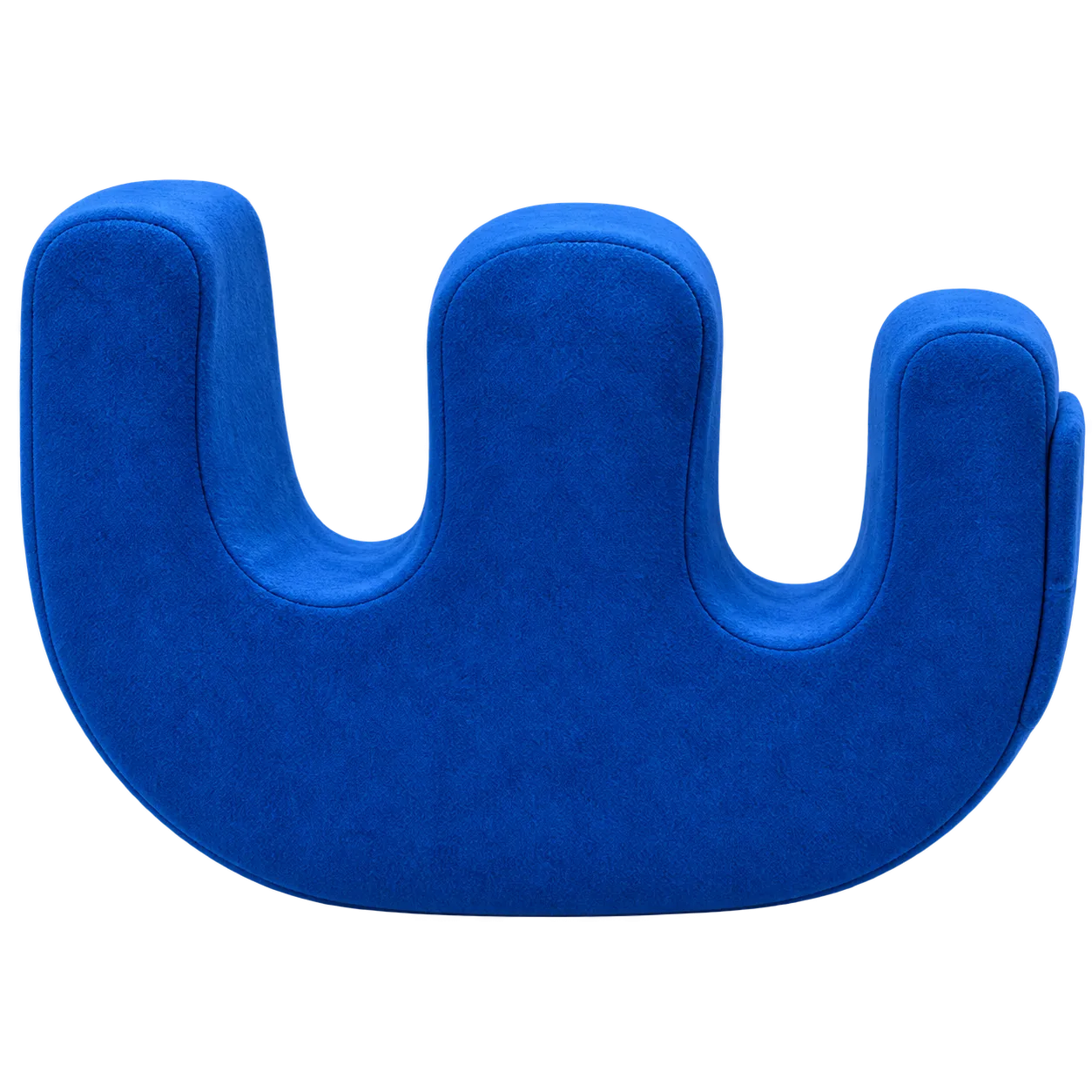
The Body Flipper serves four care environments: hospitals, nursing homes, rehabilitation facilities and home care. In each setting, caregivers use it to turn and reposition bedridden or limited-mobility patients, keeping them lying in bed throughout the movement. From step 2 to the end, the legs rest in the contoured sections while the caregiver works from the bedside.
On hospital wards, turning fits into a routine of bedside work. It supports incontinence care, bed bathing and hygiene, skin care and inspection, and changes of bedding and clothing, and it applies the same four steps to each. That shared method keeps the movement recognisable from one caregiver to the next.
Nursing homes use the aid for the same tasks with bedridden residents or those with limited mobility. Because it needs no electricity or installation, staff can bring it to the bedside and use it straight away. When residents are repositioned at intervals throughout the day, the same aid and method work for each turn.
In rehabilitation facilities, it supports routine repositioning. The contoured sections guide the legs through each turn, helping keep them in place as the patient rolls over.
Home care brings the same routine into a domestic bedroom. The caregiver places the aid under the legs, settles them into the contours, holds both hands in front of the chest, and completes the turn with a gentle push. Nothing in that sequence depends on the setting, which is why one aid and one method carry across all four environments.