
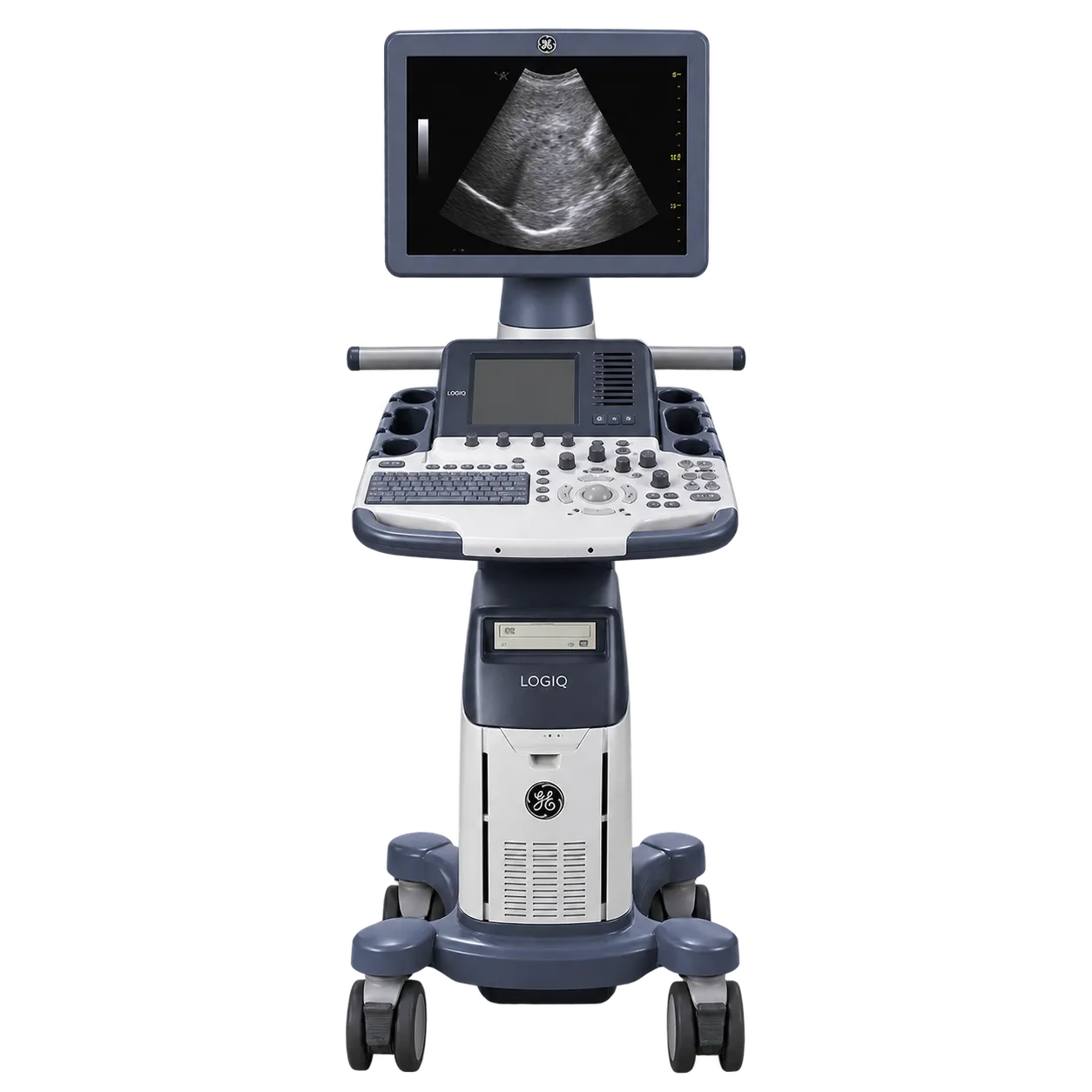
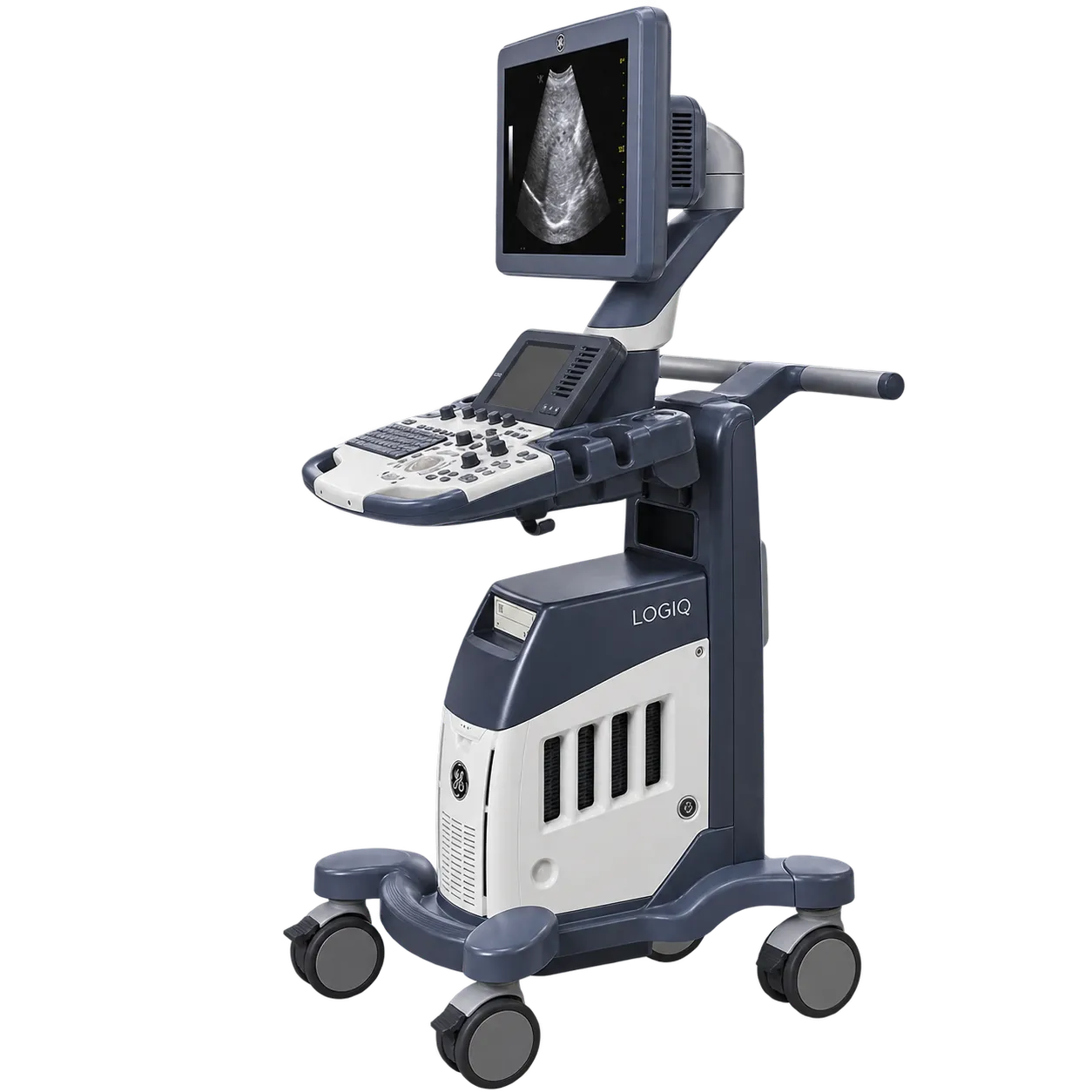
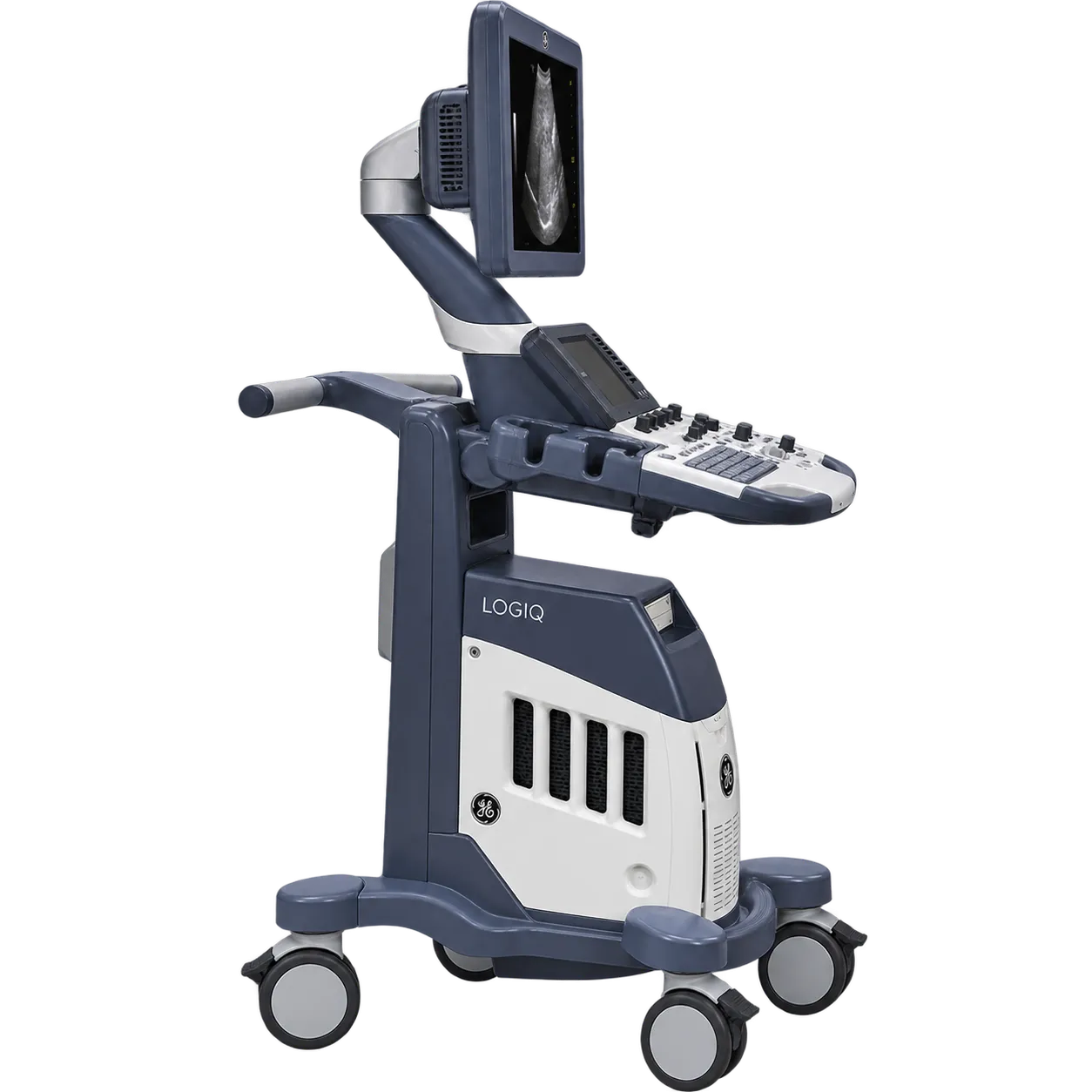
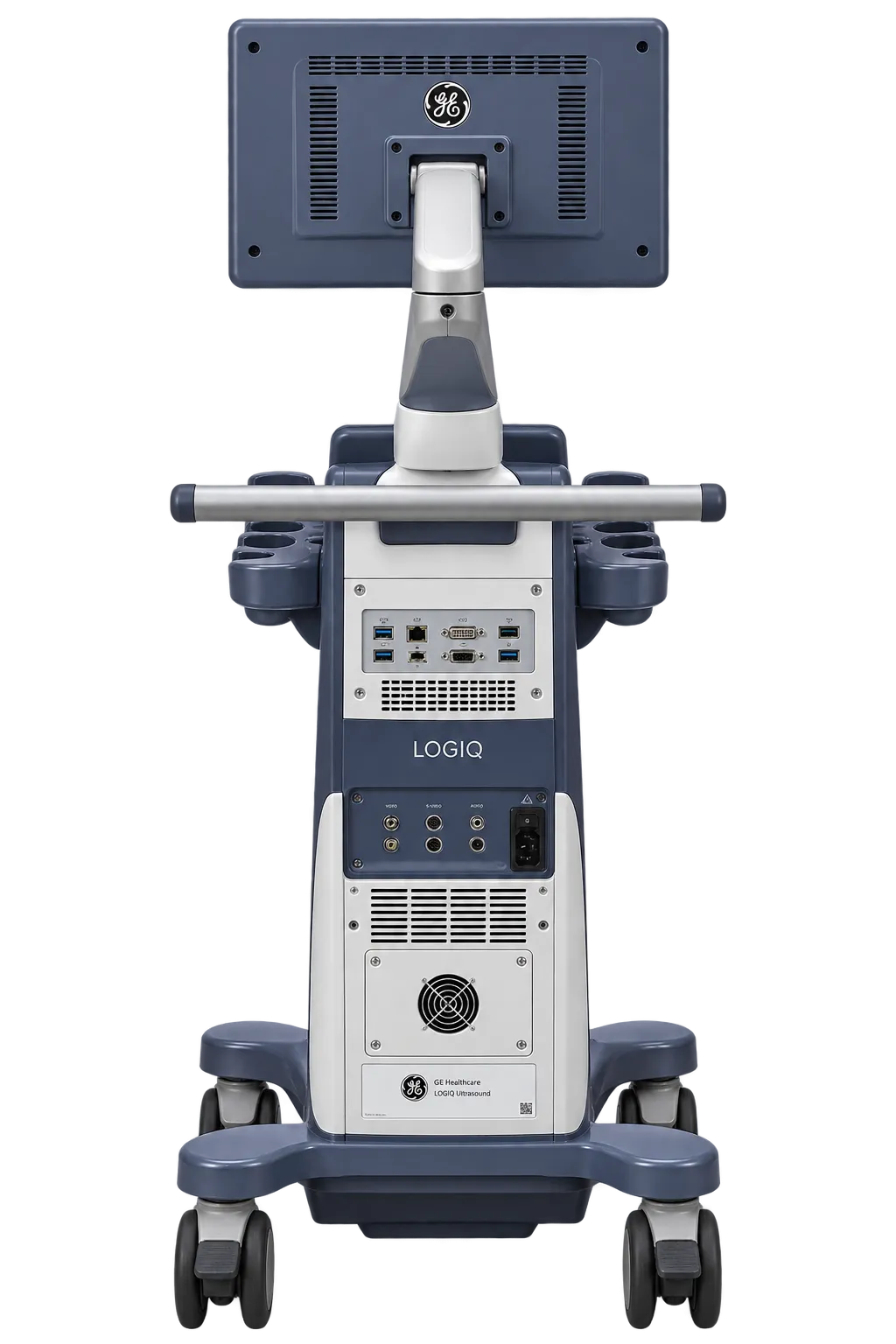
General abdominal imaging is where penetration is most often tested, particularly in deep and retroperitoneal work and in patients whose habitus places the target well away from the transducer. All clinical judgement, including whether an examination is indicated and how findings are interpreted, remains with the performing and reporting clinicians, and Medigear.uk supplies configuration and condition detail rather than clinical guidance.
Hepatobiliary and renal work frequently combines depth with awkward acoustic windows, and is among the areas where a console either recovers a diagnostic image or the examination is escalated.
Obstetric imaging in patients of larger habitus is a recognised difficulty, and one where a completed examination avoids both a recall and the anxiety a repeated appointment brings.
Vascular assessment of deeper vessels depends on Doppler sensitivity at depth as well as on grey-scale penetration, and the enabled modes are confirmed against the unit.
Small parts, musculoskeletal and superficial work runs comfortably on the same console, which is what allows a higher-tier system to carry a full mixed list rather than being reserved for difficult cases alone.
Services should assess what proportion of their list is genuinely difficult, since that figure rather than the platform's specification is what determines whether the tier earns its cost.