
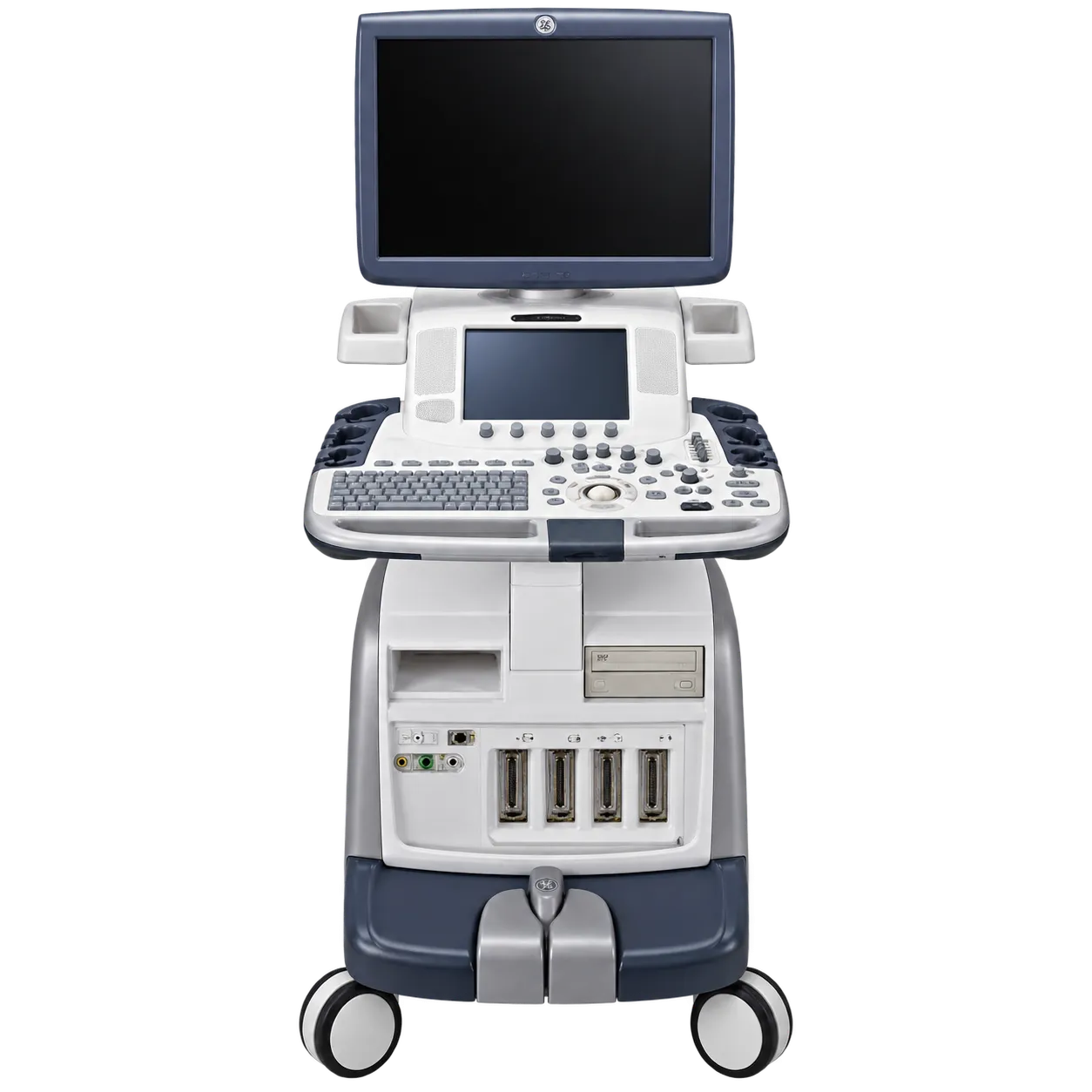
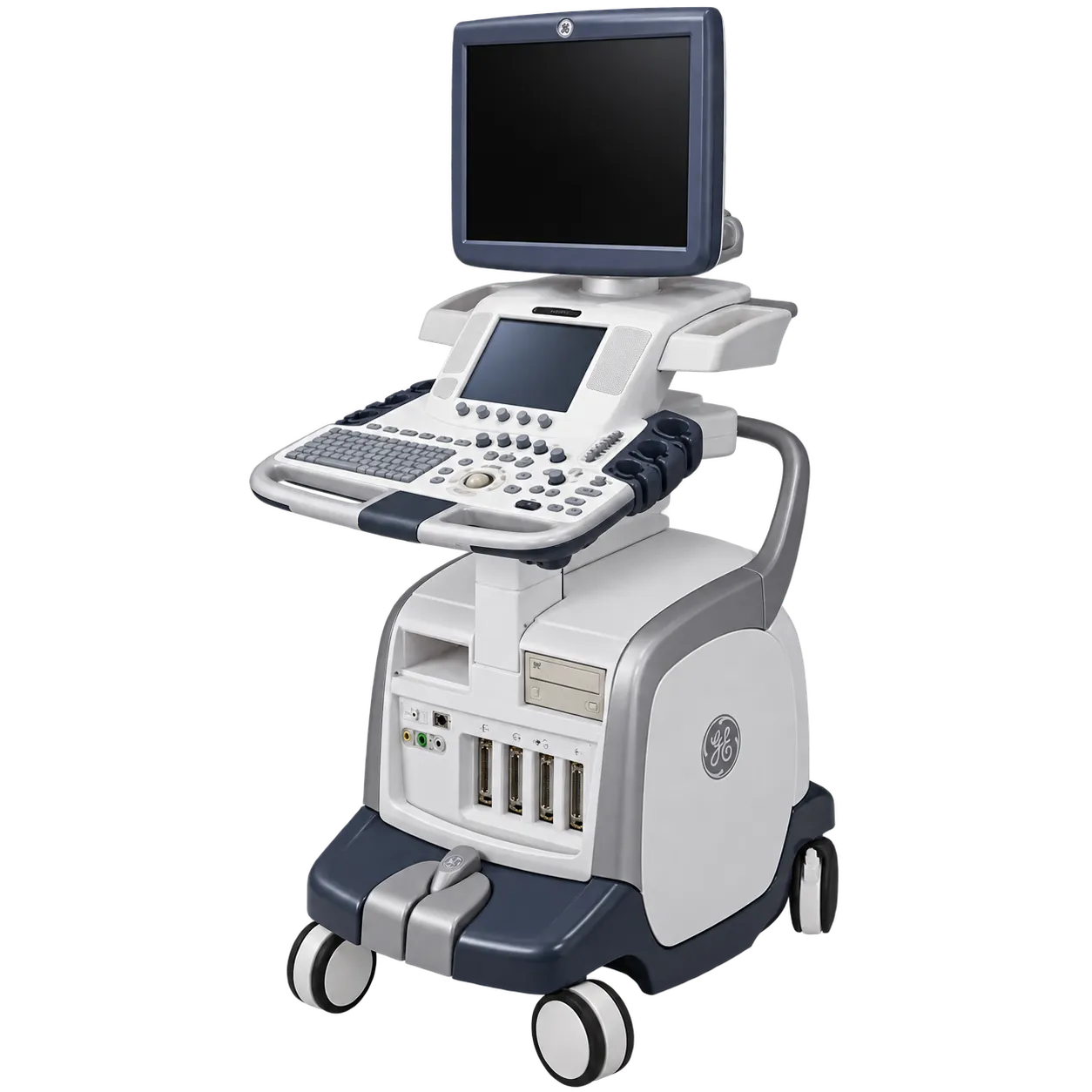
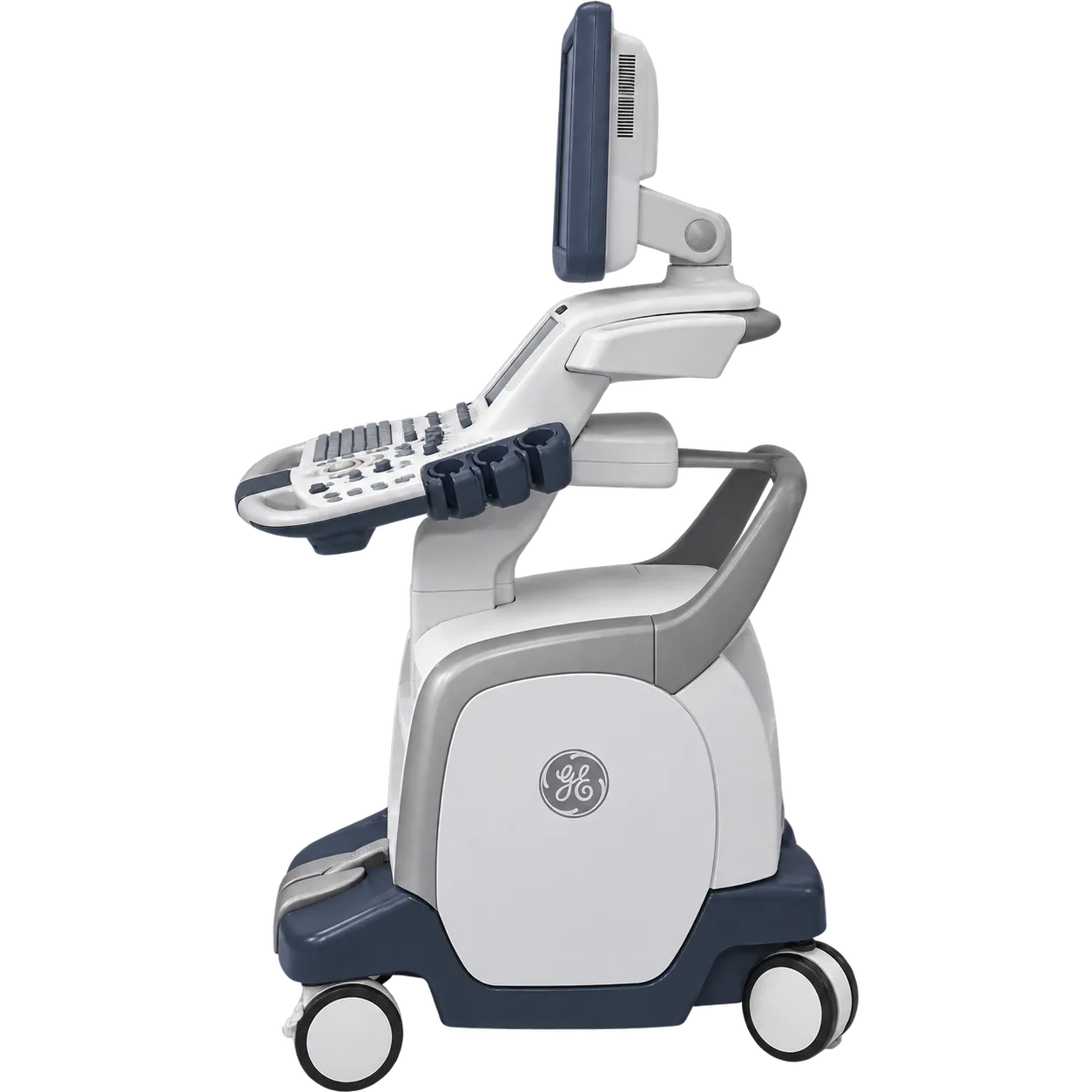
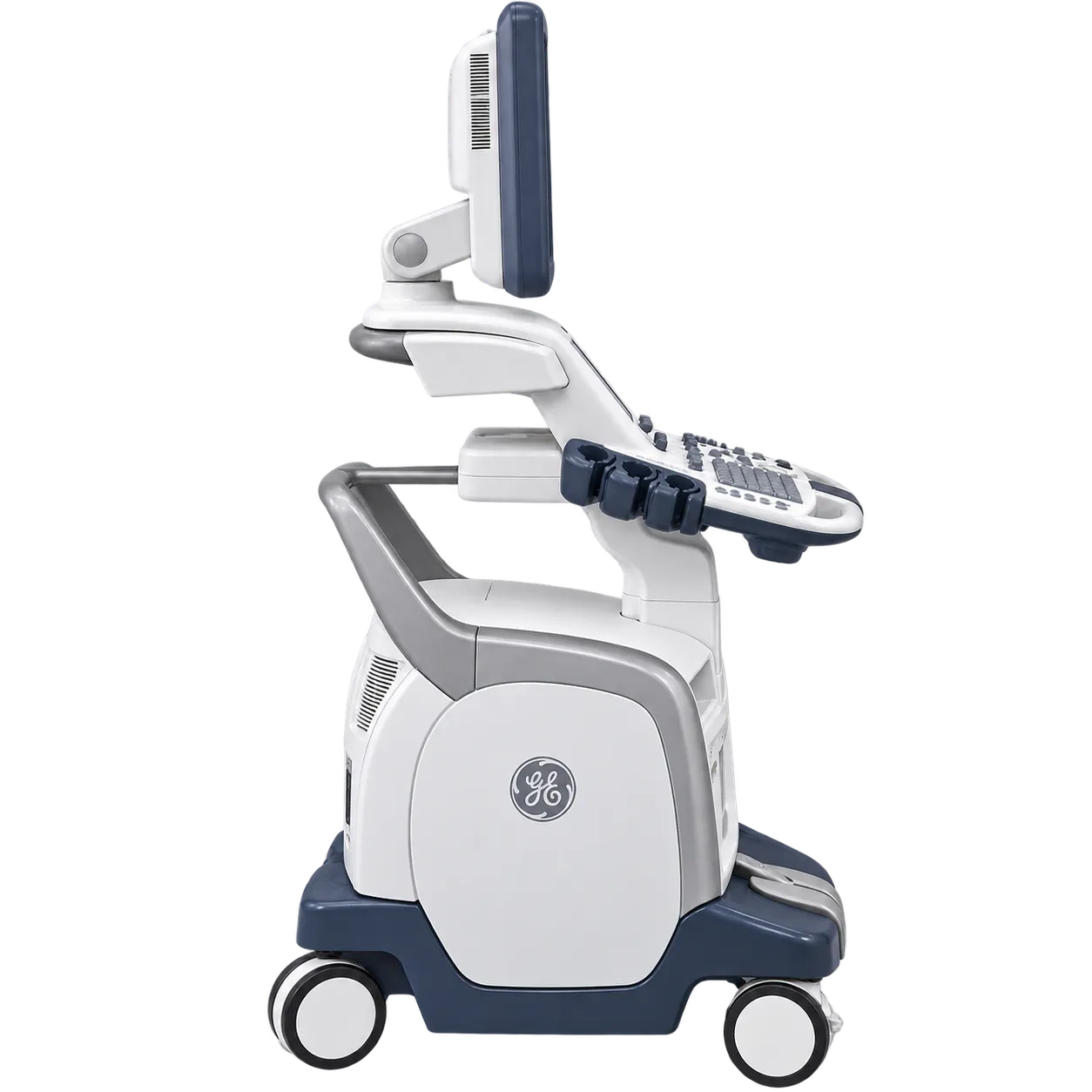
General diagnostic ultrasound across abdominal, small parts, musculoskeletal, obstetric, gynaecological and vascular work is the core of what this console delivers. All clinical judgement, including whether an examination is indicated and how findings are interpreted, remains with the performing and reporting clinicians, and all decisions on workstation setup, scheduling and working practice remain with the service and its occupational health arrangements.
High-volume rooms concentrate the loading, since posture and probe pressure are repeated across a full list and the effects accumulate rather than resolving between patients.
Departments where several operators share one console gain from adjustment range, since a machine set for one person is wrong for the next and the ability to reset quickly is what makes sharing workable.
Difficult examinations place the greatest physical demand, requiring more pressure and longer holding, which is where image quality carries an ergonomic benefit as well as a diagnostic one.
Services concerned with retention should treat equipment as one factor among several, alongside scheduling, setup and technique, all of which remain the department's own.
Departments replacing an older console should confirm the adjustment mechanisms specifically, since range and condition vary with use rather than remaining as specified.