
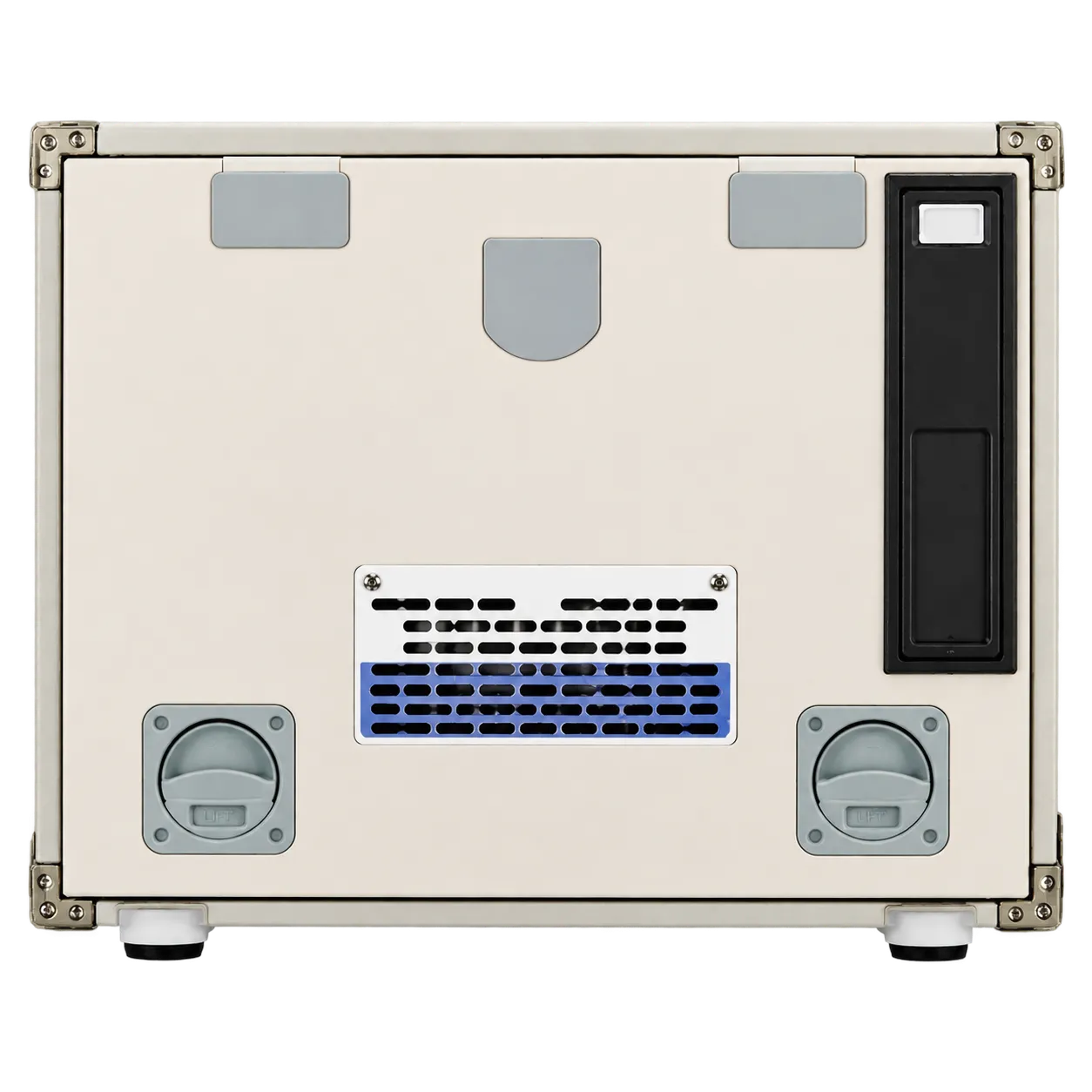
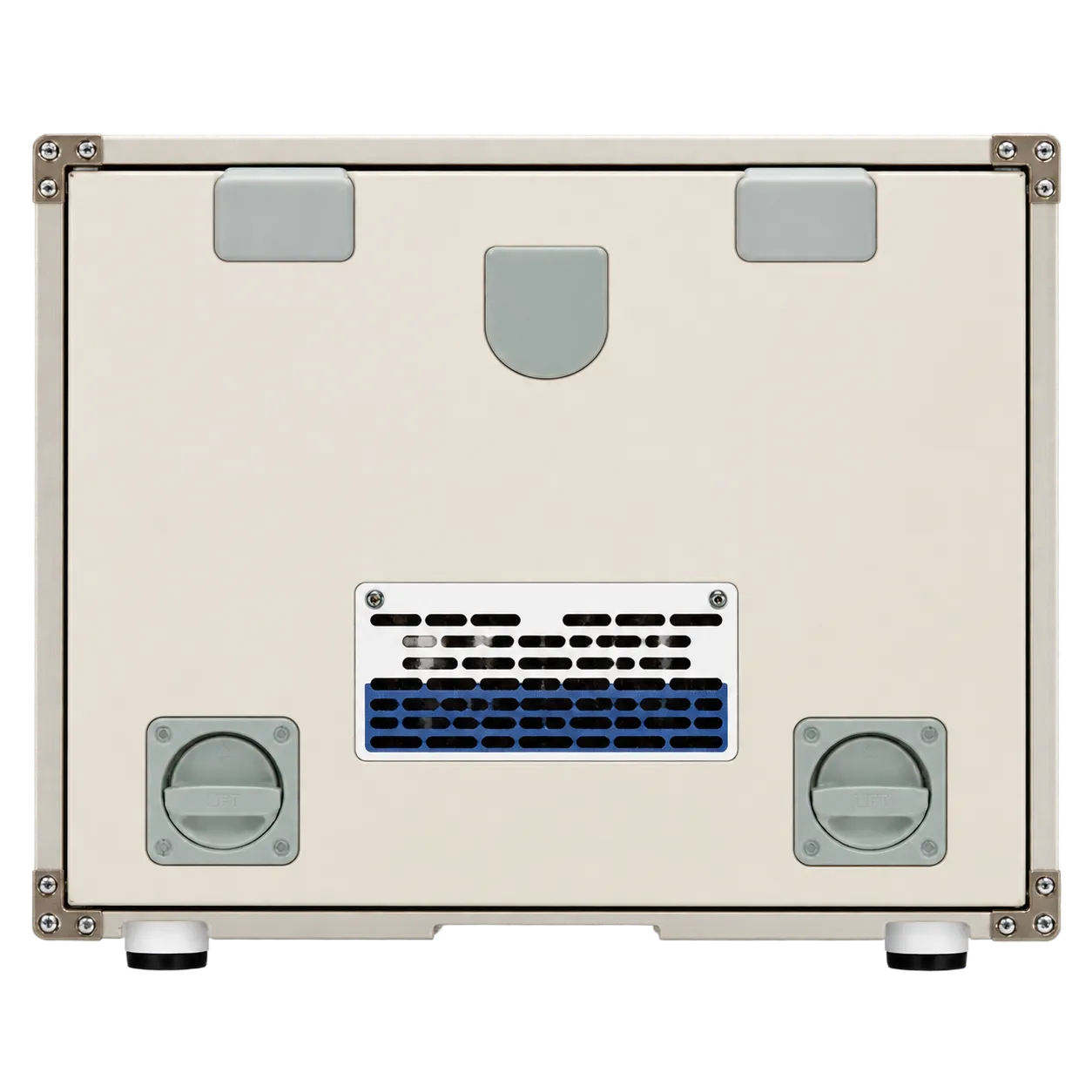
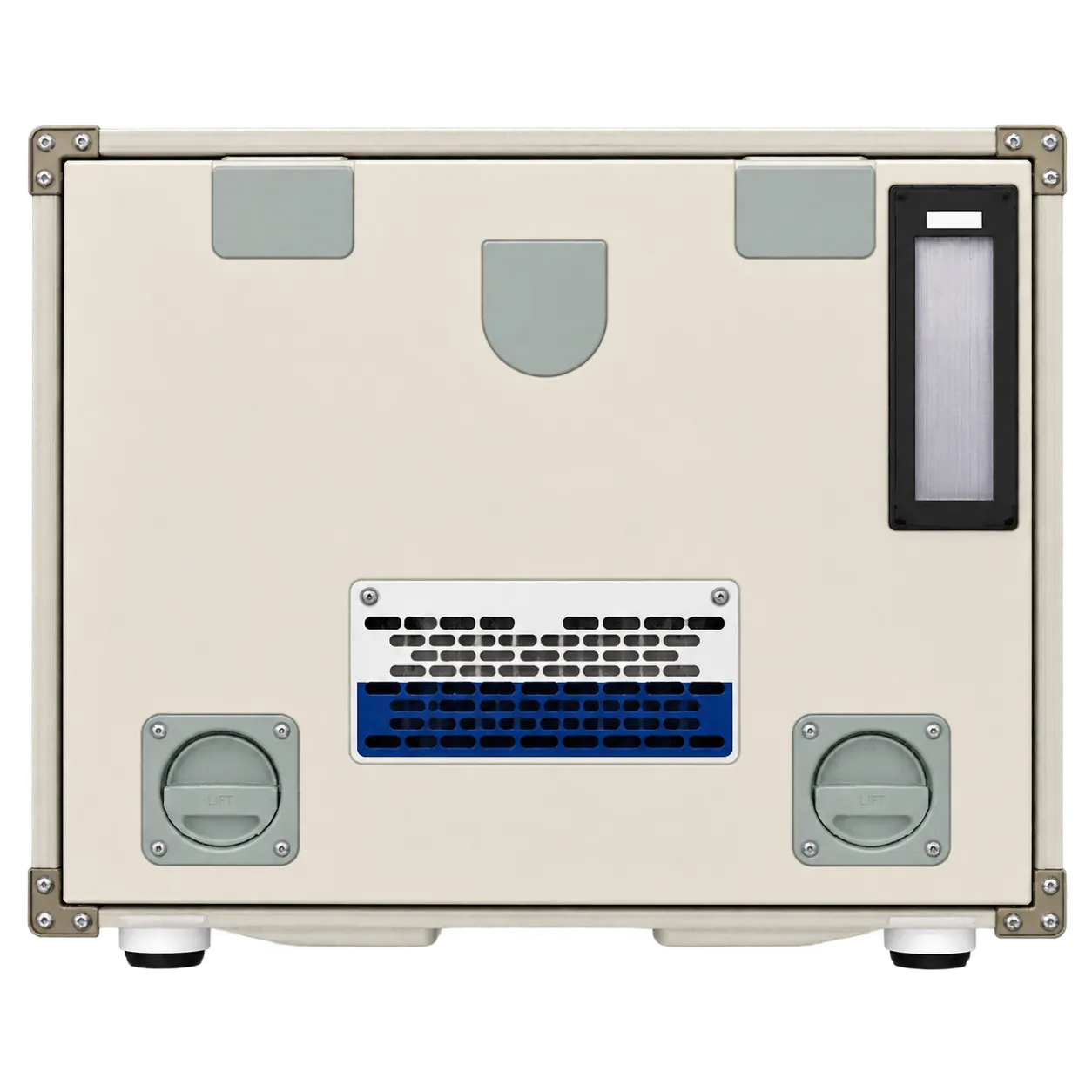
A cassette is a light-tight box with one job: to hold the recording medium flat against the beam and let nothing else reach it. Flatness is the part that sounds trivial and is not. Where a screen and film sit slightly apart, light spreads before it reaches the emulsion and that patch of the image softens, which is why departments tested contact with a wire mesh and retired cassettes that failed. The test takes minutes and saves repeated films, which is time and dose the patient does not spend twice.
Cleanliness is the other everyday matter. Dust between the screen and film prints as a white speck on the radiograph, and specks appearing in the same place on successive films point straight back to one cassette. Screens are wiped with the recommended cleaner routinely, and cassettes are stored closed so nothing settles inside between uses. Handling counts too, since a dropped cassette can distort and stop closing squarely, and light then reaches the film.
For UK buyers, this equipment sits with the processor and hangers earlier in the section. Hospital imaging has moved to flat panels, so cassettes now serve services abroad that still use film or computed radiography, and departments keeping older equipment running. If these hold phosphor plates, the question becomes which readers they suit, since a plate is only useful with a machine that scans it.
Medigear.uk is establishing that, along with sizes and materials, before quoting anything to a department.