
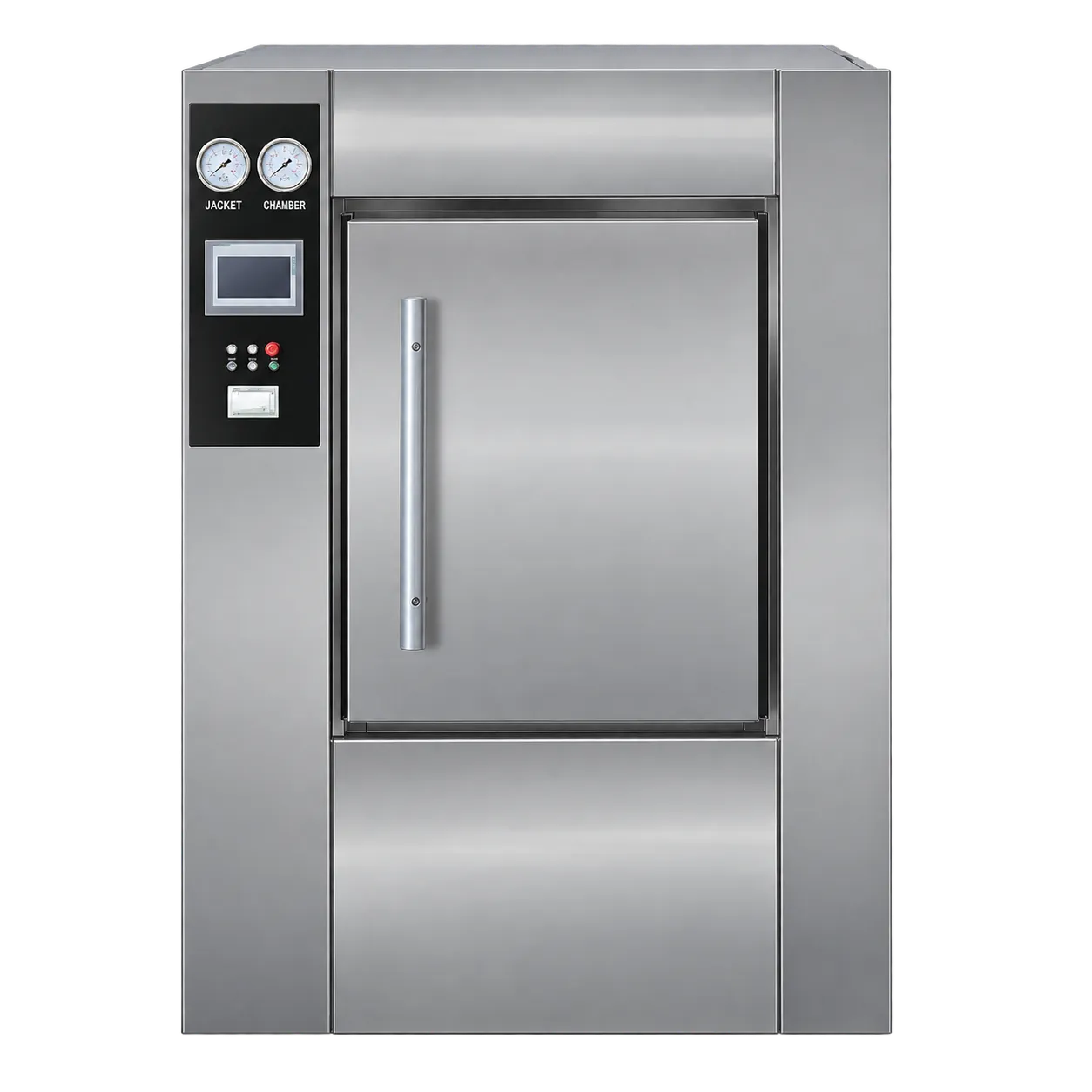
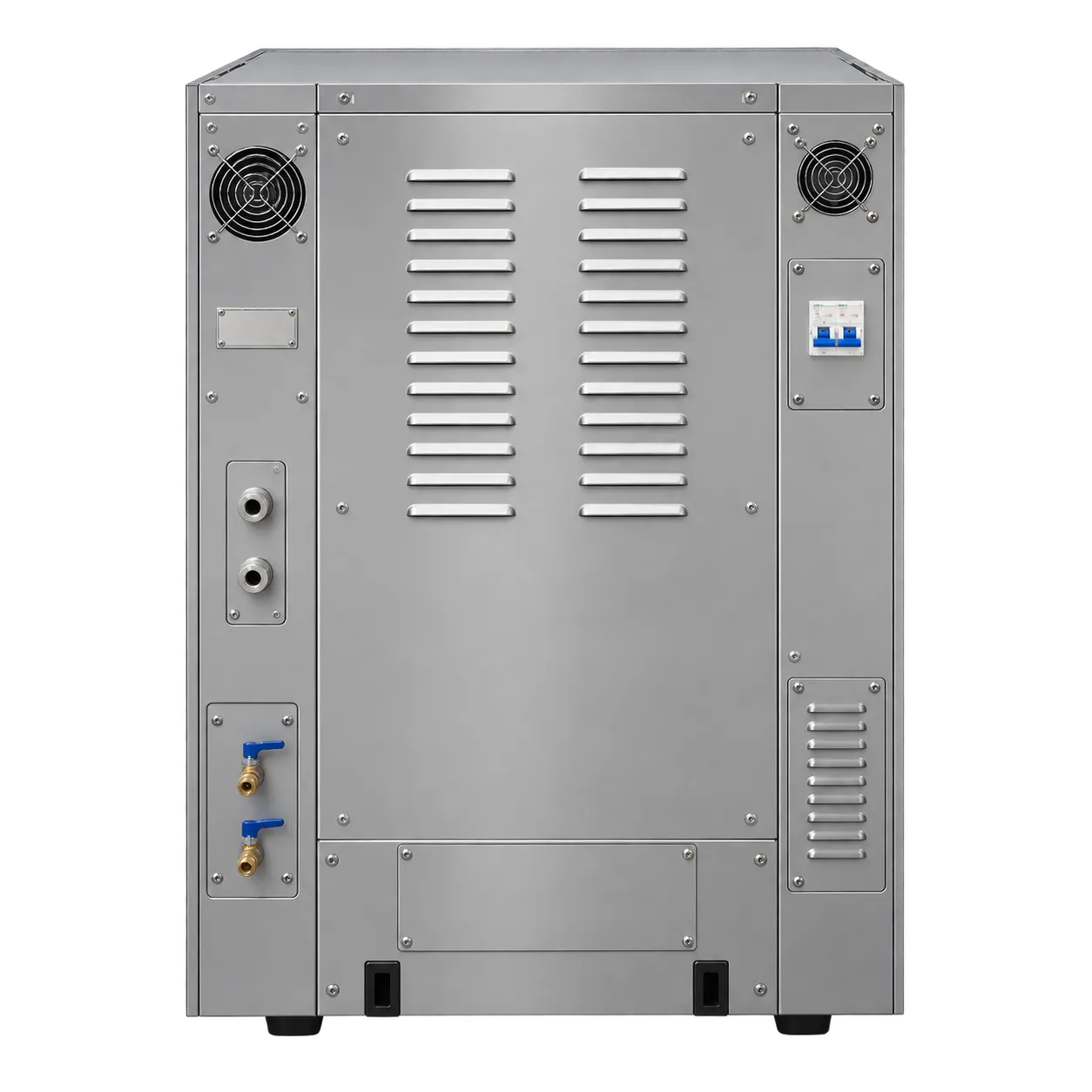
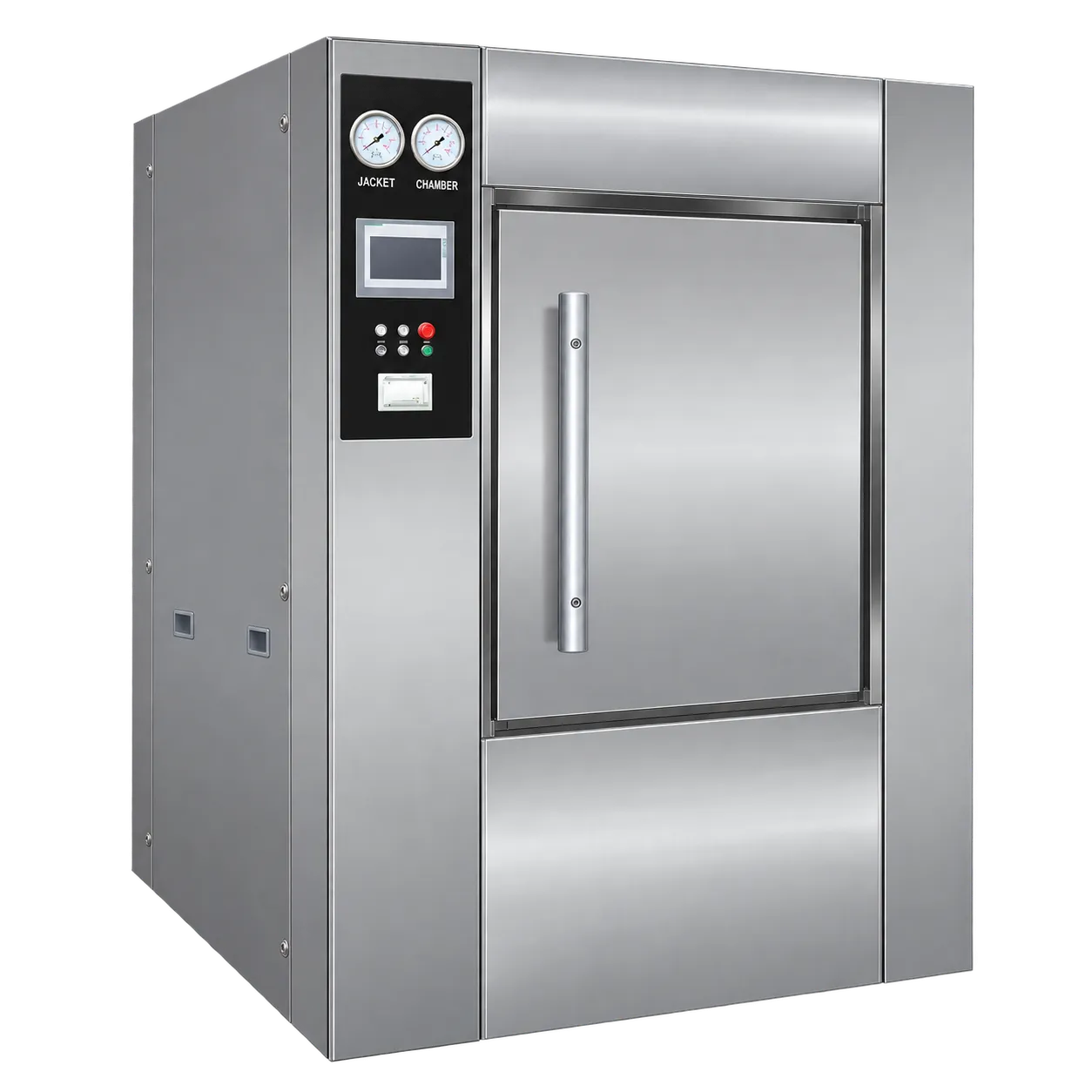
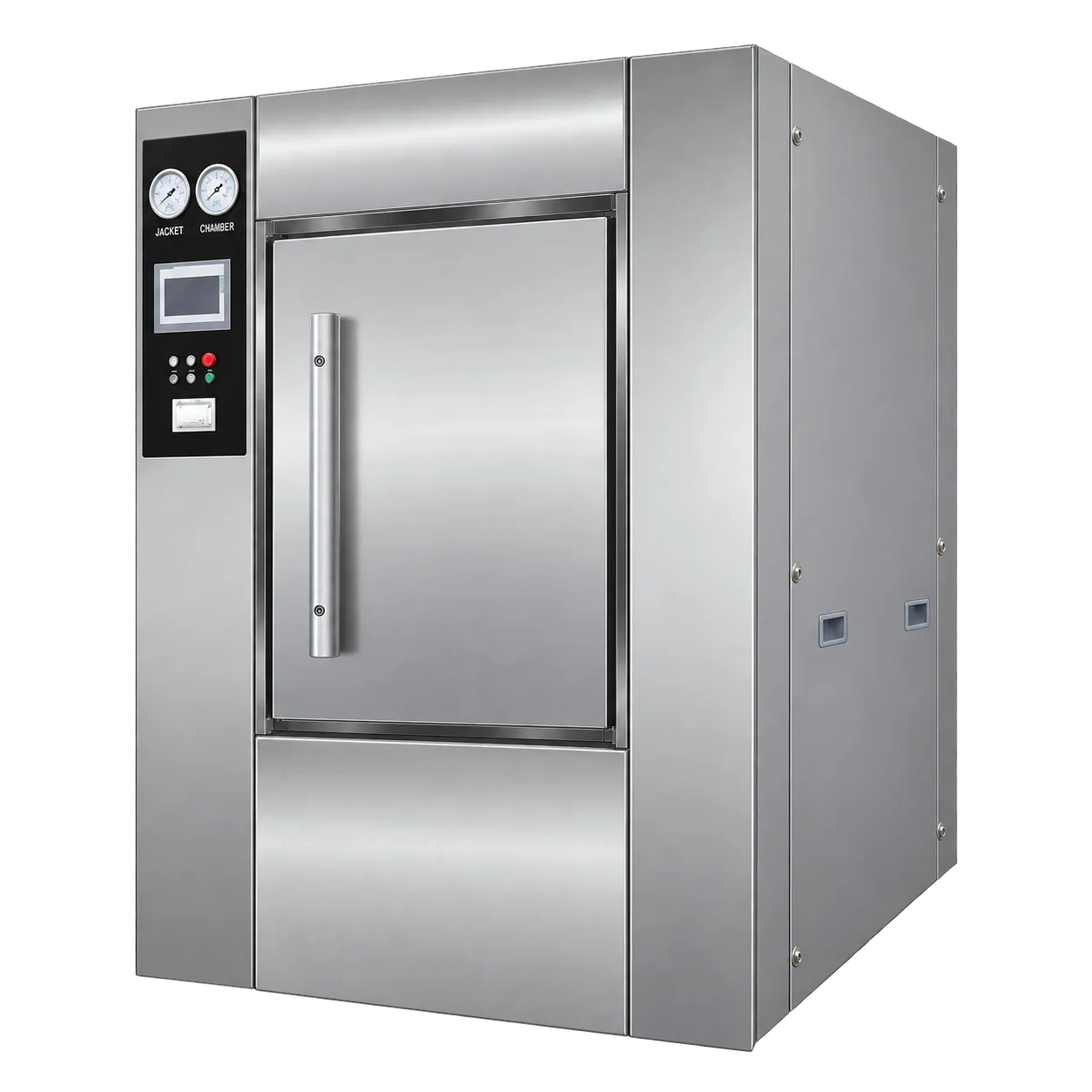
The catalogue lists the WF-150DM under dental equipment, and its series is described as sterile services equipment, placing it in dental hospital decontamination units, small hospital sterile services departments, and day surgery units. Those settings reprocess wrapped instrument trays, surgical textiles and hollow instruments such as dental handpieces and cannulated devices, all loads that need air removed under vacuum before steam can reach them.
Its single door suits a decontamination room where the workflow runs from dirty to clean within one space. Departments designed around a physical barrier between wash and pack areas need a pass-through design, which this single-door configuration is not. That decision belongs in the department's layout before ordering.
Testing is where vacuum sterilisers succeed or fail. In a 2020 laboratory case study, two commercial Bowie-Dick test packs passed with air deliberately left in the chamber when the cycle's come-up was slowed, and detected it only when the test cycle met the standard's requirements. Published troubleshooting of a prevacuum steriliser names air leaks into the chamber, poor air removal and non-condensable gases in the steam supply as the main causes of Bowie-Dick failure. Validation therefore has to fix the test cycle itself, and it tests steam quality and chamber leak-tightness alongside the daily check.
Public health services buy sterilisers of this size through formal procurement, including the NHS, and expect EN 285 evidence and a validation plan, as public purchasers elsewhere do. The conformity documentation those procurement routes require is issued by the manufacturer and shared by the enquiry team.