
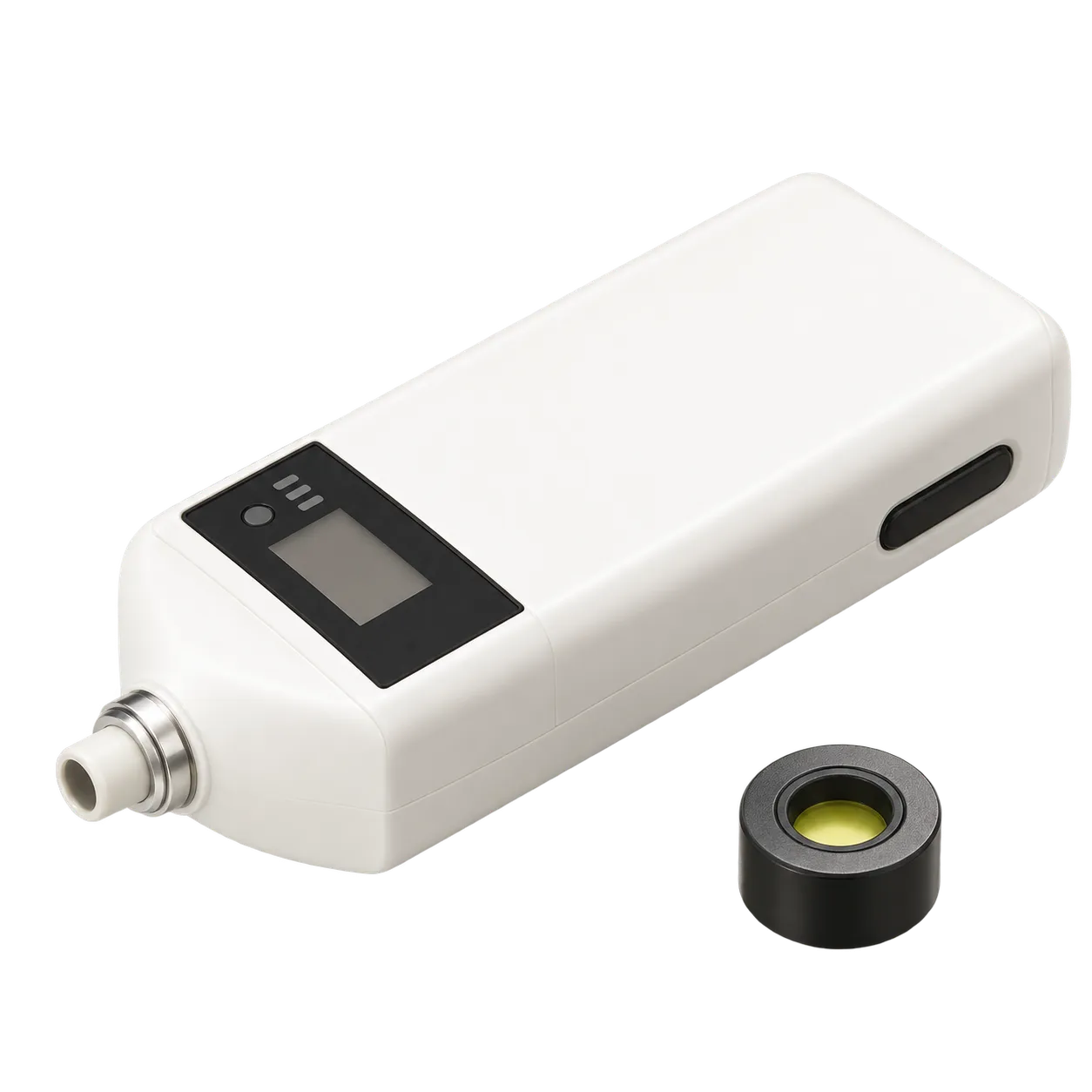
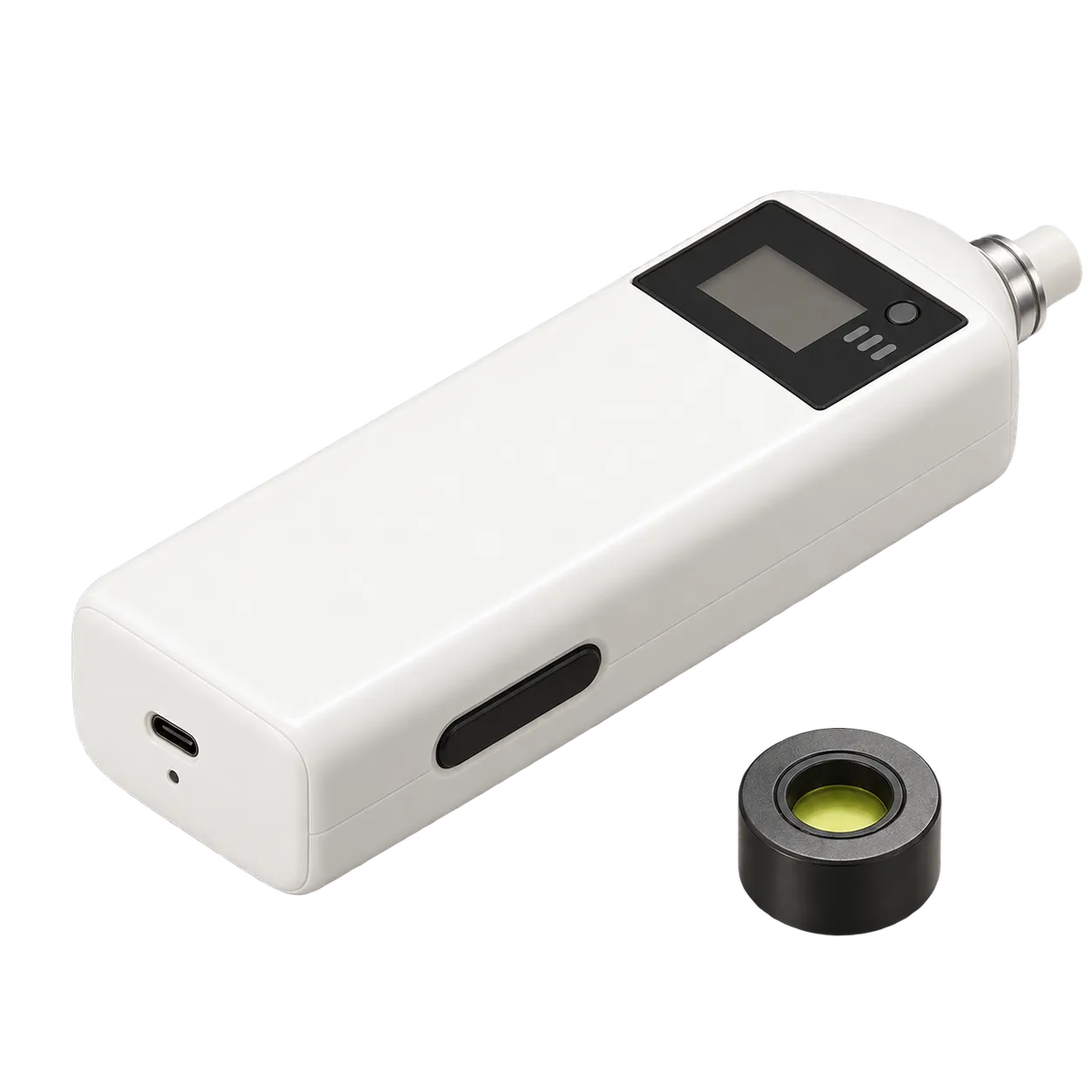
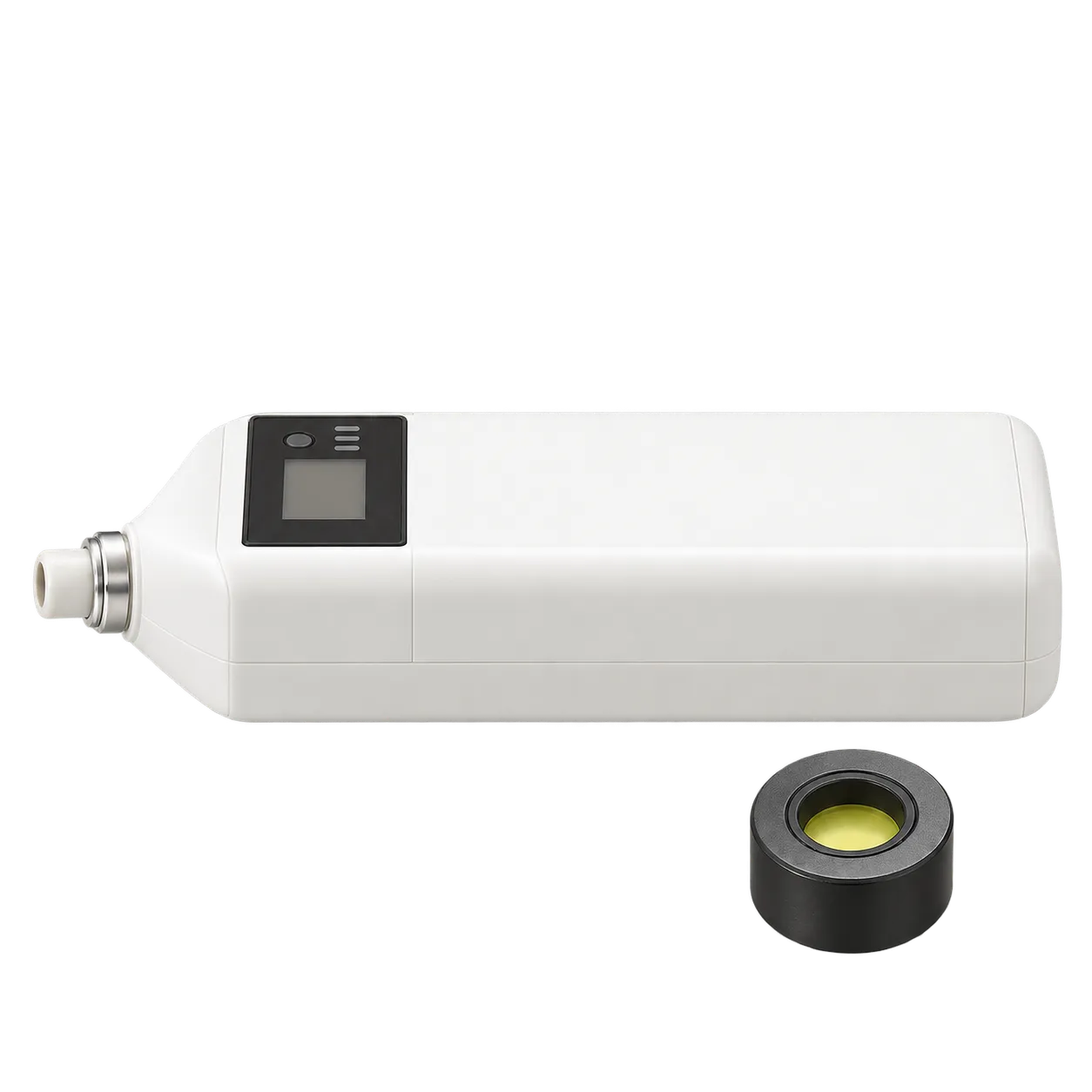
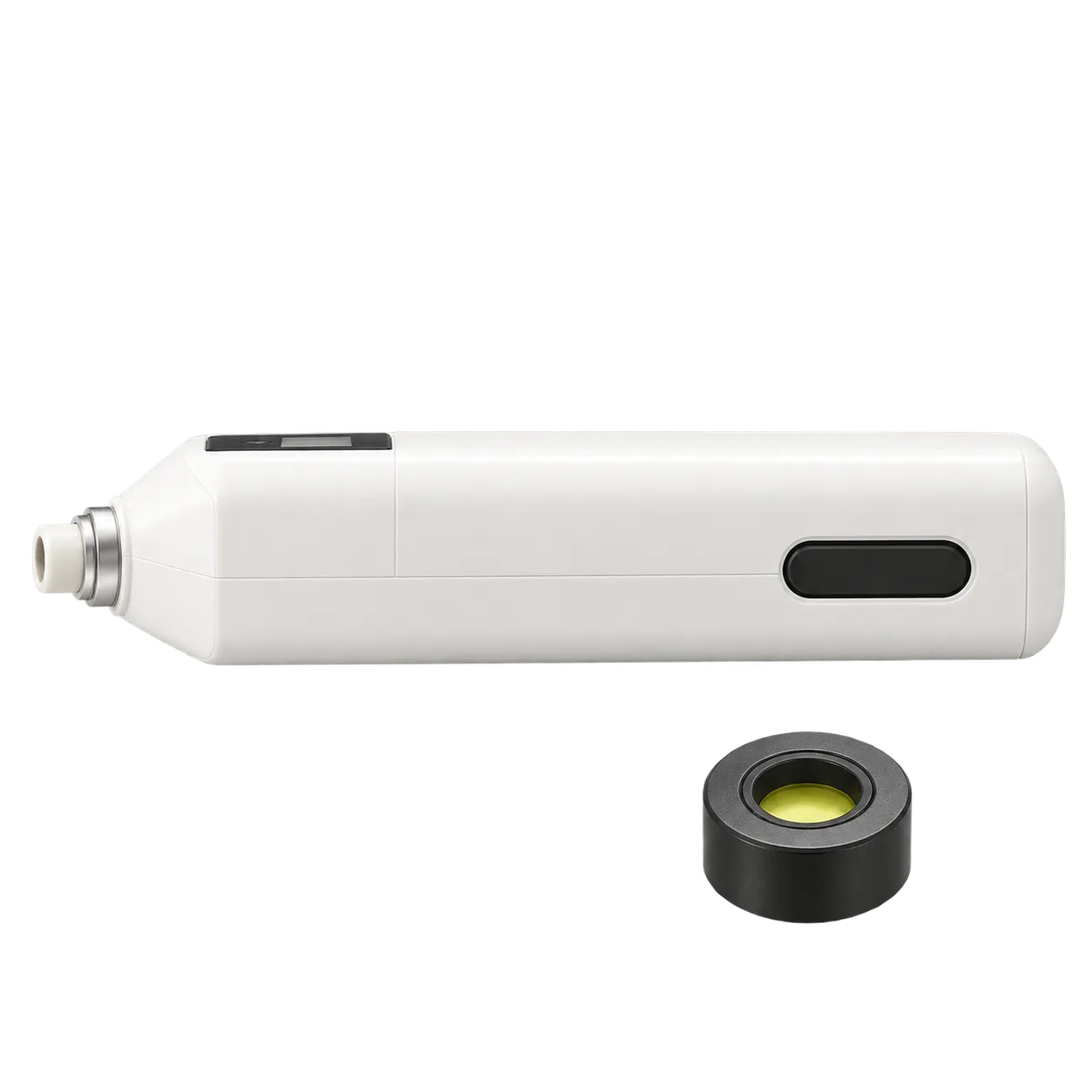
Postnatal wards use the Blackstone jaundice detector to screen newborns for jaundice before discharge and during their stay. Staff clean the probe, press it gently to the baby's forehead or sternum, and read the estimate on the display beside it, all while the baby stays in the cot or a parent's arms. The reading goes into the notes, and a high or rising value leads to a blood sample for a laboratory bilirubin level.
Community midwives carry the detector on home visits, where they can screen e a baby who looks yellow in the family's home without a heel prick. Its handheld size suits a midwife's visit bag. A low reading may settle the question at that visit, while a high one is followed up with a blood test and the care that result calls for.
Neonatal units and paediatric or emergency departments use it for babies who come in or come back with jaundice, as a first estimate before blood is taken. Because the reading is easy to repeat, staff can follow how the estimate changes from one review to the next.
The method has clear limits. The detector estimates bilirubin in the skin, so it screens, and the blood test still gives the laboratory level. Skin treated with phototherapy no longer reflects blood levels, so babies under phototherapy or recently after it are followed with blood tests. The probe is cleaned between babies, and the detector needs no fixed installation at any bedside.
Units that need laboratory bilirubin values, and babies in or after phototherapy, call for blood testing.